
Facts & prices checked: 2026-06-16
Zanzibar is not a technical diver’s bucket-list island, and I’d rather tell you that up front. What it does brilliantly is warm, easy, fish-heavy reef diving in water that sits around 27C, with one genuinely good atoll and a couple of sites that will surprise even seasoned divers. If you want walls and big pelagics every dive, you go to Pemba. If you want lovely reef diving wrapped around a beach holiday, you stay here.
Where the diving actually is
The diving splits into three broad zones, and where you stay matters more than people expect.
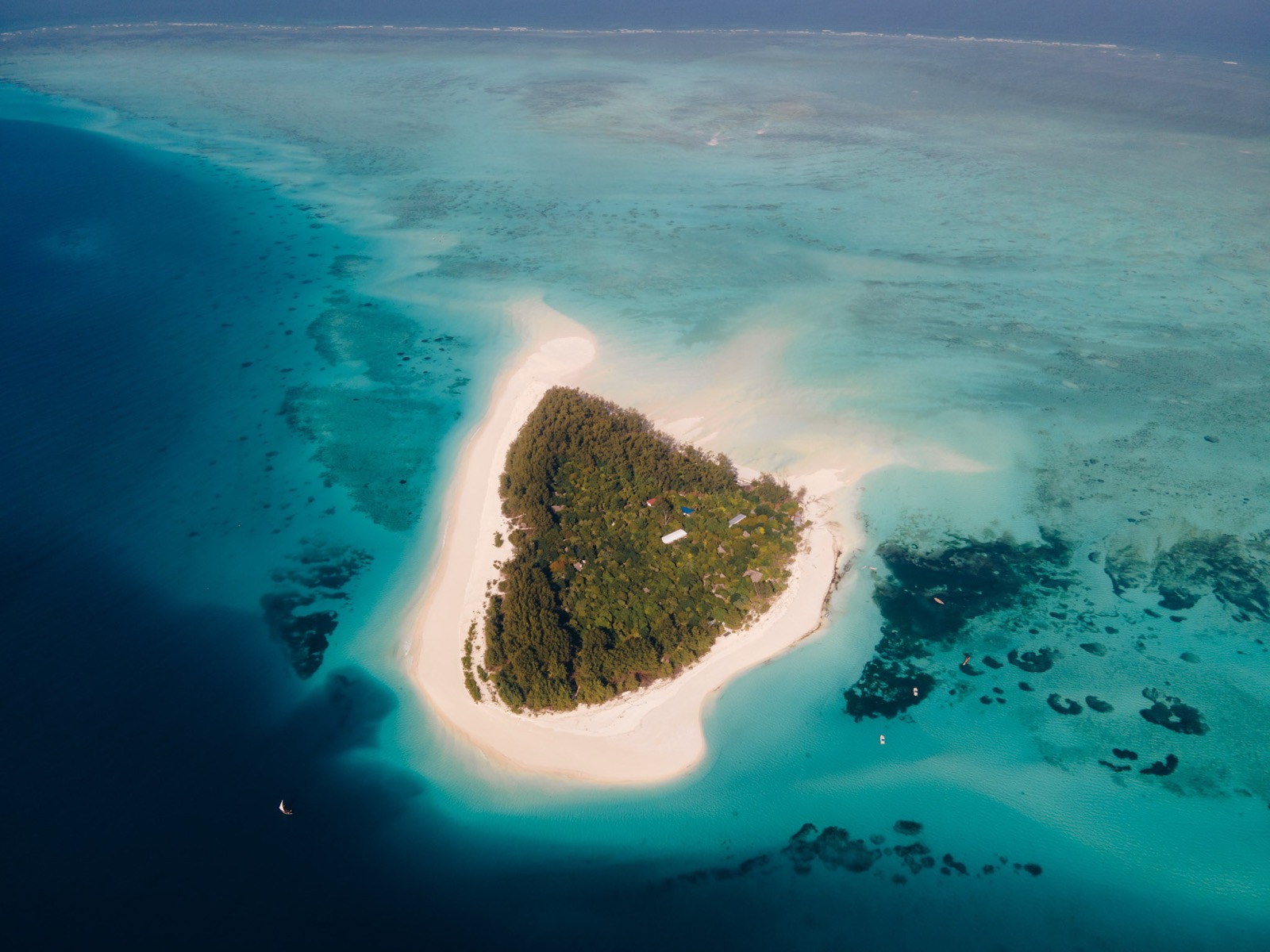
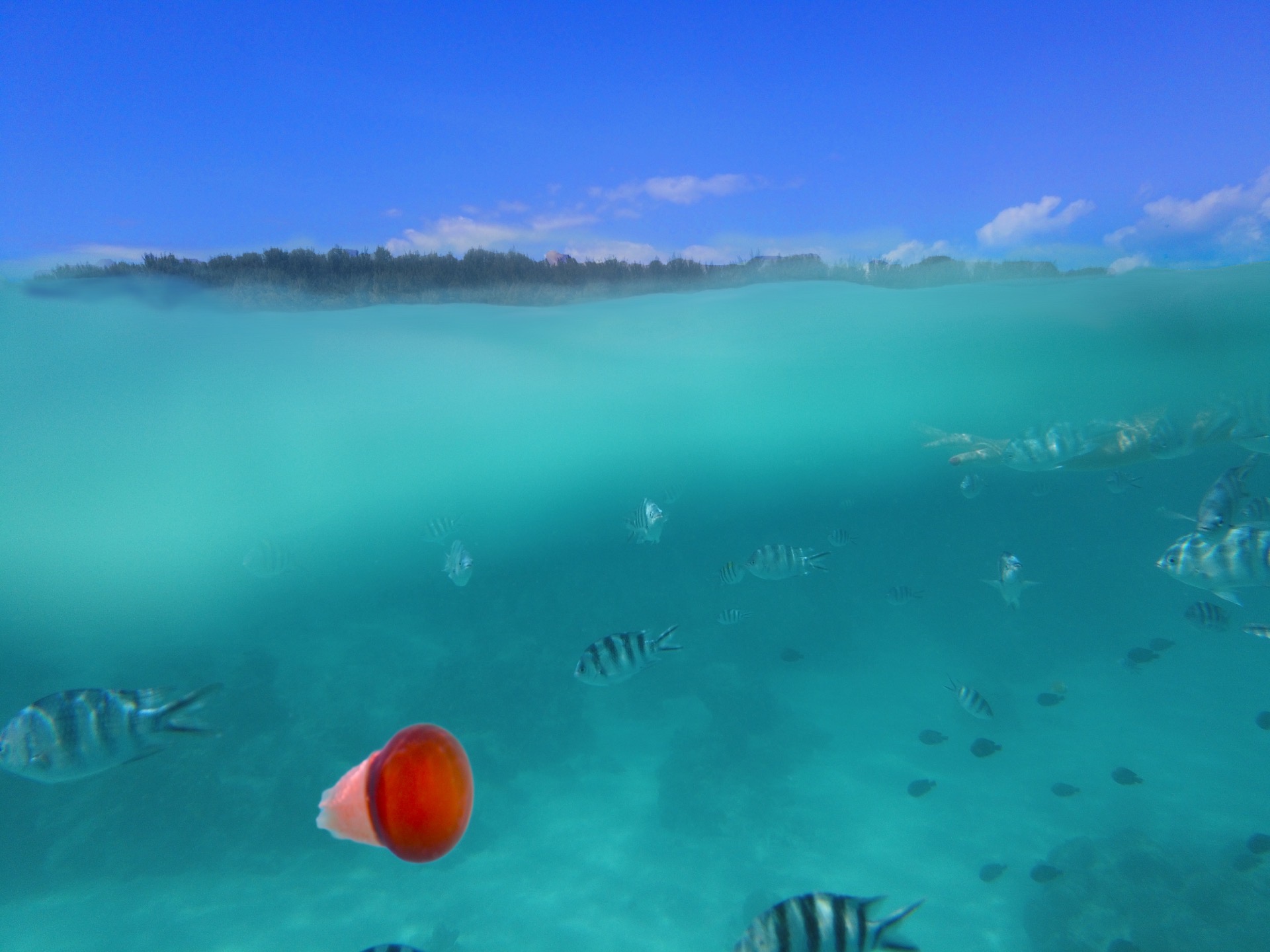
Mnemba Atoll is the headline. It’s a small coral atoll off the northeast tip, ringed by sloping reef from 5m down to 25m or so. Visibility is regularly 20-30m, current is usually gentle, and the fish life is dense: napoleon wrasse, snapper schools, turtles, the odd reef shark on the deeper drops. Most day boats run here from Nungwi, Kendwa and Matemwe in 20-45 minutes. It sits inside a marine conservation area, so expect a separate park fee on top of your dive price.
Leven Bank is the one for certified divers who want adrenaline. It’s an offshore seamount north of the island, properly exposed, with current that can rip. In return you get barracuda, big groupers, rays, kingfish and sharks. It’s an advanced dive and weather-dependent, so don’t count on it landing on any given day.
The east and southeast coast where I live, around Michamvi and Paje, is more about house reefs and the wall off the edge of the lagoon. It’s pleasant, less trafficked, and convenient if you’re already on this side, but it isn’t the reason to fly here. Most serious dive days from the east still point you north toward Mnemba.
Season, visibility and water
The diveable window is long. Roughly June to March you’ll get good conditions, and the sweet spot is October to March when the sea flattens and visibility is at its best. The kaskazi (northeast monsoon) period over the European winter tends to give the calmest, clearest water.
April and May are the long rains. Seas get choppy, viz drops, and plenty of dive centres scale back or shut. If those are your only travel dates, set expectations accordingly or look at the more sheltered sites.
Water temperature barely moves: 26-29C across the year. A 3mm shorty handles almost everything. I see divers turn up with 5mm full suits and quietly regret it by the second dive.
Certification and who it suits
This is a strong place to learn. The shallow Mnemba sites, the warmth and the calm make for a forgiving classroom. A PADI Open Water course usually runs over three to four days and costs roughly USD 450–600 depending on the dive centre. Discover Scuba try-dives are widely available if you just want a taste before committing.
Certified divers should bring their card and logbook, and ideally a recent dive if you’ve been dry for a while. For Leven Bank and the deeper northern walls, centres will reasonably ask for Advanced certification or evidence of current experience.
A two-tank boat dive with gear included typically runs USD 110–150, with Mnemba park fees and any equipment upgrades on top. Confirm exactly what’s bundled before you book, because “two dives” and “two dives plus park fees plus full kit” can be a meaningful gap on the final bill.
Mnemba vs Pemba: the honest split
People conflate these. Mnemba is a day trip; Pemba is a different island and a different commitment. Pemba’s channel gives you steep walls, dramatic drop-offs and far better odds on big stuff, but you need to base yourself there or join a dedicated liveaboard or lodge trip. If you’re certified, experienced and diving is the main point of your holiday, Pemba earns the extra logistics. For most visitors, Mnemba off a Zanzibar beach base is the right call.
Key Mnemba dive sites
Mnemba is not a single site — it is a ring of reef with several named spots, each with a slightly different character. For a full site-by-site breakdown including depth profiles, certification requirements, and current conditions across all Zanzibar zones (Mnemba, Leven Bank, Chumbe, Stone Town wrecks), see the Zanzibar dive sites guide.
Kinondoni: The most popular entry point. A gently sloping reef wall from 5m down to 25m+, heavy with reef fish, Napoleon wrasse, and regular turtle sightings. Good current at the right state of tide, otherwise slack enough for beginners.
Big Wall: Exactly what it sounds like — a steeper section of the outer reef dropping away below visibility. Better for Advanced-certified divers; current here can be noticeable. Barracuda, kingfish, the occasional eagle ray.
Aquarium: The shallowest and most accessible site, typically 5-12m, named for its volume and density of small reef fish. Ideal for students completing their open-water dives and for snorkellers on the same boat.
Maziwe (sandbank): Not at Mnemba itself, but a protected marine zone further south. A submerged sandbank with a very different habitat — eelgrass meadows, flatfish, and a relaxed dive or snorkel for anyone who wants something away from the main atoll traffic.
Marine life: what to see by month
| Window | What is most active |
|---|---|
| Oct–Feb | Best visibility (20–30m), manta rays possible, humpback dolphin schools |
| Dec–Mar | Whale shark season off the north (occasional, not guaranteed) |
| Jun–Sep | Whale watching season (boat-based, not diver-active), strong Kusi wind |
| Year-round | Turtles at Mnemba (nesting Oct–Mar), moray eels, reef sharks on deeper drops, octopus |
| Apr–May | Reduced visibility (long rains), rougher surface, most operators scale back |
Turtles at Mnemba are relatively reliable year-round — the protected status of the atoll has rebuilt the population noticeably since the conservation area was established. Reef sharks on the deeper northern drop-offs are real but not guaranteed on every dive.
Choosing a dive centre
The quality spread between dive operations in Zanzibar is significant. Things that matter:
Equipment condition. Ask when the regulators were last serviced. Rusty tanks and patchy wetsuits are warning signs; a centre that offers a brief equipment inspection before booking is one with standards.
Guide-to-diver ratio. Maximum 4–6 divers per guide on a reef dive is sensible. A boat that loads 12 divers behind two instructors is not running a great dive.
Operator’s PADI or BSAC affiliation. Major certification bodies require instructors to maintain standards and log equipment. A centre registered with one of the big agencies has accountability that a freelance operation does not.
Ask about the Mnemba park fee. A legitimate operator will include it in your quote. One that does not mention it is either not going to Mnemba, or will add it later.
Departure time. The best operators run first boats at 07:00–07:30 before the day-trip fleet and the wind picks up. A centre whose “morning dive” leaves at 10:00 is catching you in the most crowded, windiest part of the day.
Underwater photography at Mnemba
The shallow, high-visibility conditions at Mnemba make it one of the better sites in East Africa for entry-level underwater photography.
Equipment: A GoPro or iPhone with a waterproof housing handles everything at the Aquarium and Kinondoni sites (5–18m). At Big Wall and the deeper sections, a proper underwater housing with a wide-angle dome port gives dramatically better results — the flat port that comes with most phone cases creates edge distortion below 8m. A red filter or a small video light corrects the colour shift that kills red and orange below 5m.
What photographs well here: Turtles feeding on the reef floor (slow, approachable, no zoom required). Napoleon wrasse face-on — they are large and curious and will swim toward the camera. Schools of snapper catching the lateral light at 10–12m. Soft coral formations in the overhangs at Kinondoni shot upward toward the light.
Practical: Go on the earliest boat. By 09:30, snorkel boats begin arriving and the shallow zones get stirred. On a 07:00 departure the Aquarium site is glassy, the fish are less pressured, and the colour temperature is cooler and more flattering for mid-water shots.
Night dives at Mnemba
Night diving is offered by a smaller number of Zanzibar operators and runs from Matemwe or Nungwi on request. What you see changes completely: octopus, lobster and crayfish emerge from their daytime hiding places, moray eels are active in open water rather than tucked into crevices, and the reef fish school in tight groups near the coral — easy to photograph. Nudibranchs appear in colours you will not see by day.
Cost: expect a 20–30% premium over a daytime dive for the equipment preparation and the smaller group (most operators cap night dives at four divers). PADI Adventure Diver certification or equivalent recommended. Confirm with your chosen dive centre at least 24 hours before — they need to assign the guide and prepare lights.
What to bring on a dive day
Zanzibar’s dive sites are a 20–60 minute boat ride in open water. The Kusi wind (June–September) makes the northern run to Mnemba choppy on some mornings. What makes the day easier:
- Seasickness prevention: Take it the night before and again at breakfast, not on the boat — it is too late at that point. Kwells (hyoscine) work well for most people.
- Reef-safe sunscreen: Apply before the boat, not on deck where it washes directly into the water. Mineral-based (zinc oxide) is better for the reef. Mnemba’s conservation zone takes this seriously.
- Thin rash vest: More useful than a wetsuit for protecting against abrasion on entry and against the sun on the boat between dives.
- Post-dive snack: The gap between dives on a two-tank trip is 45–60 minutes. Bring something easy to eat. Most operators do not supply food.
- A dry bag: For your camera, phone, and anything that cannot get wet on the boat.
What to skip
Skip booking a “dive” that’s really a snorkel boat with a tank strapped on as an afterthought. The Mnemba snorkelling traffic is heavy, and some operators blur the line. If you want to dive, book with a proper dive centre, not a beach-shack day-trip seller. And if you only have April-May dates and clear water is your priority, consider whether diving should be the centrepiece at all, or just a bonus.
One first-hand note: the best Mnemba dives I’ve heard guests rave about are the early ones. Get on the first boat out, before the snorkel flotilla arrives and stirs the shallows. The reef is calmer, the light is better, and you’ll often have a turtle more or less to yourself.
Snorkelling vs diving: which should you book?
If you are not certified and short on time, the snorkelling at Mnemba is genuinely excellent — particularly at the Aquarium site and on the eastern shallower sections where fish density is high and depth is 3-8m. A snorkel trip with a good boat runs USD 40–70 per person depending on how many people are sharing the boat.
If you are certified (or willing to take a course), a dive gives you the slope, the wall, and the turtle behaviour that snorkellers miss. Turtles at Mnemba feed in the mid-water column; they tend to surface for air and then return to depths snorkellers cannot reach. From below, watching one feed and then rise is a fundamentally different encounter than watching one surface from a boat.
For guests at Matlai who want a single best water day: book the Mnemba dive or snorkel through our house manager. We work with operators who know which boat goes first and which guide has been running these sites for a decade. Do not book through a beach seller in Stone Town for a site on the other side of the island.
For snorkelling without a dive certification, Chumbe Island — 40 minutes from Stone Town by private boat — offers a protected coral reserve with 200+ coral species and 370+ fish species on a shallow reef that non-divers can explore fully, with a 1:4 guide ratio.
For the most serious Indian Ocean diving in Tanzania waters, the Pemba Island diving guide covers the wall dives, hammerheads July–October, humpback whales, and the honest logistics for a Pemba dive trip — visibility to 60 metres and almost no other boats. For East Africa’s best-preserved reef system with whale sharks October–March and manta rays, the Mafia Island diving guide covers the full picture — Mafia Island Marine Park (822 km²) is Tanzania’s first marine park; Kitutia Reef has 40 documented coral genera, the highest genus diversity of any surveyed reef in the park.
Zanzibar’s reefs are part of the Indo-Pacific biodiversity hotspot — but their story is shaped by the 1998 El Niño bleaching event that killed approximately 50% of coral cover in affected areas. The Zanzibar coral reefs guide covers reef ecology (why Acropora dies in bleaching but Porites survives), the three Marine Protected Areas (Chumbe, Mnemba, Menai Bay), what reef-safe sunscreen actually means, and how to tell a healthy reef from a degraded one.
For the full breakdown of what Mnemba Atoll looks like as a day trip — prices, operators, honest crowding caveats — see the Mnemba Atoll guide. For a non-certified alternative with exceptional reef access, see the full snorkelling breakdown. For snorkeling-specific spots — Mnemba Atoll boat tours, Chumbe day trips, east coast tidal timing, and dolphin encounters at Kizimkazi — see the Zanzibar snorkeling guide. For planning the rest of your trip, see the Zanzibar overview and our guide to the best time to visit Zanzibar. If kite surfing interests you alongside diving, see the Zanzibar kitesurfing guide. For a quiet east coast base close to the Mnemba dive boats, see the Matlai hotel at Michamvi Pingwe or the east coast where-to-stay guide.
Frequently asked questions
When is the best time to dive in Zanzibar?
Roughly June to March, with the calmest water and best visibility from October to March. April and May bring the long rains and rougher seas, so many dive centres reduce trips or close.
Is Zanzibar good for beginners?
Yes. Most Mnemba sites are 8-18m with mild current and warm water, ideal for a first open-water course or a refresher. Leven Bank and the northern walls are for certified, current-comfortable divers only.
What will I actually see?
Reef fish in volume, turtles, moray eels, octopus, rays and the occasional reef shark. From roughly July to October you may hear or glimpse passing whales, and bottlenose and humpback dolphins are common around the north.
How much does diving cost in Zanzibar?
A two-tank boat dive with gear runs roughly USD 110–150 at most Zanzibar operators; Mnemba marine park fees are added on top. A PADI Open Water course typically costs USD 450–600 depending on the dive centre.
Mnemba or Pemba for diving?
Mnemba is easy, pretty and beginner-friendly, reached on day trips from the north and east. Pemba has steeper walls and bigger pelagic action but needs a dedicated trip and is best for experienced divers.
Do I need a wetsuit?
Water sits around 26-29C year-round, so a 3mm shorty is plenty for most people. Bring a 5mm only if you feel the cold on repeat dives.