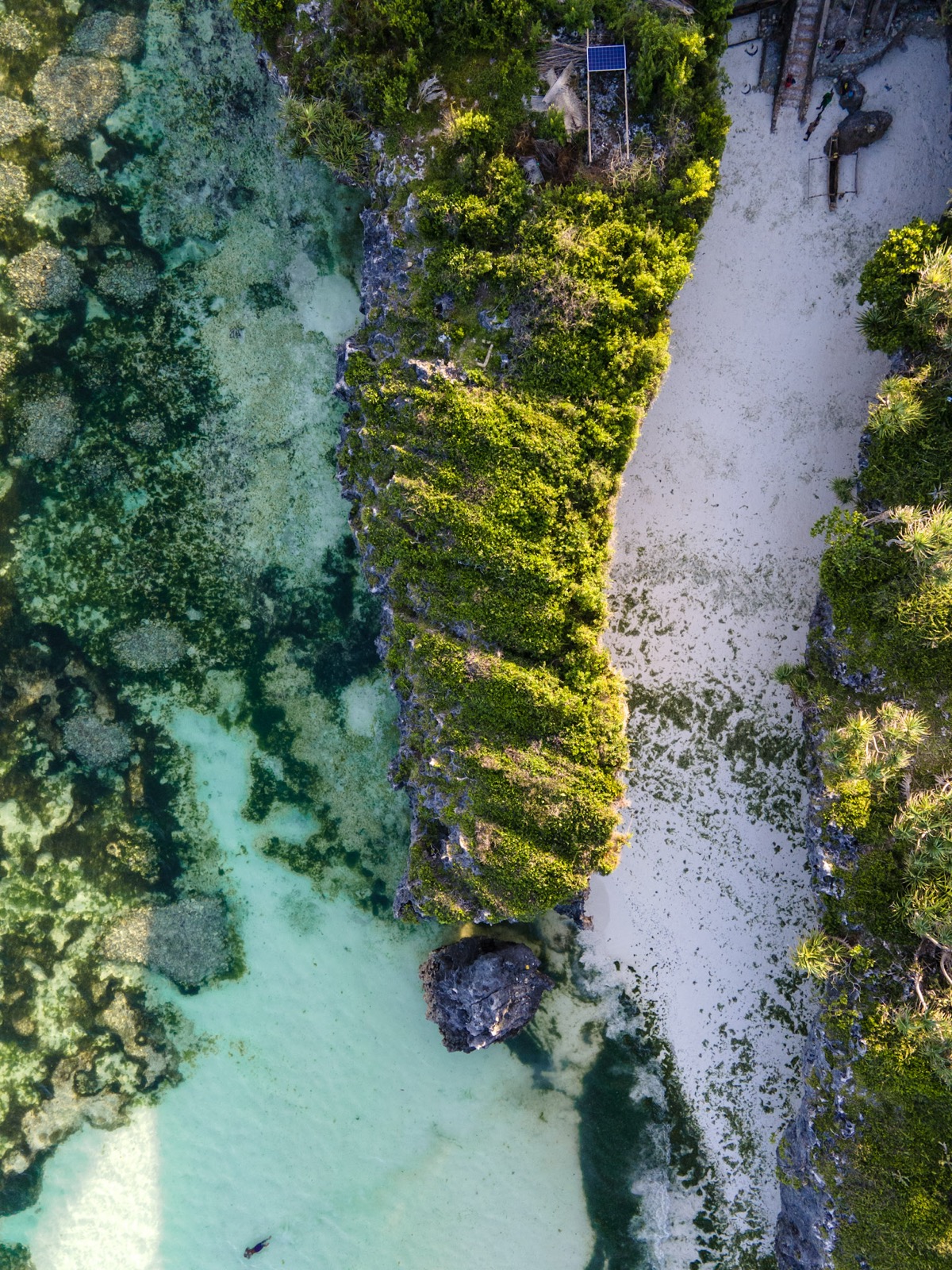
Jambiani
The east coast beach for people who didn't come to Zanzibar for a beach bar. Quieter than Paje, longer stretches between other guests, women farming seaweed on the lagoon flats at low tide, and a sailing school teaching the traditional ngalawa outrigger canoe. The tides are the same as everywhere on this coast — check them.
Tim Hennig — Zanzibar East Coast
| Jambiani — at a glance | |
|---|---|
| Location | 55–56 km from Stone Town · 10 km south of Paje · ~50–60 min from Stone Town 2 sources |
| Paje to Jambiani | 10 km, approximately 10 minutes by car |
| Character | Quieter, less kite-centric than Paje · longer beach · smaller tourist crowd |
| Tides | East coast tidal range 2.5–3.5 m — high tide required for good swimming |
| Mwani Mamas | Women's seaweed farming collective — visible at low tide when lagoon is exposed 1 source |
| Sailing | GPYSEA Sailing: traditional ngalawa outrigger canoe lessons, based on the beach |
| Dolphin trips | Available from Jambiani — closer to Kizimkazi (south) than Paje |
| Best for | Quiet beach retreat · local culture · alternative to Paje kite scene |
Last verified: August 2026
What Jambiani is actually like

The Mwani Mamas — seaweed farming on the lagoon
- The Mwani Mamas are a women's seaweed farming collective in Jambiani — one of the most visible examples of east coast traditional livelihood in operation
- Seaweed (Eucheuma) is cultivated on lines staked in the tidal lagoon flat; it is harvested at low tide and dried on the beach before export; Zanzibar is a significant global producer
- The collective gained international attention through a Vogue feature; visits to observe the farming are possible during low tide when the lagoon is exposed — a walk out on the flat gives context for the scale of the operation
- Seaweed farming is economically significant for east coast women specifically — it provides direct income independent of the fishing industry or tourism
- Visible at low tide from the beach in Jambiani; the best window is morning low tides when farmers are most active
GPYSEA Sailing — ngalawa outrigger canoes
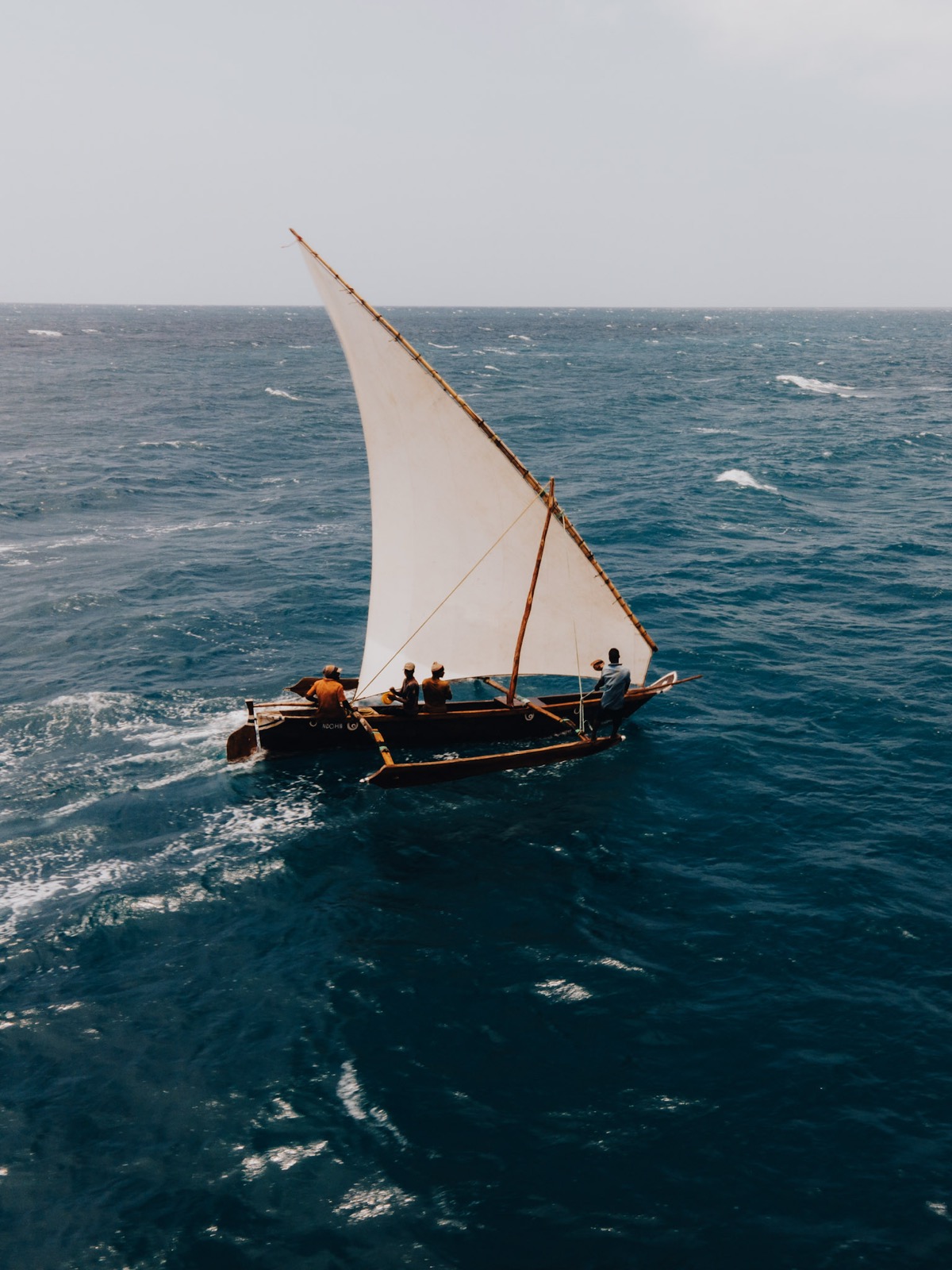
- GPYSEA SAILING is a Jambiani-based sailing operation known for teaching traditional ngalawa canoe sailing — the double-outrigger canoes used by Zanzibar's east coast fishermen
- The ngalawa is a distinctive local watercraft: narrow hull, two bamboo outriggers for stability, lateen-style sail — built by hand in village workshops
- The sailing experience is time on the water in a traditional vessel, not a motor boat or Sunfish — recommended for anyone interested in the actual maritime culture of the east coast, not just a boat ride
- Operates from the beach in Jambiani; check directly with the school for current scheduling and prices
- Morning sessions on the lagoon at high tide give the best combination of conditions: wind is usually consistent and the water is swimmable if you capsize
Tides — the east coast reality
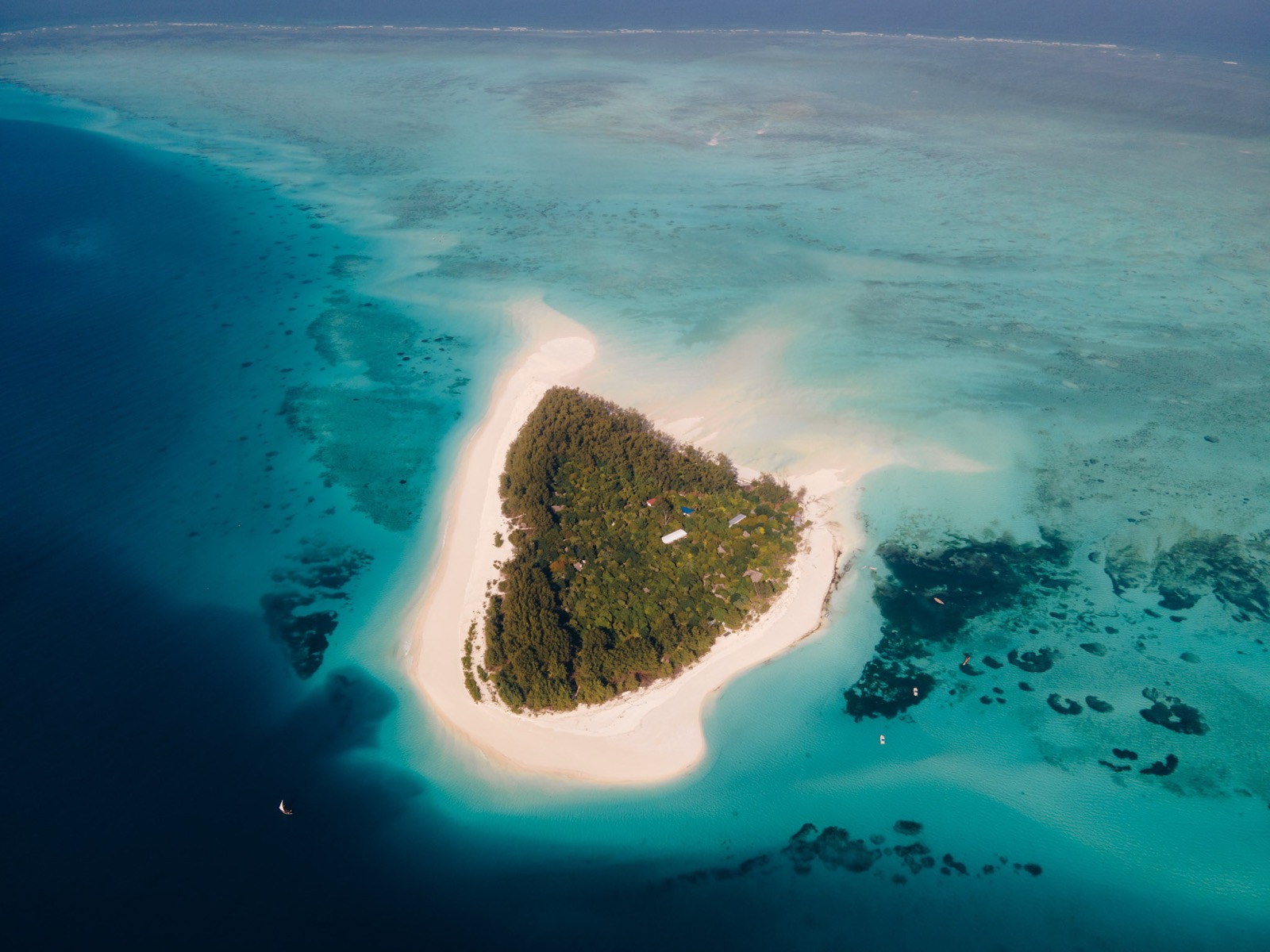
Jambiani shares the same tidal constraints as all east coast beaches. The tidal range is 2.5–3.5 metres — at extreme low tides the lagoon drains several hundred metres, exposing seagrass, reef flat, and seaweed farms. This is the same beach that looks turquoise and inviting in every photograph of Jambiani; those photos are taken at high tide.
At high tide: the water fills the lagoon, the sandbar is swimmable and clear, and the east coast east-facing beach is genuinely beautiful — especially at dawn when the sun rises directly over the Indian Ocean.
At low tide: seaweed farms are visible, the women are farming, reef creatures are exposed in rock pools — it is interesting, but not a swimming beach. Water shoes are recommended if walking the reef flat.
Tides shift approximately 45 minutes each day. Your hotel will know the tide times; ask in advance if swimming on a specific day is important to you.
The east-facing orientation also means Jambiani has the island's best sunrise — the sun rises directly over the Indian Ocean, unobstructed. If you are here at the right tide (high tide at dawn), the early morning beach is extraordinary.
Getting there and getting around
Distance and transport
Stone Town to Jambiani is approximately 55–56 km by road, taking around 50–60 minutes by car. The route runs southeast through the island's interior then down the coast. Different sources give different distances (34–56 km) depending on the route taken — the southern coast road adds distance but is more scenic.
Paje to Jambiani is 10 km, approximately 10 minutes — easy to visit both in the same day or switch between them as a base.
What to do from Jambiani
- Jozani Forest: approximately 35–40 min northwest from Jambiani — the red colobus monkey visit works as a half-day trip
- Kizimkazi dolphin tours: Kizimkazi is further south and is the main dolphin tour departure point; Jambiani to Kizimkazi is ~20–30 min by car
- Paje kitesurfing: 10 min north for the day if the kite wind is calling
- Sunrise sessions: the east coast at dawn on a high tide morning is worth a 5:30am alarm
Jambiani vs Paje
The practical difference is clear: Paje is busier, has more kite infrastructure, more beach bars, and a more international tourist scene. Jambiani is quieter, more local in character, and better for people who want space on the beach. The swimming and snorkelling (tide-dependent) are similar. If you have to choose a single east coast base: Paje for kitesurfers, Jambiani for everyone else who wants quiet.
Jambiani — questions answered
What are the Mwani Mamas of Jambiani?
A women's seaweed farming collective in Jambiani, cultivating Eucheuma seaweed on the tidal lagoon flat. Internationally known through a Vogue feature. The farms are visible at low tide when the lagoon is exposed — walk out on the flat when women are farming for the best view of the operation in action.
How far is Jambiani from Stone Town?
Approximately 55–56 km, around 50–60 minutes by car. From Paje, it is 10 km and about 10 minutes. From Jozani Forest, it is around 20–25 minutes south.
What is GPYSEA Sailing?
GPYSEA SAILING is a Jambiani-based school teaching traditional ngalawa outrigger canoe sailing — the double-outrigger craft used by east coast fishermen. It is time on the water in a genuine local vessel, not a motor boat excursion.
Is Jambiani better than Paje?
Depends on what you want. Jambiani is markedly quieter: fewer beach bars, less kite traffic, more local village character. Tidal constraints are identical on both beaches. For kitesurfers: Paje has better facilities. For quiet beach retreat and cultural interest: Jambiani.
Can you swim at Jambiani at low tide?
No — at low tide the east coast lagoon drains significantly, exposing seagrass and reef flat. At high tide, the swimming is excellent: clear water over the sandbar, often best at dawn (east-facing sunrise). Check tide times with your hotel — they shift ~45 minutes each day.
More east coast planning

Tim Hennig, General Manager, Boutique Hotel Matlai, Michamvi Pingwe, Zanzibar.
I live and work on Zanzibar's east coast year-round — managing Matlai, diving the reefs, watching the seasons. If you have a question the guides don't answer, I'm happy to help.
Get in touch