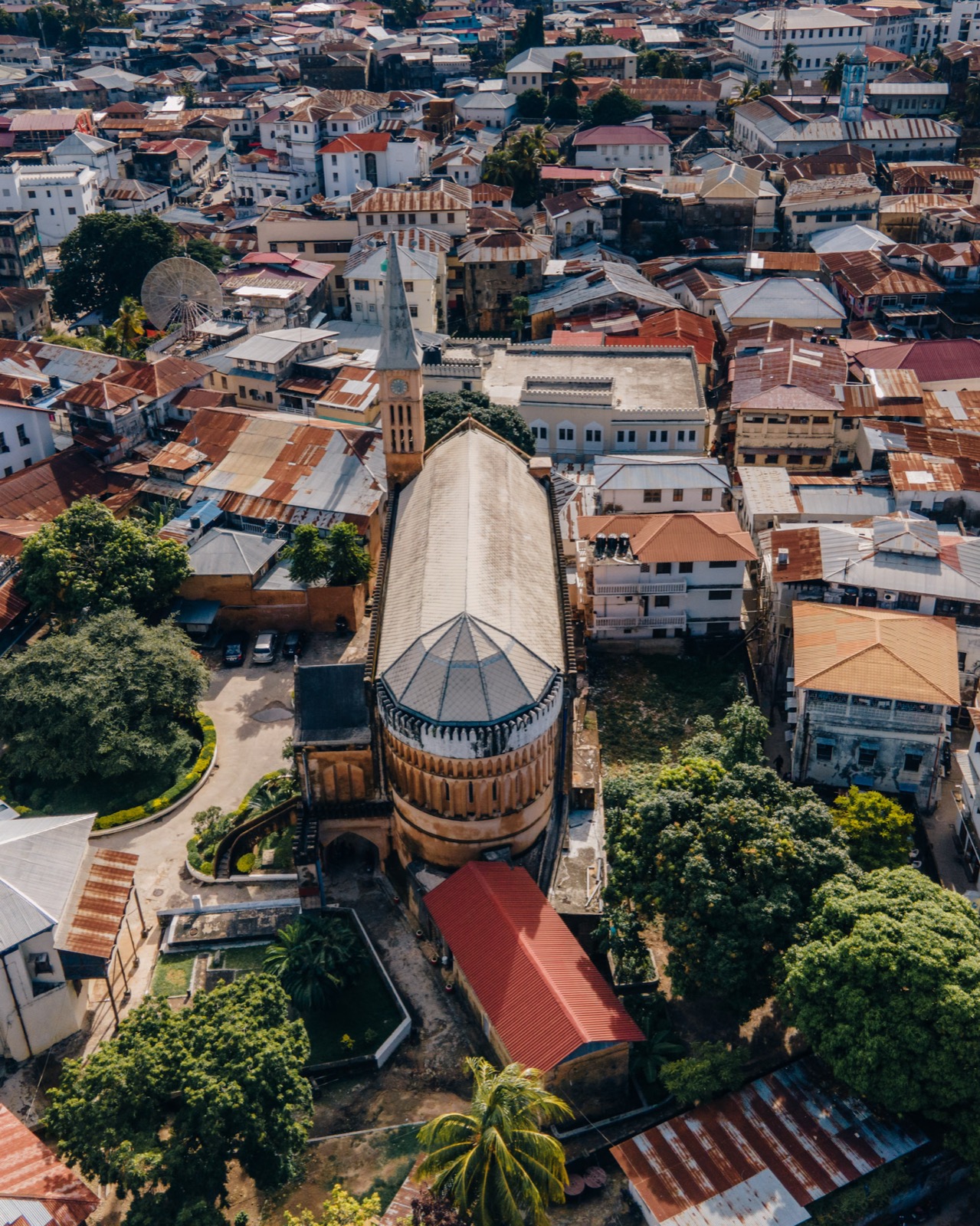
Stone Town
A UNESCO World Heritage city built on Indian Ocean trade, Ottoman architecture, and a history that has to be looked at without flinching. Hundreds of carved wooden doors. The night market on the seafront. Alleys you'll get deliberately lost in. Here is the honest guide.
Tim Hennig — Stone Town, Zanzibar
| Stone Town — at a glance | |
|---|---|
| UNESCO status | World Heritage Site #173 — inscribed 2000; conservation area since 1985 3 sources |
| Location | Western coast of Unguja · ~15 min from ZNZ airport · ferry terminal on the seafront |
| Best time to visit | Morning (pre-10am) for photography before cruise ships; evening for Forodhani market |
| Time needed | 1 full day for highlights; 2 days at a comfortable pace |
| Key sites | Anglican Cathedral · Old Fort · Palace Museum · Forodhani Gardens · Darajani Market |
| Carved doors | 500+ documented carved wooden doors; Omani (square-top) and Indian (arched, brass-studded) styles |
| Night market | Forodhani Gardens, ~6pm–9pm daily — grilled seafood, Zanzibar pizza, Urojo soup |
| Walking tour | USD 15–20/person; private guides at Old Fort or pre-booked online (2–3 hours) |
| Best for | History · architecture · food · culture · transit hub for rest of Zanzibar |
Last verified: August 2026
The history you need to know
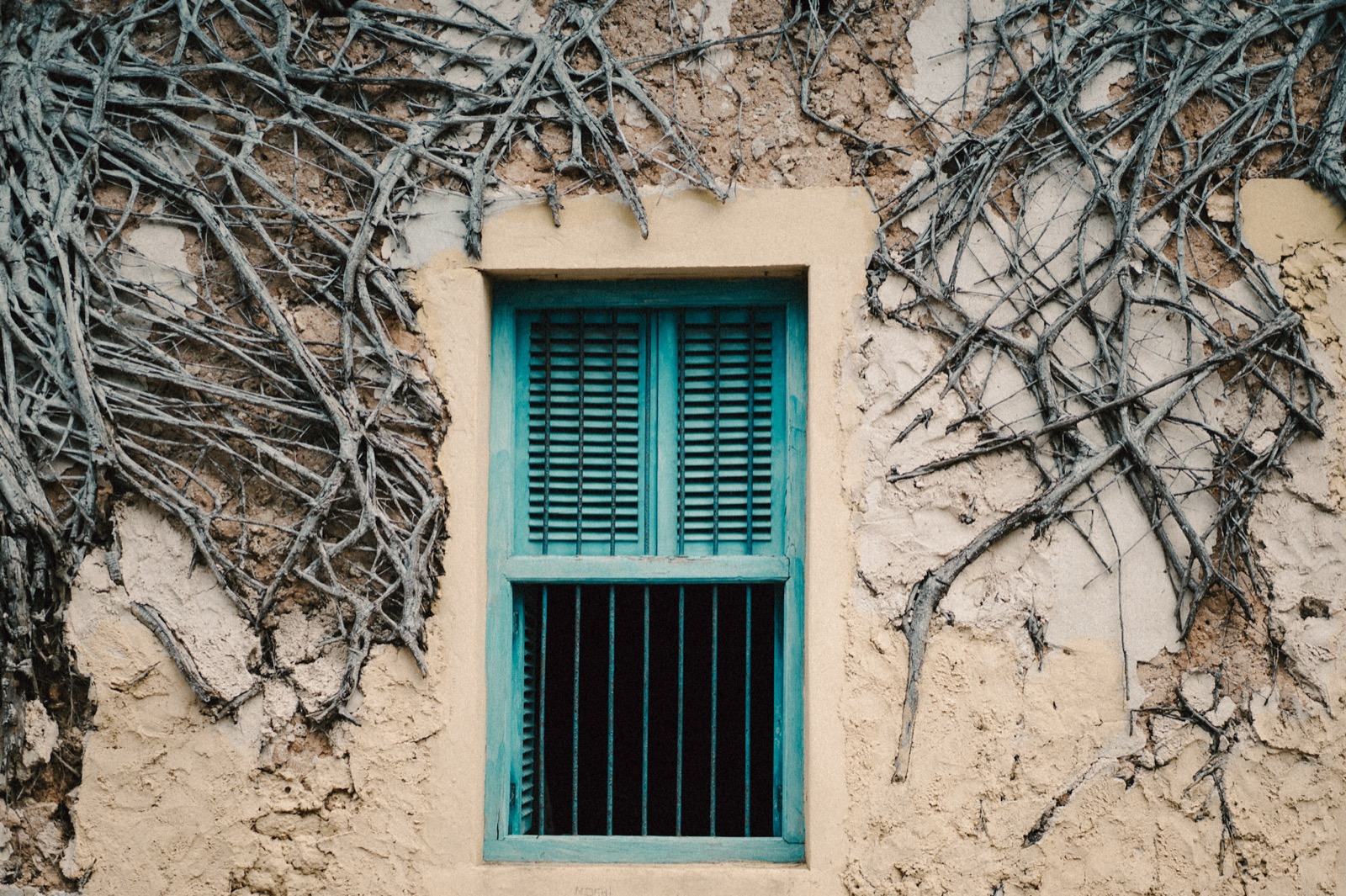
The Anglican Cathedral — on the site of the last slave market
- Christ Church Cathedral (Anglican) was built 1873–1879 — deliberately on the site of the last open-air slave market, which was closed by British pressure in 1873
- The altar stands over the exact spot where the main slave auction block stood; the altar is built lower than the nave floor to mark this — a deliberate architectural statement
- The slave memorial sculpture (1998) by Swedish artist Clara Sörnäs is beneath the altar: five horizontal figures in shackles, carved in stone
- The "slave chambers" in the courtyard are historically contested: historian Jonathon Glassman (2020) argues they were built after 1873 as cold storage, not as holding cells — sign information on site does not reflect this scholarship
- Entry fee approximately USD 3–5; guided walk included and worth taking
Old Fort (Ngome Kongwe) — and the Omani story
- The Old Fort was built 1698–1701 by the Omani Arabs after they expelled the Portuguese, using the ruins of a Portuguese chapel as its foundation
- Sultan Said bin Sultan moved the Omani Sultanate's capital from Muscat to Stone Town in the 1830s — beginning Stone Town's golden age of construction and its role as the Indian Ocean's dominant trading port
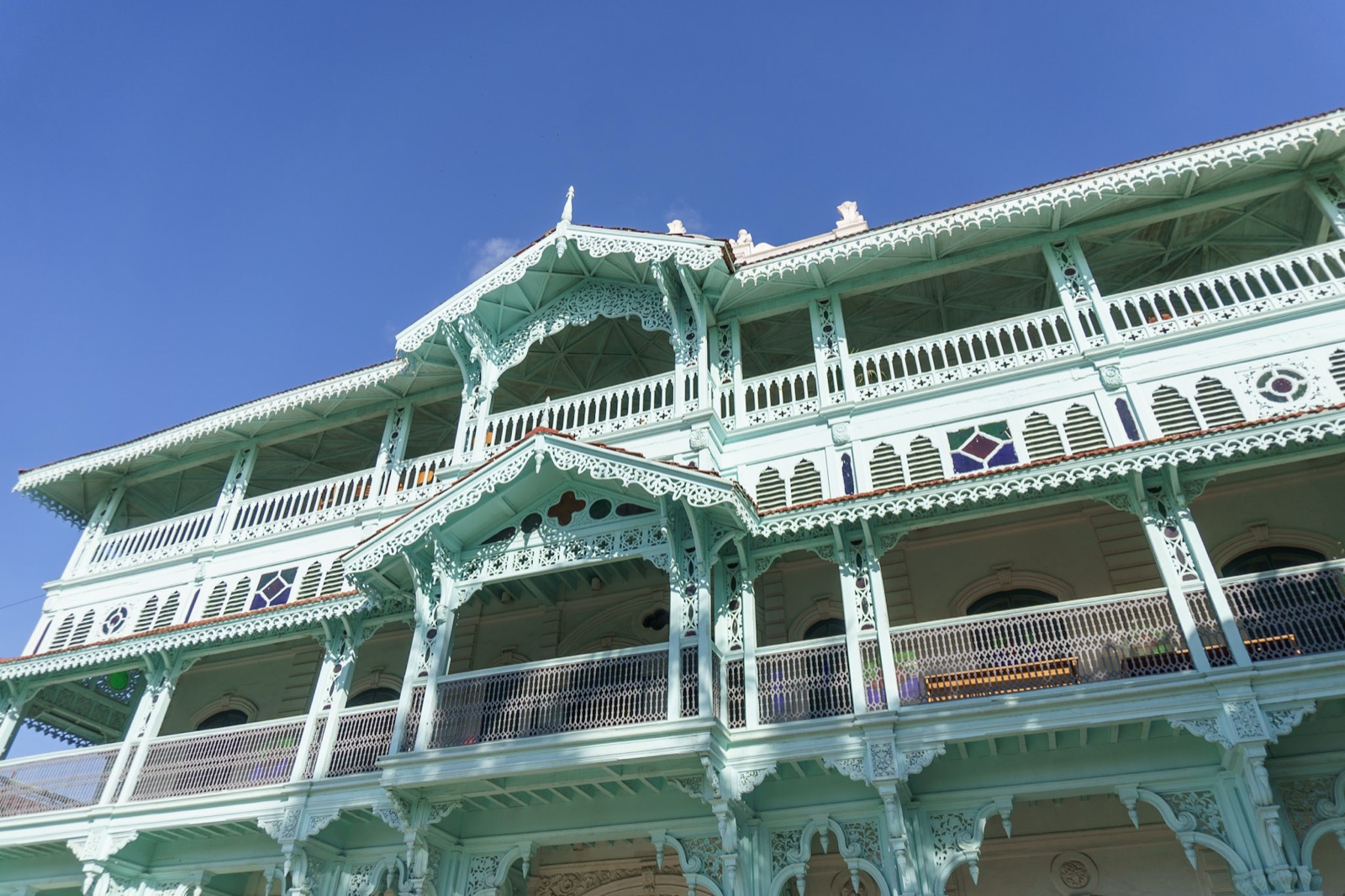
- Zanzibar was the world's largest clove producer by the 1870s; the Sultanate's wealth built the House of Wonders (first building in East Africa with electricity, 1883) and most of Stone Town's grandest architecture
- The Old Fort now hosts live music some evenings and a small tourist market; admission USD 3; the interior courtyard hosts the Zanzibar International Film Festival (ZIFF) annually
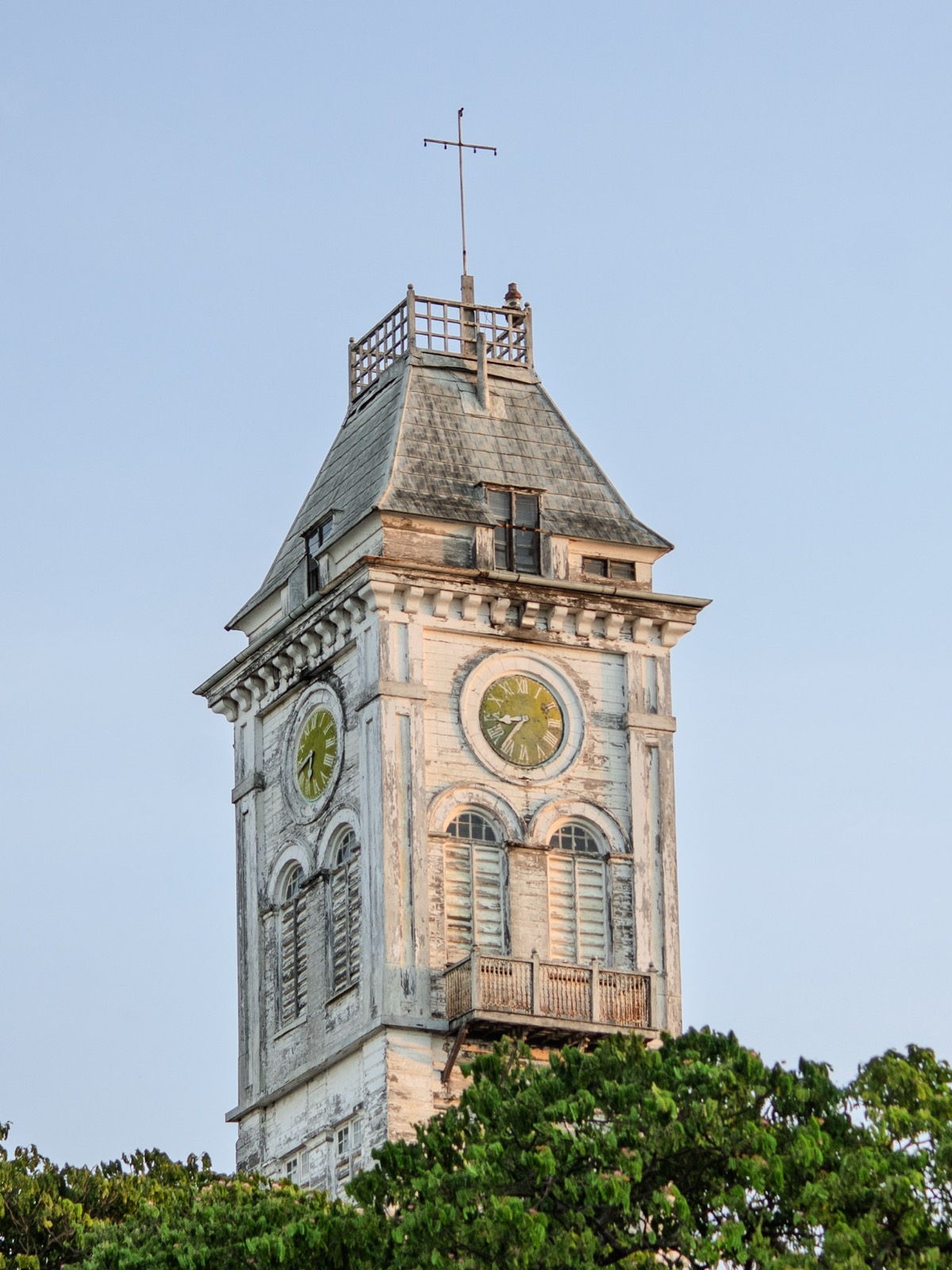
- The clock tower visible across Stone Town was built in the British colonial era; the seafront Beit el-Ajaib (House of Wonders) next to the fort is under renovation as a Maritime Museum
Prison Island (Changuu) — giant tortoises and a complicated past
- Changuu Island lies 5.6 km northwest of Stone Town — a 20-minute boat ride; round-trip boat USD 30–40, island entry USD 4
- Built c.1860 as a slave holding facility but functioned primarily as a British quarantine station after 1893; the prison was never used as a prison
- Home to Aldabra giant tortoises; as of November 2024 visitors are no longer allowed to touch or feed them — conservation policy update; observation is still excellent
- The snorkelling around the island is good on calm days; bring your own mask or rent from the boat
- Best combined with a morning in Stone Town; ferry operators sell combined deals but you can also arrange the boat directly from the port steps
The doors of Stone Town
Stone Town has over 500 documented carved wooden doors — one of the densest concentrations of decorative carved woodwork in the world. They are the most visible physical record of who built this city and where their traditions came from.
Two main styles exist, and once you know the difference, you'll see it on every street:
- Omani/Arabic style: square-topped doorframes, more restrained carving, chain and geometric patterns. The chains traditionally symbolised prosperity and security. These are the older doors, built by the Omani ruling class from the early 18th century.
- Indian/Gujarati style: arched tops, elaborate surface carving, and — most distinctively — brass studs. The brass studs are often said to be defensive spikes (to stop war elephants from ramming), but this function was largely symbolic by the time they appeared in Zanzibar. They became a status marker: the more studs, the wealthier the merchant. Indian traders built these doors on the houses they established in the 19th century as the clove economy boomed.
- Swahili/local variations: fish motifs carved into door panels (fish = peace and good luck in Swahili coastal tradition); lotus flowers; Arabic Quranic verses carved into lintels.
The best concentration of doors is in the streets north of the Old Fort toward Kelele Square and in the alleys off Gizenga Street. The most photographed door in Stone Town — a towering Indian-style double door with hundreds of brass studs — is on Baghani Street. It is almost always photographed with a queue in front of it; go early morning to get it alone.
The STCDA (Stone Town Conservation and Development Authority) has been restoring doors since the 1990s. Some have been lovingly preserved; others have been replaced with modern imitations. If the wood looks too clean, it probably is.
Where to eat — from market stalls to rooftops
Stone Town's food culture reflects its trading history: Swahili coastal seafood, Indian spicing, Arab rice dishes, and Portuguese-era fruit and bread traditions all coexist. The best meals are not in hotels.
Forodhani Gardens Night Market
The seafront market opens around 6pm–9pm daily beside the Old Fort. Vendors arrive at dusk, set up gas grills, and cook to order — it's the most social food experience in Zanzibar and one of the cheapest. Key dishes:
- Zanzibar pizza: not actually pizza. A thin flatbread made on a griddle, then folded around a filling of eggs, spiced meat or vegetables, and sometimes cheese. Around 2,000–5,000 TZS depending on filling.
- Urojo (Zanzibar mix): a tamarind-coconut broth served with bhajia (fritters), potatoes, and sometimes meat. The city's most distinctive dish.
- Grilled seafood: octopus, lobster, fish, and prawns grilled over charcoal and served with rice. Prices are negotiated — ask before ordering, and agree on the price in TZS not dollars.
A full meal including drinks costs 10,000–20,000 TZS (USD 4–8). This is genuinely good food at market prices — don't skip it for a restaurant.
Darajani Market
Stone Town's main covered market is on Creek Road, a 15-minute walk from the Old Fort. It opens from early morning and is most active before noon. The seafood section is worth seeing: enormous fish, octopus, lobster, and reef catches brought in from the harbour. The spice section has cloves, cinnamon, cardamom, vanilla, and dried seaweed sold by weight. Local restaurant meals near the market run 18,000–20,000 TZS.
Sit-down options worth knowing
- Lukmaan Restaurant: Stone Town institution for over 20 years. Rice-and-curry lunch service in a no-frills room off Gizenga Street. Arrive before 1pm. One of the most authentic local meals in the city.
- Emerson Spice rooftop: taarab music performances at dinner (check schedule), rooftop setting above the old quarter, around USD 50 per person for the full evening. Book ahead.
- The Terrace at Tembo House Hotel: seafront terrace, good for sundowners and seafood, mid-range pricing.
Practical — how to do Stone Town well
When to go
Stone Town works year-round but has two distinct rhythms. Morning (before 10am) is the best time for photography — the alleyways are in light before the sun flattens, vendors are setting up, and cruise ship passengers haven't arrived yet. Late afternoon into evening is the best time for being in the city — temperatures drop, the seafront fills up, and the Forodhani market opens. Midday in Stone Town (11am–3pm) is genuinely hot and uncomfortable; use that time for a long lunch or a nap.
Getting around
Stone Town's alleys cannot fit cars. Walking is the only way to explore. The area is dense enough that you can walk from the ferry terminal to the Old Fort in five minutes — the entire heritage zone is walkable in 30 minutes end-to-end. Getting deliberately lost in the alleys north of Gizenga Street toward Malindi is the best way to find doors, small mosques, and the least-touristy version of Stone Town. Carry a screenshot map because data can drop in the narrow lanes.
Where to stay
The character of Stone Town translates into boutique hotels in converted Omani merchant houses. Budget options exist from USD 30–50/night; mid-range heritage hotels run USD 100–200; the Park Hyatt Zanzibar (on the seafront) is USD 300–500. Staying within the old quarter puts you close to everything — and close to the muezzin at 5am. If you're a light sleeper, ask specifically for a quieter room or check reviews for noise levels before booking.
Freddie Mercury
Freddie Mercury (born Farrokh Bulsara, 5 September 1946) is the most internationally known figure associated with Stone Town. The "Mercury's House" on Khumalo Road near Kelele Square is marketed as his birthplace — now a boutique hotel. The historical record is murkier: some sources suggest he was actually born in Pemba Island. He lived in Zanzibar until his family moved to Bombay when he was around eight years old. Whether or not that specific house is the precise birthplace, Mercury's early life in Zanzibar is not in dispute.
Taarab music
Taarab originated in Zanzibar in the 1880s under Sultan Barghash, who brought an Egyptian musician to establish a court orchestra. The style blends East African, Arabic, and Indian influences — stringed instruments, call-and-response vocals, Swahili lyrics typically about love and social commentary. Live taarab is now mostly found at cultural performances (Emerson Spice, Old Fort events) and at weddings. The Zanzibar International Film Festival (ZIFF) in late June/July includes taarab evenings.
Stone Town — questions answered
How long do you need in Stone Town?
Most visitors see the essential Stone Town in one full day — morning at the Anglican Cathedral and Old Fort, lunch at Darajani Market or Lukmaan, afternoon door-spotting walk through the alleys, and evening at Forodhani. Two days gives time for Prison Island, a spice tour, and slower mornings. Three days is only necessary if using Stone Town as a base for island logistics.
Is Stone Town safe to walk around?
Stone Town is broadly safe for daytime walking — the vast majority of visitors walk the alleys alone without incident. Standard precautions apply: keep valuables out of sight, be alert around the port and Forodhani at night (petty theft has been reported), consider a guide for evening exploration. The alleys are genuinely maze-like; getting lost is part of the experience, not a danger.
What are the entry fees for Stone Town attractions?
Most of Stone Town is free to walk. Individual attraction fees: Anglican Cathedral USD 3–5 (includes guided walk); Old Fort USD 3; Palace Museum USD 3; Hammami Persian Baths USD 3. Prison Island requires a boat (USD 30–40 return) plus USD 4 entry. A private guided walking tour costs USD 15–20 per person.
Where was Freddie Mercury born in Stone Town?
Freddie Mercury (born Farrokh Bulsara, 5 September 1946) is recorded as born in Stone Town. The most cited location is the Kelele Square area; "Mercury's House" on Khumalo Road is marketed as his birthplace but its authenticity is debated — some sources suggest Pemba Island instead. He lived in Zanzibar until moving to Bombay at around age eight.
What is the Forodhani Night Market?
Forodhani Gardens Night Market opens around 6pm–9pm daily on the seafront beside the Old Fort. Vendors grill seafood (lobster, octopus, fish, prawns), make Zanzibar pizza (thin flatbread with eggs and spices), and sell Urojo soup. A full meal costs 10,000–20,000 TZS (USD 4–8). One of the cheapest good meals in Stone Town.
Can you do a spice tour from Stone Town?
Yes. Half-day spice tours depart from Stone Town daily, visiting working spice plantations in the central interior (~30–40 min drive). Cost is approximately USD 30–40 per person including a farm guide and usually lunch. You see and smell cloves, vanilla, cinnamon, cardamom, and other crops growing. Book through your hotel or directly with operators at the Old Fort.
Explore more of Zanzibar

Tim Hennig, General Manager, Boutique Hotel Matlai, Michamvi Pingwe, Zanzibar.
I live and work on Zanzibar's east coast year-round — managing Matlai, diving the reefs, watching the seasons. If you have a question the guides don't answer, I'm happy to help.
Get in touch