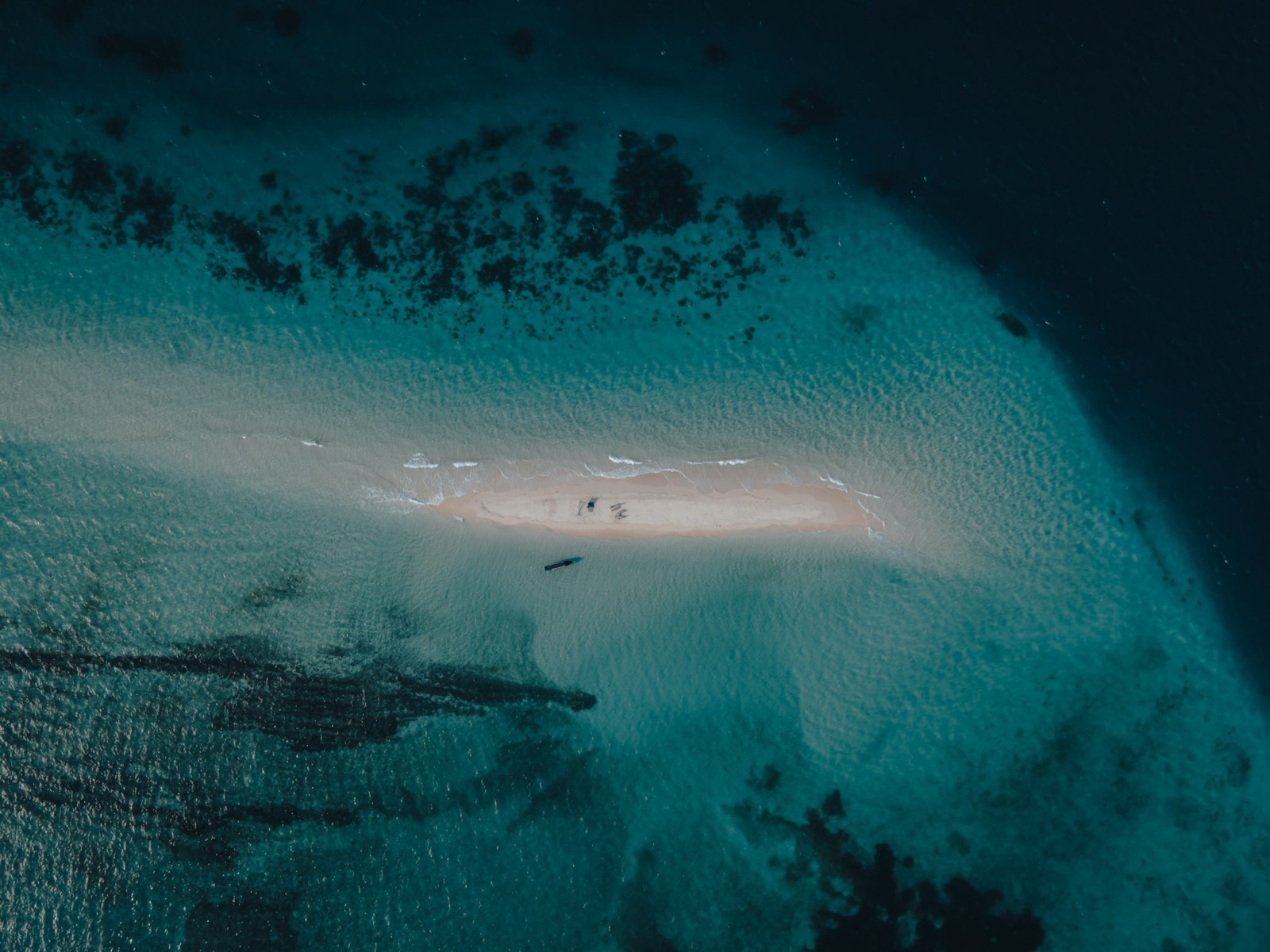
Pemba Island
Eighty kilometres north of Zanzibar's main island, barely on the tourist map, and rated by divers who know East Africa as one of the best wall-diving destinations on the planet. Visibility to 60 metres. An endemic flying fox colony. Almost no other tourists. Here is what Pemba actually is and how to get there.
Tim Hennig — Zanzibar Archipelago
| Pemba Island — at a glance | |
|---|---|
| Location | 80 km north of Unguja · 124 km from ZNZ airport · Pemba Channel (deep, strong currents) 1 source |
| Getting there | 3 daily flights ZNZ→PMA, 30 min · ferry available but 6–8+ h, rough seas 2 sources |
| Diving | 30–60 m visibility · western sites intermediate · eastern/southern expert-only (currents) 2 sources |
| Coral health | 26% average hard coral cover, western reefs (CORDIO EA 2019) — declining but above regional avg 1 source |
| Ngezi Forest | 1,440 ha Reserve · Pemba flying fox colony 25,000–27,000 individuals (2024) 2 sources |
| Flying fox | Pemba flying fox (Pteropus voeltzkowi) — endemic, Vulnerable, nowhere else on Earth |
| Tourism level | Very low — a handful of dive lodges; no resort hotels; no mass beach tourism |
| ZIC insurance | Required since 1 Oct 2024 for all foreign visitors to Zanzibar including Pemba |
| Best for | Expert diving · ecotourism · off-grid travel · endemic wildlife |
Last verified: August 2026
Diving — Pemba's primary draw
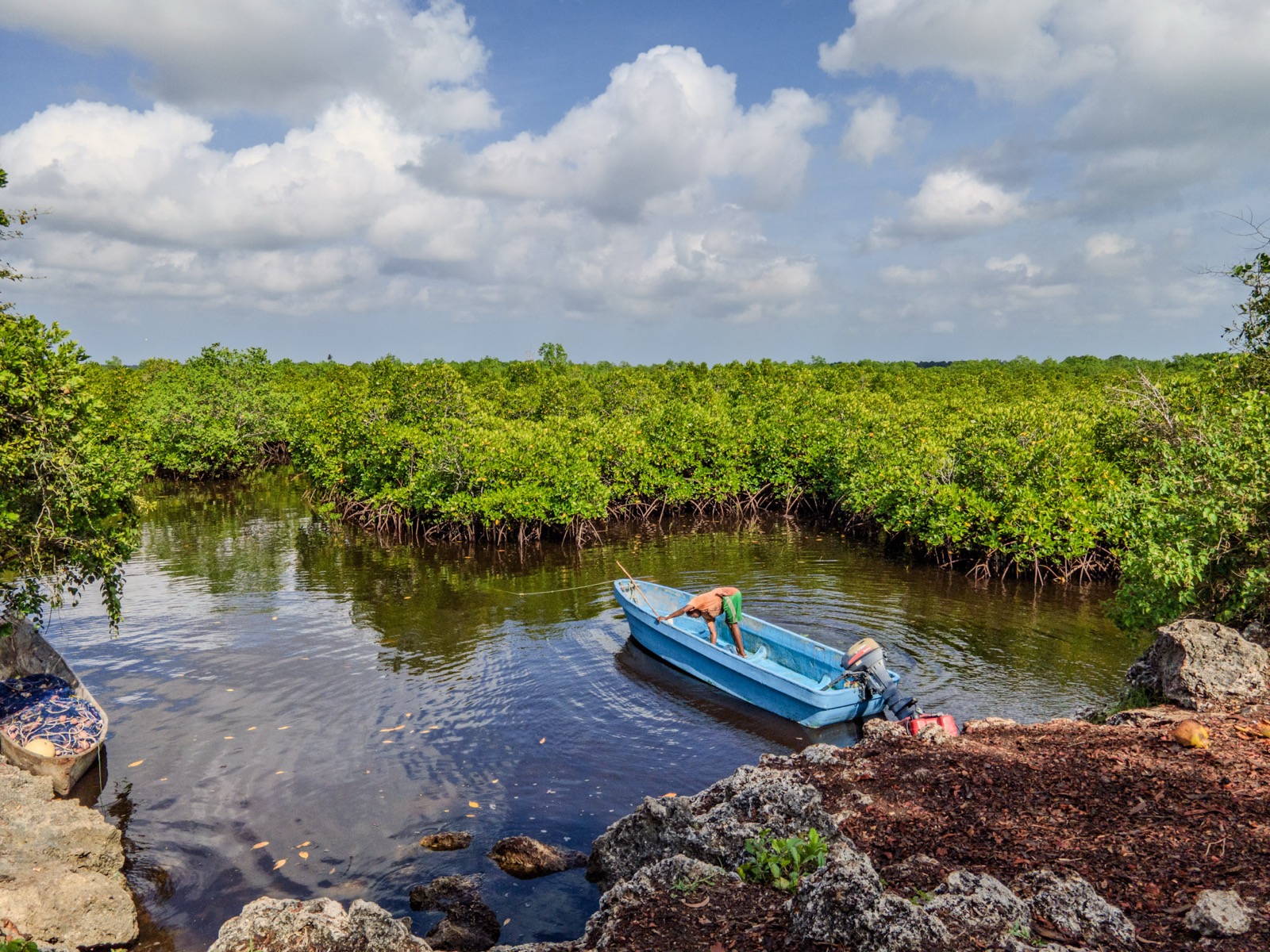
Western walls — intermediate diving with exceptional visibility
- Diving visibility on Pemba's western reefs typically reaches 30–60 metres — among the highest in the Indian Ocean, driven by the clear deep water of the Pemba Channel
- The western dive sites include wall drops, coral gardens, and channels with manageable current; these are rated appropriate for intermediate and above divers
- Fish abundance on Pemba's western reefs has declined significantly between 2009 and 2019 according to CORDIO EA scientific surveys (12 SCUBA sites) — a documented trend attributed to increased fishing pressure
- Hard coral cover averaged 26% on western reefs in the 2019 survey — below historic levels but above many degraded Indian Ocean reef systems; the eastern reefs have not been surveyed as thoroughly
- Dive operators are based primarily around the lodges on the western coast (Manta Reef Lodge and others); multi-day diving packages are the standard format — day visitors from Unguja are rare
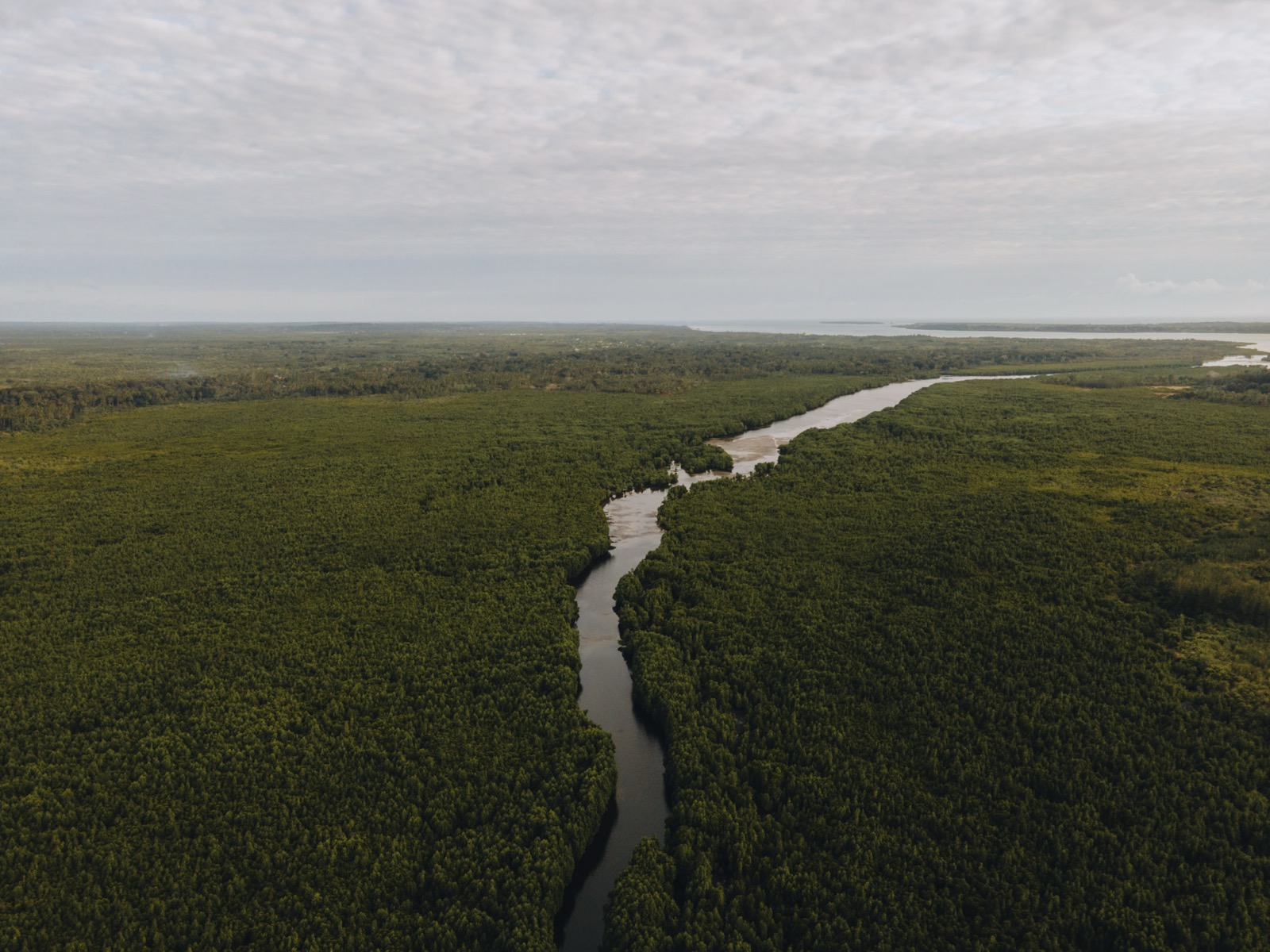
Eastern & southern sites — expert-only (strong currents)
- The eastern and southern dive sites of Pemba are rated <strong>expert-only</strong> — the Pemba Channel generates strong and unpredictable currents on these exposed sides of the island
- DANSA (Diving Association of Non-profit Sport & Adventure) dive safety ratings classify these sites as requiring advanced current-diving experience; a strong drift can separate a diver from a buddy or carry them to open ocean
- For appropriately qualified divers, the eastern sites offer outstanding pelagic encounters — the channel current brings in large schools of fish, sharks, and occasionally whale sharks (seasonal)
- Misali Island, off the western coast of Pemba, has significant marine conservation significance: the Hifadhi ya Bahari ya Misali (Misali Island Marine Conservation Area) protects nesting sea turtles — green turtles outnumber hawksbill in nesting counts
- Responsible dive operators will assess diver certification and experience before taking guests to expert-only sites; this is a genuine safety matter, not bureaucracy
Ngezi Forest Reserve — endemic bat colony
The Ngezi Forest Reserve covers 1,440 hectares in the northwestern corner of Pemba Island. Established in the 1950s, it is the largest remaining area of indigenous forest on the island and a critical habitat for Pemba's endemic wildlife.
The headline attraction is the Pemba flying fox (Pteropus voeltzkowi) — a large fruit bat endemic to Pemba Island. It exists nowhere else in the world. A 2024 population estimate placed the total at 25,328–27,412 individuals. The flying foxes roost in large colonies in the forest canopy during the day; at dusk they leave to forage — the departure of thousands of large bats against the sky is a remarkable sight.
In 2025, botanists found a stand of rare Intsia bijuga trees in the mangrove margin of Ngezi — a significant conservation discovery (reported by Mongabay, February 2025).
The forest also has:
- Pemba scops owl (Otus pembaensis) — endemic to Pemba, nocturnal, vocal at dusk
- Pemba green pigeon (Treron pembaensis) — endemic
- African skimmer and other coastal birds along the mangrove margins
- Green and hawksbill sea turtles nesting on the beaches adjacent to the reserve
Entry to the forest is via the TANAPA-administered visitor facility at the Ngezi entrance. A guide is required for the forest walk. The main loop takes approximately 2–3 hours; a longer trail is available for serious birders.
Getting to Pemba and what to expect
Flights from Zanzibar
The standard approach is by light aircraft: approximately 3 direct flights per day between Zanzibar (ZNZ) and Pemba (PMA). Flight time is approximately 30 minutes; distance is 124 km (77 miles). Operators include Coastal Aviation and others. Book ahead during peak season (June–October) as the small aircraft fill quickly.
Ferry services exist but take 6–8 hours or more depending on sea conditions. The Pemba Channel is open ocean and can be rough; seasickness on the ferry is common. For most visitors, the time-cost of the ferry makes the flight the clear choice.
Accommodation and diving packages
Pemba's accommodation is almost entirely diving-oriented. Multi-day packages (3–7 days) combining accommodation, meals, and dives are the standard format. Day visitors from Unguja are rare — the logistics make it impractical for a day trip. If you're going to Pemba, stay at least 3 nights to justify the journey and get enough dives in to make the trip meaningful.
ZIC insurance
From 1 October 2024, all foreign visitors to Zanzibar — including Pemba Island — are required to purchase ZIC (Zanzibar Insurance Corporation) travel insurance at USD 44 for adults (USD 22 for children, free for under-3). This applies on entry at Pemba airport as well as Unguja. The insurance covers medical evacuation, which is particularly relevant on Pemba given its distance from advanced medical facilities.
What Pemba is not
It is worth being explicit: Pemba is not a beach resort island. There are no white-sand beach hotel strips, no beach bars, no Forodhani-style night markets, and no tourist infrastructure beyond what the small number of dive lodges provide. People who go expecting a "quieter version of Zanzibar" sometimes find the lack of amenities frustrating. The appropriate expectation is: remote, diving-focused, ecotourism-oriented. If that is what you want, Pemba will exceed your expectations.
Pemba Island — questions answered
How do you get to Pemba Island from Zanzibar?
Approximately 3 daily flights from Zanzibar (ZNZ) to Pemba (PMA), 30 minutes, 124 km. Book ahead in peak season. Ferry available but takes 6–8+ hours in open sea conditions — most visitors fly.
Is Pemba good for diving?
Yes — ranked among East Africa's best. Western sites: 30–60 m visibility, suitable for intermediate divers. Eastern and southern sites: expert-only due to strong Pemba Channel currents. Multi-day dive packages are the standard format from resident operators.
What is the Pemba flying fox?
An endemic fruit bat (Pteropus voeltzkowi) found only on Pemba Island — nowhere else in the world. Listed as Vulnerable. 2024 population estimate: 25,328–27,412 individuals. The dusk departure of the Ngezi Forest colony is one of East Africa's more spectacular wildlife events.
Is Pemba touristy?
No — very limited infrastructure. A handful of dive lodges, no resort hotels, no mass beach tourism. The appeal is precisely the absence of tourist infrastructure. If you want resort amenities, Pemba is not for you; if you want diving, endemic wildlife, and almost no other tourists, it is.
Do you need ZIC insurance for Pemba?
Yes — from 1 October 2024, all foreign visitors to Zanzibar including Pemba must purchase ZIC insurance at USD 44 for adults (USD 22 children, free under-3). It covers up to 92 days. Applies on entry at Pemba airport.
More Zanzibar island planning

Tim Hennig, General Manager, Boutique Hotel Matlai, Michamvi Pingwe, Zanzibar.
I live and work on Zanzibar's east coast year-round — managing Matlai, diving the reefs, watching the seasons. If you have a question the guides don't answer, I'm happy to help.
Get in touch