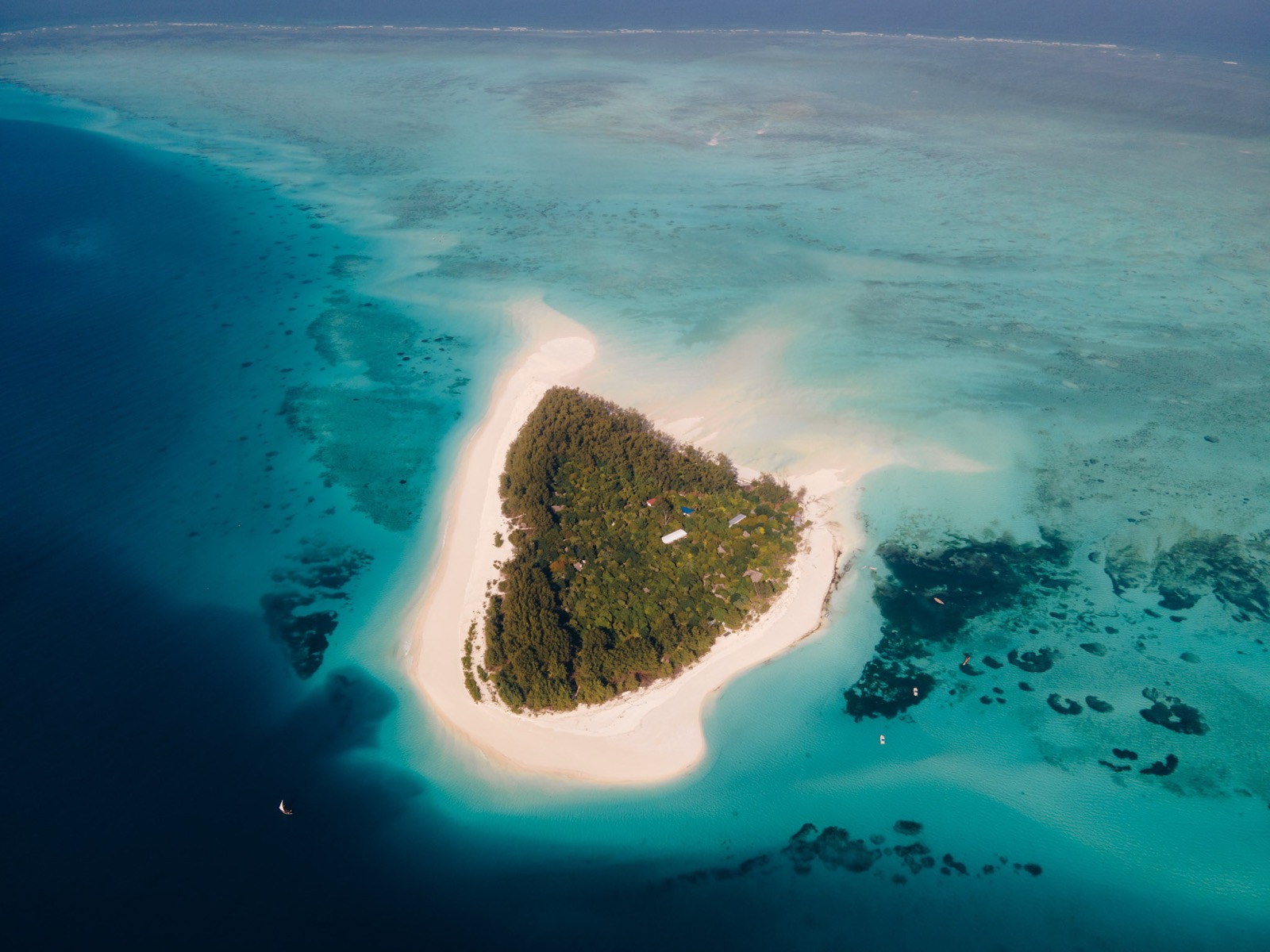
Where the wild meets the sea.
Expert guides to safari and Zanzibar — from the Serengeti to the Indian Ocean.
The journey, by someone who lives where it ends
Most Tanzania & Zanzibar advice is written from a desk in Europe. WildToSea isn’t. It’s written from Michamvi Pingwe, on Zanzibar’s east coast — measured tide times, real transfer durations, and the seasons as they actually arrive.
- 460+ expert guides
- 31,000+ sourced facts
- East-coast resident year-round
- Long rains: Mar–May; short rains: Nov–Dec; dry: Jun–Sep
- mid-December to mid-March; June to mid-September
- mid December to mid March; and June to mid September
- Effective 1 Oct 2024; USD 44/adult; 92 days; QR code at immigration
- Some airlines have the ZIC insurance system integrated and check proof at the departure check-in counter — before you reach Zanzibar.
- USD 50 single-entry for most nationalities; USD 100 for US citizens (multiple-entry, 12-month).
- twice-weekly year-round service from Johannesburg to Zanzibar on 3 June 2026
- Flight ~20 minutes; fast ferry (Azam Marine / Kilimanjaro Fast Ferries, Bakhresa) to Stone Town
- 90–120 min crossing; ~4 daily departures; USD 35–100 depending on class (live 2026-09-14); Azam Marine + Zan Fast Ferries operate
- USD 110 for 2 dives; gear, snacks, water included
Begin in the bush
The Serengeti is not one safari but a year-round loop. We tell you where the herds actually are each month, which park suits a first trip, and how to read a quote so you pay for the right thing — not the marketing.
Plan a Tanzania safari →End on the Indian Ocean
Then the slow exhale of the east coast. The tides here pull back a kilometre by midday — a feature, not a flaw, once you know the rhythm. We live on this coast, so the advice is the kind you’d get from a friend who’s already here.
Discover the east coast →Four ways in
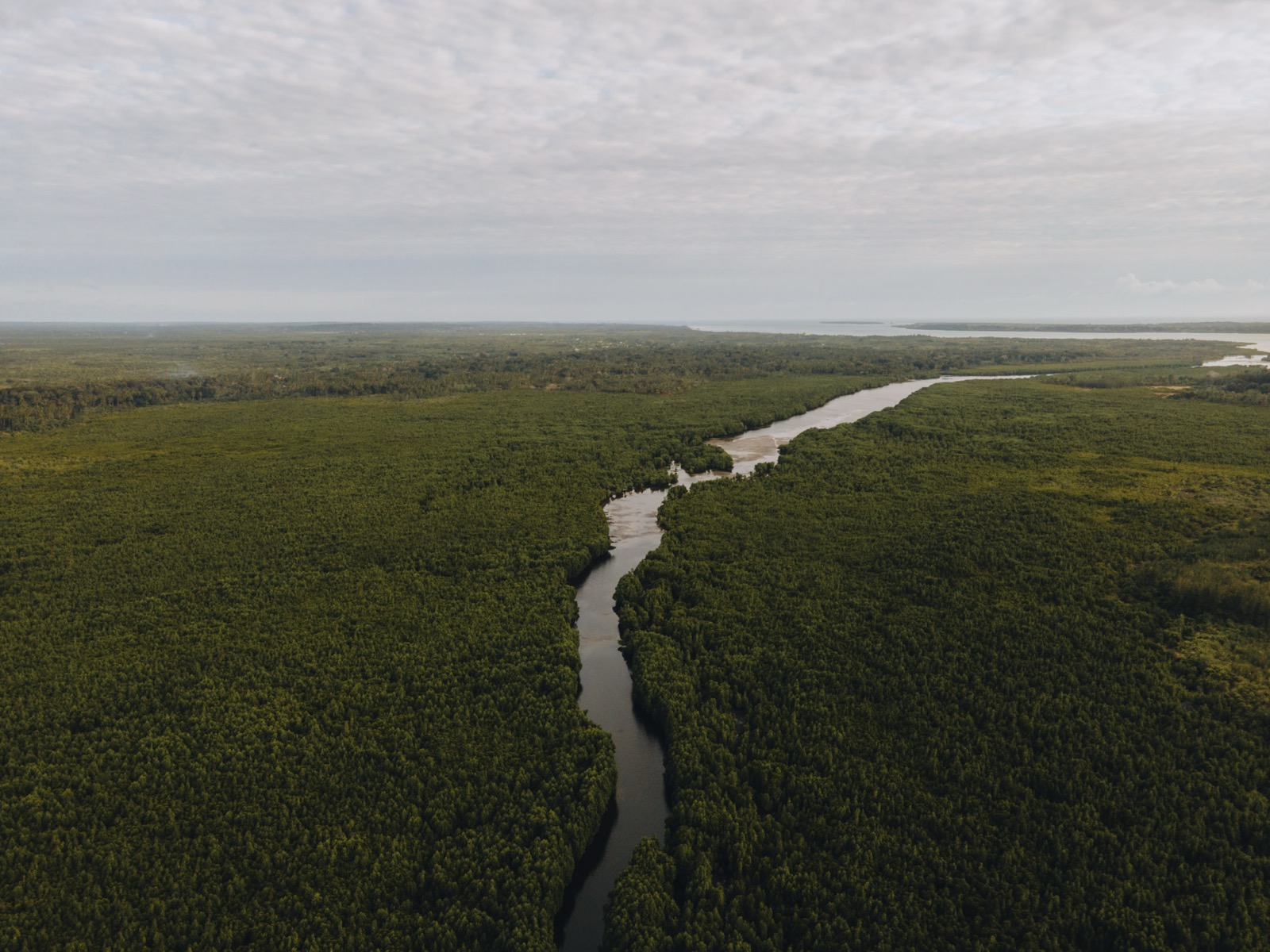
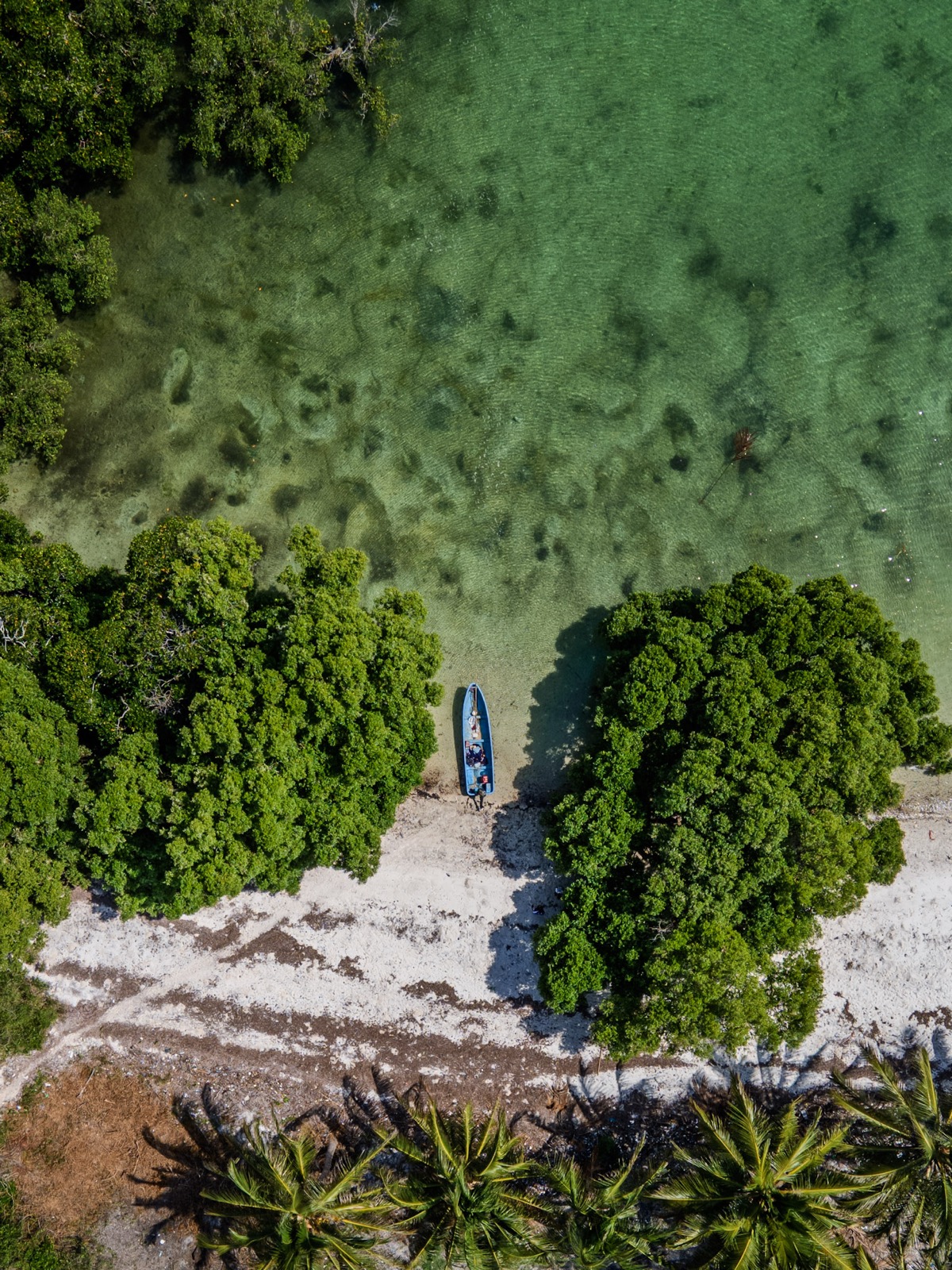
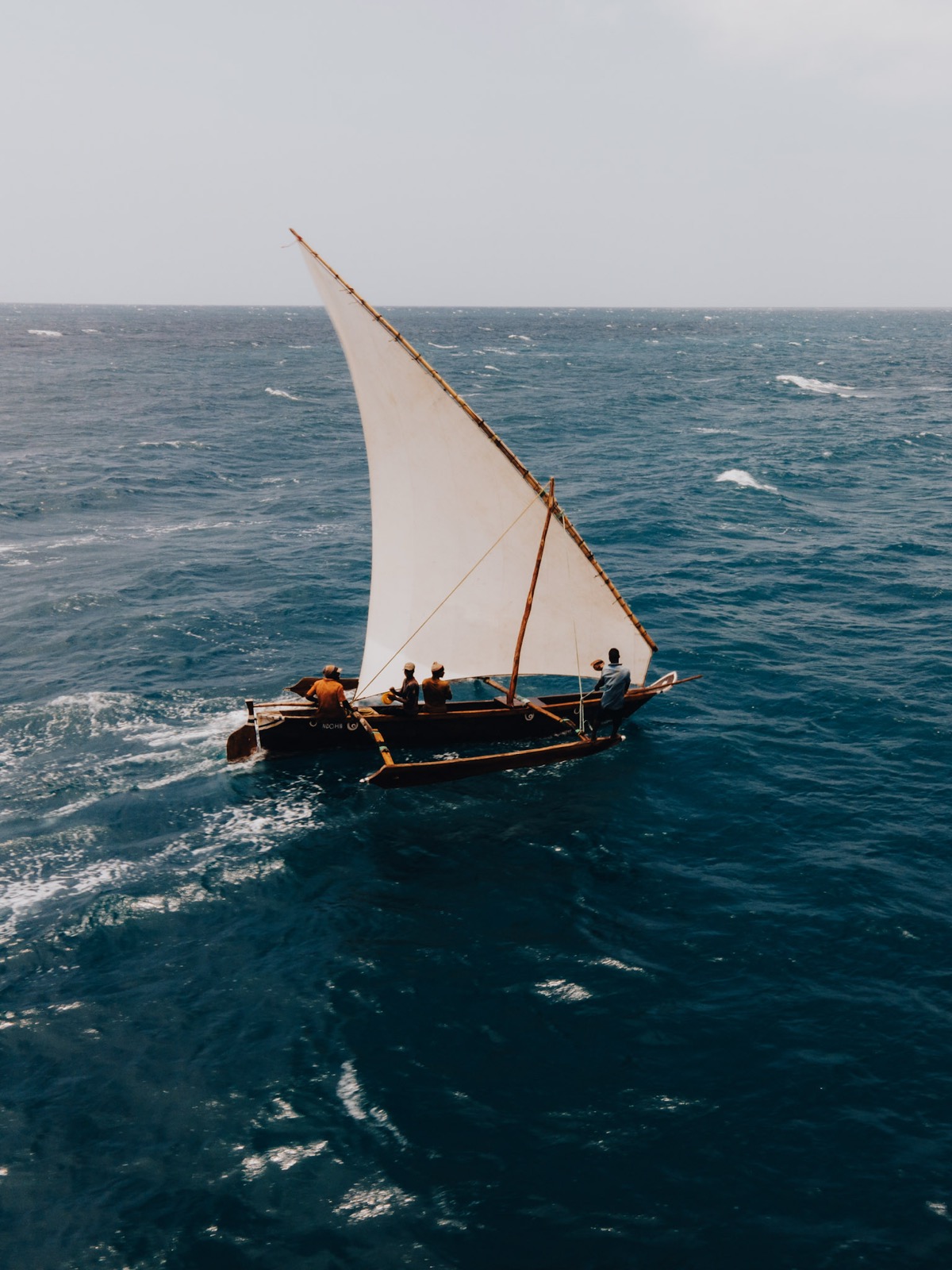
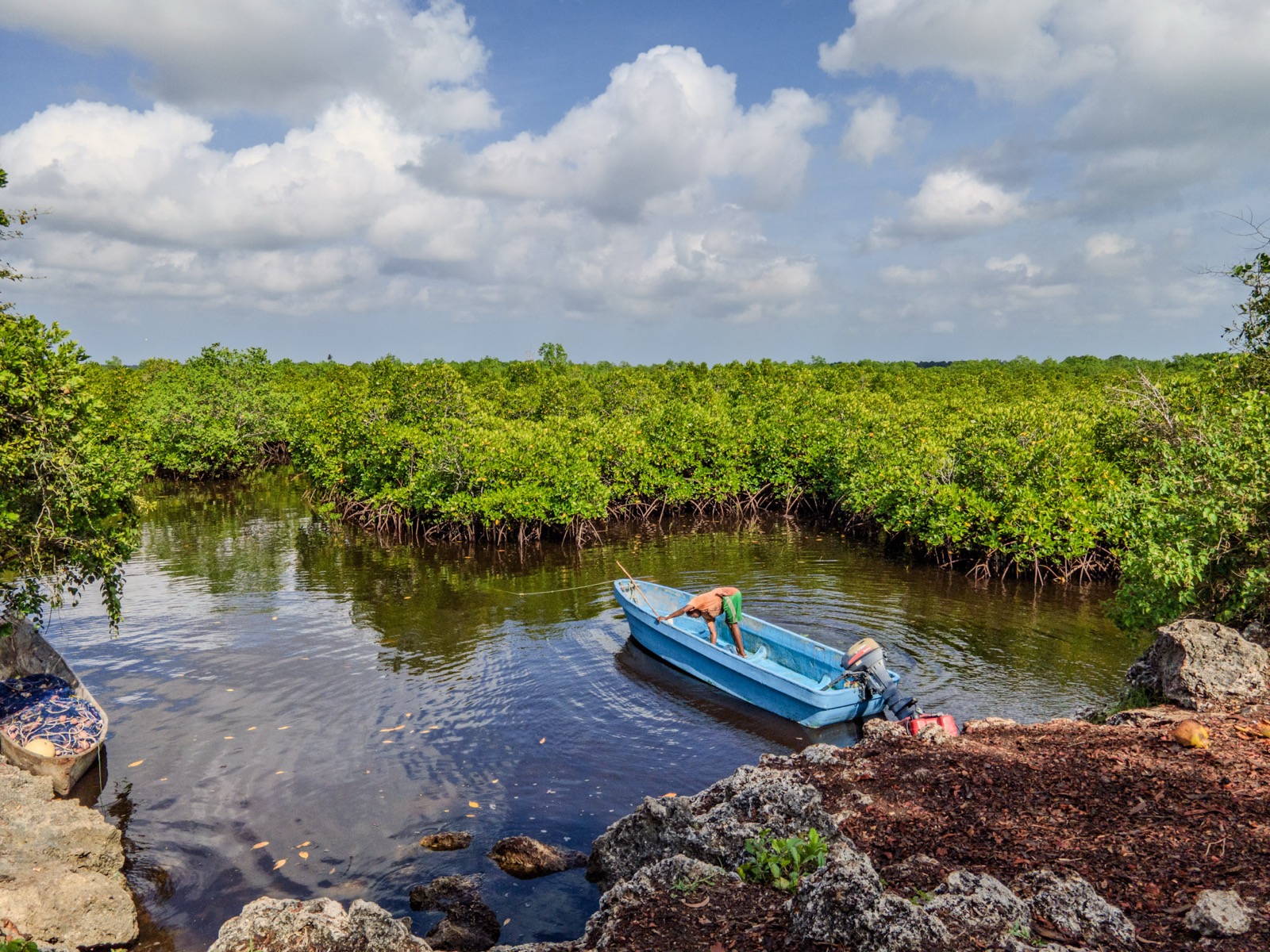
“On Michamvi’s east coast the tide pulls back almost a kilometre by midday — walk out, and the ocean floor becomes a mirror. It’s the part of Zanzibar the brochures never get right.”
— Tim Hennig, Michamvi Pingwe
Ready to plan the trip?
Bush, beach, or both — start with the guides, then ask the questions that matter.
Plan your trip