Paje
Zanzibar's kitesurfing capital — two wind seasons, a lagoon tidal flat that doubles as a kite learning area, and a beach scene that sits somewhere between backpacker and boutique. The tides matter here. Check them before you go.
Tim Hennig — Zanzibar East Coast
| Paje — at a glance | |
|---|---|
| Location | 49 km SE of Stone Town · east coast · approximately 45–60 min by car 2 sources |
| Kite seasons | Kusi: June–October (peak July–Aug) · Kaskazi: January–March 2 sources |
| Kite lesson cost | 3-day beginner course + IKO certification USD 350–500 (9–12h) · board rental ~USD 20+/day 2 sources |
| Tides | East coast tidal range 2.5–3.5 m — check tide chart for swimming windows 2 sources |
| Best swim time | High tide — water is clear, sandbar swimmable; low tide exposes lagoon flat and seagrass |
| Paje to Jambiani | 10 km, approximately 10 minutes — Jambiani is quieter, similar landscape |
| Accommodation | Range from budget guesthouses to mid-range boutique; Amani Boutique Hotel from ~EUR 252 |
| Best for | Kitesurfing · budget/mid-range base · access to east coast + Jozani |
Last verified: August 2026
Kitesurfing in Paje
Two seasons, consistent wind, shallow learning lagoon
- Kusi season (June–October) is the most consistent for beginners — predominantly side-shore south-east trade winds, strongest July–August; KiteCentre Zanzibar recommends mid-June to mid-October for beginners
- Kaskazi season (January–March) offers north-east trades — less consistent but good in peak months, notably January–February
- Mid-November to mid-December is the least reliable period for kite; Paje is not recommended for kite trips in this window
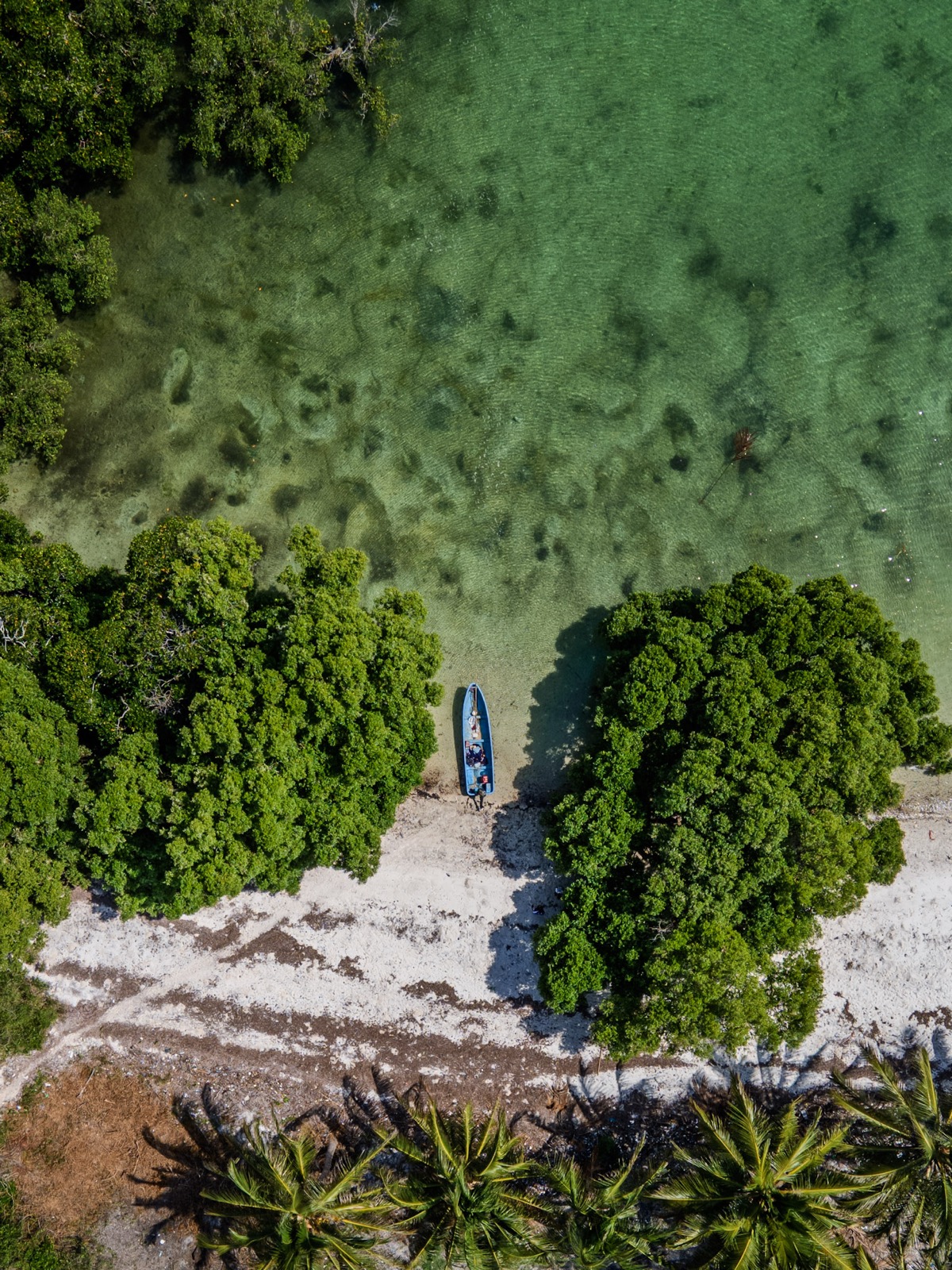
- The east coast lagoon at low tide creates a shallow kite-safe zone separate from swimmers — a natural advantage for learners, as falling in shallow water is less intimidating than open ocean
- Main kite schools: Aquaholics Zanzibar, KiteCentre Zanzibar, Zanzibar Kite Paradise — all operate directly on the beach

What kite lessons cost and what you get
- 3-day beginner course including IKO certification: USD 350–500 for 9–12 hours — this is the most commonly cited package price across Paje schools
- Board rental for independent kiters: approximately USD 20–25 per day depending on board size and rental duration
- Semi-private lessons are available and priced per session — ask operators directly for current rates
- Accommodation and kite packages exist at several Paje guesthouses — useful if you're here specifically for a course, as transport between accommodation and the kite school is minimal
- Paje village proper has a small market, restaurants, and seaweed farming operations — the east coast has a working fishing community alongside the kite scene
Tides — the essential east coast reality
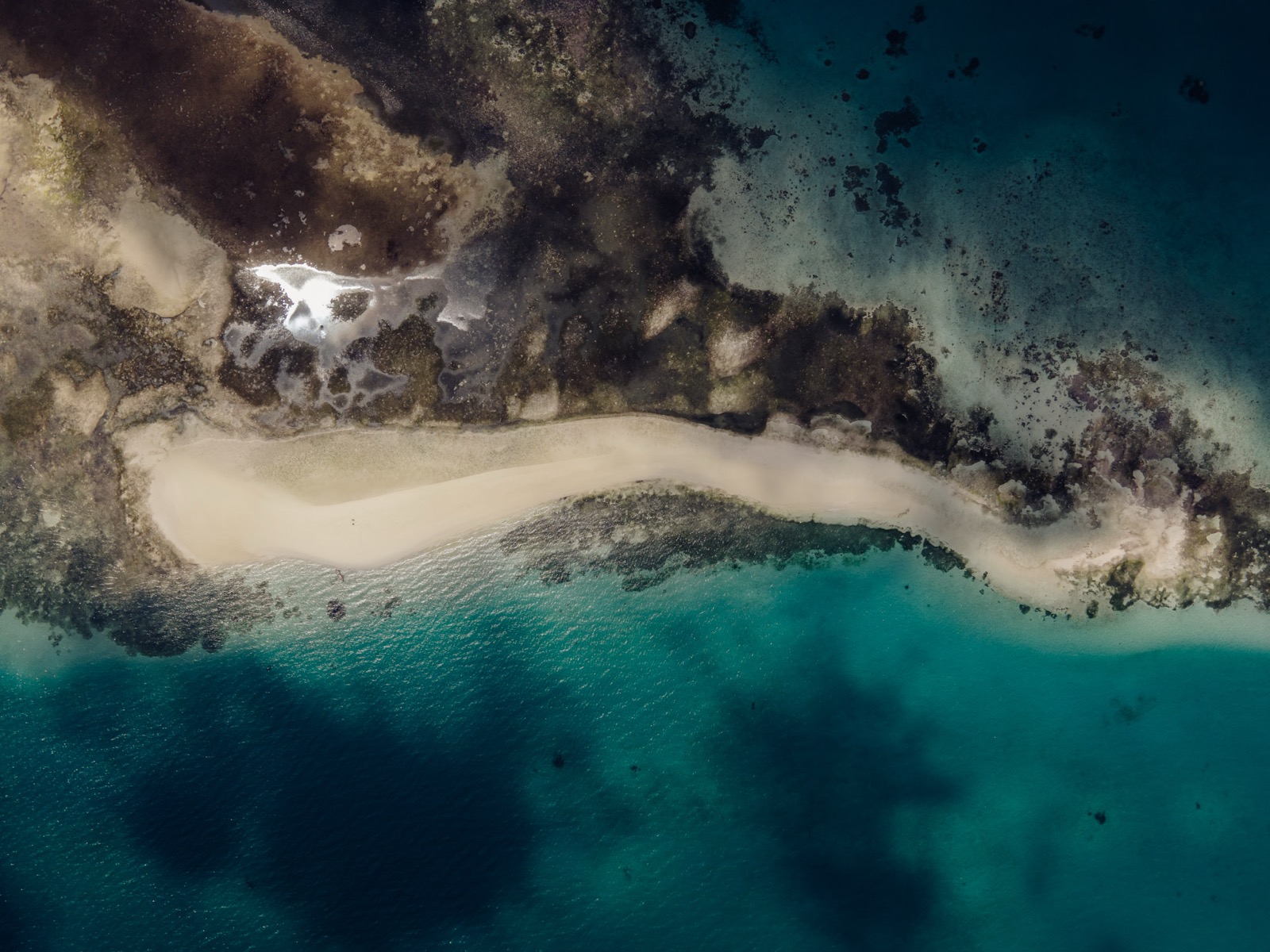
The east coast of Zanzibar has a tidal range of 2.5–3.5 metres — one of the most significant on the island. At low tide, the lagoon drains substantially, exposing seagrass beds, reef flat, and sometimes large areas of sand and mud. The water at the lowest tides can be knee-to-thigh deep for hundreds of metres.
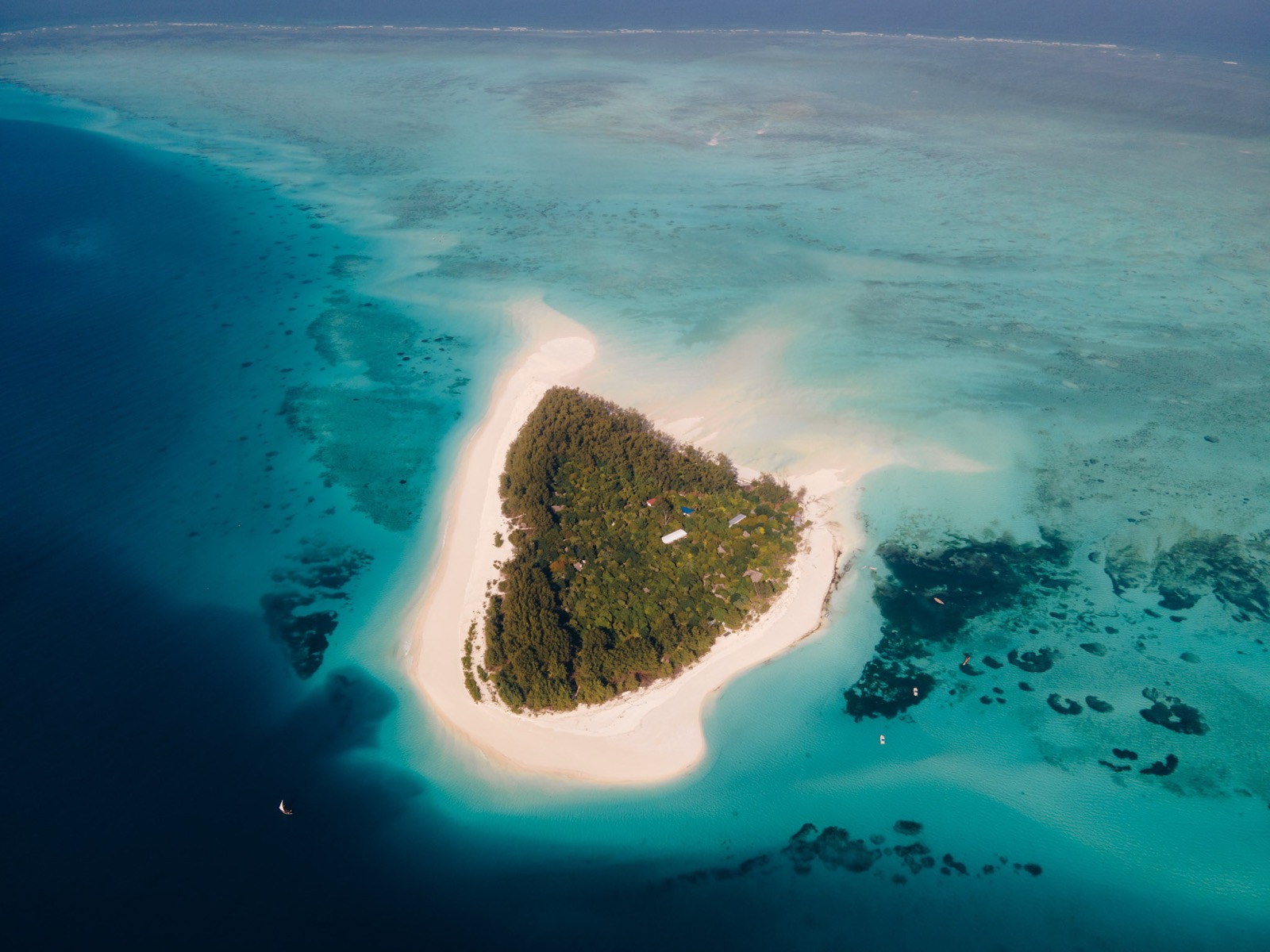
At high tide, the same beach transforms: the water rises to the edge of the sand, the lagoon fills with clear turquoise water, and the swimming is excellent — often better than the north coast in terms of reef colour and wildlife. High tide on the east coast is one of Zanzibar's best swimming and snorkelling experiences.
The practical rule: plan your beach time around high tide windows, which shift by approximately 45 minutes each day. Most hotels in Paje will tell you the day's tide times. If you're arriving for a specific day with swimming as the priority, check tides before you book activities.
Water shoes are recommended for walking on the reef flat at low tide — sea urchins are present in the seagrass and on the outer reef edges.
For kiters, the low tide lagoon is not a problem — it is actually useful as a shallow, protected learning area. For everyone else, timing matters.
Paje village and practical info
Paje village is a real east-coast fishing community with a tourism layer on top. The beach strip has restaurants, kite schools, dive operators, and accommodation; five minutes' walk inland is a quieter world of coral-stone houses, a small mosque, and local shops. It is not a party town — the scene is social around kite schools in the day, quieter in the evening than Nungwi or Kendwa.
Getting to Paje
- Private transfer: from ZNZ airport or Stone Town, available 24/7 — allow 45–60 min from Stone Town, somewhat longer from the airport (airport is slightly north of Stone Town)
- Zanzibus shuttle: daily service from Stone Town to Paje, approximately 1 hour
- Paje to Jambiani: 10 km, approximately 10 minutes by car — easy to combine both villages in a day
- Paje to Jozani Forest: approximately 25–30 min northwest — easy half-day combination
What to eat
Local restaurant meals near the market cost approximately 18,000–20,000 TZS. The beach strip has a wider range of restaurants targeting tourists — expect to pay USD 10–20 for a meal at a beach restaurant. Fresh grilled fish is excellent when ordered from local establishments rather than tourist menus.
What to do besides kite
- Snorkelling at high tide: the outer reef edge has good coral and reef fish visibility at high water; no boat needed from the beach strip
- Jozani Forest: the red colobus monkey visit is the best half-day trip from Paje; combine with the drive back for an afternoon swim
- Spice tours: usually sold from Stone Town but can be arranged from Paje with early departure
- Sunset walks: the east coast faces east (sunrise) not west — for sunset you see colours in the sky but not a direct horizon sunset over water
Paje — questions answered
When is kitesurfing season in Paje?
Two main seasons: Kusi (June–October), peaking July–August, with consistent south-east trades; and Kaskazi (January–March) with north-east winds. Mid-June to mid-October is recommended for beginners. Mid-November to mid-December is the least reliable period.
How much do kite lessons cost in Paje?
A 3-day beginner course including IKO certification costs approximately USD 350–500 for 9–12 hours of instruction. Board rental for experienced kiters runs approximately USD 20–25/day. Semi-private lessons are available — ask operators for current session rates. Main schools: Aquaholics, KiteCentre Zanzibar, Zanzibar Kite Paradise.
Can you swim at Paje at low tide?
At low tide the lagoon retreats significantly (tidal range 2.5–3.5 m) — the water becomes shallow and seagrassy. At high tide, the swimming is excellent: clear turquoise water over a sandbar. Check tide times — they shift ~45 minutes each day. Ask your hotel for the day's tide schedule.
How far is Paje from Stone Town?
Approximately 49 km, around 45–60 minutes by car. The Zanzibus shuttle runs daily (~1 hour). A private transfer from ZNZ airport is available 24/7.
Is Paje good for non-kiters?
Yes, with caveats. The beach is genuinely beautiful at high tide, Jozani Forest is 25–30 min away, and the accommodation range is good (budget to mid-range boutique). The scene is kite-centric during wind season, which may feel one-note for non-kiters. For quieter east coast without the kite crowd, Jambiani is 10 km south and noticeably calmer.
More east coast reading

Tim Hennig, General Manager, Boutique Hotel Matlai, Michamvi Pingwe, Zanzibar.
I live and work on Zanzibar's east coast year-round — managing Matlai, diving the reefs, watching the seasons. If you have a question the guides don't answer, I'm happy to help.
Get in touch