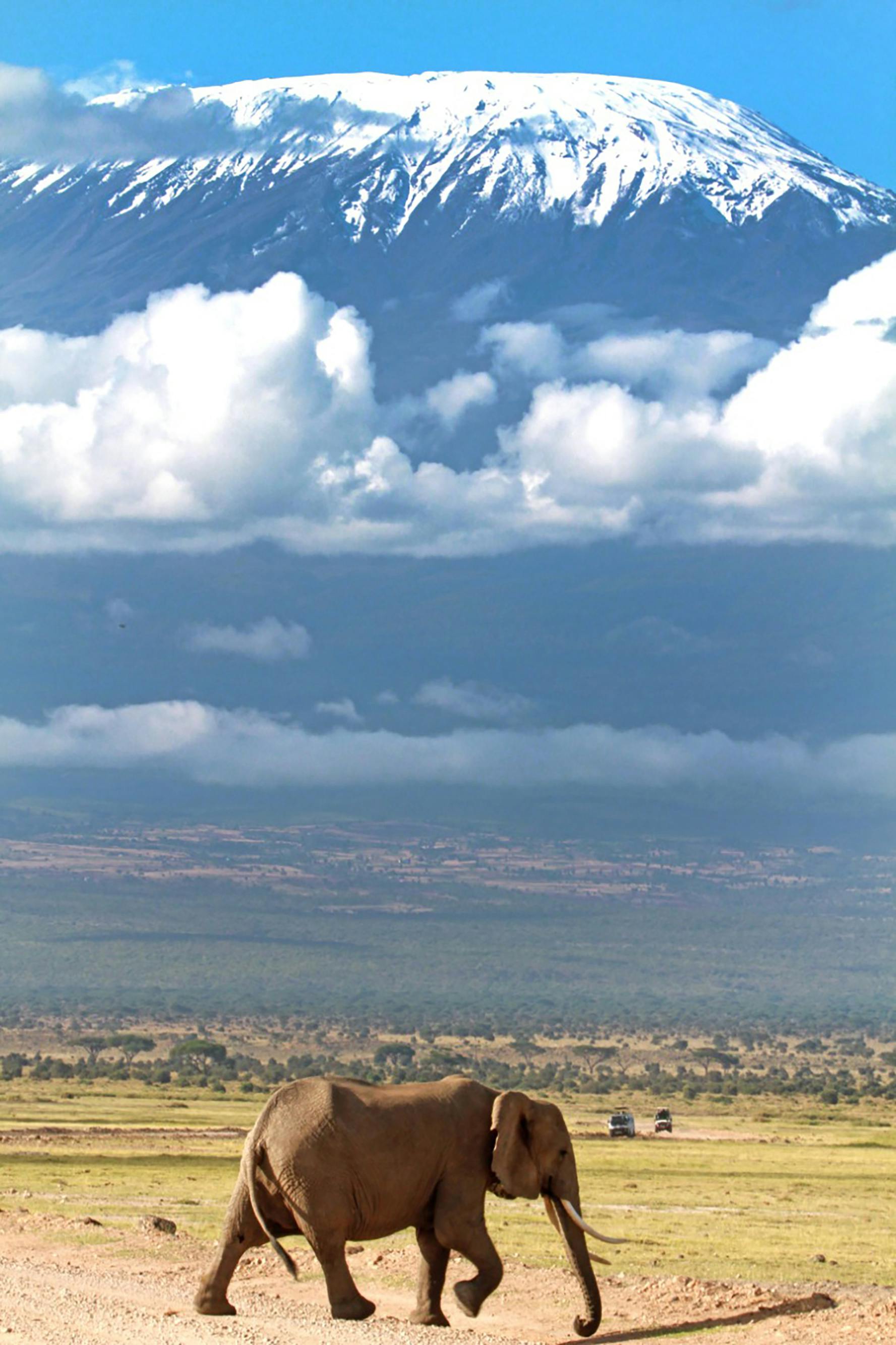
Mount Kilimanjaro
Africa's highest point at 5,895 metres — a non-technical trekking peak that most reasonably fit adults can attempt, and that most climbers who fail do so not from lack of fitness but from insufficient time on the mountain. Here is the acclimatisation truth, the route comparison, and what it actually costs.
WildToSea — Kilimanjaro, Tanzania
| Kilimanjaro — at a glance | |
|---|---|
| Summit elevation | Uhuru Peak: 5,895 m · Stella Point: 5,756 m 2 sources |
| Park entry fee | USD 82.60/person/day conservation fee (non-resident, VAT-inclusive) — included in operator price 2 sources |
| Cost (budget) | USD 1,500–1,900 (5–6 day Marangu, basic operator) 2 sources |
| Cost (mid-range) | USD 2,800–3,500 (7–8 day Machame/Lemosho, ethical operator) 3 sources |
| Best routes | Lemosho (8–9 days, most scenic) · Machame (7–8 days, popular) · Marangu (huts, 6 days, lower success rate) |
| Summit success | ~65–70% overall; 90%+ on 8+ day routes — acclimatisation is the key variable |
| Best time | Jan–Mar (drier, quieter) and Jun–Oct (main dry season, busiest) |
| Fly into | Kilimanjaro International Airport (JRO) · 50 min to Moshi by road |
| Ethical standard | KPAP (Kilimanjaro Porters Assistance Project) — look for KPAP-partner operators |
Last verified: August 2026
The six routes — honest comparison
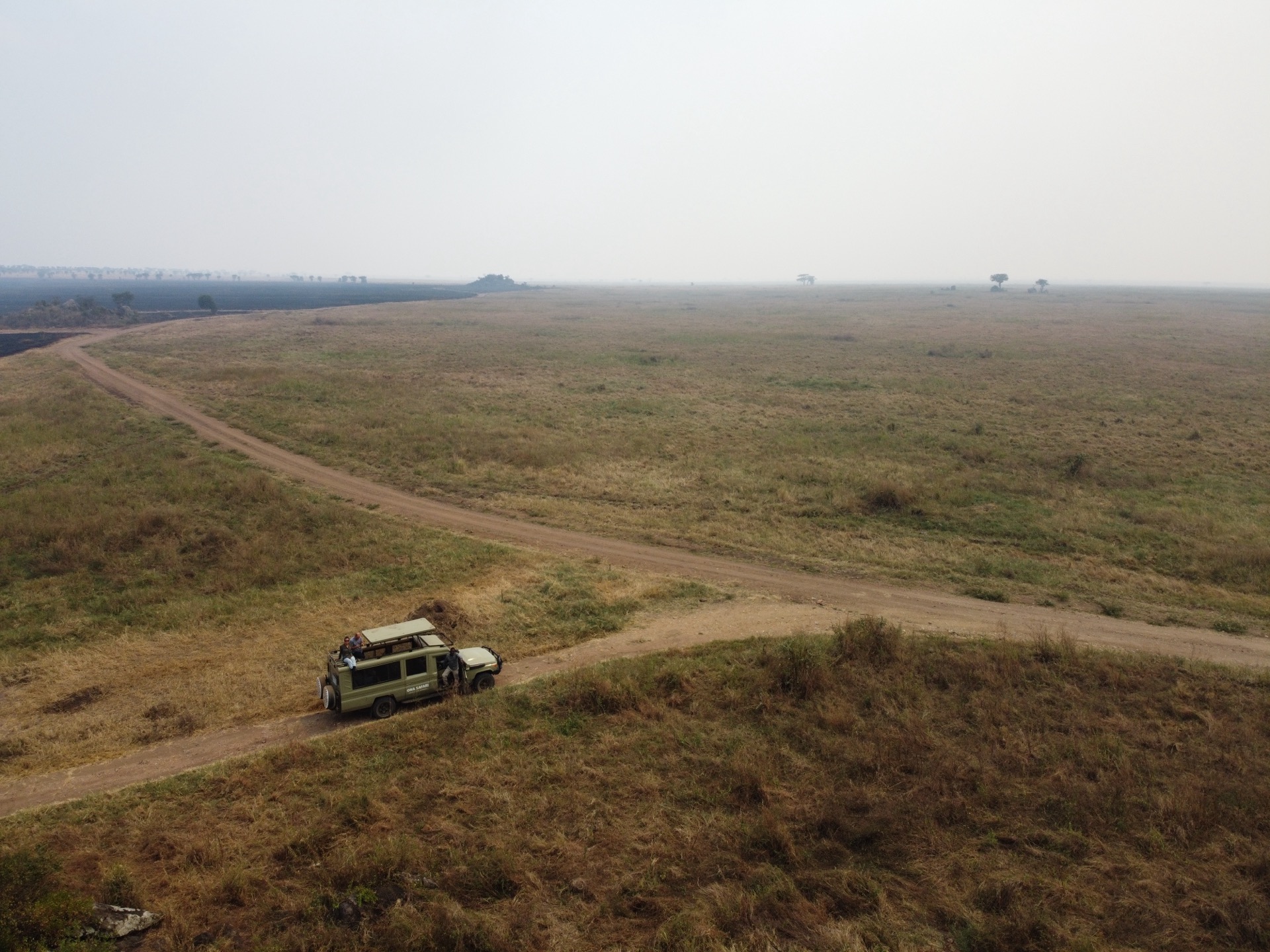
Lemosho & Machame — the two best choices for most people
- <strong>Lemosho (8–9 days)</strong>: most scenic route, approaches from the west through pristine wilderness, joins the Southern Circuit before the summit push — highest success rate of standard routes due to long acclimatisation profile
- <strong>Machame (7–8 days)</strong>: most popular non-Marangu route, "Whiskey Route" nickname, diverse scenery, steeper in sections, achievable for reasonably fit climbers who take the full 8-day option
- For both routes: 8 days is meaningfully better than 7 for acclimatisation — if budgeting for 7, consider whether the saved cost outweighs the lower probability of summiting
- The Northern Circuit (9–10 days) is the longest route and has the highest documented success rate; less popular but worth considering if maximising summit probability is the priority
- Rongai (6–7 days from the north, drier side) is a good alternative for those who have done Machame before and want a different experience
Marangu — the hut route, and why it has a lower success rate
- <strong>Marangu (6 days)</strong> is the only route with permanent hut accommodation (rather than tents) and is the only route where ascent and descent use the same path — it is sometimes called the "Coca-Cola Route" due to its relative accessibility
- Its lower summit success rate (~50–55%) is primarily a function of its default 6-day schedule, not its difficulty — the mountain is the same mountain, but 6 days gives less acclimatisation time
- A 7-day Marangu option exists and improves success rates; book through your operator if flexibility is possible
- Marangu is not "easier" than Machame or Lemosho in any meaningful sense; it is just shorter and hut-based — which is a preference question, not a difficulty question
- <strong>Umbwe</strong> (5–6 days) is very steep and short — not recommended for first-time Kili climbers; the acclimatisation profile is poor
What it costs — and why cheap is dangerous
Kilimanjaro has a wide range of operator prices. Here is what the research shows:
- Budget operators (USD 1,500–1,900): typically 5–6 day Marangu or Machame climbs. At this price point, the concerns are: fewer acclimatisation days (directly lowering success rate), and porter welfare — underpaid, underdressed porters are common at the budget end of the market. SafariBookings lists the cheapest 5-day Marangu hikes starting around USD 1,100–1,300, but these are the shortest, least-acclimatised options.
- Mid-range operators (USD 2,500–3,500): 7–8 day climbs on Machame or Lemosho, generally better-staffed, better equipment, more attention to porter conditions. This is the recommended range for most independent travellers. A responsible mid-range 7–8 day climb costs approximately USD 2,800–3,500.
- High-end operators (USD 3,850+): premium logistics, better food, smaller groups, often include hotel nights in Moshi. Ian Taylor Trekking is frequently cited in the premium bracket.
The park fees alone (USD 82.60/day conservation fee for non-residents, VAT-inclusive) account for USD 578 for a 7-day climb, plus camping and rescue fees — around USD 956 all in. Any operator quoting below USD 1,500 for a complete guided climb is likely cutting corners on somewhere critical — usually the guide/porter ratio, porter pay, or equipment quality.
KPAP (Kilimanjaro Porters Assistance Project): an NGO that monitors and certifies operators for ethical porter treatment. Asking your operator "are you a KPAP partner?" is a reasonable starting point for vetting. KPAP-certified operators guarantee minimum wages, porter weight limits (20 kg max), and appropriate clothing for their crews.
How difficult Kilimanjaro actually is
The honest answer: Kilimanjaro is accessible for most reasonably fit adults who take enough time. The technical difficulty is low — paths are clear, there are no crevasses, no ropes, no ice axe skills needed on the standard routes (the Western Breach has glacier remnants and is now rarely used). You are walking on mountain trails, not climbing.
The altitude is the challenge. At 5,895 m, the air has approximately half the oxygen of sea level. The body responds by:
- Increased breathing rate (involuntary, normal)
- Headache, fatigue, nausea — the classic AMS symptoms, which affect the majority of climbers in some form
- In worse cases: High-Altitude Pulmonary Oedema (HAPE) or High-Altitude Cerebral Oedema (HACE), both medical emergencies requiring immediate descent
The response to AMS is straightforward: descend. Guides are trained to recognise it. The protocol on Kilimanjaro is well-established and the mountain has rescue infrastructure. Trying to push through severe AMS is the main cause of serious incidents and deaths on the mountain.
Diamox (acetazolamide): commonly prescribed for altitude sickness prevention. Reputable operators like Tusker Trail advise starting it 24–48 hours before the climb and continuing throughout. Consult your doctor before departure.
Physical preparation: Cardiovascular fitness helps. Trekking experience at altitude (even 3,000–4,000 m) helps more. But fit athletes with high-altitude experience still fail if they go too fast. The slow-and-steady principle is not optional.
Practical — flights, bases, and what to bring
Getting there
Fly into Kilimanjaro International Airport (JRO), approximately 50 minutes by road from Moshi. Most Kilimanjaro climbs are based in Moshi or Arusha. Moshi is closer to the mountain and the preferred base for most operators. Arusha (50 km from JRO) is the logistics hub for the Northern Circuit safari — many travellers combine Kilimanjaro with a Serengeti/Ngorongoro safari from Arusha.
When to go
- January–March: drier, colder at altitude, clearer summit views in many years, less crowded than the summer peak. Calving season in Ndutu (Serengeti) — good combo for Kili + safari
- June–October: the main dry season, most popular, best weather stability overall, Serengeti river crossings (July–October) — the most common combined trip
- November and April–May: rainy seasons — not impossible but wetter, muddier, more cloudy; some operators don't run trips
What to pack
Temperatures range from tropical at the base (Moshi is at 900 m, often 25–30°C) to below freezing at the summit (typically -10 to -20°C on summit night). Layering is essential:
- Waterproof outer layer (essential — rain in the forest zone, wind at altitude)
- Mid-layer insulation (down jacket or synthetic fill)
- Thermal base layers (summit night is the coldest point)
- Sturdy hiking boots (not trail runners — ankle support matters on the scree)
- Trekking poles (strongly recommended for descent — reduces knee stress considerably)
- Headlamp (summit push starts at midnight)
Operators provide a kit list; most also rent equipment in Moshi if needed.
Kilimanjaro — questions answered
How much does it cost to climb Kilimanjaro?
Budget operators: USD 1,500–1,900 (5–6 days, Marangu, basic). Mid-range recommended: USD 2,800–3,500 (7–8 days, Machame or Lemosho). High-end: USD 3,850+. Park fees alone total ~USD 956 for a 7-day climb (VAT-inclusive). Never choose the cheapest option — the compromises are on porter welfare and acclimatisation days.
What is the best route up Kilimanjaro?
Lemosho (8–9 days) for best scenery and highest success rate. Machame (7–8 days) for the most popular non-hut option. Marangu if you specifically want huts — but take the 7-day option, not 6. Avoid Umbwe unless you have strong altitude experience.
How difficult is Kilimanjaro?
Not technically difficult — no ropes or specialist skills required. The challenge is almost entirely altitude. Most climbers experience some AMS symptoms. The key variable in success is days on the mountain (7–8 minimum; more is better). Fit athletes still fail on short itineraries.
When is the best time to climb Kilimanjaro?
January–March (drier, quieter, clearer summit views) or June–October (main dry season, most popular). Avoid April–May and November for main rainy season.
What is KPAP and why does it matter?
KPAP (Kilimanjaro Porters Assistance Project) is an NGO that certifies operators for ethical porter treatment — minimum wages, weight limits (20 kg max), appropriate clothing. Ask any operator "are you a KPAP partner?" before booking. At budget price points, porter welfare is often the first thing cut.
Plan your Tanzania trip
Tim Hennig, General Manager, Boutique Hotel Matlai, Michamvi Pingwe, Zanzibar.
I live and work on Zanzibar's east coast year-round — managing Matlai, diving the reefs, watching the seasons. If you have a question the guides don't answer, I'm happy to help.
Get in touch