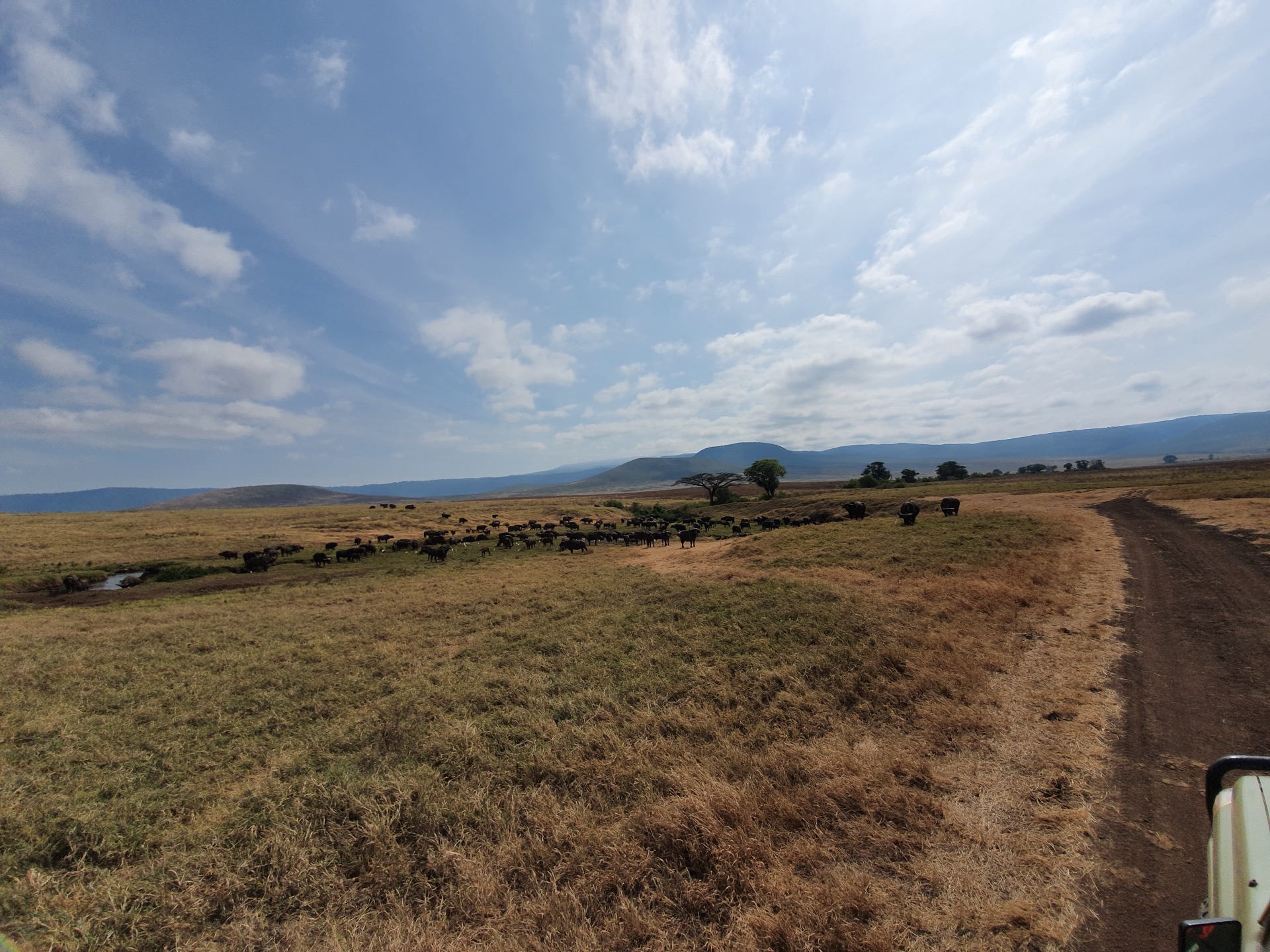
Ngorongoro Conservation Area
The world's largest intact, unflooded volcanic caldera — and one of Africa's densest concentrations of predators and prey in a contained ecosystem. A place serious enough about wildlife conservation to charge you USD 295 per vehicle just to drive into it.
WildToSea — Ngorongoro, Tanzania
| Ngorongoro — at a glance | |
|---|---|
| Type | Conservation Area (NCAA) — NOT a national park; different fees and management rules 2 sources |
| Entry fee | USD 70.80/adult/day (non-resident) · USD 23.60/child (5–15) 2 sources |
| Crater descent fee | USD 295/vehicle/trip (every descent, regardless of passengers) 2 sources |
| Vehicle rule | Only 4×4 vehicles, tare weight ≤3,500 kg, allowed on crater floor |
| Crater size | ~19 km across · ~260 km² floor · ~600 m deep · 2.5 million years old 2 sources |
| Black rhino | Small relict population (~25–35) on crater floor — Tanzania's most reliable rhino sighting 2 sources |
| From Arusha | 177–189 km · 3–4 hours by road 2 sources |
| Best combined with | Serengeti (full Northern Circuit) · Tarangire · Lake Manyara |
| Best for | Big Five · year-round predators · black rhino · volcanic geology |
Last verified: August 2026
Wildlife — what the crater actually delivers
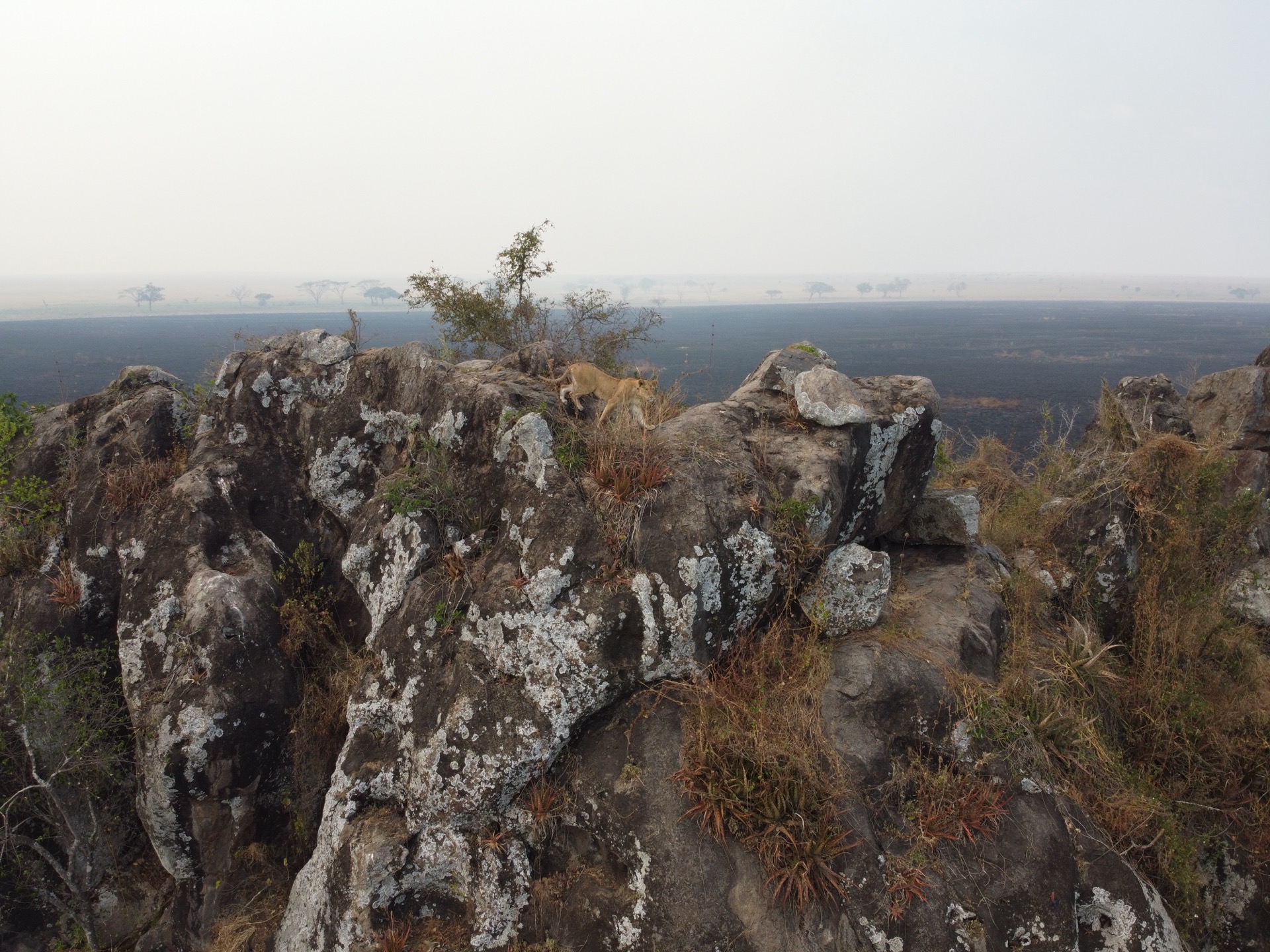
Black rhino — Tanzania's most reliable sighting
- The Ngorongoro Crater has a relict population of black rhinoceros (Diceros bicornis) — one of the last in Tanzania; population estimates range from approximately 25–35 individuals at recent counts
- The black rhino population in Ngorongoro declined severely in the late 1980s due to poaching (from ~108 in 1964 to about 11 by 1995); it has partially recovered under protection but remains very small and vulnerable
- Sightings are not guaranteed but the crater floor is the most consistently productive rhino-viewing area in Tanzania — a guide who knows the crater has a significantly better chance of finding them
- The classic rhino area is the Lerai Forest and the western and southwestern sections of the crater floor in the early morning
- Book a guide with specific crater-floor experience — the difference in rhino-sighting success is significant between experienced and inexperienced guides on the crater floor
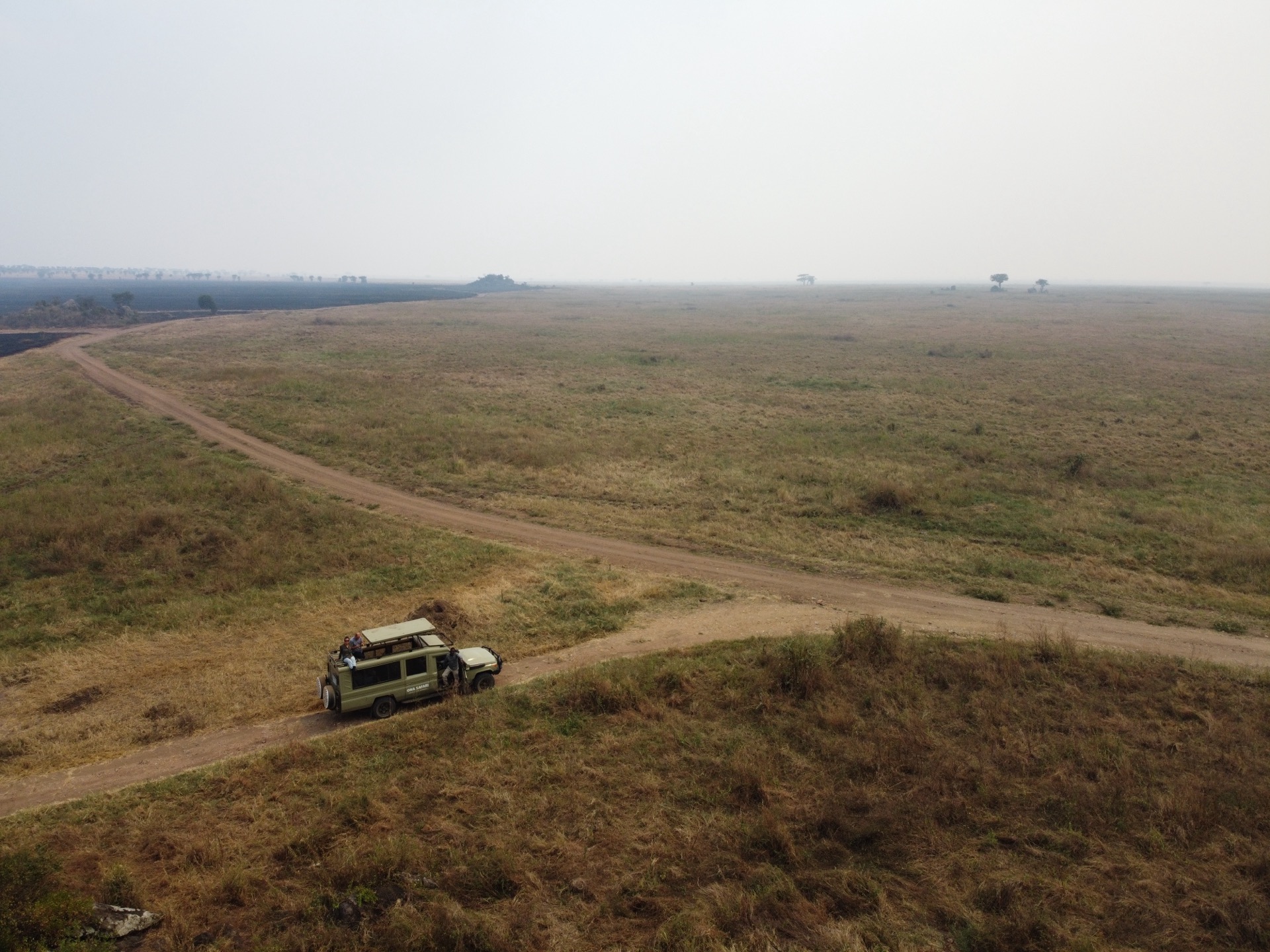
Lion, cheetah, leopard — predator density
- The crater contains approximately 60–80 lions across several prides — one of the highest lion densities per unit area in Africa; lion sightings are almost guaranteed on any crater game drive
- Cheetah are present on the crater floor but less reliably seen than in the open plains of the Serengeti; the crater terrain is not ideal for their high-speed hunting style
- Leopard are present in the Lerai Forest and along the crater wall vegetation; more elusive than lions but the forest drainage channels are worth checking
- The spotted hyena clan on the crater floor is one of the most studied in the world (Hans Kruuk's foundational research was conducted here); hyena sightings are reliable, including at kills
- Over 500 bird species have been recorded in the Ngorongoro Conservation Area; the flamingos on the soda lake and the crowned cranes on the crater floor are most photographed
The fee structure — what you actually pay
Ngorongoro's pricing has a complexity that confuses first-time safari planners. There are multiple fee layers:
- Conservation Area fee: USD 70.80 per adult per day for non-East African non-residents. USD 23.60 for children ages 5–15 (16 and over pay the adult rate); under 5 free. This applies for each 24-hour period spent in the conservation area — including the rim, not just the crater floor.
- Crater service/descent fee: USD 295 per vehicle per trip into the crater. This is charged every time a vehicle descends, regardless of how many passengers are inside. A single-day crater visit (down in the morning, up for lunch) counts as one trip. An overnight camp on the crater floor would count as additional descents if the vehicle leaves and returns. This is the single biggest planning variable in Ngorongoro costs.
- Vehicle requirement: Only 4×4 vehicles with a tare weight (unladen) of 3,500 kg or less are permitted on the crater floor. Standard safari Land Cruisers meet this; larger vehicles do not.
- Accommodation: Crater rim lodges are generally USD 200–600/person/night; accommodation on the crater floor is extremely limited and much more expensive.
For planning purposes: the crater service fee is split among passengers in the vehicle. In a vehicle of 6 passengers, USD 295 ÷ 6 = ~USD 49 per person per crater descent — in addition to the daily conservation fee. Budget accordingly.
Note: Ngorongoro is administered by the NCAA, not TANAPA. Your TANAPA multiple-entry permit for Serengeti and other TANAPA parks does NOT cover Ngorongoro. They are separate systems with separate fees.
Practical — getting there, timing, logistics
Getting to Ngorongoro from Arusha
Ngorongoro is approximately 177–189 km from Arusha, taking 3–4 hours by road. The route via Karatu is the standard approach — Karatu is the nearest town with guesthouses and budget accommodation outside the conservation area. Most organised safaris stay on the crater rim inside the NCAA for the crater-day experience.
The standard Northern Circuit itinerary combines: Arusha → Tarangire (or Lake Manyara) → Ngorongoro → Serengeti. The Ngorongoro stop is usually 1 night on the rim + 1 full crater day before driving on to the Serengeti (or flying from Manyara/Grumeti airstrips).
Crater timings
Game drives into the crater are best at early morning — typically gates open around 06:00–07:00 and the first hours have the best light, the most active predators, and fewer vehicles. By mid-morning the crater can become busy with safari vehicles around lion and rhino sightings. Descending early and ascending by 1–2pm is the recommended pattern.
Children in Ngorongoro
The NCAA allows children in the conservation area with the reduced rate (USD 23.60 for ages 5–15; under 5 free; 16 and over pay the adult rate). Unlike some areas, there is no minimum age restriction on the crater rim or floor itself — but check with your specific operator and lodge about minimum ages for children.
Ngorongoro — questions answered
What is the Ngorongoro entry fee?
Two fees: (1) USD 70.80/adult/day conservation area fee (USD 23.60 for children 5–15, under 5 free); and (2) USD 295/vehicle/trip crater descent fee — charged every time a vehicle descends into the crater, regardless of passenger count. These are separate from Serengeti TANAPA fees.
Is Ngorongoro a national park?
No — it is a Conservation Area managed by NCAA, not TANAPA. Different fees, different permit systems, and a dual-use mandate (wildlife + Maasai pastoral use). Your TANAPA safari permit does not cover Ngorongoro.
Can you see rhino at Ngorongoro?
Yes — the crater has a small relict black rhino population (~25–35 individuals). Not guaranteed, but it is Tanzania's most reliable area for rhino sightings. Early morning with an experienced crater-floor guide gives the best probability.
How far is Ngorongoro from Arusha?
Approximately 177–189 km, 3–4 hours by road via Karatu. Most itineraries combine it with Tarangire or Lake Manyara on the drive from Arusha.
When is the best time to visit Ngorongoro?
Productive year-round. Dry season (June–October): concentrated wildlife, clearer views. Wet season (November–May): green, lush, dramatic — April–May has calving wildebeest and dramatic skies. The crater creates its own microclimate; morning mist is possible even in dry season.
Plan your Northern Circuit safari

Tim Hennig, General Manager, Boutique Hotel Matlai, Michamvi Pingwe, Zanzibar.
I live and work on Zanzibar's east coast year-round — managing Matlai, diving the reefs, watching the seasons. If you have a question the guides don't answer, I'm happy to help.
Get in touch