
Facts & prices checked: 2026-06-24
Lake Manyara is the underrated park of the northern circuit. Most operators book it as a short stop on the way to Ngorongoro — which is about right if you plan it correctly.
What Lake Manyara is
Lake Manyara National Park sits on the western edge of the East African Rift Valley, approximately 125 km west of Arusha. The Rift Valley escarpment to the west creates a unique ecosystem: highland above, dense groundwater forest below, then open savannah, then the soda lake with its flamingos.
Size: ~330 km² park area (a large portion is lake surface). The Serengeti is 45 times larger.
Entry: USD 59/adult/day (TANAPA 2024/25)
The tree-climbing lions
This is the park’s most famous characteristic — and the one with the most mythology around it.
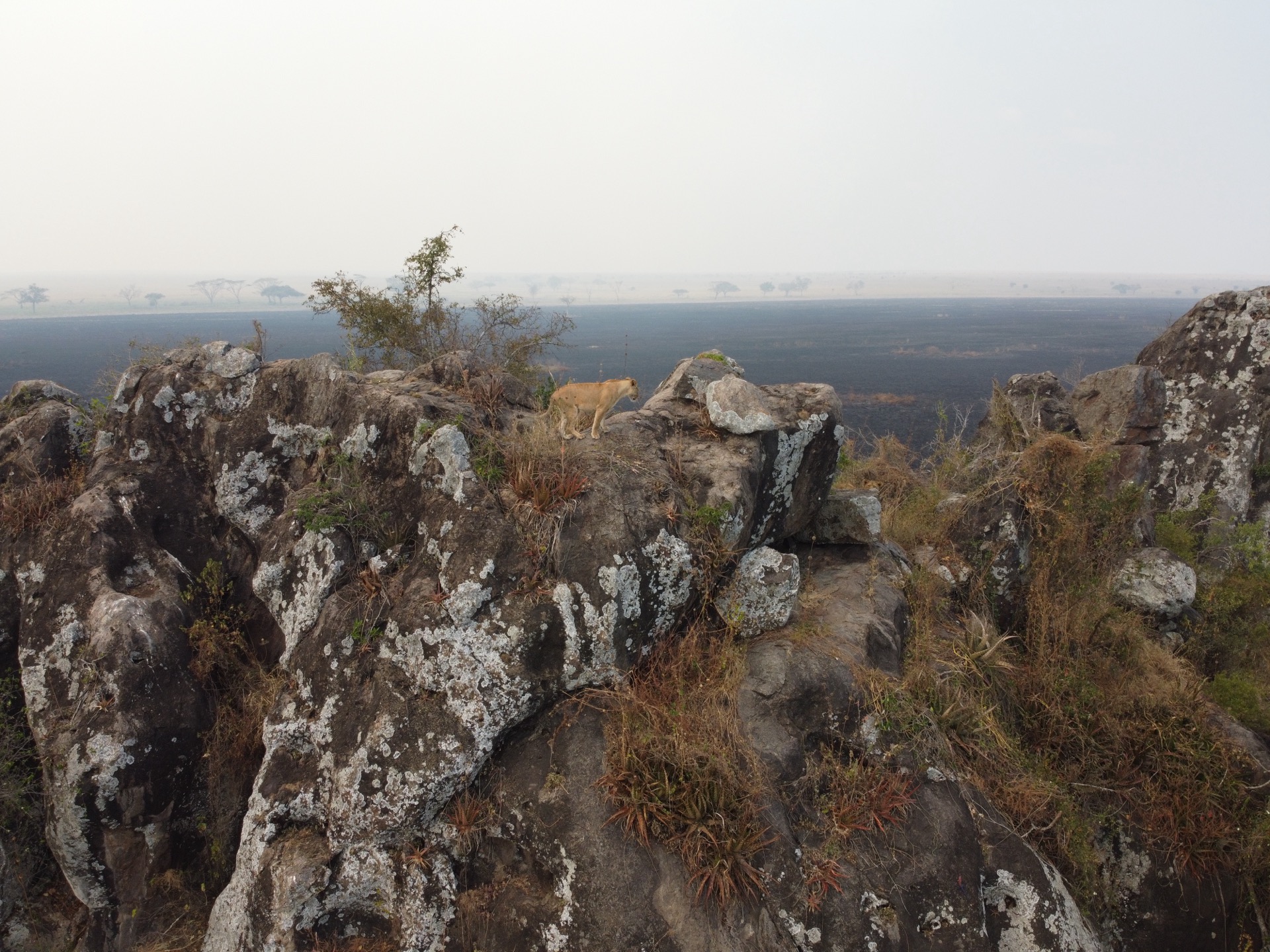
What is true: Manyara lions genuinely climb trees, primarily fig trees (Ficus sycomorus). This is unusual — most lion populations in Africa do not do this, or do so rarely.
What cannot be promised: That you will see it. Tree-climbing lions are real, but they are not present daily and not at a fixed location. Guides know current sighting spots.
Why do they do it? The behaviour is not definitively explained. Possible reasons include: shelter from tsetse flies (where wind is stronger in trees), shade in the heat, or a culturally learned habit specific to the local population.
Flamingos
The soda lake is seasonally home to hundreds of thousands of flamingos. From a 2007–2008 scientific count:
- August 2007: 9,319 flamingos
- August 2008: 640,850 flamingos
The variance is extreme — depending on water level, rainfall, and algae growth. In some months almost no flamingos. In others, a pink horizon.
When: Wet season (November–April) — the lake fills, cyanobacteria growth attracts flamingos. Dry season: lake can be very low, fewer flamingos.
Species: Lesser flamingo (Phoeniconaias minor) and Greater flamingo (Phoenicopterus roseus).
Groundwater forest
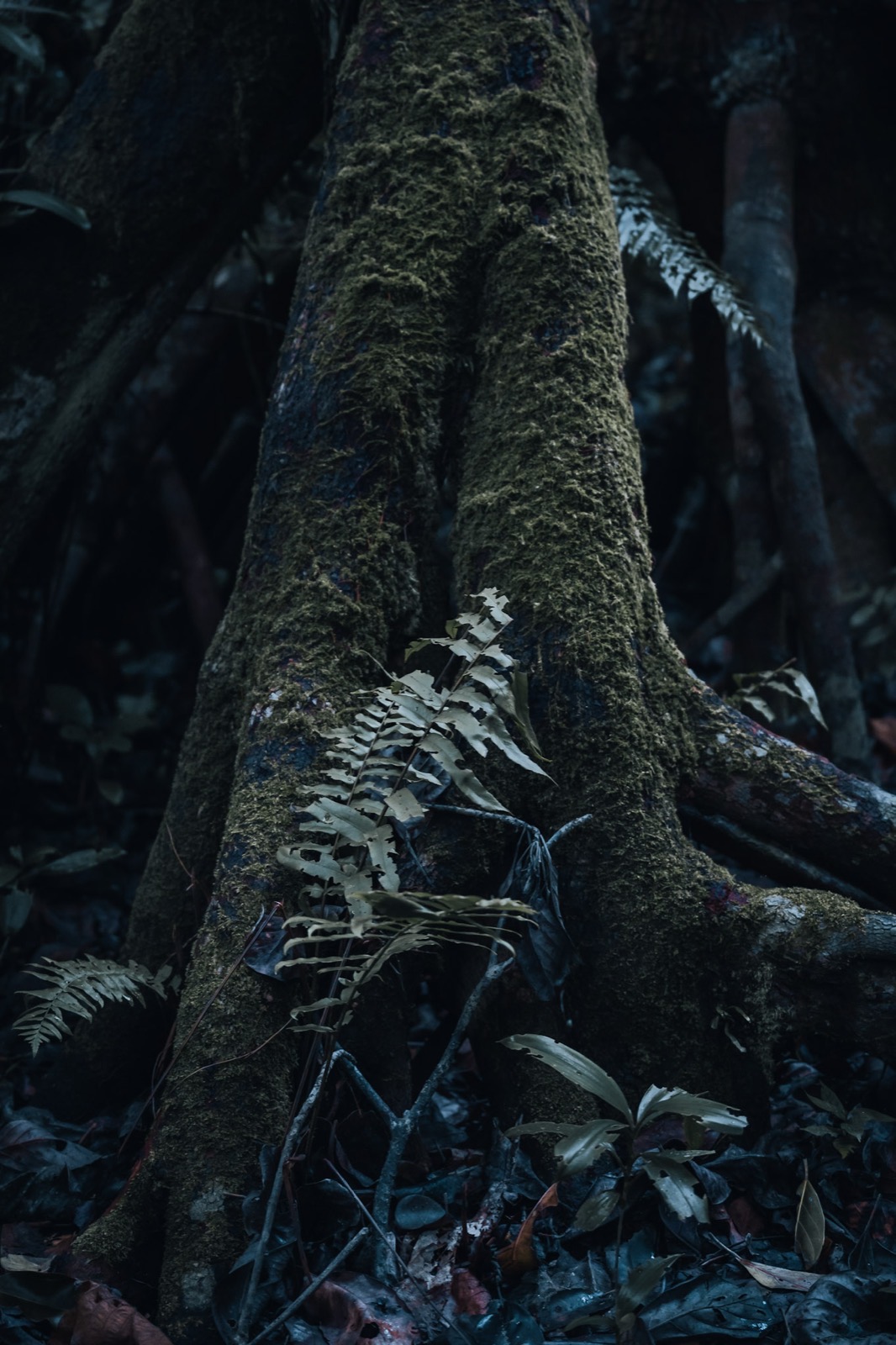
The Rift Valley escarpment channels groundwater into a dense gallery forest — unusual for savannah parkland.
What you see here:
- Elephants (from the Tarangire-Manyara population that migrates between both parks)
- Blue monkeys and colobus (in the groundwater forest)
- 400+ bird species: kingfishers, hornbills, herons, ibis, rollers
- Colobus monkeys and blue vervet monkeys (more common)
The groundwater forest is a birdwatcher’s paradise — the species density is exceptional for a Rift Valley park of this size.
Canoeing on the lake
Canoe trips offer a different perspective: flat on the water, close to flamingos and waterbirds.
Cost: USD 24/adult + USD 12/child canoe supplement (in addition to standard park entry)
Best time: Early morning (06:00–09:00) — calm water, good light, active birds.
Logistics: Arrange through your guide or lodge in advance — not available at all entry points or on all days.
Mto wa Mbu — the village at the gate
The village of Mto wa Mbu sits directly at the park entrance and offers its own experience:
- Fresh market with local produce (bananas, ginger, spices)
- Bicycle tours through shamba farms (rice fields typical of the area — irrigated by Rift Valley water)
- Cultural guides to local communities (Iraqw, Datoga, Maasai)
For northern circuit combination trips: Mto wa Mbu works well for a lunch stop or short village exploration after a morning game drive in Manyara.
Drive times and northern circuit integration
| Route | Distance | Drive time |
|---|---|---|
| Arusha → Lake Manyara Gate | ~125 km | ~2h30 |
| Tarangire → Lake Manyara | ~70 km | ~1 hour |
| Lake Manyara → Ngorongoro | ~50 km | ~1h30 |
Manyara sits ideally between Tarangire’s elephant plains and the Ngorongoro Crater — a half-day or single-day park with no detour required.
Recommended approach: Early morning game drive in Manyara (06:00–12:00), then drive on to Ngorongoro after lunch. Or: 1 night on the Manyara lakeshore and an early morning canoe trip.
Cost overview
| Fee | Price (2024/25) |
|---|---|
| Park entry adult | USD 59/day |
| Canoe supplement adult | USD 24 |
| Canoe supplement child | USD 12 |
For the full Tanzania national park fee breakdown including conservation fees and vehicle levies, see the complete fee schedule.
Park zones: from forest to lakeshore
Lake Manyara is exceptional in vertical variety. On a single circuit from the entrance to the lakeshore and back, you pass through five distinct ecosystem zones.
1. Groundwater Forest (entrance zone): Immediately after the gate, dense gallery forest begins. Tall fig trees (Ficus sycomorus) and mahogany form a closed canopy. Blue vervet monkeys and olive baboons are constant here. Elephants come from the Tarangire ecosystem, especially in the dry season.
2. Hippo Pool: A permanent water source near the forest exit where the park’s hippo group is found. Morning hours bring hippos to the bank — a good spot for a breakfast stop.
3. Acacia savannah: The open middle zone with umbrella acacias, where lion groups sit in trees and impala herds graze. This is the classic African landscape image: wide savannah with the Rift Valley escarpment as a backdrop. The fever-tree woodland at the edge of this zone is also productive leopard habitat — Manyara’s leopard population is consistently underrated by visitors who focus on the tree-climbing lions. Guides familiar with current resident cats check specific trees on a systematic route. For where Lake Manyara ranks against the Serengeti’s Seronera fig trees, Ngorongoro’s rocky outcrops, and Ruaha’s riverine forest, see the where to see leopard in Tanzania.
4. Southern bush savannah: Further south, the vegetation becomes denser with thornbush formations. Buffalo herds and elephants are common here, but the tracks can be more challenging.
5. Lakeshore: The actual lake takes up a large portion of the park area. The shore is the main location for flamingos, pelicans, and waterbirds. Canoe trips operate here. At low water, white soda salt crusts appear — unusual and photographically striking.
Birdwatching in Lake Manyara
Lake Manyara is one of Tanzania’s most productive birdwatching sites — 400+ documented species on a small area. The pattern comes from habitat variety: forest, savannah, swamp, and soda lake in one day’s drive.
Groundwater forest:
- Several kingfisher species along forest streams
- Green wood hoopoe — social groups with loud calls
- Hornbill species (silver-cheeked, Crowned)
Savannah zone:
- Lilac-breasted roller — electric blue in flight, visible on branches and fence posts
- Southern ground hornbill — family groups through short grass, deep booming call
- Kori bustard — the heaviest flying bird, on open ground near the lake
Lakeshore and swamp:
- Lesser flamingo and Greater flamingo — seasonally in large flocks
- Great white pelican — year-round in groups on shallow lake areas
- Saddle-billed stork — on swamp grassland and lakeshore sections
- Sacred ibis, Hadeda ibis
- African fish eagle — in northern lake sections
Wet season bonus (November–April): Palearctic migrant birds from Europe significantly increase the species count. Swallows, wagtails, waders on mud flats at the lakeshore. For birdwatchers, a Manyara visit in the early wet season (November) can surpass a dry-season visit in species variety.
Accommodation: escarpment or lakeshore?
Lodges and camps around Lake Manyara divide into two categories:
On the escarpment (Rift Valley wall): The most famous option: Lake Manyara Tree Lodge (exclusive, in a private concession on the escarpment, USD 800–1,200 pp/night all-inclusive). A handful of other hotels sit on the escarpment rim with panoramic views down over the lake and park. The view is unique — on a clear day you see the entire park and lake from above.
In the valley near the park gate (Mto wa Mbu): Several mid-range camps and guesthouses close to or at the gate:
- Lake Manyara Serena Lodge: USD 250–400 pp/night, directly on the park edge, pool
- Chem Chem Lodge: small exclusive camp in the buffer zone north of the park, private forest area, USD 500–900 pp/night
- Budget: guesthouses in Mto wa Mbu village itself, USD 40–120/night, suitable for self-drivers
Recommendation for one night: Those planning a single night in Manyara (rather than just a half-day stop) do best at the Serena Lodge or a small boutique camp with direct park-edge access. Morning canoe on the lake, then drive to Ngorongoro — that is the optimal sequence.
Best timing for Lake Manyara
July to October (dry season): Optimal across-the-board conditions for wildlife viewing. Short vegetation, animals concentrated. Elephants come to water sources at the forest edge. Tree-climbing lions possible year-round, but open savannah is more navigable in the dry season.
November to December (short rains): The lake begins to fill. Flamingo numbers climb. Vegetation greens up, making landscape photography more rewarding. Birdwatching peaks with migrant birds from Europe and North Africa.
January to March (short dry season): Hot, but good sightings. Few tourists. The park offers good value when prices are softer than peak season.
April to May (long rains): Dense green vegetation, potentially the highest flamingo numbers when the lake is full, but park tracks can be muddy. For bird specialists targeting Manyara specifically for the lake, this window gives maximum flamingo presence.
Photography in Lake Manyara: the three best moments
Tree-climbing lions in early morning light: When lions are in fig trees (fortune, not guarantee), the light between 06:30 and 09:00 is the best shooting window — soft side-lighting, no harsh shadows. Longer focal lengths (200–400mm) are recommended as lions often sit 5–8 metres up.
Flamingos at the lakeshore: The pink mass is spectacular, but the birds stand far out. Wide angle shows the volume; telephoto shows individuals. Morning calm gives water reflections — afternoon wind breaks the mirror.
Groundwater forest in backlight: In the high-canopy forest, fascinating light patterns develop. The earliest park entry (06:00–06:30) can bring morning mist into the tree crowns — rare, but photographically exceptional.
Visiting Lake Manyara with children
Lake Manyara is one of the most accessible national parks on the northern circuit for families with children — for specific structural reasons.
Why it works for younger visitors: The groundwater forest section at the park gate delivers wildlife within 10 minutes: olive baboons, blue vervet monkeys, often elephant. Baboon mothers with infants are consistently engaging for children. The hippo pool — 15–20 minutes from the gate — provides a guaranteed large-animal sighting without a long drive. Flamingos at the lakeshore (when present) create immediate visual impact even for very young children. The sequence of monkey → hippo → flamingo within 2 hours is among the strongest opening acts on the northern circuit.
Age considerations: Children from age 5 upward tend to engage with Manyara actively. The compact park size means game drives are shorter than in the Serengeti — no 3-hour blank stretches. Tree-climbing lions require patience and are not guaranteed; manage this expectation with children before the game drive begins.
Canoe trips for families: Children from age 7–8 can manage the canoe sessions comfortably. The calm lake water and close flamingo approach are excellent for children who have become restless in a vehicle. Life jackets are standard and mandatory.
Practical tip: Request a pop-top roof hatch vehicle — children who are hesitant on the vehicle seat often relax significantly when they can stand through the roof and see animals directly above eye level.
Half-day vs full day: how to structure your time
Most northern circuit itineraries allocate Manyara a half-day. Here is how each option plays out.
Half-day (06:00–12:00): Covers the full circuit — groundwater forest, hippo pool, acacia savannah, lakeshore. On a morning with good sightings, this is satisfying and complete. The risk: if tree-climbing lions require an extended search, the half-day can feel rushed. Arrive at the gate as early as 06:00 and you maximise the available time.
Full day (06:00–17:00): Worth doing if you add the canoe trip (USD 24 supplement). The canoe experience is fundamentally different from the vehicle circuit — flat on the water, close approach to flamingos, waterbirds at eye level. The ideal full-day structure: morning vehicle circuit (forest → hippo pool → savannah → lakeshore), midday rest at the lodge or Mto wa Mbu, afternoon canoe.
What to skip: Long drives into the southern thornbush zone are less productive than the northern forest and lakeshore sections. Ask your guide which areas had recent sightings — a targeted morning beats a full mechanical circuit.
The honest conclusion: Even 4 hours in Lake Manyara, driven with purpose, is a genuinely rewarding addition to any northern circuit itinerary. It earns its half-day stop status more consistently than most small parks.
For the month-by-month seasonal breakdown — flamingo peak timing, tree-climbing lion behavior, and how the wet-season logic differs from Tarangire and Serengeti — see the Lake Manyara: when to go guide.
Lake Manyara is one of Tanzania’s best birdwatching sites — for the full picture of Tanzania birding across all habitats, the complete birding rundown covers Lake Natron flamingoes, Ngorongoro raptors, Tarangire woodland species, and Zanzibar endemics.
→ Related guides: Tanzania northern circuit — Serengeti, Ngorongoro, Tarangire, Manyara · Tarangire — elephants and baobabs · Ngorongoro Crater — what you see and when · Tanzania park fees — full cost breakdown · All Tanzania safari guides
Frequently asked questions
What is Lake Manyara known for?
Lake Manyara is known for three things: (1) Tree-climbing lions — Manyara lions climb fig trees, a behaviour documented here that is rare elsewhere; (2) Flamingos — seasonally hundreds of thousands of flamingos appear on the soda lake; (3) Groundwater forest — dense rainforest along the Rift Valley wall with elephants and 400+ bird species. For birdwatchers, Manyara is a Tanzania highlight.
How much does Lake Manyara entry cost?
TANAPA entry price 2024/25: USD 59/adult/day (non-East African). Canoe permit extra: USD 24/adult, USD 12/child. Full day package (park + canoe): USD 83/adult. Compared to the Serengeti (USD 82.60), Manyara is cheaper and is often incorporated as a half-day stop on northern circuit routes.
Is Lake Manyara worth visiting?
As a standalone destination: no — it is too small for that (approximately 330 km²). As part of the northern circuit: definitely yes. Lake Manyara sits ideally between Tarangire and Ngorongoro and slotted in as a half-day or full-day stop adds genuine value. The combination of Rift Valley escarpment, soda lake, and groundwater forest is scenically unique — and flamingos in the right season can exceed any expectation.
When is the best time for Lake Manyara?
For flamingos: wet season (November–April) — the lake fills and attracts large flamingo flocks. For general wildlife viewing: dry season (June–October) — elephants concentrate at water sources, vegetation is shorter. Tree-climbing lions: possible year-round, not guaranteed — ask your guide where lions were last spotted.
How do I combine Lake Manyara with Ngorongoro and Serengeti?
Standard route: Arusha → Tarangire (2 nights) → Lake Manyara (half day/1 night) → Ngorongoro (2 nights) → Serengeti (3+ nights). Drive times: Tarangire to Manyara ~1 hour, Manyara to Ngorongoro ~1h30. Lake Manyara sits directly on the road to Ngorongoro — ideal for a short stop with a full park experience and no detour.
Can you canoe on Lake Manyara?
Yes — canoe trips on the lake are possible with an extra permit (USD 24/adult, USD 12/child, in addition to standard park entry). Arrange through your guide or lodge. Canoe trips allow close-up flamingo and waterbird observation — particularly good in the early morning. Not available every day at every point — confirm in advance.