Serengeti National Park
1.3 million wildebeest. A 1,200 km annual circuit. The world's largest terrestrial wildlife migration — and that is only part of what makes the Serengeti worth understanding before you go. Here is the migration calendar, what each season actually delivers, and what it costs.
WildToSea — Serengeti, Tanzania
| Serengeti — at a glance | |
|---|---|
| Park area | 14,763 km² · UNESCO World Heritage Site · Tanzania Northern Circuit |
| Entry fee | USD 82.60/adult/day (non-resident) · included in lodge price for nights inside park 2 sources |
| Migration | 1.3 million+ wildebeest · year-round circuit · calving Jan–Feb (south) · crossings Jul–Oct (north) 2 sources |
| Balloon safari | USD 599/person · departs 06:00 daily · 50–70 min flight · 4 launch sites 2 sources |
| Year-round | Lion, leopard, cheetah, elephant, buffalo, hippo in Seronera central valley all year |
| Getting there | Fly JRO or ARK → bush plane 1–1.5h (Coastal Aviation, Air Excel) or drive 5–6h from Arusha |
| Best for | Wildlife · migration · photography · balloon safari · Northern Circuit combination |
| Combine with | Ngorongoro Crater (1–2h south) · Tarangire (dry season) · Kilimanjaro · Zanzibar coast |
Last verified: August 2026
The wildebeest migration — season by season
January–February: calving season (southern Serengeti / Ndutu)
- Approximately 500,000 wildebeest calves are born within a 3-week period in January–February — one of the most concentrated birthing events in the natural world
- Calving takes place in the short grass plains of the southern Serengeti and adjacent Ndutu area (technically Ngorongoro Conservation Area); the high protein in new grass here triggers the calving hormones
- Predator activity is extremely high during calving — cheetah, lion, spotted hyena, wild dog, and jackal all concentrate around the birthing herds; this is one of the best times for predator sightings
- Ndutu Lodge and several mobile camps set up near the calving grounds during January–February; road conditions vary with rainfall
- The 2023 TAWIRI aerial census counted 1,366,109 wildebeest in the ecosystem (though a 2025 AI satellite survey using different methodology found fewer than 600,000 — the discrepancy is being investigated by researchers)
July–October: the Mara River crossings (northern Serengeti)
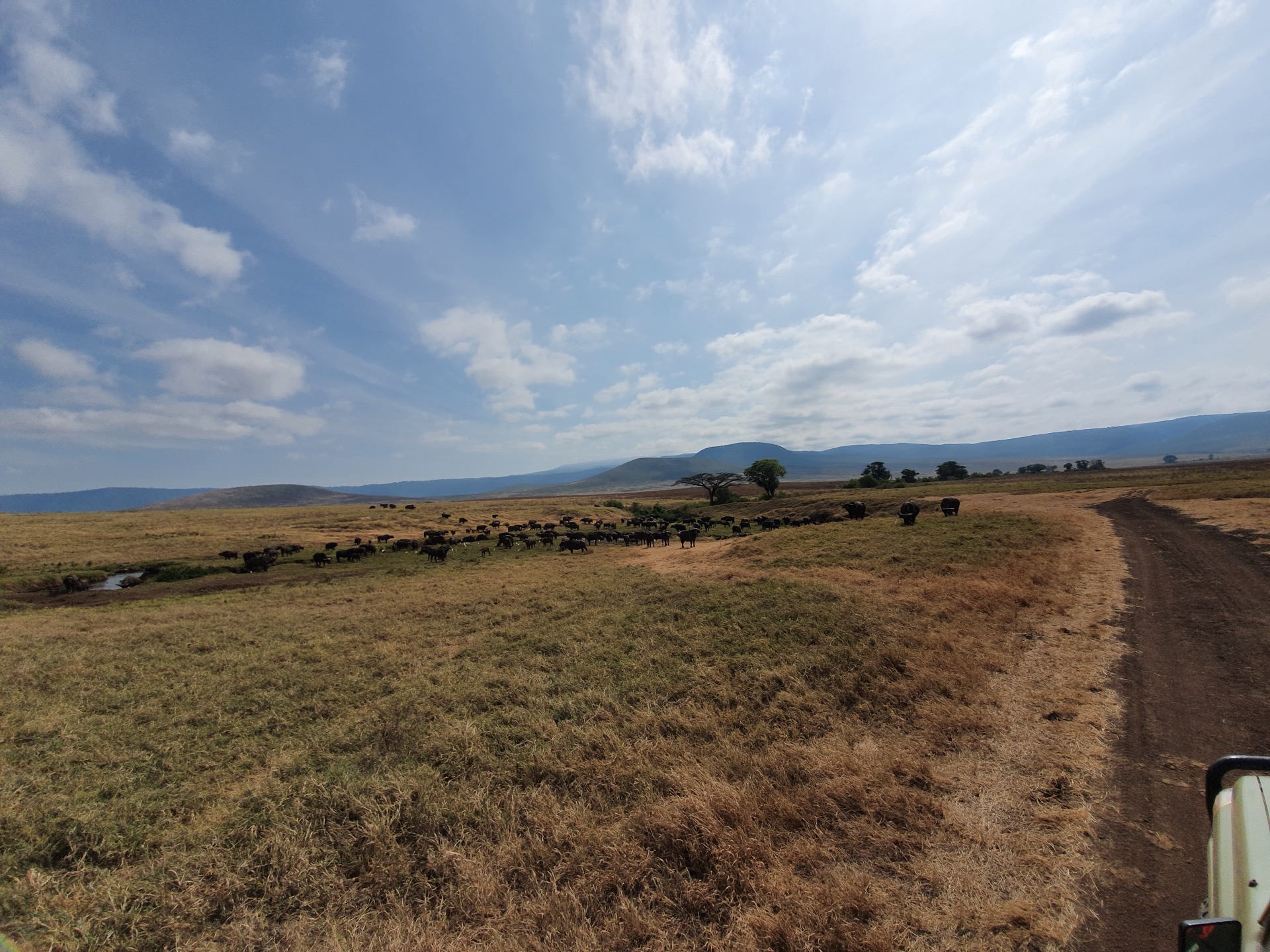
- The Mara River crossings are the most photographed and most dramatic phase of the migration — hundreds of thousands of wildebeest pile into the river despite the crocodiles waiting inside it, driven by the pressure of animals behind them
- Crossings happen July–October roughly, with the peak usually in August–September — but they are unpredictable; herds may cross and recross the same point repeatedly, or stay back for days before a trigger event sends them in
- The northern Serengeti (Lamai Wedge, Kogatende area) is the best base for crossing sightings; mobile camps here book out months in advance for July–October
- The crossings can be seen from the Kenyan side (Maasai Mara) as well as the Tanzanian side — the herds move in both directions across the border following the rainfall gradient
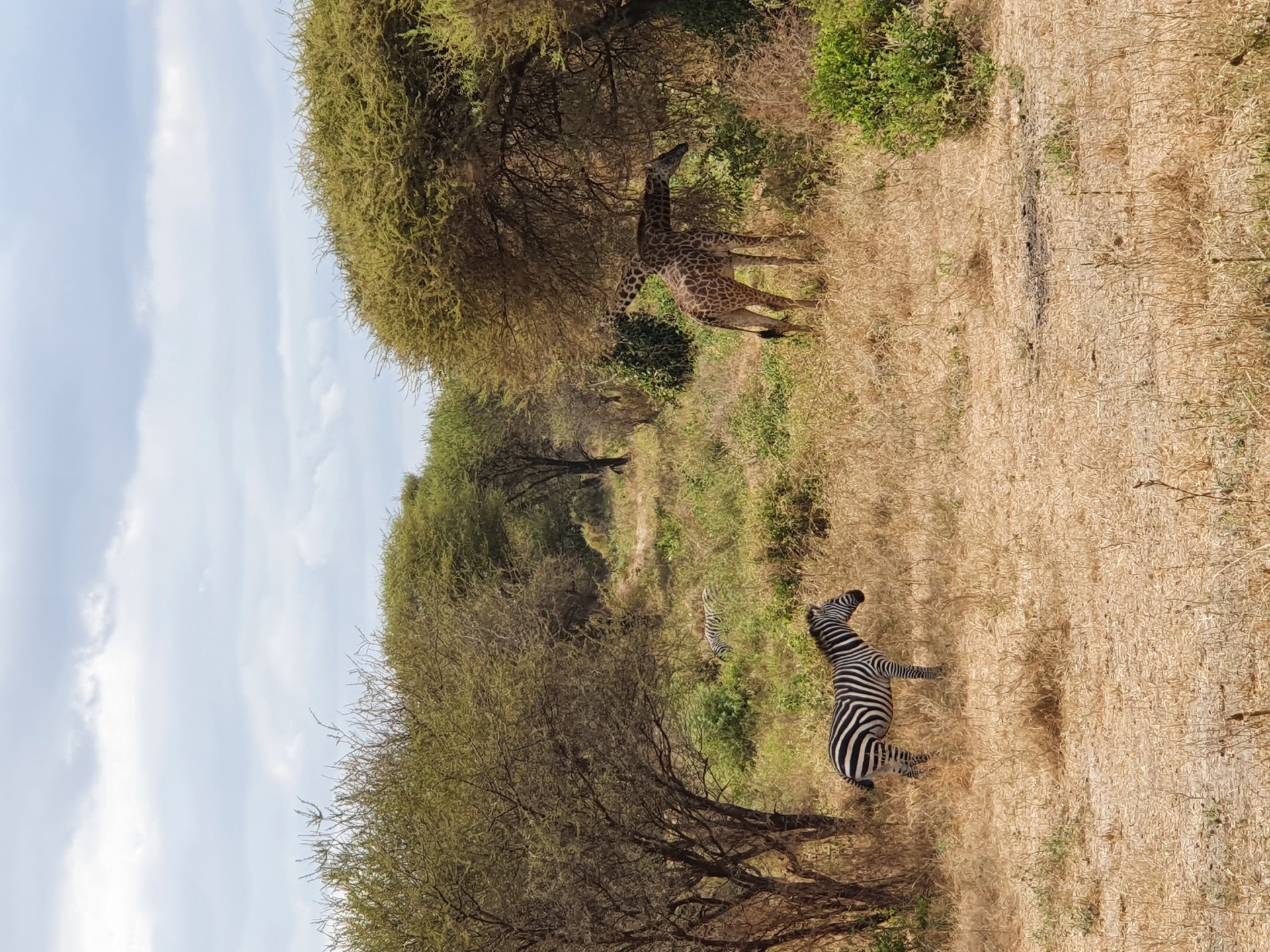
- Outside the crossing moment, the northern Serengeti also has excellent resident lion, elephant, and giraffe populations in this season
Year-round wildlife — why the Serengeti works in any month
The migration gets the coverage, but the Serengeti has resident predator populations that make game drives productive in any season. The Seronera valley in the central Serengeti is the most reliable area:
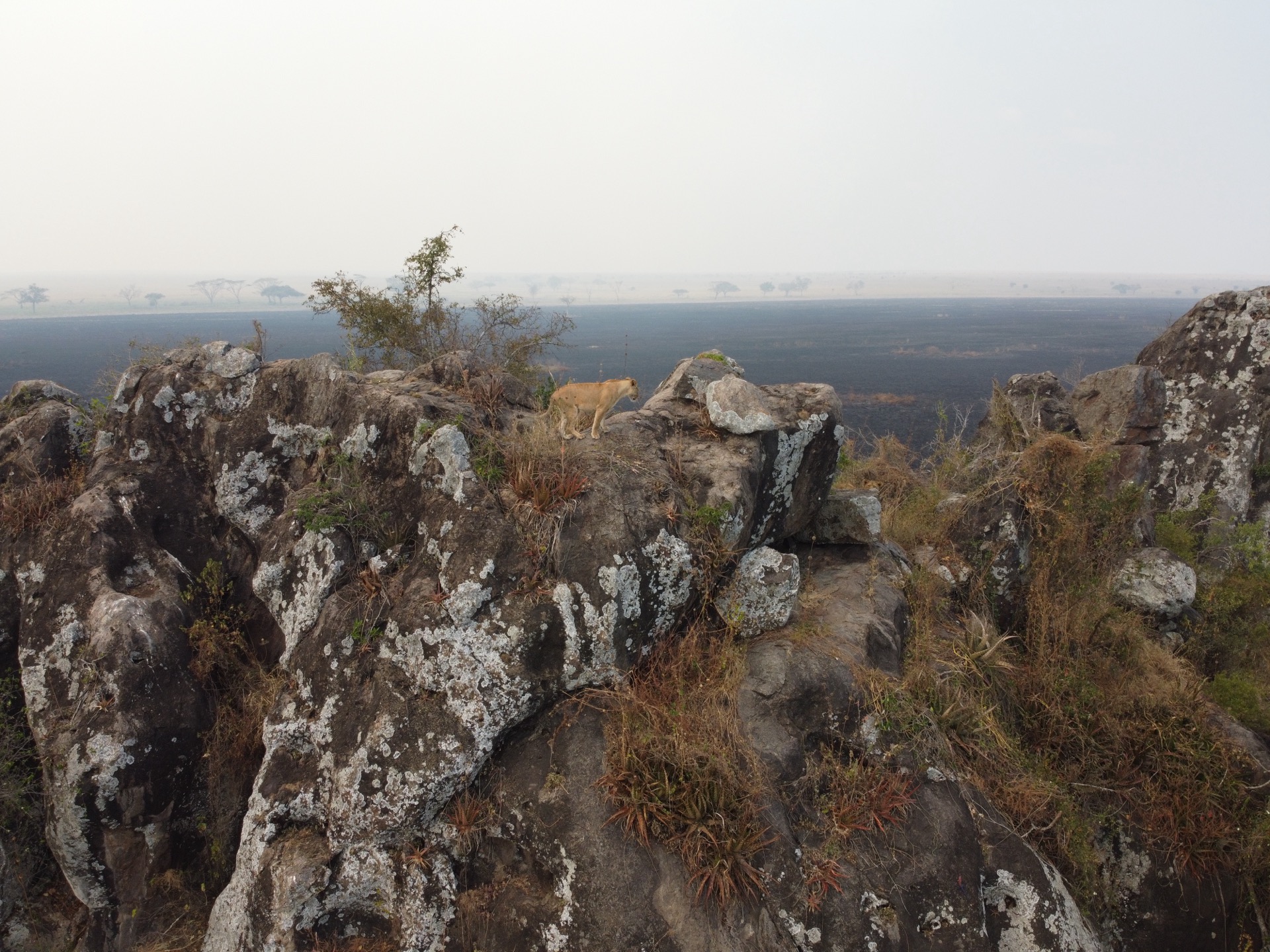
- Lion: the Seronera lion prides are among the most studied in the world; they are habituated to vehicles and found regularly in the kopje (granite outcrop) area year-round
- Leopard: the Seronera River drainage is one of Tanzania's most reliable leopard-sighting areas — the animals rest in the fever trees overhanging the river during the day
- Cheetah: open grass plains (especially in the south) support a good cheetah population visible year-round, though most active in the morning
- Elephant: present across the park, especially in the western corridor near Grumeti
- Hippo: Seronera River pools year-round
The dry season (June–October) concentrates animals around remaining water sources, making game drives more productive for sheer density of sightings. The wet season (November–May) brings lush green vegetation, migratory birds, and the calving herds — but roads in some areas (especially southern Serengeti) can become impassable in heavy rain.
Hot-air balloon safari
USD 599 per person — what you get, what to expect
- Cost: <strong>USD 599 per person</strong> for a shared balloon, including the TANAPA ballooning fee (USD 40), transport to the launch site, the ~50–70 minute flight, and typically a champagne/sparkling wine breakfast on landing
- Flights depart daily at <strong>06:00</strong> from four launch sites within the park — near Seronera (year-round), Ndutu (wet season calving), and two northern sites (dry season)
- The flight follows the wind; the pilot can control altitude but not direction — routes vary day by day. The perspective at low altitude (50–100 m) over walking herds and predators is unlike any other safari experience
- Booking: typically done through your lodge or safari operator; the same rate (USD 599) applies through most operators as it is set by TANAPA. Book ahead in peak season (July–October)
- Not operated in heavy rain or strong winds; flights occasionally cancel on the morning — a full refund or reschedule is standard in this case
Practical — getting there, costs, accommodation
Getting to the Serengeti
Option 1 — Fly in: Fly Arusha (ARK) or Kilimanjaro (JRO) → bush plane to one of several Serengeti airstrips (Seronera, Kogatende, Grumeti, Ndutu depending on season). Operators: Coastal Aviation, Air Excel, Auric Air. Flight time approximately 1–1.5 hours. This is the fastest and most comfortable approach; adds cost but saves 2 driving days.
Option 2 — Drive: Arusha to Serengeti via Ngorongoro Crater takes approximately 5–6 hours of driving plus a stop in Ngorongoro. The Ngorongoro crater rim is on the way — most itineraries stop there for a half or full day before continuing into Serengeti. Requires a 4WD; organised safaris typically include 4WD Land Cruisers or similar.
Park fees
Non-resident adult entry: USD 82.60 per person per day in TANAPA's peak season (16 May–14 March), dropping to USD 70.80 in the short low season (15 March–15 May). The fee is charged per 24 hours inside the park — entering at 2pm and leaving the next day at 10am counts as two days. On organised multi-day safaris, the lodge price typically includes park fees for nights spent inside the park.
Accommodation
The Serengeti has accommodation ranging from public campsites (budget, USD 30–50/night) to ultra-luxury tented camps (Singita Grumeti from USD 740+/person/night inclusive). Most visitors stay in tented camps at the mid-range (USD 250–600/person/night all-inclusive). The all-inclusive model is standard: game drives, meals, park fees all bundled. Comparing operators requires comparing what is and isn't included.
Tipping
The typical guide tip is approximately USD 20–25 per guide per day for a group; USD 10–15 per camp staff per day. Tipping on Kilimanjaro is separate and higher (porter/crew tips of USD 250–350+ are typical for a week-long climb). Always bring small USD bills.
Serengeti — questions answered
What is the wildebeest migration?
The year-round circular movement of approximately 1.3 million wildebeest and 200,000 zebra following rainfall around the Serengeti-Mara ecosystem. Key phases: calving (Jan–Feb, southern Serengeti) and Mara River crossings (Jul–Oct, northern Serengeti). Animals are present in the park year-round in different zones.
What is the Serengeti entry fee?
Non-resident adults: USD 82.60 per person per day in peak season (16 May–14 March), or USD 70.80 in the short low season (15 March–15 May). The fee applies for each 24-hour period inside the park. On organised safaris it is typically included in the lodge/camp price for nights inside the park boundaries.
How much does a Serengeti balloon safari cost?
USD 599 per person for a shared balloon flight (~50–70 min), departing 06:00. Includes TANAPA fee (USD 40) and typically a champagne breakfast on landing. Four launch sites across the park depending on season. Book ahead for July–October peak.
When is the best time to visit the Serengeti?
Jan–Feb: calving season, high predator activity. Jul–Oct: Mara River crossings, dry season concentration. Year-round: Seronera valley has resident lion, leopard, cheetah, elephant, hippo. There is no bad time — only different experiences.
How do you get to the Serengeti?
Fly Arusha (ARK) or Kilimanjaro (JRO) → bush plane to a Serengeti airstrip (1–1.5 hours, operators include Coastal Aviation, Air Excel). Or drive from Arusha via Ngorongoro (~5–6 hours with a crater stop). Self-drive possible with 4WD but guided safari is strongly recommended.
Plan your Northern Circuit safari

Tim Hennig, General Manager, Boutique Hotel Matlai, Michamvi Pingwe, Zanzibar.
I live and work on Zanzibar's east coast year-round — managing Matlai, diving the reefs, watching the seasons. If you have a question the guides don't answer, I'm happy to help.
Get in touch