
Facts & prices checked: 2026-06-24
I accompany guests on northern circuit safaris regularly. This is my honest assessment: what actually happens where, when it is worth it, and what most operators do not explain.
What the northern circuit is — and is not
The northern circuit is not a fixed route — it is a collective term for the four national parks in northern Tanzania, all within 4 hours’ drive of Arusha. They can be visited in any order and combined in many configurations.
What the northern circuit is not: a guided tour with a fixed sequence. There are countless variants. What follows is the recommended logic.
The four parks at a glance
Serengeti National Park (14,763 km²)
Tanzania’s largest and most famous park. Famous for the Great Migration — but the migration is only one part of the picture.
Year-round strengths:
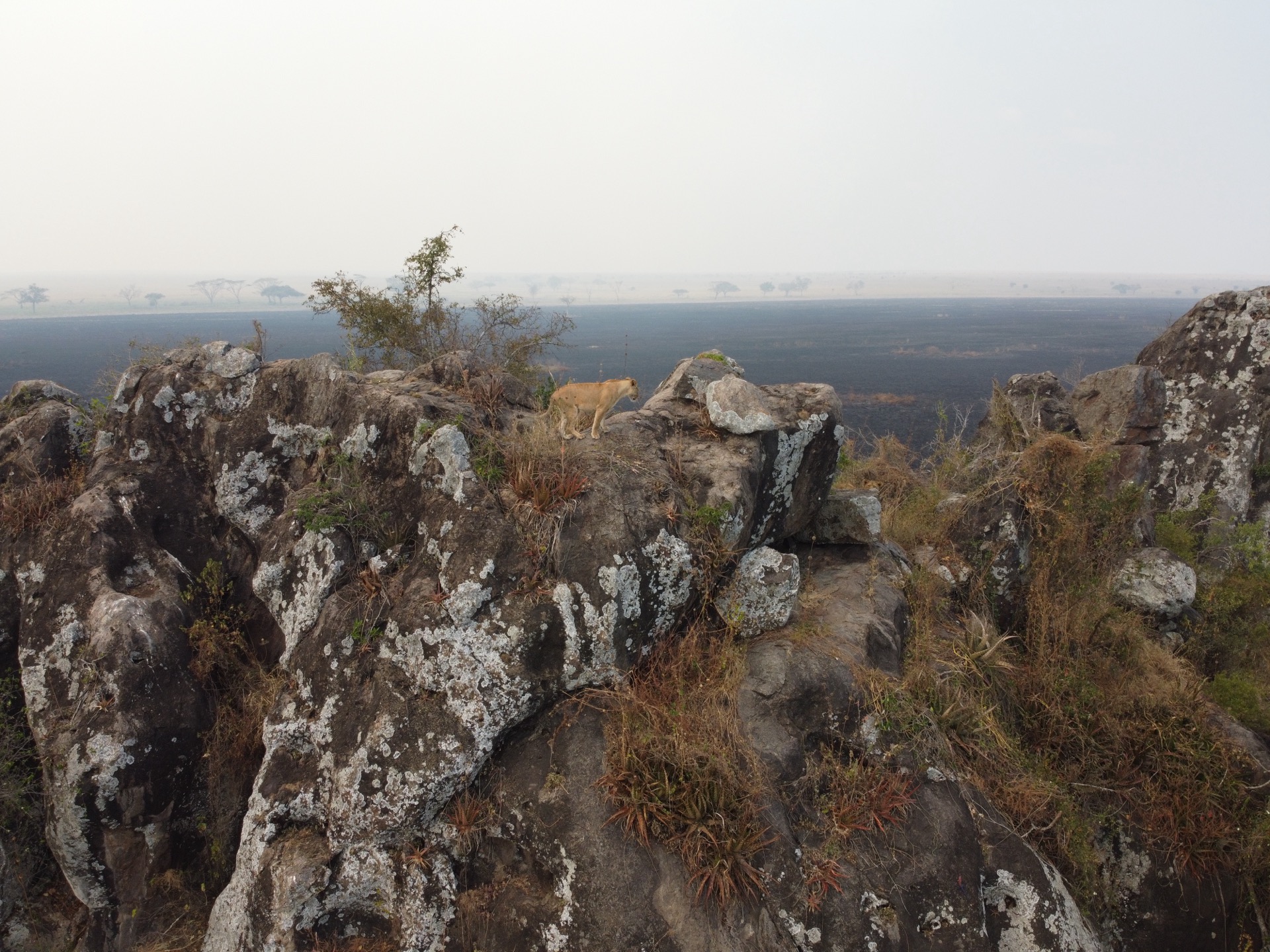
- Highest lion density of any Tanzania park
- Cheetah: the Serengeti is the best place in Africa for cheetah sightings
- Leopard: most common in the Seronera Valley zone (central Serengeti)
Migration calendar (simplified):
| Period | Location | What happens |
|---|---|---|
| January–March | Southern Serengeti (Ndutu) | Calving season — over 500,000 wildebeest calves born |
| April–June | Western Serengeti | Migration north, rains |
| July–October | Northern Serengeti (Mara) | Mara River crossings — the spectacle |
| November–December | Transitional south | Return to the south |
Critical note: “Great Migration” does not automatically mean “Mara River crossings.” River crossings happen July–October in the northern Serengeti. Visitors at other times still see wildebeest — but not the river spectacle.
Wildebeest population: traditionally cited as ~1.3 million; a 2025 satellite study (Oxford/PNAS Nexus) estimates approximately 500,000–600,000 currently. The number is uncertain — the spectacle is real regardless.
Ngorongoro Conservation Area
Do not confuse: Ngorongoro is not a TANAPA national park — it falls under the NCAA (its own authority, separate fees). The centrepiece is the Ngorongoro Crater.
What the crater is:
- The largest intact, non-flooded volcanic caldera in the world
- Formed approximately 2.5 million years ago by volcanic collapse
- Crater floor: ~260 km², ~25,000 large animals year-round (endemic population)
What you see in the crater:
- Black rhino (20–30 individuals — one of Africa’s last free-ranging populations)
- Lions (year-round, concentrated on the crater floor)
- Flamingos on Lake Magadi (crater floor lake, seasonal)
- Elephants, buffalo, hippos, wildebeest herds
Ngorongoro fee structure (non-resident 2025/26):
- Entry fee: USD 70.80/person/day
- Crater protection fee: USD 295/VEHICLE/descent — this is rarely explained upfront
A vehicle with 4 passengers pays approximately USD 578 in fees alone for one day at Ngorongoro (before accommodation). This is one of the most common booking surprises on the northern circuit.
Tarangire National Park (2,850 km²)
Tarangire is the most consistently underestimated park on the northern circuit.
Why Tarangire matters:
- Elephants: Dry season (July–October) — elephant density along the Tarangire River is the highest in Tanzania. Hundreds of elephants at a single water source.
- Baobabs: Giant trees throughout — unmistakable against the East African bush.
- Fewer vehicles: Tarangire is significantly quieter than Serengeti and Ngorongoro. More wildlife, fewer vehicles.
Best time: July–October (dry season, animals concentrated at the river).
Lake Manyara National Park (330 km²)
Small, often treated as just a half-day or day park. But with remarkable sightings.
Highlights:
- Tree-climbing lions: Manyara lions climb fig trees — unique behaviour (whether due to flies, shade, or social habit remains debated). Sighting not guaranteed, but possible.
- Flamingos: Seasonally (wet season) hundreds of thousands of flamingos appear on the soda lake.
- Groundwater forest: Dense forest zone with chimpanzees (rare) and exceptional birdlife.
Recommended route and drive times
Starting point: Arusha (transfer from Kilimanjaro International Airport, JRO, ~50 km / ~50 minutes)
| Route | Distance | Drive time |
|---|---|---|
| Arusha → Tarangire | ~120 km | ~2h |
| Tarangire → Lake Manyara | ~70 km | ~1 hour |
| Lake Manyara → Ngorongoro | ~50 km | ~1h |
| Ngorongoro → Serengeti (central gate) | ~135 km | ~2h30–3h |
| Serengeti (Seronera) → Arusha | ~360 km | ~6–8h (or domestic flight) |
Recommended sequence:
- Day 1: Arusha → Tarangire (arrival, afternoon game drive)
- Day 2: Tarangire (full day drive)
- Day 3: Tarangire → Lake Manyara (half-day park, continue to Ngorongoro)
- Day 4: Ngorongoro (crater descent, full day)
- Days 5–7: Serengeti central zone (Seronera — lions, cheetah, leopard)
- Days 8–9 (optional): Northern Serengeti (migration, July–October)
- Day 10: Serengeti → Arusha (drive or domestic flight)
For Mara River crossings: Plan nights 7–9 in the northern Serengeti (Kogatende/Lamai zone) — plus 1–2 buffer days. River crossings are not daily and unpredictable. Three to four nights in the north significantly raises your chances.
Domestic flights vs drive safari
Drive safari (standard)
For most northern circuit routes, drive safari is the standard — the parks are connected by workable savannah tracks. Advantages: flexible, animals seen en route, lower cost.
Long return Serengeti → Arusha: ~6–8 driving hours. With an early start (05:00) and daylight return this is possible, but long.
Domestic flight
For time-optimisers and luxury travellers: domestic flights between Serengeti airstrips (Seronera SEU / Kogatende KGT), Ngorongoro, and Arusha.
Critical: Bush flights have a baggage limit of ~15 kg soft luggage (including carry-on). Hard-case suitcases are not accepted.
Combinations
Classic (7 nights)
Ngorongoro 2 nights + Serengeti 3 nights + Tarangire 2 nights
Intensive (10–12 nights)
All four parks + 3–4 nights northern Serengeti (if July–October)
Northern circuit + Zanzibar
Northern circuit 7–10 nights + domestic flight JRO → ZNZ + Zanzibar 5–7 nights
Domestic JRO → ZNZ: ~1h05, from USD 60–80. This is the most common European combination itinerary — safari in the parks, beach finish on the island.
The best timing for northern circuit + Zanzibar: July–October combines the Serengeti Great Migration AND Zanzibar’s dry season (Kusi wind, best weather, best diving visibility at Mnemba). If budget is a priority, November delivers good Zanzibar weather at 40–50% lower hotel prices than peak season. The Zanzibar best time guide covers all 12 months — kite season windows, humpback whale migration (July–October), whale shark season on Mafia (October–March), and an honest assessment of the short rains in November.
Costs at a glance
Full cost breakdown in the safari budget guide.
| Category | Cost/person/day (all-inclusive) |
|---|---|
| Budget camping | USD 200–300 |
| Mid-range lodge | USD 350–600 |
| Luxury tented camp | USD 600–1,500+ |
7 nights mid-range northern circuit: approximately USD 2,450–4,200 per person.
Ngorongoro crater fee (USD 295/vehicle) is frequently not clearly itemised in operator quotations — always ask explicitly.
What a typical northern circuit safari day looks like
The pattern repeats across all four parks — details vary by park and camp.
05:00–05:30 — Wake up. The pre-dawn drive is the golden window. Coffee or tea prepared at camp. Breakfast often after the morning drive.
05:30–09:30 — Morning game drive. Four hours that shape the day. Lions returning from night hunts. Cheetah hunting on open plains. Elephants moving to water. Light is ideal for photography — side-lit, warm colours. Guides use radio networks with other vehicles: “Cheetah at coordinates X” — and the route changes.
09:30 — Bush breakfast. Quality guides stop at a suitable spot — under a tree with a view across the plain. Breakfast from the camp, coffee from a thermos.
10:00–15:30 — Midday rest. Animals are resting. Camps have pools, libraries, shade. Most guests sleep after breakfast. Your guide spends this time on the network: where was what spotted this afternoon?
15:30–18:30 — Afternoon game drive. Second active window — similar to the morning, but ending with a sundowner. Lions active. Cheetah hunting. Hippos moving from day pools to grazing grounds.
19:00 — Dinner. At camp, often outside by the fire. Sounds of the night: insects, distant hyena calls, sometimes a lion’s roar close enough to hear from the tent.
What visitors most often get wrong
Too little time in the Serengeti. Booking 3 nights and expecting to see Mara River crossings requires luck. Crossings happen irregularly — sometimes twice in one day, sometimes not at all for 4 consecutive days. Four to five nights in the northern Serengeti is not excessive if that is your goal.
Leaving the Serengeti too early. The most common itinerary is: in at Ngorongoro, 2 nights in the Serengeti, out. That gives an impression, not an experience. Wildlife sightings compound — day three and four are often better than the first two, because you know the rhythms and the zones.
Equal time in all parks. Lake Manyara needs a half day, not three nights. Tarangire needs 2–3 nights, not one arrival afternoon. Concentrate the budget on the Serengeti plains and the Tarangire ecosystem — Manyara as a half-day stop.
Wrong luggage. Bush flights to and from the Serengeti take ~15 kg soft luggage. Hard-shell roll-cases stay at the airport. Plan your luggage before booking if bush flights are in the itinerary.
Operator selected only on price. On the northern circuit, the guide is the decisive factor. Two vehicles at the same animal with different guides see different things. An experienced guide spots cheetah in grass at 300m, explains animal behaviour, and uses networks for real-time sighting updates.
Operator quality: what to look for
Small is often better than large. Small operators with their own vehicles and their own employed guides deliver more consistent experiences than large conglomerates that hire external guides.
Vehicle quality: Pop-top roof hatches are standard. 4x4 vehicles with maintained engines and enough roof space for all guests (max 6 people) are the minimum. A 4-person group in a 6-seat vehicle is significantly more comfortable.
Guide certification: TATO-certified guides (Tanzania Association of Tour Operators) have completed formal training. Ask for the guide’s name and background before booking — good operators name the guide before the contract.
Fee transparency: Ask explicitly: “Is the Ngorongoro crater fee of USD 295 per vehicle included in your price?” If the answer is unclear — compare other quotations.
Camping vs lodge
For European visitors, a real choice:
Camping safaris (USD 200–300/day): Shared tents, public campsites, group vehicles. The budget safari experience. Stars visible from the sleeping bag, hyenas audible at the camp perimeter. For flexible travellers up to approximately 35–40.
Lodge safaris (USD 350–600/day): Semi-permanent tented camps with beds, private bathrooms, full board. The standard experience offered by most European operators. Comfort after a long game drive day.
Luxury tented camps (USD 600+/day): Small camps (6–12 tents), private vehicle, private game drives. For groups over 40 or honeymoon trips.
What actually changes when you upgrade between accommodation tiers
Most visitors understand the price range but fewer understand what specifically changes between budget and luxury on the northern circuit.
What stays the same in all tiers: The national parks. The game animals. The wildlife sightings when the migration is present. Park entry fees are identical regardless of where you sleep.
Budget camping (USD 200–300/day): Public campsites shared with other groups, dormitory-style tents, game drives in shared vehicles of 6–8 people on a fixed schedule. The guide is the decisive variable here — some public-campsite operators employ outstanding guides; others rotate inexperienced staff. Meals are functional.
Mid-range lodge (USD 350–600/day): Private bathroom, permanent beds, a private vehicle for your group only. The private vehicle means game drives on your schedule, not a fixed timetable — you stay at a sighting as long as you choose. You go directly to coordinates without discussion. This is the most significant practical upgrade at any price point.
Luxury tented camp (USD 600+/day): Maximum 12 tents per camp, a dedicated guide who knows the specific landscape intimately, and — in private concession areas outside national park boundaries — the possibility of night game drives. The experience gap between mid-range and luxury is real but less dramatic than from budget to mid-range.
The honest conclusion: The upgrade from shared vehicle to private vehicle is the single most impactful change across all price tiers. Everything else is comfort. The private vehicle is the safari experience itself — and it is available from the mid-range tier upward.
For detailed seasonal guides to each park on the northern circuit, see: Serengeti: when to go · Tarangire: when to go · Ngorongoro: when to go · Lake Manyara: when to go.
For travelers watching costs, the budget circuit guide explains how to do the Northern Circuit on a real budget — group tours, green season timing, and which parks give best value.
The centrepiece of the Northern Circuit is the Serengeti migration — the migration timing guide breaks down each phase of the year, where the herds are month by month, and how to plan around the river crossings.
Lake Natron makes a compelling 2-night add-on to any northern circuit itinerary — the alkaline Rift Valley lake hosts 1.5 to 2.5 million lesser flamingos (around 75% of the world population) and sits below Ol Doinyo Lengai, the world’s only active carbonatite volcano. Details in the Tanzania flamingos and Lake Natron guide.
→ Related guides: Tanzania 7-day northern circuit safari itinerary · Tanzania budget safari — group tours, costs, and green season · Serengeti — Great Migration and best season · Ngorongoro Crater — what you see and when · Tarangire — elephants and baobabs · Lake Manyara — tree-climbing lions and flamingos · Nyerere (Selous) — southern circuit alternative · Ruaha — Tanzania’s largest and least-visited park · Tanzania park fees — full cost breakdown · Tanzania safari costs — what to budget · Tanzania safari preparation — full packing checklist · Tanzania and Zanzibar itinerary — combining safari and beach · Tanzania overview · Flamingos and Lake Natron
Beyond the northern circuit, the western Tanzania circuit (Mahale Mountains + Katavi) is one of Africa’s finest two-park combinations — great apes on Lake Tanganyika plus the most dramatic dry-season hippo spectacle on the continent. The Mahale Mountains guide and the Katavi guide cover the logistics.
Wondering how Tanzania compares to Kenya as a safari destination? See the Tanzania vs Kenya safari comparison for an honest look at costs, parks, and migration timing.
Frequently asked questions
What is the Tanzania northern circuit?
The northern circuit is Tanzania's classic safari route, covering the four most important parks in northern Tanzania: Serengeti National Park, Ngorongoro Conservation Area, Tarangire National Park, and Lake Manyara National Park. All four parks sit within roughly 4 hours' drive of Arusha. The northern circuit is the most visited safari region in Africa — with good reason: Great Migration, Big Five, hundreds of thousands of flamingos, and the most impressive intact volcanic caldera in the world.
How many days do you need for the northern circuit?
Minimum: 7 nights (covers all four parks, but tight). Recommendation: 10–14 nights for a complete experience. Allocation: Serengeti 3–4 nights (season dictates which zone), Ngorongoro 2 nights, Tarangire 2–3 nights, Lake Manyara 1 night. For the Great Migration Mara River crossings (July–October): budget at least 3–4 nights in the northern Serengeti.
What is the best sequence for the northern circuit?
Recommended sequence: Arusha → Tarangire → Lake Manyara → Ngorongoro → Serengeti → back to Arusha or fly from Seronera. This sequence goes outward by distance: Tarangire is closest to Arusha (~120 km), then Lake Manyara (~130 km), then Ngorongoro (~180 km), then Serengeti. Return through Serengeti → Ngorongoro → Arusha is 8+ hours' driving — domestic flight is recommended.
What do you see in each park?
Serengeti: Great Migration (seasonal), high lion density, cheetah, leopard, Big Five. Ngorongoro: 25,000 large animals in the crater (endemic population), black rhino (20–30 individuals), lions, flamingos on the crater floor lake. Tarangire: Tanzania's highest elephant concentration (July–October), giant baobab trees, fewer vehicles than Serengeti. Lake Manyara: tree-climbing lions, flamingos (seasonally), hippos, chimpanzees in groundwater forest.
What does the northern circuit cost?
Budget camping safari (shared vehicle): USD 200–300/person/day all-inclusive. Mid-range lodge safari: USD 350–600/person/day. Luxury tented camp: USD 600–1,500+/person/day. 7 nights mid-range northern circuit: approximately USD 2,450–4,200 per person (excluding flights). Note: park fees are extra on top of accommodation prices — and the Ngorongoro crater fee (USD 295/vehicle/descent) is often not clearly disclosed in quotations.
When is the best time for the northern circuit?
Depends on what you want. Great Migration Mara River crossings (northern Serengeti): July–October. Calving season (southern Serengeti, Ndutu): January–March. General wildlife viewing: July–October (dry season, animals concentrated at water, good visibility). April–May: long rains, fewer tourists, cheaper, but tracks difficult. Ngorongoro is good year-round — the crater floor stays green in all seasons.