
Facts & prices checked: 2026-06-24
The Tanzania Northern Circuit is the framework most Tanzania safari operators use as their starting point. Four parks, a clear clockwise route out of Arusha, and a sequence that builds in quality from day to day: Tarangire’s elephants on day two, the surreal crater floor on day four, and the Serengeti at its best by day five and six.
This is how I think about seven days on the northern circuit.
Overview: the route
Arusha → Tarangire → Lake Manyara → Ngorongoro → Serengeti (Seronera) → Arusha
Total road distance from Arusha and back: approximately 700 km. Most of this is unpaved game-park track. Travel days eat more time than the map suggests — Arusha to Seronera in the central Serengeti is 335 km but 5–6 hours by road, including the Ngorongoro gate crossing and the descent to Naabi Hill. Plan conservatively: each transit between parks costs you 2–4 hours of game-viewing time.
The conventional answer to this is to fly one segment. A bush flight from Seronera airstrip to Arusha runs USD 220–265 one way and takes about 45 minutes. Most operators who run 7-day circuits recommend flying the Serengeti-to-Arusha return leg to avoid the full-day drive home on the last day.
Day 1 — Arrive Arusha
Kilimanjaro International Airport (JRO) is the standard entry point — better connected from Nairobi, Dar es Salaam, and European hubs than Arusha airport. Transfer to Arusha takes 45–60 minutes. Arusha is a functioning Tanzanian city: use it to confirm logistics, brief with your driver-guide, check equipment, and sleep.
Accommodation tier in Arusha: USD 80–120 per person for mid-range hotel, USD 200–350 for upscale. There is no wildlife pressure to pay a premium here — save the lodge budget for the parks.
If arriving in the morning with energy, Arusha National Park is 30 minutes from the city: a small, walkable park with good giraffe, buffalo, colobus monkeys, and flamingos on Momella Lakes. Not part of the main circuit but useful for a half-day if you land early.
Day 2 — Tarangire National Park
Drive from Arusha: approximately 2.5 hours (120 km). Enter via the main Tarangire gate on the B144 south of Makuyuni.
Tarangire is the most underrated park on the northern circuit. Its tree-count alone justifies the visit — thousands of ancient baobabs, some over 1,000 years old, interspersed with savannah grass and the tamarind woodland along the Tarangire river. In the dry season (June–October), the river draws the largest elephant concentration in Tanzania. Herds of 50–100 individuals move slowly between the mudflats and the shade.
What Tarangire does that Serengeti does not: depth of the bush experience in smaller numbers of visitors. Most northern circuit itineraries allocate one night here. I would extend to two if the budget permits.
Park fees: USD 35.40 per person per day (lowest of the four main parks).
Accommodation: budget camping outside the park boundary from USD 50/person, mid-range lodge inside or adjacent from USD 180–350/person, luxury tented camp from USD 500+.
Day 3 — Lake Manyara
Drive from Tarangire: approximately 1.5 hours via Makuyuni. Afternoon check-in at a lodge in the Karatu highlands (above the rift wall) is the standard arrangement.
Lake Manyara National Park runs along the base of the Great Rift Valley escarpment — the park is long (50 km north to south) and narrow (8 km wide at its broadest). It is famous for three things: tree-climbing lions (reliably spotted, though sightings are not guaranteed), a large flamingo population on the alkaline lake margins, and a high hippo density in the shallows near the river outlets.
Morning game drive: enter the park at 06:30 when the light is best and the cats are still active. The groundwater forest at the park entrance is one of the most beautiful sections — giant fig trees with troops of baboons and vervet monkeys, occasional elephant on the forest floor. The lake itself is a short drive further south.
Park fees: USD 65 per person per day.
Overnight: Karatu or Mto wa Mbu. Karatu is the highland town above Manyara with several good lodge options and spectacular rift-edge views at sunset. Budget USD 80–200/person depending on property.
Day 4 — Ngorongoro Crater (full day)
Drive from Karatu to crater rim: 30–40 minutes. Descent into the crater begins at the gate.
The Ngorongoro Crater is 260 km² of enclosed caldera floor — the world’s largest intact volcanic caldera that is also a wildlife sanctuary. Approximately 25,000 large mammals live inside permanently: lion prides, spotted hyena clans, black rhino (critically endangered, fewer than 30 individuals), elephant, Cape buffalo, wildebeest, zebra. Nothing migrates out — the walls contain the ecosystem.
What makes Ngorongoro unlike everywhere else: density and predictability. The game-viewing is extraordinary by the standards of any park in Africa. In half a day on the crater floor you will see more species in closer proximity than in three days in most other parks. The downside: it shows. On peak days the rhino sightings draw 20+ vehicles. The black rhino experience in particular can feel like an organised queue rather than a wildlife encounter.
Morning is non-negotiable. Crater descent begins at 06:00. The floor gets hot by midday and vehicles concentrate near the permanent water. A 06:00 entry, 11:00 ascent structure gives you the best light and the lowest vehicle count.
Crater fees:
- Conservation Area entry: USD 70.80 per person per day
- Vehicle descent fee: USD 295 per vehicle per trip (one descent counts as one trip, regardless of hours spent inside)
- A private vehicle with two passengers costs roughly USD 437 total for crater day
Accommodation: crater rim lodges at USD 200–500/person. The rim views at dawn — looking down into mist filling the caldera — are themselves worth the premium over staying in Karatu.
Day 5 — Ngorongoro to Serengeti (Central/Seronera)
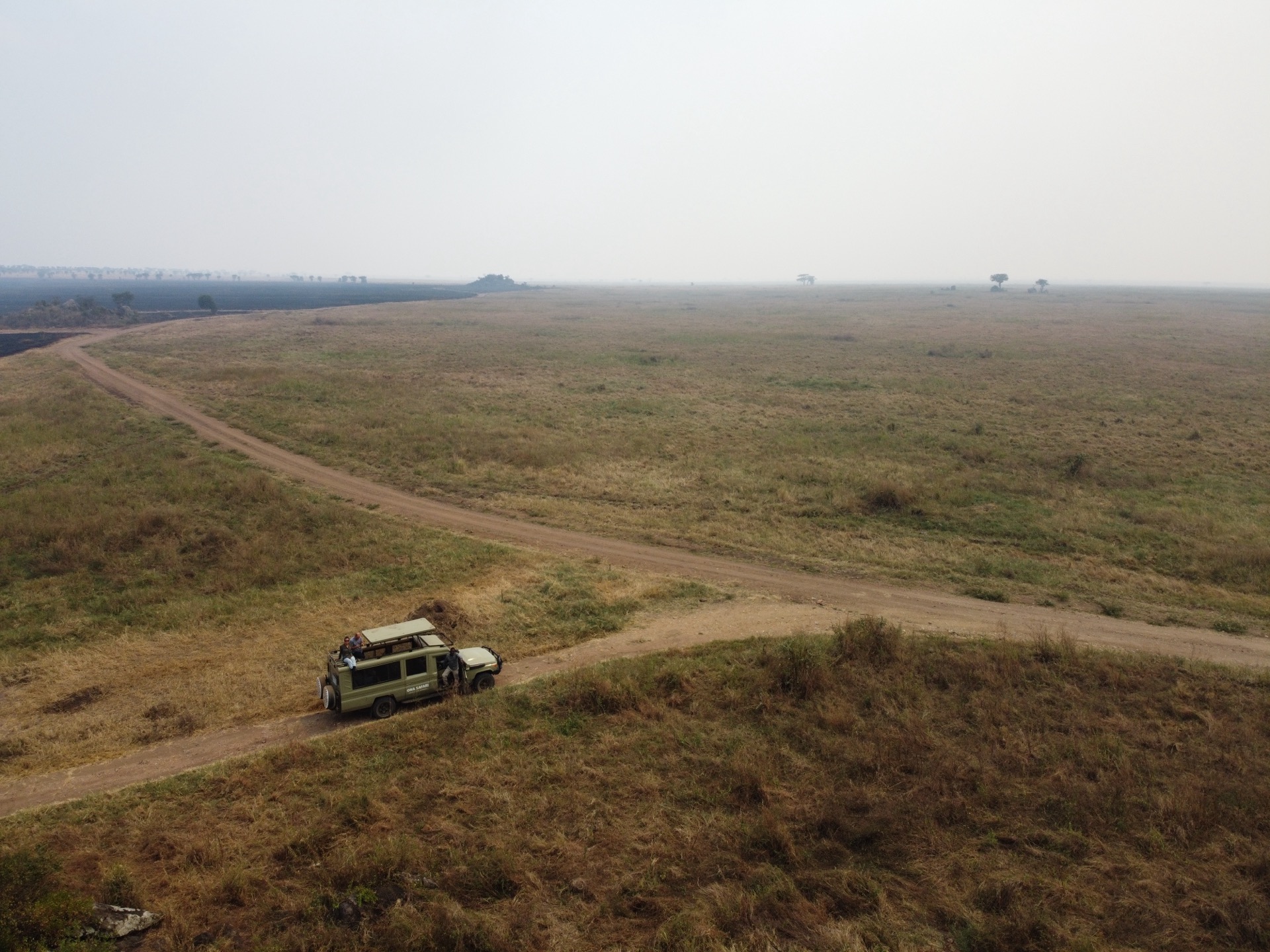
Drive: 3–4 hours via Naabi Hill gate (Serengeti south entrance). The road descends from the highlands onto the Serengeti plain at Naabi Hill — this is where the ecosystem opens up and you drive into it.
The transit day is not wasted. The road through the Ngorongoro Conservation Area and the Serengeti southern grasslands is itself game country: wildebeest columns, Thompson’s gazelle, cheetah in the open. Allow time inside the park rather than driving straight to your lodge.
Seronera is the central hub of the Serengeti — the most accessible area for lodges, with the highest lion density of any section of the park. The Seronera River valley is the principal game corridor: lion, leopard, cheetah, and hyena territories overlap here. Driving the river at dawn is the single best game-drive slot on the circuit.
Accommodation near Seronera: budget camping from USD 25–40/person (plus park fees), mid-range lodge from USD 200–350, luxury tented camp from USD 500–800+.
Day 6 — Serengeti full day
Your second full day in the Serengeti is the best use of time on a 7-day circuit. A single day is not enough — the Serengeti is larger than Switzerland and wildlife moves within it. Day five positions you; day six lets you follow up on what you found.
Typical day structure: 06:00 departure from camp, river drive in the low light. Return by 10:00 for breakfast. Rest during solar noon (11:30–14:00 — this is when most predators sleep and most vehicles are concentrated at a kill or waterhole). 14:30 departure for afternoon drive into sunset.
What to prioritise in June–October (dry season): follow the wildebeest columns moving north toward the Mara River crossings. The timing of crossings is unpredictable — herds mill at the bank for hours or days, then cross within minutes. Being at the wrong crossing point is the classic safari frustration. Ask your driver which crossings had activity in the past 24 hours; experienced guides track this daily.
January–March (calving season): the action is in the southern Serengeti and Ndutu area. Tens of thousands of wildebeest calves born daily, predator density at its annual peak. Ask your operator to adjust your Serengeti sector accordingly — the standard Seronera loop does not optimise for the calving period.
Serengeti park fees: USD 82.60 per person per day (highest of the four main parks).
Day 7 — Morning game drive, fly to Arusha
Last game drive at dawn, then transfer to Seronera airstrip for a morning flight. Bush flight to Arusha: 45 minutes, USD 220–265 per person one way (Coastal Aviation, Auric Air). Arusha arrival mid-morning, international connection from JRO in the afternoon.
The alternative — driving Seronera to Arusha (335 km, 7–7.5 hours on mixed road) — is the budget option but converts your last day almost entirely to transit. The flight converts it to a productive morning game drive plus a comfortable departure. I strongly recommend the flight.
Cost breakdown per person
| Cost item | Budget | Mid-range | Luxury |
|---|---|---|---|
| Park fees (all 4 parks, 6 days) | USD 500–600 | USD 500–600 | USD 500–600 |
| Vehicle + driver-guide (7 days) | USD 200–400 shared | USD 400–600 private | USD 600–900+ |
| Accommodation (6 nights in parks) | USD 200–400 camping | USD 1,200–2,000 lodge | USD 3,000–6,000 |
| Ngorongoro crater vehicle fee | USD 148 (2 pax share) | USD 148 | USD 295 (private) |
| Arusha 2 nights | USD 80–120 | USD 150–250 | USD 300–500 |
| Seronera–Arusha bush flight | USD 220–265 | USD 220–265 | USD 265+ |
| Tips (guide + camp staff, 7 days) | USD 150–200 | USD 200–350 | USD 350+ |
| Total (per person) | USD 1,800–2,500 | USD 4,000–6,000 | USD 8,000–15,000+ |
International flights to Kilimanjaro (JRO) are separate — typically USD 700–1,400 return from Europe.
What to pack for 7 days
The luggage rule on Tanzania’s northern circuit is dictated by light aircraft: soft-sided duffel bags only. Dimensions must be approximately 25×12×10 inches (roughly 63×30×25 cm). Hard-shell suitcases and roller bags cannot fit in the luggage compartments behind the last seat row or in the small aircraft hold. If you plan to fly even one segment — Seronera to Arusha is the standard one — your main bag must be a soft duffel.
Weight limit on light aircraft (Coastal Aviation and similar operators): 15 kg per person including carry-on. The carry-on sits in your lap or under the seat. An XL upgrade seat on some aircraft allows 30 kg, but confirm with your operator.
For 7 days with lodge laundry available — most camps offer same-day or 24-hour turnaround at USD 2–5 per item — you need roughly:
- 3–4 sets of safari clothing in neutral colours (khaki, olive, grey): morning drives are cold at altitude, midday is hot
- 1 fleece or lightweight down jacket for early mornings at Ngorongoro rim (temperatures drop below 10°C at 2,300 m)
- 1 pair of long trousers and 1 pair of convertible trousers/shorts
- Breathable long-sleeved shirts (blocks sun and insects more effectively than short sleeves)
- Broad-brimmed hat, polarised sunglasses, sunscreen SPF 50+
- Sturdy closed shoes or low boots for walking safaris (Tarangire and Ngorongoro rim allow guided walks)
- Binoculars — minimum 8×42 for game drives; a cheap pair makes a real difference
- Camera with telephoto lens if applicable; carry camera gear in your lap on bush flights, not in the checked duffel
Do not bring: trailing scarves, bright colours (white and red startle animals), perfume or strong deodorant on game drives.
I packed a 40-litre duffel for my first northern circuit trip — it fits everything above and weighs well under 15 kg. Use a laundry day at Ngorongoro or Serengeti if you want clean clothes for the beach extension.
What you must book in advance
Two things on the 7-day northern circuit genuinely require pre-arrangement; everything else can theoretically be organised on arrival (though you shouldn’t):
1. Ngorongoro crater descent permit. The vehicle descent fee (USD 295/vehicle) is not a walk-up ticket. In high season (July–October), crater vehicle slots fill and your operator must secure the permit in advance. A missed crater slot means a wasted day — there is no alternative wildlife loop from the rim that matches the crater floor. Book your safari operator at least 6 months ahead for July–October travel.
2. Accommodation inside Serengeti and on the Ngorongoro rim. There are a limited number of lodges and tented camps inside park boundaries. The best properties at Seronera, the northern Serengeti (for Mara crossings), and the Ngorongoro rim book out 9–12 months in advance for peak season. Budget campsites inside the parks are also limited and require TANAPA advance registration.
What does not require pre-booking (but benefits from it):
- Park entry fees are paid at the gate on arrival
- Bush flights have availability up to a few days before, but routes fill in high season
- Arusha accommodation is plentiful and flexible
What 7 days can — and cannot — deliver
Seven days on the northern circuit is genuinely enough to see the best of northern Tanzania. But the gap between what first-timers expect and what any seven-day window can guarantee is worth closing before you arrive.
What 7 days reliably delivers:
- Large elephant herds at Tarangire in dry season (July–October: up to 10,000 elephants concentrate along the river — this is among the highest elephant concentrations on Earth)
- Tree-climbing lions at Lake Manyara, though sightings are not guaranteed on any single morning
- The Ngorongoro crater floor experience — big five on a single day, including the best black rhino sightings in Tanzania (26 individuals counted by recent TANAPA data, down from historical highs but recovering)
- Two full game-drive days in the Serengeti, including lions (the park holds an estimated 3,000–4,000 lions in approximately 300 prides)
- The Serengeti wildebeest migration in its current position — the ~1.3 million wildebeest are always somewhere in the ecosystem, moving in a year-round loop
What 7 days cannot guarantee:
- A Mara River crossing. These are unpredictable on any given day — herds wait hours or days before crossing. You need 2–3 nights in the northern Serengeti and patience to have a realistic chance. On a 7-day standard circuit based at Seronera, you are positioned too far south to reliably reach the north for a crossing
- Seeing all the Big Five. Leopard in the Serengeti is a matter of luck; lions are not. Rhino is best in Ngorongoro crater; there are no established populations in Tarangire or the open Serengeti plains
- A quiet Ngorongoro crater. Peak season means 20–30 vehicles at popular sightings. The concentration of game is extraordinary; the concentration of vehicles is also real
What first-timers consistently underestimate: the size of the Serengeti. At 14,763 km² it is bigger than the whole of Northern Ireland. Your two days at Seronera covers a fraction of it. This is not a problem — Seronera is the wildlife-densest section — but it helps to stop expecting the Serengeti to feel small.
First-timer vs. repeat visitor route options
The standard clockwise circuit (Tarangire → Manyara → Ngorongoro → Serengeti) is optimised for first-timers: each park is dramatically different from the last, the difficulty of terrain increases gradually, and the climax is the Serengeti.
For first-timers: stick to the standard route. The sequence is designed so each day is a step up from the last.
For repeat visitors who have done Seronera: ask your operator to position you in the northern Serengeti from day five. The northern Serengeti (Lamai, Kogatende, Mara River) is a different ecosystem from the central plains — rolling hills, dense woodland, the Mara River itself — and the wildlife pressure from July–October is significantly higher than Seronera. You can skip Lake Manyara on a repeat visit (or turn it into a half-day) and use that time to extend the northern Serengeti segment.
For repeat visitors who have done the migration crossings: the southern Serengeti in calving season (January–March, particularly February) is the other window that changes the character of the trip entirely. The Ndutu area, south of Seronera toward the Ngorongoro boundary, holds vast concentrations of wildebeest calves in a 2–3 week peak. Predator activity — cheetah, lion, hyena, wild dog — is at its annual maximum. I went in late February on my third Serengeti visit and the calving plains were unlike anything from the July crossings.
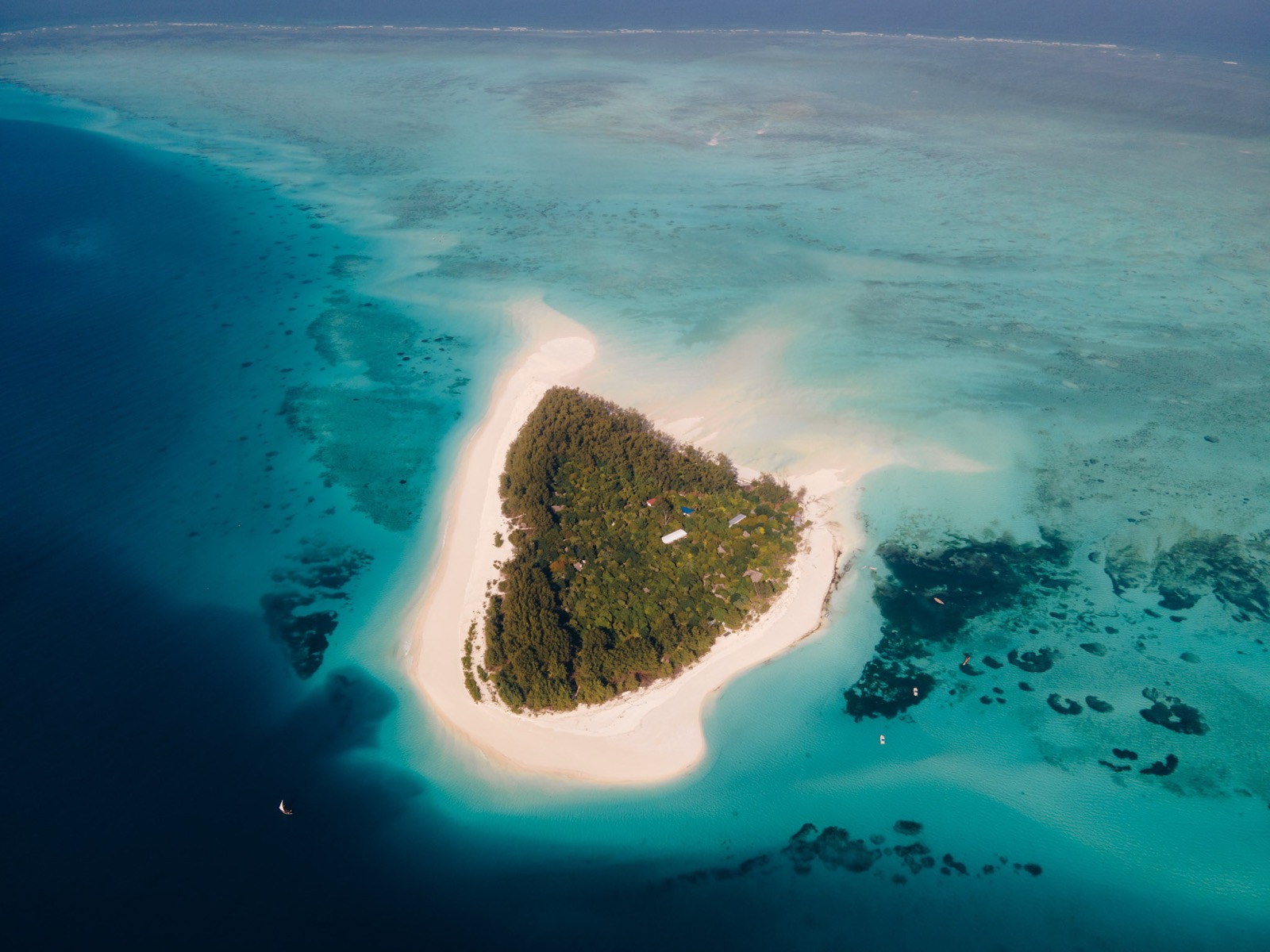
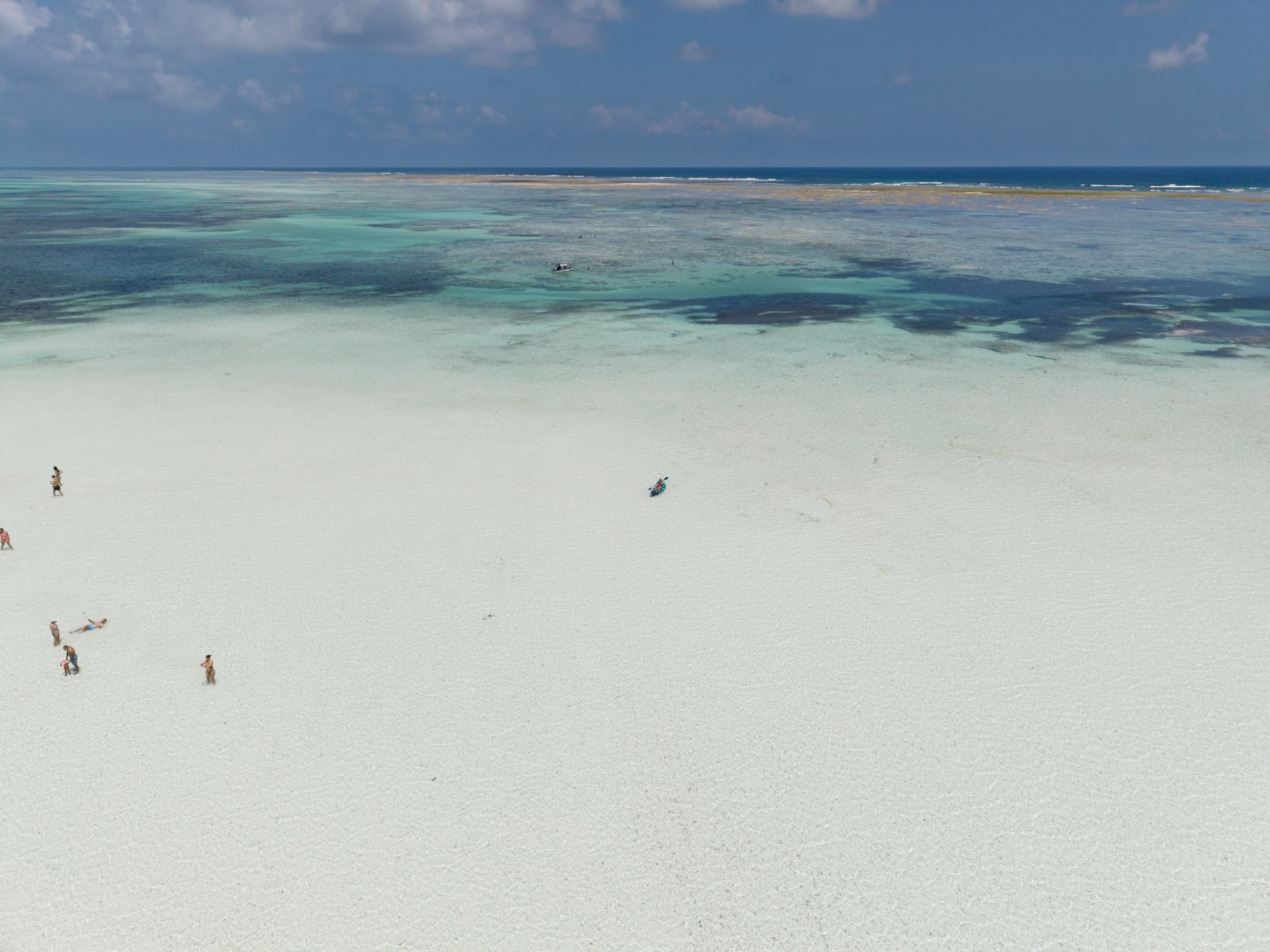
Adding Zanzibar
The most natural extension to this itinerary is a beach leg at the end. From Seronera, a single connecting flight via Dar or Arusha reaches Zanzibar (ZNZ) in half a day — the same day you leave the bush. Five to seven nights on the coast lets you decompress from the early starts and the dust.
The Tanzania + Zanzibar 10-day itinerary shows how the combined trip works with a slightly shorter 4-day safari leg. For more on the flight logistics between the Serengeti and the coast, see how to get to Zanzibar.
For more on specific parks before you go: Serengeti guide · Ngorongoro guide · Tarangire guide · Lake Manyara guide · Tanzania safari costs guide · Tanzania safari preparation
Frequently asked questions
How many days do you need for the Tanzania Northern Circuit?
Seven days is the practical minimum for a complete northern circuit that includes all four main parks: Tarangire, Lake Manyara, Ngorongoro, and Serengeti. Five days is not enough — you spend too much time driving and not enough time inside the parks. Eight to ten days allows a second Serengeti night and a calmer pace.
How much does a 7-day Tanzania safari cost?
Budget camping (shared group vehicle, tented camps): USD 1,800–3,500 per person including park fees, vehicle, guide, and accommodation. Mid-range private lodge safari: USD 4,000–6,000 per person. Luxury (tented camps like Singita, &Beyond): USD 8,000–15,000+ per person. Park fees are fixed and roughly the same at all budget levels — around USD 500–600 per person for the full circuit.
What is the best time for a 7-day northern circuit safari?
June to October is dry season — grass is short, animals concentrate at waterholes, and game viewing is excellent. The Serengeti calving season (January–March) is the other peak window — thousands of wildebeest calves born in the southern Serengeti, attracting predators in extraordinary numbers. Avoid April and May (heavy rains, difficult tracks).
What are the Ngorongoro Crater fees?
Non-resident adult entry to Ngorongoro Conservation Area costs USD 70.80 per person per day. The crater descent adds a vehicle fee of USD 295 per vehicle per trip (regardless of how many passengers). On a 7-day northern circuit, you budget one full crater day — Ngorongoro fees alone for two people in a private vehicle run roughly USD 437.
Can I add Zanzibar to a 7-day Tanzania safari?
Yes — the classic combination is 7 days safari + 5 to 7 days Zanzibar, totalling 12 to 14 days. From Serengeti you fly to Zanzibar via Arusha or Dar es Salaam (one travel day). See the Tanzania + Zanzibar 10-day itinerary for the combined version, or the Zanzibar 7-day itinerary if doing the island standalone.
What bag size do I need for a Tanzania bush safari?
Light aircraft on the northern circuit enforce a strict soft-sided bag rule — approximately 25×12×10 inches (roughly 63×30×25 cm), maximum 15 kg including carry-on. Hard-shell suitcases and roller bags are not allowed in the cabin or behind the rear seat row. Pack a soft duffel. Most lodges offer laundry at USD 2–5 per item with a 24-hour turnaround, so you do not need clothes for every day.
What must I book in advance for a Tanzania northern circuit safari?
Two things genuinely require advance reservation: (1) Ngorongoro crater descent — the crater vehicle permit (USD 295/vehicle) must be arranged through your operator ahead of time, especially in high season when vehicle slots fill; (2) accommodation inside Serengeti and on the Ngorongoro rim fills months out in peak season. Your operator handles both. Book the full safari at least 6–12 months ahead for July–October travel.
Is 7 days enough to see the Great Migration?
It depends on the month. In July–October, a 7-day circuit puts you in the Serengeti during the Mara River crossing period — you need 2 full days in the northern Serengeti to have a realistic chance. Ask your operator to position you north of Seronera in those months. In January–March the calving action is in the southern Serengeti near Ndutu, and 2 days is enough to see it. In the shoulder months, wildlife is everywhere in the Serengeti regardless.