
Facts & prices checked: 2026-06-25
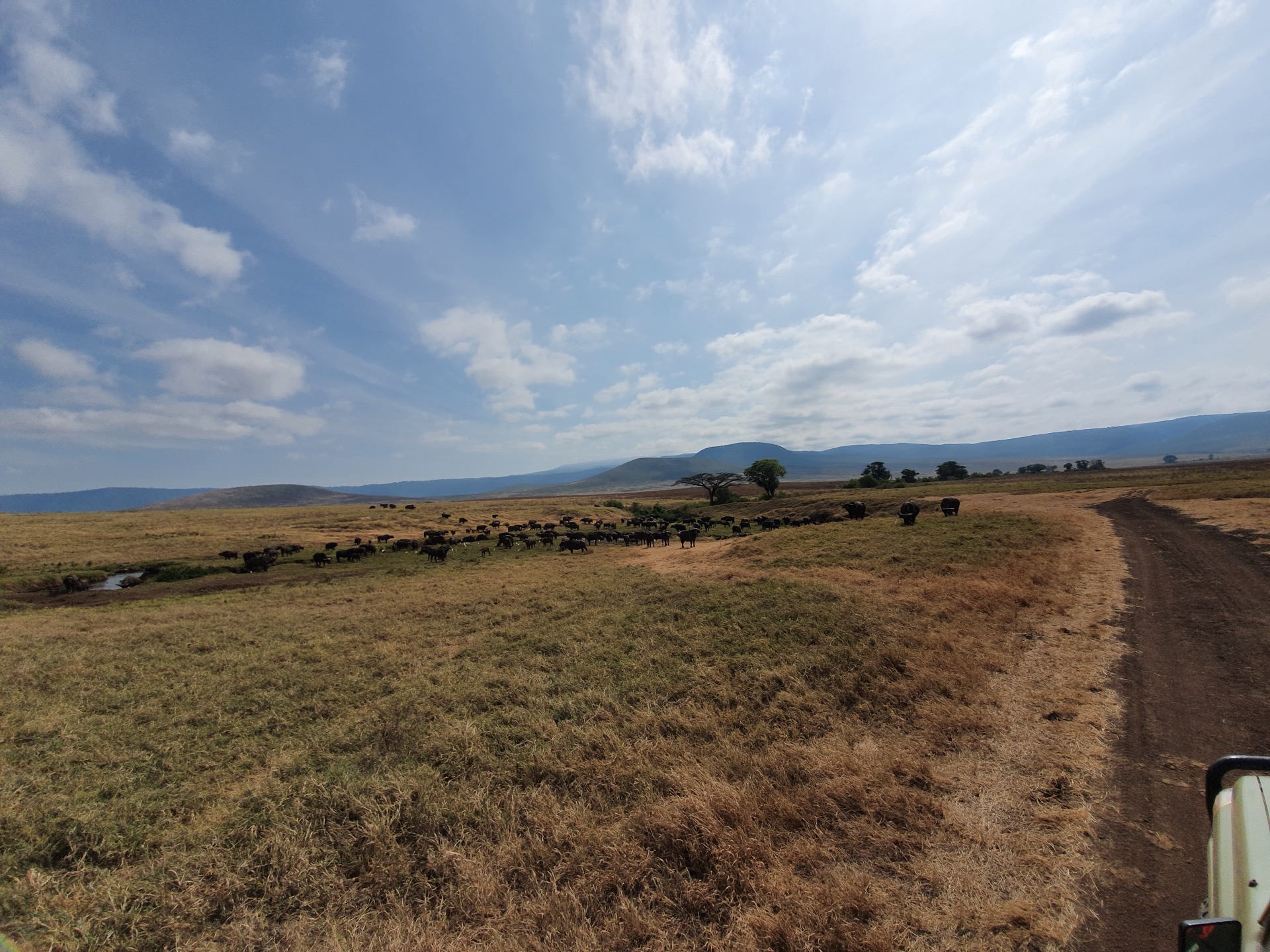
Ngorongoro operates on different seasonal logic from every other park on the northern circuit. The question is not “when will the animals be there?” The animals are always there. The crater floor holds permanent water and a permanent resident wildlife population — wildebeest, zebra, buffalo, lions, and black rhinos — that does not migrate, does not follow seasonal rain to another ecosystem, and does not disappear between visits.
What changes with the seasons is not the wildlife, but the conditions: descent road firmness, grass height, flamingo numbers on Lake Magadi, bird diversity, visitor volumes, and the rim’s distinctive highland climate. Knowing which of those variables matters most to you is how you choose the right month.
Why Ngorongoro’s season logic differs from the Serengeti
In the Serengeti, the game moves. You go in August to see the Mara River crossings, or in February for the wildebeest calving. The migration defines the timing. Miss it and you are doing excellent, ordinary game driving — not the signature event.
In Ngorongoro, there is no equivalent “miss.” The crater is a self-contained ecosystem. Its caldera walls and floor trap enough water — Lake Magadi, the Ngoitoktok Springs, and several seasonal streams — to sustain large mammal populations year-round without seasonal dispersal. The wildebeest and zebra inside the crater are a resident population. The lions — more than 60 individuals — are resident prides with territories entirely within the crater walls. The black rhinos descend to the floor as part of a stable population in the wider Conservation Area, not as seasonal visitors.
This permanent residency simplifies the seasonal question at one level: you cannot make a catastrophically wrong choice. But it also shifts the question to conditions — and the conditions vary meaningfully. The difference between the crater on a clear June morning with ten vehicles and the same crater on a grey August afternoon with thirty vehicles at every sighting is real, and understanding it matters.
The five variables that change by season at Ngorongoro:
- Descent road conditions — firm and dry June–October; muddy and occasionally impassable April–May
- Grass height — short and golden in the dry season (better predator sightlines); long and green in the wet months
- Flamingo numbers on Lake Magadi — highest in the green season (December–March) when rains raise water levels and cyanobacteria
- Bird diversity — migratory birds arrive November–April, peaking in diversity April–May
- Visitor volumes — peak July–August; lowest April–May
The crater rim’s distinctive microclimate
The Ngorongoro Crater rim sits at 7,200–7,500 feet — and that elevation produces a climate that catches first-time visitors completely off guard.
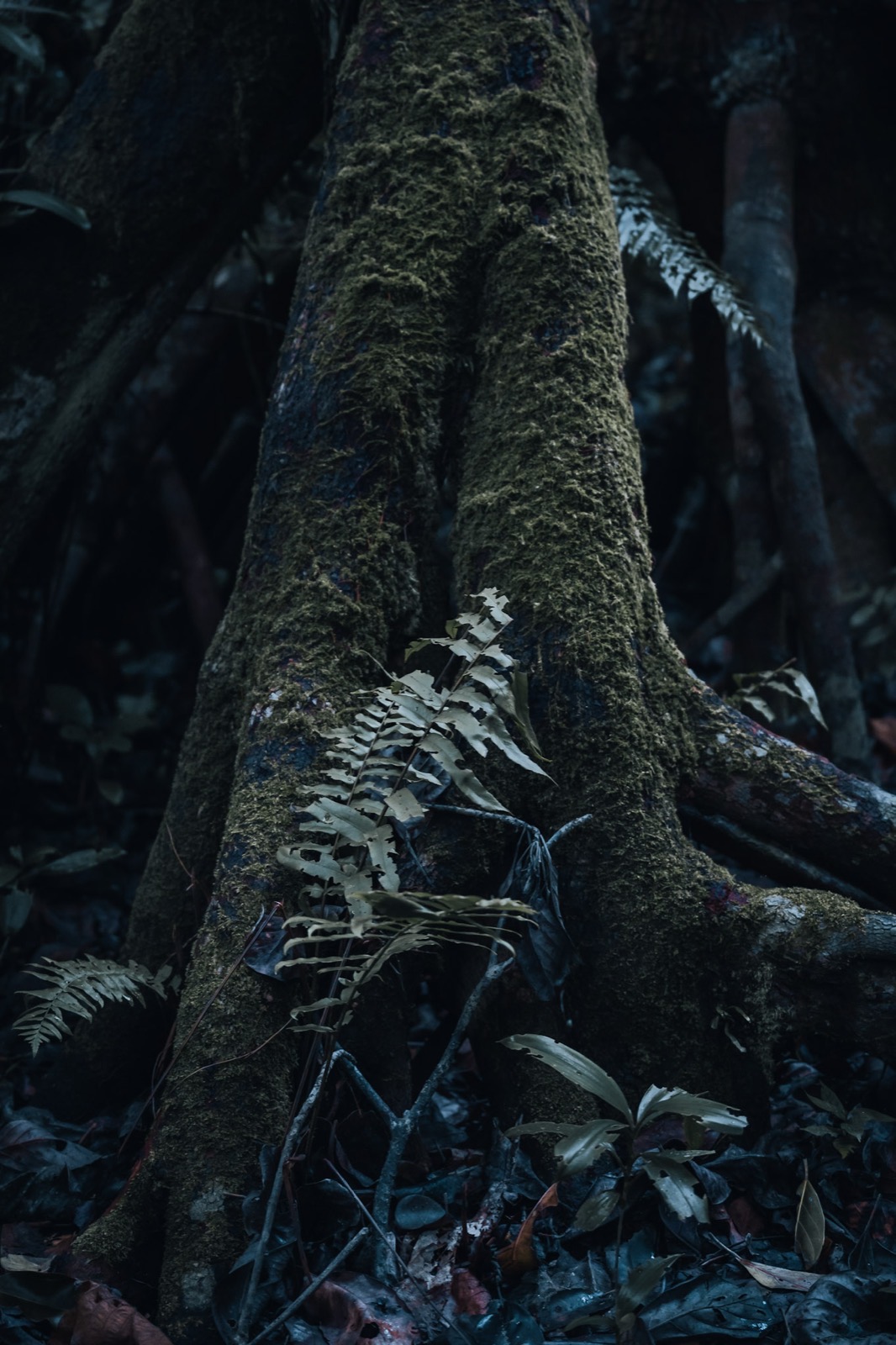
At this altitude, the crater rim is significantly cooler and wetter than the surrounding landscape. The Serengeti plains to the west sit hundreds of metres lower. The Rift Valley floor is drier and warmer. The rim itself is Highland Tanzania — with cloud forest on the outer slopes and montane vegetation that reflects the consistent moisture the highlands receive. In November and April–May, the rim can sit in fog and low cloud for hours, and the outer rim forest drips even when rain isn’t technically falling.
The practical consequence: bring a warm layer for any Ngorongoro visit, any time of year. Pre-dawn temperature on the rim before the crater descent — the moment you are standing at the gate in your game drive vehicle — can be well below 20°C even in August. I have shivered through August mornings on the Ngorongoro rim in a fleece while the Serengeti below baked.
The crater floor sits roughly 610 metres below the rim and has a drier, more sheltered character. The descent itself passes through the wet, often misty forest zone on the rim — which is where the roads get muddy in the rain seasons. Once you reach the floor, the climate is noticeably different: warmer, more open, with the dramatic light that comes from being inside a caldera bowl.
This elevation also explains why the crater rim photographs so differently from the floor. The rim viewpoints in clear dry-season mornings, when the crater is still filled with mist below and the light is hitting the eastern wall from above, produce images no other location in Tanzania can replicate.
The dry season: June to October
June to October is the most recommended time to visit Ngorongoro, and the logic is sound.
Road conditions are the foundation. The Seneto and Lerai descent roads — steep, rutted even in good conditions — are firm and dry in June–October. Vehicles descend confidently. The crater floor tracks are passable without the vehicle-recovery anxiety that comes with April mud.
Grass height is the second major advantage. Short, dry-season grass dramatically improves sightlines for smaller predators. Cheetah are the clearest beneficiary — a cheetah scanning from a termite mound across short-grass plains is visible from 300 metres; the same animal in April’s long green grass is invisible from 50. The crater’s resident cheetah population is small but reliable in the open northwestern short-grass section. Lion hunting sequences and hyena activity are also easier to follow in short vegetation.
The peak and its compromise. July and August are the peak months, and the conditions are excellent. The problem is vehicles. At popular sightings — a lion pride on the western grassland, the Ngoitoktok hippo pool at lunchtime, any rhino sighting — the vehicle concentration in July–August can mean 20–30 vehicles at a single spot. The crater’s vehicle limit manages overall numbers but does not prevent concentration. The honest trade-off of peak season is excellent conditions plus significant human presence.
October: the best single month. October is still dry. The descent roads are firm, the grass is short, the skies are clear. But visitor numbers have fallen from August’s peak, and two things are beginning that July cannot offer: migratory birds are starting to arrive in numbers, adding biodiversity without adding crowds, and the October light — slightly softer than the intense dry-season noon of August — is excellent for photography. The rhino and lion sighting quality from short grass is preserved. The flamingo trade-off is real (numbers are lower than the green season), but the crater floor in October is the quietest good-conditions month of the year.
Early departure matters more than month. Regardless of when you visit June–October, the single biggest quality variable is arrival time at the descent gate. I have found that reaching the gate at 06:30 — or earlier in peak months — makes more difference to the experience than choosing September over July. The first hour on the crater floor, before the later starters reach you, catches animals in their most active post-dawn period, catches the best photographic light, and almost always has fewest vehicles.
The green season: December to March
December to March is Ngorongoro’s green season, and it has its own logic — centred on Lake Magadi flamingos and the deep-green landscape character that the dry season never offers.
The flamingo peak. Lake Magadi on the crater floor is a shallow, alkaline soda lake. Its cyanobacteria content — the blue-green algae that flamingos filter-feed on — rises with rainfall. When the rains increase the lake’s water level through December–March, the cyanobacteria bloom, and flamingo numbers peak. Both lesser flamingos (Phoeniconaias minor) and greater flamingos (Phoenicopterus roseus) use Lake Magadi, but lesser flamingos dominate. Numbers can reach hundreds to thousands at peak. In the dry season, flamingos are still present but in smaller, more scattered concentrations. If flamingos are a priority, the green season is your window.
Migratory birds at peak diversity. November through April is when Tanzania’s migratory bird species are present, and April–May is the technical peak of diversity. For the green season months of December–March, the bird list is richer than any dry-season visit. Waders, raptors, and East African migrants all add to the year-round resident species.
The Ndutu connection. For visitors combining a crater visit with the wildebeest calving, December–February works naturally. The Ndutu Plains in the southern Ngorongoro Conservation Area are where the Serengeti wildebeest herd calves — January to March, peaking in February. The calving draws intense predator concentrations: lions, cheetahs, hyenas, wild dogs. Most visitors doing a calving-season itinerary spend a night or two on the crater rim before or after Ndutu. The crater visit in February has clear, relatively dry skies and elevated predator density influenced by the calving happening on the plains to the south.
Fewer vehicles. Green season visitor numbers across the northern circuit are lower than July–August. The crater floor in December–February has a fraction of the vehicle density of peak months, which changes the quality of every sighting.
The landscape. The crater in the green season is a genuinely different visual experience — intensely green, with storm clouds building over the rim in the afternoons. The caldera walls, which in the dry season are golden-brown, are forested green. It is more photogenic in certain respects, particularly in the long grass that creates foreground depth, and the dramatic skies that the clear dry season never produces.
November: the underrated month
November is technically the start of Tanzania’s short rains, but Ngorongoro in November is consistently underrated by travellers who avoid it on weather grounds.
The short rains are different in character from April–May. In November, rain events tend to be afternoon showers rather than all-day downpours. Morning game drives — which are the only ones that matter in the crater — are often completely clear. By the time rain arrives in the afternoon you are likely back at the rim lodge already.
Bird numbers are building through November as migratory species arrive. Vegetation is starting to green up, which creates the visual beauty of the green season without the full mud challenge of April. Visitor numbers have dropped from October’s already-moderate levels.
The one genuine November caution is the descent roads. Early heavy rains can make the Seneto descent muddy. If your trip is in November, confirm road conditions with your operator in the days before your crater visit, and ensure your vehicle and guide team are experienced with the crater floor in wet conditions.
Rim lodge prices in November are typically lower than the dry-season peak — worth factoring in if cost is a consideration.
April to May: the challenging long rains
April and May are the most challenging months at Ngorongoro for most visitors, and being honest about why matters.
The descent roads. This is the core issue. The Seneto and Lerai descent roads pass through the wet highland forest zone on the crater rim. In the long rains, these roads can accumulate deep mud. On particularly wet weeks, they can be temporarily impassable. If you plan a crater floor visit in April or May, your operator must check conditions in real time — do not assume accessibility.
Grass height. Long-rain-season grass on the crater floor is at its tallest. Cheetah visibility in the northwestern short-grass section, which is excellent in October, is substantially reduced. Lion sightings happen but require more patience. Predator-prey sequences that are visible from 200 metres in August require getting much closer, or luck, in April.
What you gain. The bird diversity in April–May is the highest of any month — the full complement of migratory species plus all resident species, in the year’s deepest-green vegetation. In April, the crater floor is intensely green and the bird list extraordinary. Visitor numbers are the lowest of the year. A crater floor in May can have five or fewer vehicles on the entire floor. For a visitor who has been to Ngorongoro before and wants a completely different experience — the private, quiet, deep-green version — April–May is genuinely remarkable. You will see the wildlife. You will have it largely to yourself.
Prices at rim lodges and for the overall northern circuit are at their lowest in April–May, typically 30–40% below peak.
Month by month: Ngorongoro at a glance
| Month | Conditions | Crater Roads | Flamingos | Visitors | Best For |
|---|---|---|---|---|---|
| Jan | Warm, green, some rain | Generally passable | Peak numbers | Low–moderate | Flamingos + Ndutu calving start |
| Feb | Dry skies, green landscape | Passable | Peak numbers | Low–moderate | Flamingo peak; calving season Ndutu; clear light |
| Mar | Green season winding; rains building | Passable; watch conditions | High–moderate | Low | Green landscape; Ndutu calving |
| Apr | Long rains; heavy rain possible | Muddy; sometimes impassable | Moderate | Minimal | Birds; solitude; challenging for first visits |
| May | Wettest month; long rains | Often muddy; check daily | Lower | Minimal | Lowest prices; extraordinary solitude; hard conditions |
| Jun | Drying; skies clearing | Drying; mostly firm | Lower | Low | Dry season opening; good value; shorter grass |
| Jul | Dry; clear skies | Firm and dry | Low | High | Peak dry season conditions; busy |
| Aug | Driest; clearest | Firm and dry | Low | Peak | Best conditions; most vehicles of the year |
| Sep | Dry; clear | Firm and dry | Low | High | Excellent; slightly fewer than August |
| Oct | Dry; dramatic skies possible | Firm and dry | Lower | Moderate | Best single month: dry + quieter + birds arriving |
| Nov | Short rains; greening | Mostly firm; mud risk | Building | Low | Underrated; green season start; lower prices |
| Dec | Greening; rains easing by mid-month | Passable | Building to peak | Low | Underrated; clear late month; few vehicles |
Tim’s season preference: why I choose October
July is an excellent month for Ngorongoro. The conditions are as good as the year gets — firm roads, short grass, clear sky, everything working. But July has a problem: if your priority is the rhino, or a quiet lion sighting where you can actually watch the pride without a ring of other vehicles, July makes both significantly harder.
The crater in late July or August at a rhino sighting might have 15 vehicles positioned around a single animal at 200 metres. That is a rhino sighting — you have seen it — but it is not what a rhino sighting in the wild feels like at its best.
October changes that equation. The conditions are still excellent: the roads are dry, the grass is short, the early mornings are cold and clear. But visitor numbers have fallen from August’s peak. The two things October adds that July cannot offer are bird diversity — migratory species are arriving in numbers that add to the resident bird list in ways July simply does not have — and a quieter crater. You trade the absolute peak of flamingo numbers (those peak December–March) for better quality at every sighting.
If I were planning a first visit to the crater — particularly with rhino as a priority species — I would choose October without hesitation. If I were combining the Ngorongoro visit with a calving-season trip to Ndutu, I would choose February. If flamingos were the specific interest, I would choose January or February. But for the single best all-around month for the crater floor experience, October is the answer.
The Ngorongoro crater floor guide covers the five habitats in detail, the lion and hyena dynamics that make early morning drives extraordinary, and the practical logistics of the descent. For the full northern circuit — how to combine Ngorongoro with Serengeti, Tarangire, and Lake Manyara — see the Northern Circuit park sequence. For timing across Tanzania as a whole, the Tanzania when to visit guide covers the full seasonal picture.
Frequently asked questions
What is the best month to visit Ngorongoro Crater?
October is the single best month if you want the optimal combination of dry conditions, fewer visitors than peak summer, short grass for predator sightings, and the start of migratory bird arrivals. July and August are the peak months — excellent conditions but the highest vehicle density on the crater floor. June is a good alternative to August that avoids school holiday pressure. For flamingos specifically, December to February is the best period — Lake Magadi flamingo numbers peak in the green season when rains raise the water level and cyanobacteria flourish. For maximum privacy and the unique experience of a rain-soaked, deep-green crater, April and May offer extraordinary solitude but with challenging road conditions and long-rain weather.
When do flamingos appear at Ngorongoro?
Lake Magadi on the Ngorongoro Crater floor has flamingos year-round, but numbers peak during the green season — roughly December to March — when the rains raise the lake's water level and alter its alkalinity in ways that promote the cyanobacteria that flamingos feed on. Both lesser flamingos (Phoeniconaias minor) and greater flamingos (Phoenicopterus roseus) use Lake Magadi, with lesser flamingos typically more numerous. Numbers can reach hundreds to thousands at the right moment; in the dry season, flamingos are still reliably present but in smaller concentrations.
Is Ngorongoro good in the rainy season?
Ngorongoro's rainy seasons divide into two periods with different characters. The long rains (April–May) are the most challenging: the descent roads can become deeply muddy and are occasionally impassable, visibility through long green grass is at its worst for predator sightings, and rain can fall for extended periods. However, bird diversity is at its highest of the year and visitor numbers are at their lowest — an extraordinary solitude experience for those who handle the conditions with the right operator. The short rains (November) are much milder: shorter rain events, often afternoon-only, with building bird numbers and a greening landscape. November is significantly more accessible than April–May for most visitors.
Does the Ngorongoro Crater get cold?
Yes, particularly on the rim. The crater rim sits at 7,200–7,500 feet and has a highland microclimate that is significantly cooler and wetter than the surrounding Serengeti and Rift Valley lowlands. Night temperatures on the rim can drop well below 20°C even in the dry season, and pre-dawn temperatures before the crater descent can be genuinely cold. The crater floor is roughly 610 m lower and warmer, but the descent itself passes through the cool, often foggy rim forest zone. Bring a warm layer for any Ngorongoro visit — the morning departure for the crater is always cold regardless of season.
What is different about visiting Ngorongoro in green season vs dry season?
The two seasons offer fundamentally different experiences. Dry season (June–October): short grass for optimal predator sighting, firm descent roads, clear morning light, warm sunny afternoons after cold mornings — the most popular conditions. The crater landscape is golden and open. Green season (December–March): long, deep-green grass creates richer landscape visuals, flamingo numbers on Lake Magadi peak, migratory birds are at their most diverse, far fewer vehicles on the crater floor. The crater looks completely different — green and humid rather than golden and dry. For rhino, the short grass advantage of the dry season matters (easier to spot near the Lerai Forest in shorter vegetation). For flamingos and birds, green season is markedly superior.
Can you visit Ngorongoro year-round?
Yes, Ngorongoro is technically accessible year-round, but some periods require more careful planning. April and May (long rains) occasionally make the descent roads genuinely impassable — check road conditions with your operator before planning a crater floor visit in these months. All other months are accessible with appropriate 4x4 vehicles. The rim lodges are open year-round. The crater floor vehicle limit operates throughout the year; during peak season (July–August) the limit is reached earlier in the day, making pre-dawn arrival at the descent gate more important.