
Facts & prices checked: 2026-06-25
The descent into the Ngorongoro Crater floor is one of the defining moments of a Tanzania safari. You are driving 610 metres below the caldera rim, dropping through acacia woodland into a self-contained world — 260 km² of grassland, forest, and soda lake, enclosed on all sides by ancient volcanic walls, with one of the densest wildlife concentrations anywhere on earth.
This guide covers the crater floor specifically: the five distinct habitats, the lion and hyena dynamics that make early morning game drives here extraordinary, the critically endangered black rhino and where to find them, Lake Magadi’s flamingos, and the practical logistics of making the descent.
For the full Ngorongoro overview — costs, rim lodges, timing across the year, what else the wider NCA offers (Empakaai, Olmoti, Olduvai Gorge) — see the main Ngorongoro page.
A caldera, not a crater
Ngorongoro is not a meteor-impact crater. It is a volcanic caldera — the collapsed summit of a massive volcano that exploded and fell in on itself approximately 2.5 million years ago. The distinction matters because it explains the shape: roughly circular, steep-walled on every side, with a relatively flat floor.
The resulting structure is the world’s largest intact and unflooded volcanic caldera. The floor covers approximately 260 km². The rim is approximately 20 km in diameter. The caldera walls rise 400–610 metres above the floor. From the crater rim viewpoints, you can stand at the edge and see the entire arena at once — herds that look like scattered grey dots 600 metres below.
This geology created the ecology. The caldera walls form a natural enclosure that retains moisture, shelters animals from the drying winds of the plateau, and provides a near-constant supply of grass, water, and cover. The result: wildlife here is largely resident year-round. Animals don’t need to migrate in and out, as Serengeti wildebeest do. The 260 km² provides enough food and water for approximately 25,000 large mammals at any time. The crater has its own population of wildebeest and zebra that stay inside permanently.
This permanent residency changes the safari experience. In the Serengeti, the wildlife is distributed across 30,000 km² and you can drive for an hour between sightings. In the Ngorongoro Crater, all of it is here, all of the time, in a space you can cross in under an hour.
The crater floor landscape
The 260 km² floor is not uniform. It contains five distinct habitats that each hold different species, and understanding the geography helps you use your time well.
Short-grass plains (northwest): The flattest, most open section of the crater floor. Cheetah territory — the sight lines extend for kilometres in every direction, which is exactly what a coursing predator needs. Open visibility makes photography here exceptional in early morning light.
Long-grass areas (east and south): Longer, rougher grassland covering the eastern and southern sections. This is lion and hyena country — the cover is enough for ambush, and large buffalo herds concentrate here, providing the crater’s apex predators with reliable prey.
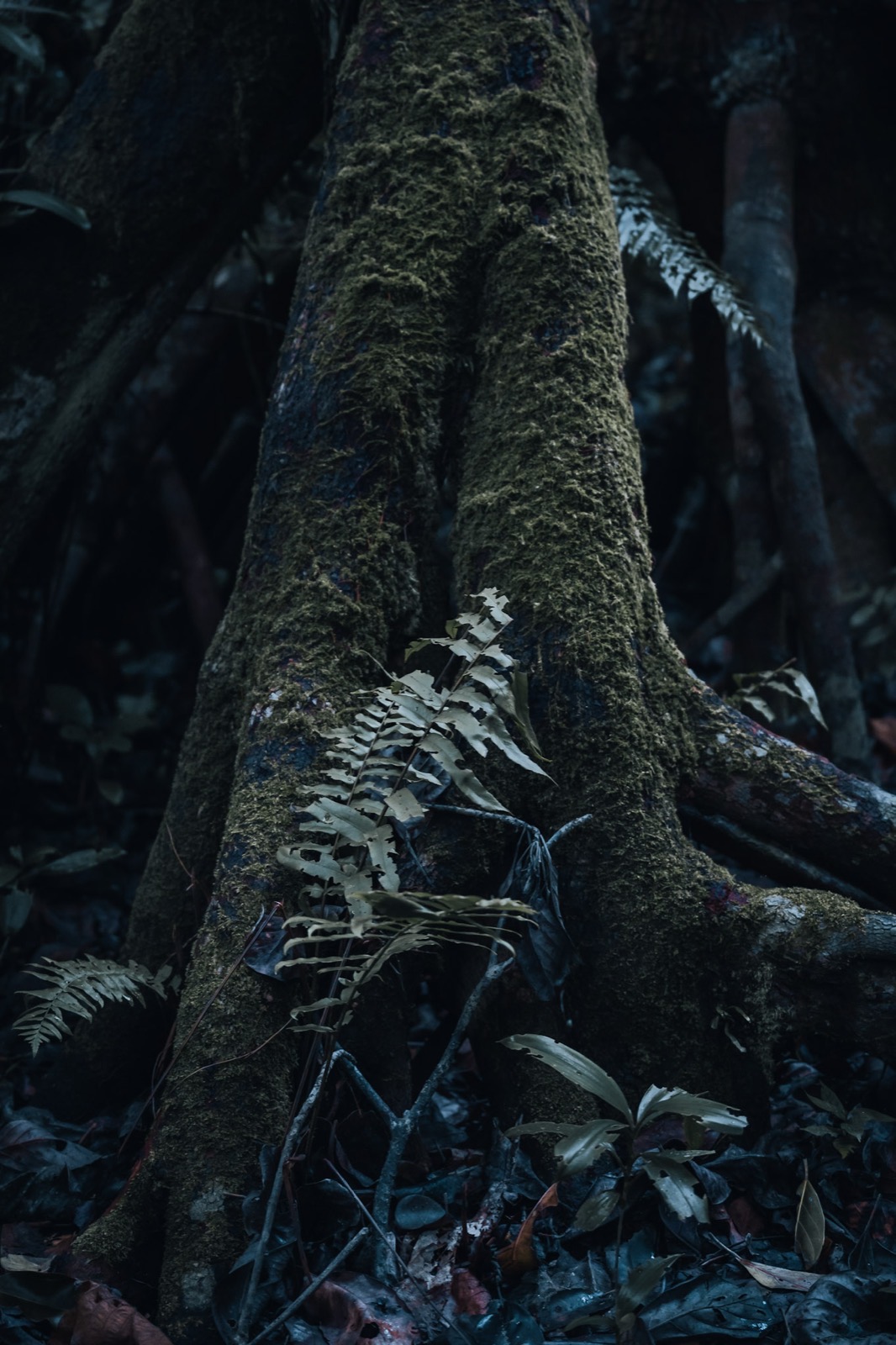
Lerai Forest (central-west): A woodland of yellow-fever acacia on the western floor. Elephants — primarily old bull elephants descending from the rim — feed here regularly. Leopards are elusive residents. This is also the zone where black rhinos most reliably appear in the early morning, moving from the forest edge out into the warming grassland. The Lerai Forest is one of the descent routes (the Lerai ascent road exits through the forest, which gives a close view at good game-drive speed).
Lake Magadi and Ngoitoktok Springs (central): Lake Magadi is a shallow, alkaline soda lake on the central-western floor. It is endorheic — no outlet — and the high alkalinity supports cyanobacteria blooms that lesser flamingos feed on. Hundreds to thousands of lesser flamingos gather on Lake Magadi, with numbers peaking during the rainy season when water levels and algae blooms are at their highest. Both lesser and greater flamingos are present, but lesser flamingos dominate. At the Ngoitoktok Springs, a freshwater spring feeds a hippo pool that is the one year-round, reliable hippo stop on the crater floor — typically 20–50 hippos visible from vehicles. This is also the location of the designated picnic site; a practical note: black kites patrol the area and dive for food with precision, so eating inside the vehicle is strongly recommended.
Gorigor Swamp (southeast): A seasonal wetland in the southeast corner providing habitat for waterfowl, wading birds, and additional hippo pods. Less visited than the Ngoitoktok pool but worth including on a full-day drive.
Lion and hyena — the dominant predators
The Ngorongoro Crater holds one of the best-studied, most intensively documented lion populations in the world. The population has been monitored continuously for decades. Long-term population studies have recorded the population ranging between 29 and 124 individuals over the decades, reflecting the density-dependent pressures a bounded population experiences; the current resident population is more than 60 lions. Within a 260 km² enclosure, that concentration represents one of the highest lion densities anywhere in Africa.
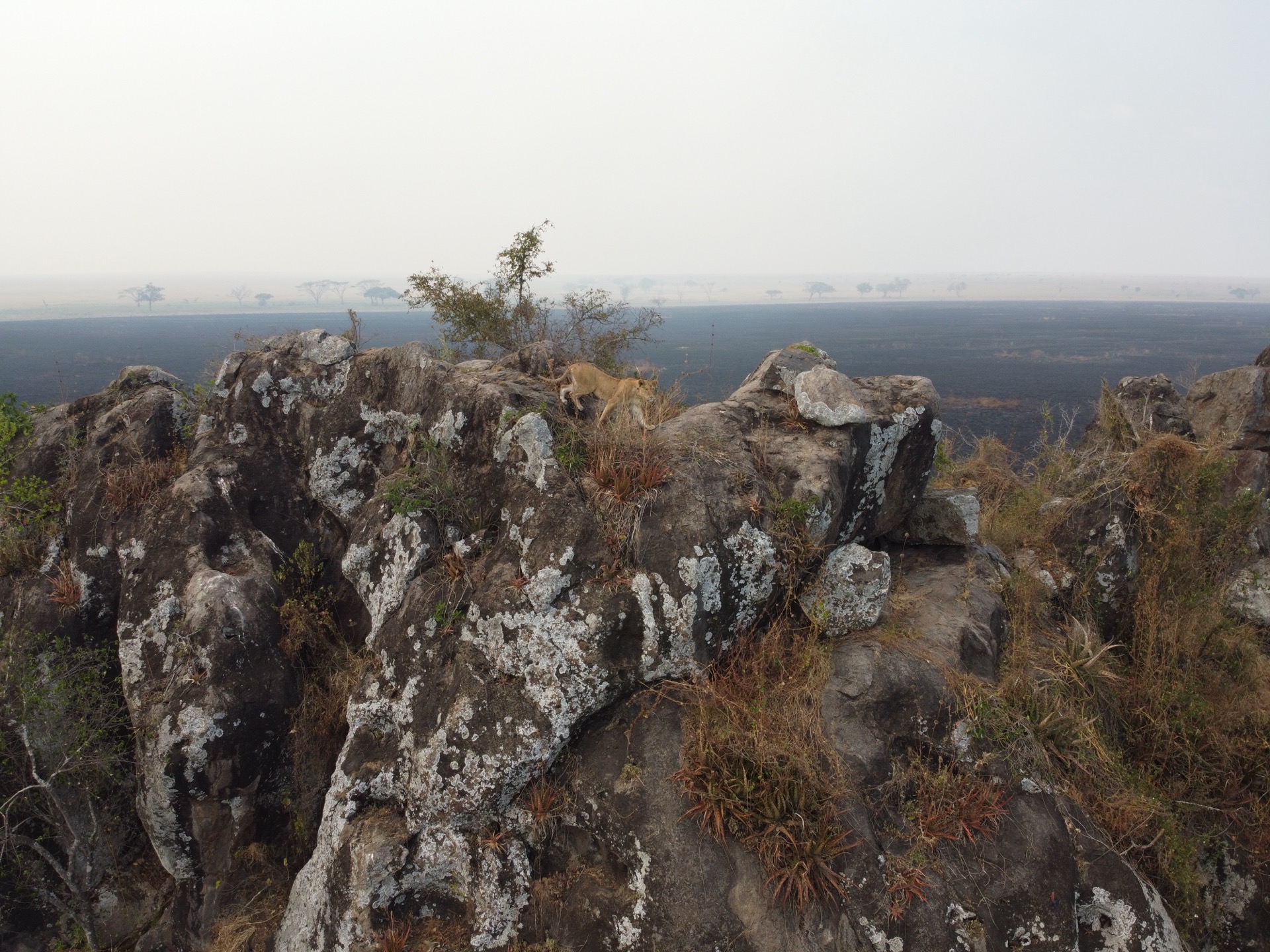
What makes crater lions memorable is habituation. These animals have been watched from vehicles for generations. A lion pride encountered on the Ngorongoro floor will often allow a vehicle to pull to within 10 metres. You sit at the same height as the animals. The lack of fear is complete, and the encounters — especially in early morning when lions are still active from the night’s hunting — can be extraordinary.
The crater’s isolation has another consequence: the lion population is genetically distinct from the broader Serengeti population. The steep rim acts as a barrier that most lions don’t cross, so crater lions have bred within a confined gene pool for decades. This has produced measurable effects on the population’s genetics and disease resilience.
What many visitors don’t know until they arrive: spotted hyenas are the crater’s dominant predator, not lions. The Ngorongoro Crater is organised into 8 resident spotted hyena clans. Hyena social groups here can include up to 130 members — with compositions including up to 50 adult females, 40 adult males, and 40 offspring. Spotted hyenas are active for 53% of the dark hours between 19:00 and 06:00, and 96.2% of all observed hyena activity in the crater occurs in this nocturnal window.
Hyenas kill more prey in the crater than lions do. The nightly cycle of hyena hunting is what generates most of the night’s kills, and early morning game drives — starting before dawn and reaching the crater floor at first light — often catch the end of that activity: hyenas finishing a kill, a clan feeding, the shift of energy as the sun comes up.
The interaction between crater lions and hyenas is one of the great wildlife behaviours. Lions will mob hyena kills and take them; hyenas will pack-harass solitary male lions and steal back. Neither species has a clean dominance advantage in every encounter, and the see-saw is visible if you watch long enough. A dawn crater drive that finds a kill in progress is one of the most complete predator-prey scenes in Africa.
The black rhino — rarest Big Five member
The black rhino is the animal most visitors most want to see at Ngorongoro, and with good reason. The eastern black rhinoceros (Diceros bicornis michaeli) is classified as Critically Endangered on the IUCN Red List. Tanzania holds approximately 263 black rhinos in total (TAWIRI 2024 count — up from 162 in 2015, a genuine recovery trajectory). The Ngorongoro-Serengeti ecosystem holds one of the largest free-ranging black rhino populations in Africa — approximately 161 of them live in the wider Ngorongoro Conservation Area. The crater floor itself, at 260 km², holds a smaller resident group of around 20–30 individuals — still one of the most reliable places in Africa to see black rhino on a single game drive.
The crater’s caldera walls created an inadvertent refuge. Poaching devastated Tanzania’s broader rhino population in the 1970s and 1980s — the species was reduced to critically low numbers across the country by the late 1980s. In the crater, the steep walls made it difficult for poachers to move animals out undetected, and a small relict population survived. That survival, and decades of anti-poaching protection since, has allowed a slow recovery.
Where to find black rhinos on the crater floor: The western crater floor — the grassland between the Lerai Forest margin and the open area stretching toward Lake Magadi — is the most consistently productive zone. Black rhinos are browsers rather than grazers: they feed on shrubs, leaves, and thorny vegetation at the forest edge rather than open grass, which is why they concentrate near the Lerai Forest acacia woodland rather than the open plain. In the early morning, as the crater floor warms, rhinos often move from the shelter of the forest margin out into the grassland.
How to search effectively: Tell your guide explicitly at the start of the drive that rhino is the priority. Experienced crater guides know individual animals by ear-notch patterns and track current locations. The morning window of 06:00–10:00 is the most productive; by mid-morning heat, rhinos retreat to cover and become far harder to locate. Patience is essential — you may drive through the rhino zones several times before one becomes visible. When a rhino is found, expect to view it at 200–400 metres from the vehicle. They are not habituated for close approach, but the profile — hunched shoulders, armoured skin, double horn — is unmistakable at that distance with binoculars.
The first time you see a Critically Endangered species feeding in quiet morning light in a place that has been protecting these animals for decades, the distance stops mattering.
For the full context on Tanzania’s black rhino population, the conservation comeback story, and the Mkomazi National Park sanctuary, see the Tanzania rhinos guide.
Lake Magadi and flamingos
Lake Magadi sits in the central-western section of the crater floor — a shallow, endorheic soda lake fed by groundwater and the alkaline chemistry of the volcanic rock beneath. The high cyanobacteria content of the water — the blue-green algae that gives soda lakes their characteristic murky appearance — is the food source for flamingos.
Lesser flamingos (Phoeniconaias minor) are the primary species. They can appear in numbers from a few hundred to several thousand depending on rainfall and water conditions. Flamingo numbers peak during the rainy season when water levels rise and algae blooms intensify. Greater flamingos are also present but in smaller numbers. At peak season, the pink line of flamingos stretching across the pale soda flat is one of the most visually striking sights on the crater floor.
The flamingo presence fluctuates because alkalinity and water level interact. In very dry periods, the lake recedes and conditions become too harsh even for flamingos. In wet periods, the blooms support enormous flocks. Lake Natron, three hours to the north, is the main East African flamingo breeding ground; Ngorongoro’s Lake Magadi is a feeding lake.
At Ngoitoktok Springs, the freshwater spring that feeds into the lake system, a resident hippo pod is present year-round — typically 20 to 50 animals. The hippos at Ngoitoktok are the reliable anchor point of every crater floor game drive: regardless of conditions elsewhere on the floor, the hippo pool delivers. The open-sided picnic area beside it is a standard stop. Morning light on the hippos, with the sound of splashing and the crater rim visible above the tree line, is the crater floor in miniature.
Practical guide — access, fees, and timing
Vehicle requirements: Only 4×4 vehicles are allowed on the Ngorongoro Crater floor, with a tare weight limit of 3,500 kg. Sedans and two-wheel-drive vehicles are not permitted for the descent. The descent and ascent roads — the Seneto road (descent) and Lerai road (ascent) — are steep and rutted; in wet conditions the tracks require genuine low-range four-wheel-drive driving. Most safari vehicles used on the northern circuit meet the requirements automatically.
Fees: Two separate fees apply for the crater floor, on top of your vehicle and guide day rate:
- Conservation area fee: USD 70.80 per adult per day (non-East African citizen)
- Crater service (descent) fee: USD 295 per vehicle per descent
The crater fee applies per vehicle regardless of how many passengers are inside, and it is a per-descent charge — a second descent on the same day requires a second payment. Confirm current rates with your operator before booking; NCA tariffs update periodically.
Time limit: Vehicles are permitted a maximum of 6 hours on the crater floor. The descent gates close for entry at 16:00; all vehicles must exit by 18:00. The 6-hour clock encourages an early start — more time in the morning cool, when animals are most active, rather than the heat of the day.
Departure timing: Pre-dawn departure from rim lodges — aiming to queue at the descent gate for opening — is the consistent advice for anyone serious about wildlife encounters. The end of the nightly hyena hunts happens at first light. Lions feeding on a dawn kill provide the most dramatic predator sightings. The crater floor in early morning mist, with golden light coming over the eastern rim wall as the floor slowly warms, is also the best photographic light of the day.
Seasonal visiting conditions: Ngorongoro crater visiting conditions change significantly by season — and the logic is different from Serengeti timing. October is the recommended single month: still dry, short grass for rhino and lion sightings, migratory birds starting to arrive, and fewer vehicles than peak July–August. Flamingos on Lake Magadi peak in December–March (green season, higher water level and cyanobacteria). Pre-dawn descent gate queuing is important in all seasons but critical in peak. The Ngorongoro when to visit guide covers month-by-month conditions, the rim’s distinctive highland microclimate (7,200–7,500 ft, significantly wetter and cooler than surrounding plains), road conditions by season, and how the crater’s visiting logic differs fundamentally from migration-focused Serengeti planning.
Duration: A half-day visit (4–5 hours) covers the main highlights: Ngoitoktok hippo pool, Lake Magadi flamingos, the lion and hyena zones of the long-grass areas, and a pass through the Lerai Forest for rhino. A full-day visit allows more time in the rhino search zone, a second loop through the short-grass cheetah plain, and more time to wait at productive spots for predator activity. If rhino is a specific priority, a full morning is the right allocation.
Off-track driving: Not permitted in the Ngorongoro Conservation Area. All game driving must stay on designated tracks. Rangers enforce this.
Accommodation: All lodging is on the crater rim (Ngorongoro Crater Lodge, Serena Lodge, Lemala Ngorongoro, Rhino Lodge, Sopa Lodge) or outside the NCA in the Karatu valley. No overnight stays on the crater floor.
Tim’s mist-and-lion morning
The crater floor in early morning, when the mist is still in the valley and the light is gold coming over the eastern rim, is the single most visually dramatic safari moment I have had in Tanzania.
We departed the rim lodge before dawn and were at the Seneto descent gate before it opened, queued behind three other vehicles. The descent took twenty minutes of low-gear driving, the headlights cutting through thick mist in the forest section, and then we were on the floor. It was cold — the floor sits at roughly 1,700 metres and the air coming down from the rim carries the temperature of the highlands.
In the first hour, we found three spotted hyenas finishing a wildebeest kill on the open grassland near the lake edge. The hyenas were methodical — the way large carnivores are when they have already done the hard work and are simply working through the remains. One of them looked up at us with a completely calm assessment and went back to the carcass.
Twenty minutes later, a coalition of two male lions and one female arrived at the scene. The hyenas backed off immediately — not panicked, but recognising the mathematics of the situation and repositioning. The lions fed. We sat. The mist was clearing in patches, and the eastern rim above us was starting to catch the first direct sunlight, a thin gold line on the caldera wall above the still-dark floor.
I have seen more individual animals in the Serengeti and in Ruaha. I have never felt the weight of a place quite like I did looking up at the crater rim from the floor below, watching a kill change hands in a caldera that formed 2.5 million years ago and has been running this same cycle, in these same grasslands, for all of that time.
Related guides
- Ngorongoro Crater: the full guide — rim lodges, timing, costs, wider NCA (Empakaai, Olmoti, Olduvai Gorge)
- Tanzania rhinos — the full black rhino conservation story, Mkomazi sanctuary, Serengeti’s Moru Kopjes population
- Tanzania lions — lion population data, best parks for lion viewing, Serengeti lion behaviour
- Northern Circuit planning — how to pair Ngorongoro with Serengeti, Tarangire, Lake Manyara
- Best time to visit Ngorongoro — month-by-month breakdown, flamingo seasonality, rhino sighting windows
Frequently asked questions
What animals can you see on the Ngorongoro Crater floor?
The Ngorongoro Crater floor has resident populations of all Big Five. Lions are the most reliably spotted — the crater holds more than 60 resident lions in established prides, and the crater lions are extremely habituated to vehicles. Spotted hyenas are the dominant predator by kill frequency — 8 resident clans with groups of up to 130 members, active for 53% of the dark hours between 19:00 and 06:00. Black rhinos (critically endangered eastern black rhino) are present but require patience and local knowledge — guides know the western crater grassland and Lerai Forest areas where they're most often found. Buffalo in large herds, hippos at Ngoitoktok Springs, and hundreds to thousands of lesser flamingos on Lake Magadi complete the picture. Cheetah are present on the short-grass plains. Leopard are elusive in Lerai Forest.
Is the Ngorongoro Crater the best place to see black rhino in Tanzania?
Yes. The Ngorongoro Conservation Area harbours the largest share of Tanzania's approximately 263 black rhinos (TAWIRI 2024 count). The crater is one of the most reliable locations in East Africa for a rhino sighting — though 'reliable' in rhino terms still means a dedicated search, often with a guide who knows the individual animals' current ranges. The crater's confined 260 km² geography and decades of anti-poaching protection have allowed the population to recover from very low numbers since the late 1980s. Most Tanzania safaris that specifically target rhino include a full morning on the crater floor with a guide who prioritises the western grassland near Lerai Forest.
How much does it cost to visit the Ngorongoro Crater floor?
The crater floor has two separate fees: the Ngorongoro Conservation Area (NCA) conservation fee of USD 70.80 per adult per day, plus a separate crater service (descent) fee of USD 295 per vehicle per descent — these apply on top of your vehicle and guide day rate. The crater fee applies per vehicle regardless of passenger count, and the crater fee in particular catches first-time bookers out. Always get a written fee breakdown from your operator before booking. A full-day crater visit is almost always worth allocating over a half-day, especially if rhino sighting is a priority.
What time should you go down to the Ngorongoro Crater floor?
Descend as early as possible — aim to reach the descent gate when it opens. The first hour on the crater floor at dawn is when you are most likely to encounter the end of the nightly hunts (hyenas finishing kills, lions feeding), and the golden light coming over the eastern rim is the best photographic window of the day. Vehicle limits apply to the crater floor (6-hour maximum per vehicle), so early entry also gives you the full clock before peak midday heat drives animals into cover. By mid-morning the crater becomes noticeably busier. Most crater floor visits last 4–6 hours.
Can you stay overnight on the Ngorongoro Crater floor?
No. Overnight stays on the crater floor itself are not permitted — all accommodation is on the crater rim or outside the NCA. The rim lodges (Ngorongoro Crater Lodge, Lemala Ngorongoro, Ngorongoro Serena Lodge, Rhino Lodge, and others) are positioned to offer sunrise views over the crater rim and enable early departure for the descent. Because vehicles must exit the crater floor by 18:00, the practical implication is a pre-dawn departure from rim accommodation, 4–6 hours on the floor, and exit before the gate closes.
Is the Ngorongoro Crater better than the Serengeti?
Different rather than better. The Serengeti offers sheer scale — 30,000 km² of ecosystem and the Great Migration — with a sense of endless distance. Ngorongoro offers concentration and intimacy in a geologically dramatic setting: you can see 20 species and cover every habitat type in half a day, all within a 260 km² caldera. For rhino, the crater is superior to anything in the Serengeti. For lions, both are excellent but in different ways — the crater lions (60+ individuals) are more habituated and allow closer approach; Serengeti lions in September hunting at river crossings are more dramatically active. Most northern circuit itineraries include both; choosing one over the other rarely makes sense.