
Facts & prices checked: 2026-09-03
WildToSea earns a small commission on some links, at no extra cost to you. We only point to gear and tours we'd actually use on the ground in Tanzania and Zanzibar. How we make money →
Full disclosure: I manage Boutique-Hotel Matlai in Michamvi Pingwe. That makes me biased on one property. The village comparisons below are as honest as I can make them — I regularly recommend Paje to guests who want to kite, and Jambiani to people who want village immersion over boutique seclusion.
Michamvi Pingwe — boutique and swimmable
Michamvi Pingwe sits at the southern tip of a small peninsula at the north end of the east coast. Two things set it apart from the other villages.
The water. The bay curves around the peninsula, which shelters it from the full tidal retreat that affects the open east-coast beaches. At low tide, the water here stays closer than at Paje, Jambiani, or Bwejuu — making it the most consistently swimmable location on the east side without needing to wait for the tide.
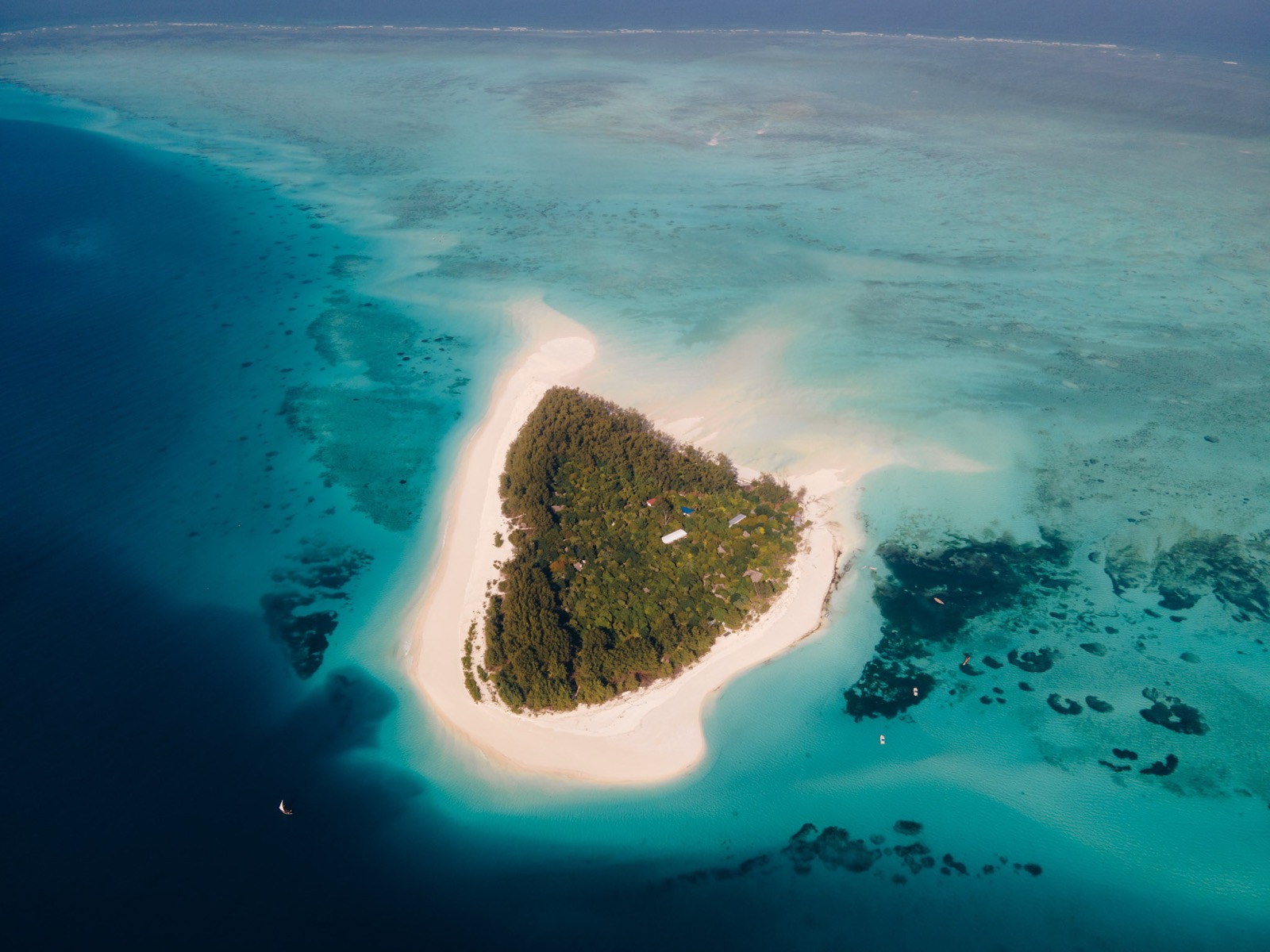
The scale. There are only a handful of small, owner-run properties in Michamvi Pingwe. No beach clubs, no kitesurfing operations, no nightlife. It is genuinely quiet. Sunsets from the western coves of the peninsula are the best on the east coast, and the Mchanga sandbank is a few minutes offshore at low tide.
Best for: couples, honeymoons, anyone who wants boutique seclusion, and travellers for whom swimming depth matters more than kite infrastructure.
The honest trade-off: fewer accommodation choices than Paje, no nightlife, and slightly further from the airport (~1h15–1h30 vs ~55 min to Paje).
Boutique-Hotel Matlai
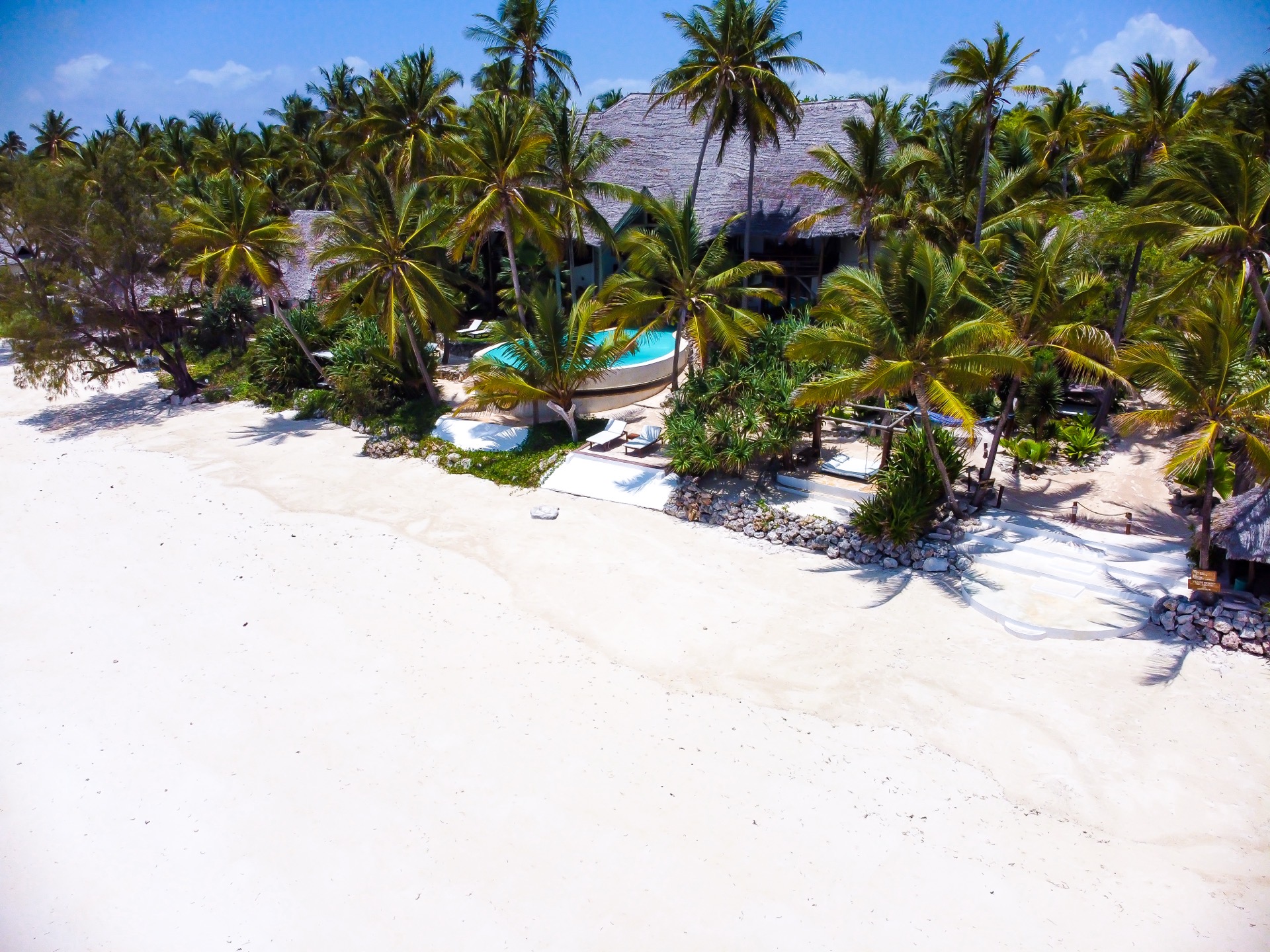
Owner-run and small by design. I know most guests by name before they arrive. We are on the quieter, deeper-water side of the peninsula — the bay that holds water better at low tide. The advice you get at breakfast is the same advice across every page of this site.
- Bay location: water retreats less than the open east-coast beaches
- 10 minutes to the Mchanga sandbank
- Sunset-facing coves on the western side of the peninsula
- Tide schedules and honest activity advice included
→ Full Matlai property review → Visit hotelmatlai.com
Paje — kitesurfing and social energy
Paje is the largest, liveliest village on the east coast, built around its status as East Africa’s premier kitesurfing destination. The combination of the Kusi south-east trade wind (June–October), flat shallow water at low tide, and established kite schools has made it a world-class kite stop.
Outside kite season (roughly November–May), the wind drops and the kite operations go quiet, but the restaurants, beach bars, guesthouses and mid-range hotels remain open. Paje has the widest choice of accommodation at every price point on the east coast — from backpacker hostels to boutique hotels.
Best for: kitesurfers, solo travellers, anyone who wants a social scene and the widest choice of accommodation and restaurants.
The honest trade-off: busier than the rest of the east coast; the open beach means a full tidal retreat at low tide — swimming is limited to the high-tide window. Check tide times if swimming matters.
Jambiani — authentic and local
Jambiani is a long, narrow fishing village stretched south of Paje along the coast. It is the most authentically Zanzibari village on the east side. Seaweed farming is still practiced on the tidal flats, traditional dhow-building continues, and the pace is genuinely slow. Accommodation tends toward mid-range guesthouses and small family-run hotels.
Best for: travellers who want to understand Zanzibar beyond the resort, longer stays, anyone who wants a quiet base with genuine local life.
The honest trade-off: fewer restaurants and activity choices compared to Paje; the same open-beach tidal dynamic as the rest of the coast.
Bwejuu — calm and unhurried
Bwejuu sits between Paje and Jambiani — calmer than Paje, slightly more developed than Jambiani. A handful of small hotels and guesthouses, a quiet beach, and easy access to both neighbouring villages. It suits travellers who want the east coast experience without committing to either the kite scene or deep village life.
Best for: couples seeking a middle ground, anyone not focused on kite sports but wanting more than pure village life.
How to choose
Three questions that narrow it quickly:
Do you kiteboard or want to learn? → Paje. The wind, the schools, the flat water, and the infrastructure are all in Paje. No other village competes.
Is swimming at any hour a priority? → Michamvi Pingwe. The bay holds deeper water than the open east-coast beaches. Anywhere with a pool also mitigates the tidal issue.
Do you want local Zanzibar life over boutique atmosphere? → Jambiani. The most authentically Zanzibari option on the coast.
On the tides
Always request the tide schedule for your specific dates before booking. Tides shift roughly 50 minutes later each day through the lunar cycle — what is a high-tide morning on your first day may be a low-tide morning by the end of the week. Any east coast hotel should provide this; if they don’t, ask.
→ East coast tides and why they matter → When to visit Zanzibar — seasonal and tide guide → East coast tides and villages — the detailed tidal guide
For couples planning a honeymoon, our honeymoon planning page covers what to prioritise and the best months.
Village facilities at a glance
| Michamvi Pingwe | Paje | Jambiani | Bwejuu | |
|---|---|---|---|---|
| Restaurants beyond hotel | Very few | Many | Several | Few |
| ATM nearby | Yes (opposite Karafuu Hotel) | Several (village has developed fast) | Possibly (unconfirmed) | No |
| Nightlife | None | Moderate | None | None |
| Kite schools | No | 10+ | Yes (5+ schools, quieter than Paje) | No |
| Supermarket / grocery | Ali Miraji (biggest shop) + several small shops | 6+ supermarkets (Zanfresh, Kijiji, Zoe Zone, The Village Market, Chura, Mr. Discount) | Local market | Nothing |
| Transfer from airport | ~1h15–1h30 | ~55–65 min | ~65–75 min | ~65–75 min |
Paje and Michamvi have changed fast over the last two years: Paje now has several ATMs, banks, and currency exchange offices — plus a real supermarket scene, not just small shops — and Michamvi got its first ATM, opposite the Karafuu Hotel. Jambiani’s ATM situation is less clear: one 2026 source reports some presence, but it’s not as established as Paje’s, so don’t count on it. Bwejuu hasn’t caught up at all. Practical consequence: bring cash from Stone Town or the airport if you’re staying in Jambiani or Bwejuu; Paje and Michamvi guests have more flexibility now than this page used to suggest. Every east-coast hotel we know still tells guests to carry some cash at check-in regardless, since village banking infrastructure is still newer and less proven than Stone Town’s — that hasn’t changed even with the July 2026 law requiring electronic payment nationwide, because the mobile networks card machines depend on are the weak link out here, not the machines themselves.
Moving between villages
The east coast villages are much closer together than most maps suggest. Typical taxi fares and journey times:
- Paje → Jambiani: 10–15 min, roughly USD 10–15 by taxi
- Paje → Michamvi Pingwe: 20–30 min, roughly USD 20–30
- Jambiani → Michamvi: 30–40 min, roughly USD 25–35
- Any village → Stone Town: 55–75 min, roughly USD 40–60
At low tide you can also walk parts of the coast — particularly from Paje south to Bwejuu and toward Jambiani on the exposed tidal flat, about 30–45 minutes on foot. It is one of the better things to do on a low-tide afternoon and gives you a very different sense of the coast than a taxi. Check the tide time before you set off and return by vehicle.
For dala-dalas (shared minibuses): they run along the coast road between Stone Town and the south villages but are slow, packed and not aimed at tourists. Fine for the experience, impractical with luggage.
What to pack for east coast accommodation
A few specifics that catch guests out:
Cash in small denominations. Tips for staff, local taxis, the woman selling fruit on the beach — none of this accepts cards. TZS 2,000–10,000 notes are the most useful.
A torch. Village roads are unlit at night. Even walking from your room to the beach bar (if your hotel is set back) benefits from a head-torch or phone torch.
Reef shoes. The tidal flat at low tide has coral rubble and occasional sea urchins. Closed reef shoes or thick-soled sandals make low-tide walks far more comfortable and occasional snorkel entry much safer.
Insect repellent. The east coast has mosquitoes at dusk, particularly around the mangrove areas and during and after the rains. Malaria prophylaxis is worth discussing with a travel doctor before departure — see our Zanzibar health and safety guide for more.
Good sunscreen. The east-coast wind creates a cooling effect that masks UV intensity. The same SPF 50 logic applies here as anywhere tropical; bring more than you think you need and apply before you reach the beach, not on it.
A final note on booking
The best east-coast properties fill three to five months ahead for July–August, and six months or more for Christmas and New Year week. If your dates are fixed in peak season, confirm availability before making any other plans. Shoulder months (June and October) are usually bookable six to eight weeks out without issue.
Direct bookings at boutique properties usually offer the best flexibility on timing, early check-in, and special requests — the very small room count means these conversations happen with the actual manager, not a booking system. This is not a universal truth, but it applies to most east-coast owner-managed hotels, including Matlai.
For the full east coast context — what makes this side different from the north, how to read the tides, and what to do on days the sea is out — start with the Zanzibar east coast overview and work from there. If budget is part of the decision, our spending guide breaks down accommodation costs by village alongside food and transport.
Understanding the tidal cycle before you book
The east coast’s tidal range is between 2.5 and 3.5 metres. That number does not mean much until you stand on the beach at low tide and see the sea 400 metres to 1 kilometre away, with a flat of coral sand and seagrass between you and the water. At Chwaka Bay, one of the most extreme examples on the east coast, the exposed seabed extends up to 1.5–2 km offshore at the lowest tides.
This is not a flaw or a disappointment — it is simply what the east coast is. Knowing it before you arrive changes how you choose your hotel and how you plan your days.
The swim window. On the open east-coast beaches (Paje, Jambiani, Bwejuu, and parts of Matemwe), the usable swimming window is roughly 2–4 hours around high tide. Outside that window the water is either very shallow or retreated entirely. Tides shift approximately 50 minutes later each day through the lunar cycle, so the high-tide window moves day by day. A morning high tide on Monday is a midday high tide by Thursday.
What to do at low tide. The flat is not empty. It is a walking environment: textured coral sand, seagrass beds, seaweed farming lines, occasional small reef fish in tide pools. Jambiani’s seaweed farming cooperative (the Mwani Mamas, Vogue reported in 2025 they earn USD 250–300 per month from the practice) tends their plots here every low tide. Walking the flat early morning is one of the most memorable east-coast experiences — bring reef shoes, the substrate is rough.
Why pools matter on the east coast. Unlike the north (Nungwi, Kendwa), where the water is deep and swimmable at virtually any tide, a pool on the east coast is not a luxury upgrade — it is a practical amenity that extends your swimmable hours to whenever you want. Every mid-range and above east-coast property we recommend has a pool for this reason.
How to request tide information. Any east-coast hotel worth staying at will send you the tide schedule for your dates on request. Ask before booking rather than after. If they cannot or will not provide it, that is itself a signal about the level of guest service.
Matemwe — the north-east option
Matemwe sits at the northern end of the east-coast run, above Michamvi Pingwe on the road north toward Nungwi. It is less often covered in east-coast guides because it functions partly as its own destination — close enough to the north coast to share some of the reef access (including proximity to Mnemba Atoll), but with the east-coast character of owner-run small hotels and a calmer pace than Nungwi.
Best for: snorkellers and divers (Mnemba Atoll is a short boat ride from Matemwe’s beach), couples wanting reef access with a quieter atmosphere than Nungwi, and anyone combining an east-coast stay with a dedicated dive day.
Pongwe Beach Hotel is a confirmed mid-range property in this area — on a northeast-coast isolated beach, beachfront villas, minimal Wi-Fi by design, quiet and peaceful. It is consistently described as mid-range and affordable relative to north-coast equivalents at similar quality.
The honest trade-off: further from Paje and Jambiani; fewer options for food and services outside your hotel than the more developed villages.
Budget, mid-range, and luxury — what each tier looks like on the east coast
Budget (USD 15–80/night):
At the budget end, the east coast has guesthouses and small bungalow operations, mostly in Paje and Jambiani. These are family-run, basic but clean, with fans rather than air conditioning, shared or simple en-suite bathrooms, and breakfast sometimes included. The trade-off for the price is no pool (the tidal limitation applies fully), limited English-language support, and variable cleanliness standards. Paje has the most options in this tier; Jambiani has a few; Michamvi Pingwe and Bwejuu have almost none.
For context: a broader Zanzibar budget study found that spending USD 50–100 per day covering accommodation, food, and transport was realistic for budget travellers, with the east coast running cheaper than the north.
Mid-range (USD 100–275/night):
This is where the east coast is strongest. Owner-run boutique hotels with 8–20 rooms, pools, breakfast included, and a level of guest attention that larger resort hotels cannot replicate. A mid-range east-coast hotel will typically have a pool, air-conditioned rooms, a beach bar or restaurant, direct beach access, and staff who know where to send you for specific activities. Amani Boutique Hotel in Paje — a typical reference point for this tier — runs roughly USD 225–275/night depending on dates. Prices vary significantly by season: June–October (high season) and Christmas–New Year command premiums.
Luxury (USD 350+/night):
The east coast has private-pool villas, exclusive boutique properties, and a small number of genuinely exclusive addresses. Properties in this tier typically include private pools, personalized service, chef-cooked meals, and in some cases dedicated guides or drivers. Villa Shepherd in Kiwengwa (northeast coast) is one example: chef-cooked breakfast daily, private pool. For couples on a honeymoon or anniversary, this tier is worth the price — the combination of private space, sea views, and east-coast tranquility is genuinely hard to replicate in Europe or South-East Asia.
Seasonal guide: when to book and what to expect by month
The east coast follows Zanzibar’s two main seasonal patterns. Getting this right before you book can determine whether you have the east coast to yourself or share it with half of Europe.
June–October (high season, dry):
The Kusi south-east trade wind blows consistently — this is why Paje is East Africa’s premier kite destination during these months. June to October gives clear skies, low humidity, temperatures around 25–28°C, and the best conditions for water sports. The reef visibility is good, water temperatures are ideal, and the tidal windows are predictable. This is also when rooms are fullest and prices are highest. Book 3–5 months in advance for July–August; 6 months or more for Christmas week.
January–February (short dry window):
Warmer than the June–October dry season, lower prices, fewer crowds. The Kaskazi north-east trade wind gives calmer seas and warmer water temperatures. Good for snorkelling and diving; not the prime kite window. Some travellers prefer January–February specifically for the combination of good weather and emptier beaches.
March–May (long rains):
The period to avoid for most travellers. Heavy rainfall, high humidity, some guesthouses close entirely. If you must travel in this window, confirm with your hotel that they are open and operational. Prices are lowest; beaches are emptiest.
November–December (transition):
Mixed — the inter-monsoon transition brings variable conditions. Kite wind drops off significantly by mid-December (confirmed by east-coast operators and kite centres: unreliable wind from mid-December). The Christmas–New Year week itself is peak season again despite the wind drop; prices spike accordingly.
What to do on the east coast beyond the beach
The east coast is more than a beach destination. Days when the tide is unfavourable for swimming are the best days to explore what the coast actually offers.
Seaweed farming at low tide (Jambiani): The tidal flat in Jambiani is where you can watch — or join — the seaweed farming cooperatives. Visits are possible only at low tide. The Mwani Mamas cooperative in Jambiani is the most established, and several local guides offer small-group visits. It is a genuine community activity, not a staged tourist performance.
Sailing (Jambiani): Gypsea Sailing is a boutique sailing operator based in Jambiani — a standout experience for guests who want to see the coast from the water rather than from the beach. Small-boat, low-key, the antithesis of a group sunset cruise. The operator now runs a full booking website with published pricing tiers — check it for current status before booking.
Walking the tidal flat: At low tide, walk south from Paje toward Bwejuu and on toward Jambiani — roughly 30–45 minutes on foot across the exposed flat. The texture of the sand, the seagrass beds, the fishing dhows pulled up on shore, the Mwani Mamas working their plots: this is what the east coast looks like when no brochure is photographing it. Bring reef shoes. Return by taxi.
Stone Town day trip: The airport-to-east-coast road passes through or near Stone Town, and a day trip from any east-coast village to the old town and back is entirely practical. Allow 55–75 minutes each way by taxi. Most east-coast hotels can arrange a private driver for a full day in Stone Town including the Forodhani Night Market, which makes the timing work.
Snorkelling at Michamvi Pingwe: The bay at Michamvi Pingwe has some of the most accessible reef on the east coast, within swimming distance at the right tide. Ask at the hotel for the best entry point and a current conditions report — coral health varies and visibility depends on recent weather.
The honest east coast versus north coast comparison
The question every couple or family eventually asks: “Should we stay on the east coast or the north?”
The north (Nungwi, Kendwa): Swimmable water at any tide. Larger resorts with more on-site facilities. A bigger nightlife and social scene — Kendwa Rocks hosts Zanzibar’s well-known Full Moon Party on the north-west coast. Sunrise over the Indian Ocean is not available here (north-facing or west-facing beaches). More developed, more touristy, but also more convenient.
The east coast: Swimmable water during the high-tide window only; pools extend this. Smaller, owner-run properties. Sunrise over the sea (east coast gets the Indian Ocean sunrise — the north coast does not). Kite surfing (Paje only). Authentic fishing village life (Jambiani). The pace of travel here requires patience and rewards it.
Who should choose the east coast: Couples who want boutique and quiet, honeymooners who want seclusion, kitesurfers, travellers who want to understand Zanzibar rather than just be in it, longer stays where the tidal rhythm becomes part of the daily structure rather than an obstacle.
Who should choose the north: Families who need constant access to swimmable water without planning around tides, travellers who want a wide choice of resort-style facilities, anyone who prioritizes nightlife or large-group social options.
I send some guests to the north. I send more to the east coast. The difference is usually determined in the first conversation about what kind of holiday they actually want.
Frequently asked questions
Which east coast village is best for swimming at any tide?
Michamvi Pingwe has the deepest water on the east coast. The bay curves around the peninsula, which shelters it from the full tidal retreat. Anywhere with a pool also solves the issue — most mid-range properties have one. On the open beaches (Paje, Jambiani, Bwejuu), swimming is limited to the high-tide window, which is roughly 2–4 hours around high tide.
What price range should I expect on the east coast?
Budget guesthouses run USD 15–80/night. Mid-range boutiques with en-suite rooms, pool, and breakfast are roughly USD 100–275/night. Exclusive villas and private-pool properties start at USD 350+/night. Prices peak June–October and over Christmas and New Year. The east coast generally runs cheaper than the north (Nungwi/Kendwa) at the same quality tier.
How far is the east coast from Zanzibar airport?
Allow 55 minutes to 1h30 by road from ZNZ (Abeid Amani Karume International), depending on the village. A private transfer costs approximately USD 50–65 depending on the village. Paje is the shortest drive at around 55–65 minutes; Michamvi Pingwe is the furthest north at roughly 1h15–1h30, around 20–35 minutes longer. → Full transfers guide
Is the east coast better than the north of Zanzibar for a beach holiday?
It depends on the type of holiday. The north (Nungwi, Kendwa) has swimmable water at any tide and a wider choice of large resorts. The east coast is quieter, more boutique, and more authentic — but the tidal dynamic means you need to plan around it. Many travellers prefer the east coast specifically for that atmosphere. → Full east coast guide
When is the best time to visit the east coast?
June–October is the dry season — clear skies, the Kusi south-east trade wind (peak kite season in Paje), and reliably good weather. January–February is the shorter dry window with warmer water and lower prices. April–May (long rains) is the period to avoid — some guesthouses close. → Month-by-month seasonal guide
Does Boutique-Hotel Matlai have availability — and is Tim biased?
I am biased — I manage Matlai and it is my first recommendation for Michamvi Pingwe. That is fully disclosed on this page and in our disclosure policy. The rest of the east coast comparison is my honest read as someone who lives here and sends guests to other villages when they are a better fit for what someone wants.
Is there a big difference between Paje and Jambiani?
Yes — more than most guides acknowledge. Paje has multiple kite schools, a beach food court scene, a younger/social atmosphere, and the widest accommodation choice on the coast. Jambiani, 15 minutes further south, is markedly quieter: boutique hotels, good restaurants, a genuine fishing-village pace, and the seaweed farming culture still visible on the tidal flats. Both are on the same coast with the same tidal dynamic. Choose Paje for energy; Jambiani for calm.
Should I bring cash to the east coast?
Bring some, but it's less of an issue than it used to be. Paje now has several ATMs, banks, and currency exchange offices, and Michamvi got its first ATM (opposite the Karafuu Hotel). Jambiani's ATM situation is murkier — some sources suggest limited availability, but it's not established the way Paje's is. Bwejuu still has no reliable ATM. Tips for staff, local taxis, fruit sellers on the beach, and village shops all need Tanzanian shillings in small denominations — draw cash in Stone Town or at the airport if you're staying in Jambiani or Bwejuu, or as a backup anywhere on the coast, since village ATMs are newer and less proven than Stone Town's.
Can I walk between east coast villages?
At low tide, yes — the exposed tidal flat is walkable between Paje and Bwejuu, and on toward Jambiani. Budget 30–45 minutes one way. It gives a very different perspective on the coast than a taxi and is one of the better low-tide activities. Check tide times before setting out and plan to return by vehicle. Do not attempt to walk back if the tide is coming in fast — it moves quickly on this coast.