
Facts & prices checked: 2026-06-16
A Zanzibar honeymoon lives or dies on two decisions: which coast, and whether you understand the tide before you arrive. Get those right and the rest of the island rewards you generously. Get them wrong and you spend the trip walking across a kilometre of exposed reef flat wondering where the sea went.
I live on the east coast, at Michamvi Pingwe, and I watch couples arrive every week. The ones who did ten minutes of homework on tide and timing are the ones lying in the hammock by day two, not the ones renegotiating their plans at reception.
Which coast for seclusion vs swimmable water
The west coast (Nungwi, Kendwa at the north tip) keeps deep water close to shore at most states of the tide, so you can swim more or less whenever. The trade-off is that it is busier, louder at night, and the hotels run bigger. It suits couples who want to walk out of the room and into the sea without thinking.
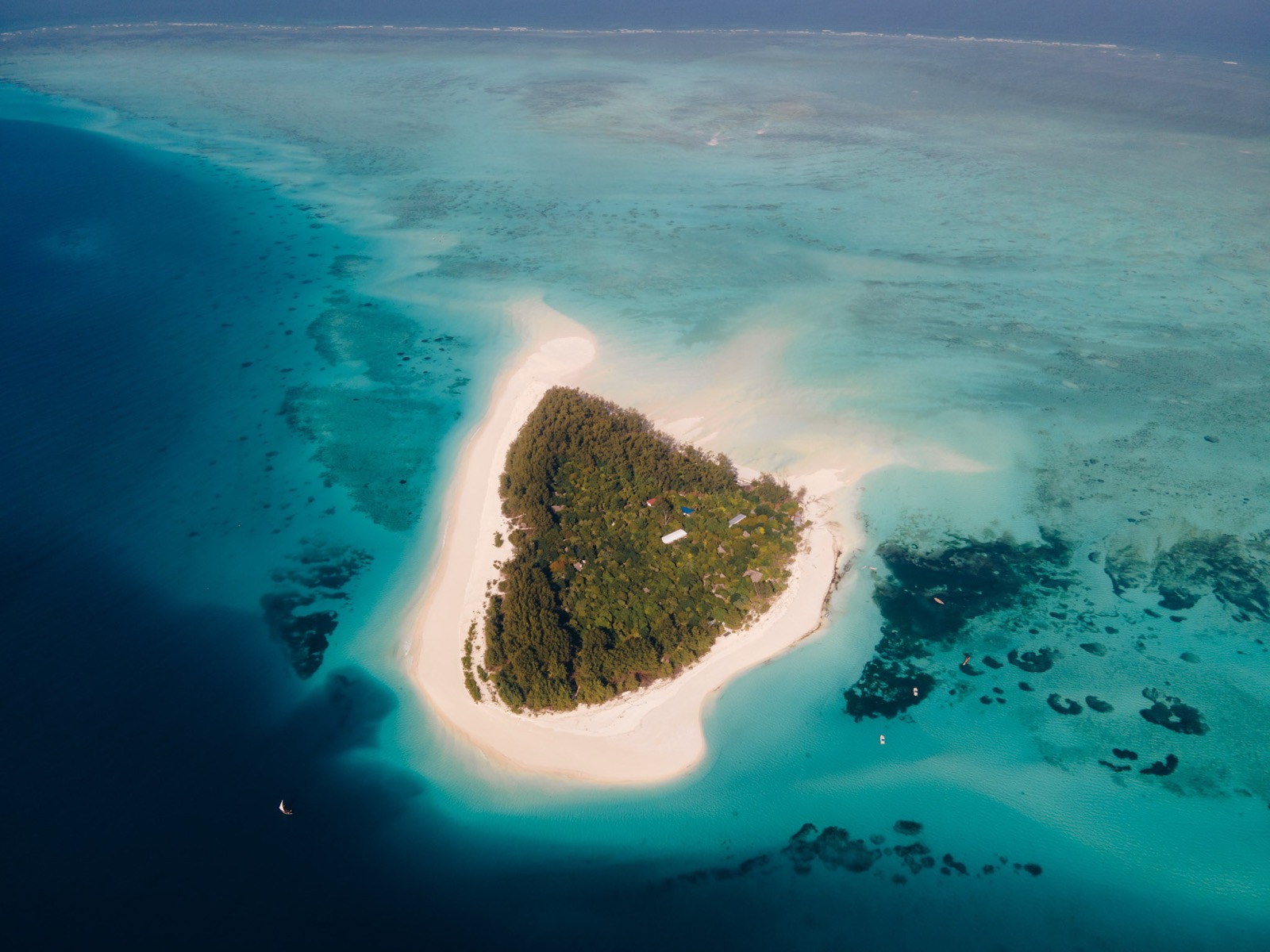
The east and southeast coasts are where the boutique stays cluster, and where the water turns that absurd pale turquoise. Here the reef sits offshore and the lagoon between you and it drains at low tide. That is the famous “where did the ocean go” moment. It is not a flaw; it is how a coral lagoon breathes. You just need to plan for it.
For honeymoons specifically, the southeast around Michamvi and Paje is the best compromise I know. Michamvi Pingwe, on the small peninsula, has pockets that hold water longer and far fewer footprints than the north. Paje is livelier, good if you want a few beach bars and kitesurfers in the frame. North of there, Matemwe and Pingwe proper lean quieter and more remote again.
Tide logic, in plain terms
The tide here swings 2.5 to 3.5 metres and runs on a roughly 6-hour cycle, so high and low shift later by about 50 minutes each day. Around full and new moon the swings are biggest, which means the lowest lows and the most dramatic walk-outs.
What this means in practice:
- Swim around high tide. Check a tide table for your exact dates and plan the snorkel, the swim, the photos for the high-water window.
- If you want water on demand, book a hotel with a proper pool, or one sat on a natural deep channel.
- Low tide is not wasted time. It is when you walk the flats barefoot, find starfish, and the light goes silver-flat and lovely for photos.
Honestly, the tide is the single most under-researched thing about this coast, and the easiest to fix.
Best months
Two clear windows.
June to October. Dry season. Reliable sun, lower humidity, a steady breeze that keeps nights comfortable and the kite crowd happy at Paje. This is the safest bet and the busiest, so book good rooms three to six months out for July, August and the festive shoulder.
January to February. The short dry between the rains. Hotter and more humid, but the sea goes glassy and the underwater visibility is superb. My quiet favourite for a honeymoon if you handle heat well.
What to skip: April and most of May, the long rains. It is not constant downpour, but it is the wettest stretch, and a lot of the small owner-run places close or run minimal service. You can get bargains, but a half-staffed island in the rain is not the honeymoon you pictured.
Boutique stays and the beach-dinner reality
This coast is built for small hotels, not mega-resorts. Expect 10 to 25 rooms, an owner or GM who actually knows your name, and a level of personal service the big chains cannot match. A genuinely good boutique room runs roughly USD 250-600 a night depending on season and how close you sit to the water. My own house, Matlai at Michamvi Pingwe, sits firmly in that boutique bracket, so I am biased, but the model is what makes the southeast special.
On the private beach dinner: it is the most requested honeymoon extra and the most variable. A good one is set in a sheltered spot, candlelit, food cooked to order and brought hot, with the staff melting away between courses. A bad one is a windy table, sand in the risotto, and food that travelled too far to stay warm. The fix is simple. Book it for a low-wind evening, ask exactly where on the beach they set up, and confirm the kitchen is plating nearby, not a ten-minute walk away. When the conditions line up, it is genuinely the night people talk about for years.
One small first-hand note: the most reliable magic here is not a planned event at all. It is the half-hour after sunset when the tide is coming back in, the day boats are gone, and the lagoon turns the colour of a bruise and a pearl at once. Be on the sand for that, drink in hand, every evening. It costs nothing.
What to actually do — day by day
Most honeymoon couples on the east coast settle into a slow rhythm quickly. The days that work best look something like this:
Morning: Swim or snorkel around high tide while the light is still low and the water is clear. The sandbank excursions are best in the morning — Mchanga near Michamvi Pingwe appears at mid-to-low ebb and has the clearest water in the early hours before the day boats arrive. A couple of hours on a deserted tidal sandbank with a cooler bag is consistently the thing people mention first when they leave.
Midday: Off the beach. This is the logical time for a spice tour at Kizimbani or a half day in Stone Town — both 30–45 minutes away — or simply the hammock and a long lunch if you need nothing at all.
Late afternoon: The tide is usually rising by now, which means the water is back and there is light left. Best time for SUP or kayak. The hour before sunset, when the sky above the Indian Ocean starts moving through orange and pink, is the hour to be sitting somewhere with a view of the water. Stay out of the room for it.
Evening: The private beach dinner or a quiet dinner at the hotel. On clear nights with a low moon, the phosphorescence in the wave break is remarkable — worth a last walk down to the water’s edge before bed.
One day trips worth the drive:
- Stone Town — half day, pair with Forodhani night market dinner
- Jozani Forest — 1 hour south, Red Colobus monkeys in the island’s only national park, easy two-hour walk
- Kizimkazi village — dolphin tours run early morning (go with a guide who understands dolphin welfare), and the beach is quieter than the east coast villages
Health and practical logistics
Malaria: Zanzibar is a malaria zone. Discuss prophylaxis with your doctor or a travel clinic before departure — typically doxycycline or atovaquone-proguanil (Malarone). A honeymoon is precisely the wrong time to skip this conversation. Mild symptoms (flu-like, fever) within six weeks of return need same-day medical attention in the UK or equivalent.
Packing for the climate: June to October is warm by day (28–30°C) and genuinely cool at night. A light layer for dinners and air-conditioned transfers is not overkill. January–February is hot and humid; minimal clothing, a good SPF, and stay close to water.
When to book: For the peak dry season (July–August), the better boutique properties fill three to six months out. December is similarly booked for New Year’s. January and February are available closer in. If your dates are fixed, book accommodation first, flights second.
Arriving: Both spouses should hold their own ZIC insurance QR codes — the check at the jetway is individual, not per-couple. See the entry requirements guide for the full process including the mandatory USD 44 Zanzibar inbound insurance. The transfer from the airport to the southeast coast is 1h15–1h30 — book it in advance so there is a driver with a name-board waiting, not a negotiation at the taxi rank after a long-haul flight.
Honeymoon activities worth booking in advance
The best Zanzibar honeymoon activities are the ones done at low tide or early morning — the windows that the beach bar crowd misses. Here is what actually delivers.
Private sunset dhow cruise. A traditional wooden dhow, a cooler with drinks, and two hours on the water as the sun drops into the ocean. For a shared cruise (you join other couples), fares run USD 35–45 per person. A private charter is priced per boat — ask your hotel to arrange directly with a known captain, not through a generic tour desk. The private version is worth the uplift for a honeymoon specifically because shared dhows often hold twelve to fifteen people and the intimacy evaporates.
Snorkelling at Mnemba Atoll. Mnemba is the top marine experience in Zanzibar — a privately protected atoll off the northeast coast with genuinely clear water, resident dolphins offshore, and reef fish at densities you will not find at most other sites. Day tours from Matemwe run USD 30–40 per person; from Nungwi or Kendwa, USD 45–80 per person — all typically include boat transfer, equipment, a guide, and lunch. Book at least a day ahead; spaces fill in peak season. Note: Mnemba island itself is private accommodation (one of Tanzania’s most exclusive lodges), but the atoll reef is accessible to day tours. For couples who want total seclusion over amenities, Chumbe Island is the alternative: 7 solar-powered eco-bungalows, the island entirely yours once the day-trip boat leaves, all-inclusive from USD 280–400 per person per night (including mandatory government levies), and turtle nesting on the beach between November and March. The Chumbe Island eco-lodge guide covers the full overnight experience — what the bungalows are actually like, the check-in rhythm, and why December to January is the single best booking window for honeymooners who want to combine reef snorkelling with a nesting turtle encounter.
Spice tour as a couples activity. Zanzibar’s spice farms around Kizimbani, about 30 minutes north of Stone Town, run tours where a guide walks you through cloves, vanilla, cinnamon, cardamom, nutmeg, and turmeric growing in context. You taste them at source — cardamom pods cracked open, vanilla scraped, fresh spices pressed against the heat. Price: USD 20–35 per person including guide and samples. It is a genuinely interesting two hours, and it gives the food you eat for the rest of the trip a completely different frame. Do this early in the stay, not as a last-day filler.
Safari Blue (southwest coast). A full-day sailing trip from Fumba on the southwest coast, combining snorkelling at a shallow sandbank, a seafood lunch on a sandbar, and sailing through mangrove channels. Shared tours run USD 65–82 per person. A reasonably active day on the water, more varied than a standard beach snorkel. It works best mid-trip when you want a change of scene from the east coast rhythm.
Stone Town for one day, not more. A honeymoon that skips Stone Town entirely misses one of the few genuinely historic cities in sub-Saharan Africa. But one day is enough. Walk the old medina in the morning — the light is right and the lanes are cooler. Lunch at Lukmaan Restaurant (the local benchmark, meals around 5,000 TZS). Afternoon at a rooftop bar — Emerson Spice or the Africa House Hotel both have sunset views worth sitting with a drink for. Then Forodhani Gardens night market for dinner: Urojo, Zanzibar pizza, grilled seafood, all under USD 15 for two people.
Boutique hotel features that matter for a honeymoon
Not every Zanzibar boutique hotel is honeymoon-grade. The things that separate a genuinely good honeymoon property from a mid-range stay with the same room rate:
Private infinity pool or plunge pool. When the lagoon walks out at low tide, the pool becomes your swimming. Properties without a pool leave you high and dry — literally — for four to six hours per day. At Matlai, both Asili House (4 rooms) and Villa Kidosho (2 rooms) include private infinity pools. At that room count — 6 rooms total — you never share the water with strangers.
Deep-channel beach access. Some east coast properties sit on a natural channel that holds water even at low tide. This is worth researching specifically before booking, not assuming. Ask the property: “At spring low tide, how deep is the water directly in front of your beach?” A two-metre answer is fine. “You need to walk 400 metres” is the real answer many properties give once you press.
Staff ratio and attentiveness. At small boutique properties, the staff-to-guest ratio is typically much higher than at larger resorts. That translates directly into: your candles are lit before you get back from dinner, your floating breakfast is set up without reminders, the kitchen knows your preferences by day two. This is not available at a 200-room resort regardless of its star rating.
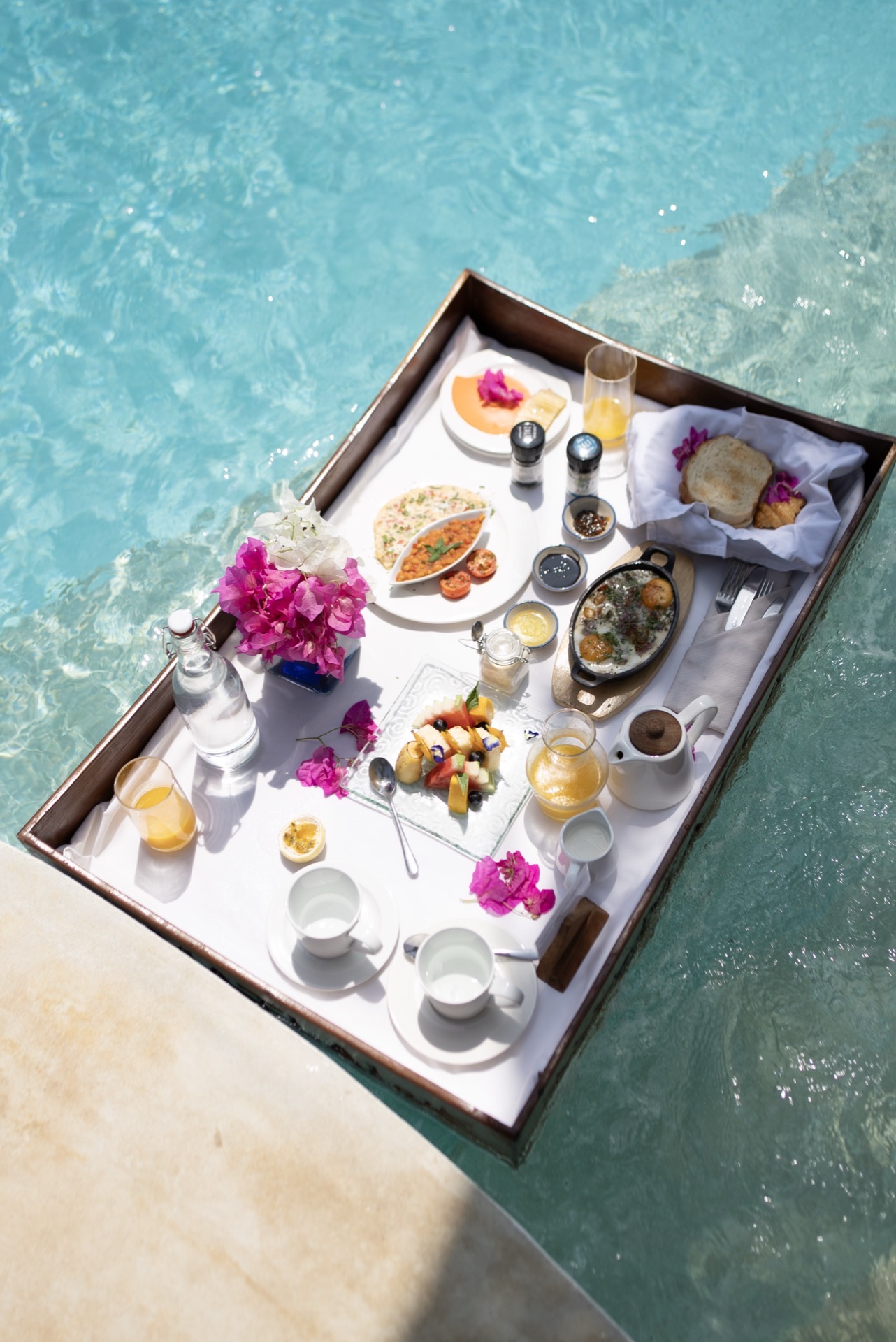
Floating breakfast setup. Available at some properties on request — a wooden tray floated in the pool with fruit, pastries, and coffee. It requires a pool deep and calm enough to float it properly. Ask whether the property actually does this and whether it needs to be booked in advance (yes, usually).
Combining Zanzibar with a mainland Tanzania safari
Most couples I see arrive having done the safari first and the beach second. That order is right. Game drives start before dawn; beach mornings start whenever you feel like it. You want the discipline of the safari while you are fresh and the decompression of the beach at the end, not the reverse.
The standard pairing is 3–4 nights on safari (Northern Circuit: Serengeti, Ngorongoro, Tarangire) followed by 5–7 nights on the island. Flights between Kilimanjaro and Zanzibar run through Dar es Salaam, or directly via Precision Air, Air Tanzania, and Coastal Aviation; from Arusha, Auric Air flies direct — journey time 1–2 hours depending on route. The airport transfer from ZNZ to the southeast coast adds another 1 hour 15 minutes to 1 hour 30 minutes; book that transfer in advance, especially after a multi-leg travel day.
The budget rule for the combination: Tanzania safari costs mean the Zanzibar beach leg is rarely the expensive part of the trip. A good boutique room at USD 250–600/night lands well below a comparable premium safari camp rate. The asymmetry surprises most couples — the beach component is actually more affordable per night than the safari, which makes it the right place to invest in a good property rather than economise.
Practical logistics checklist
- Transfer from ZNZ airport to east coast: Pre-book. Budget USD 60 to Michamvi Pingwe (Matlai’s fixed rate). Journey time: 1h15–1h30.
- ZIC insurance: Mandatory for all arrivals. Paid at the airport or online in advance. Have the QR code on your phone; the check is individual, not per-couple.
- Malaria: Zanzibar is a malaria zone. Consult a travel clinic before departure. Malarone (atovaquone-proguanil) or doxycycline are the standard options. Start before arrival, take through departure.
- Booking window: For July–August and December–January, book boutique rooms 3–6 months out. January–February is more available closer in.
- Alcohol: Zanzibar is 99% Muslim. Alcohol is available at hotels and tourist-facing beach bars; it is not available at local restaurants or markets. This is not a constraint at any boutique property but is worth knowing for a Stone Town day.
Putting it together
Zanzibar’s spa scene has developed into a genuine wellness destination beyond beach time. The Zanzibar wellness and spas guide covers all three tiers: luxury options (Baraza’s Arabesque steam bath and Zanzibari ritual menu with clove and coconut, Mnemba’s marine-element treatments for overnight guests from USD 2,150/person/night, Bustani Spa at Matlai on Michamvi peninsula); mid-range massage studios on the east coast (USD 20–40); budget beach massage (USD 15 with the right referral). Includes Zanzibar’s signature treatments — cold-pressed local coconut oil, clove oil warming blend, seaweed wrap using locally farmed Eucheuma cottonii.
For a honeymoon in Zanzibar, the sunset experience is unmissable — the Zanzibar sunset guide covers the best spots for a romantic evening: dhow sunset cruise, Kendwa beach, and why the Stone Town waterfront at dusk is one of the most atmospheric experiences on the island. Most couples I see pair this coast with three or four safari nights on the mainland, then five to seven nights here to wind down. That order matters: do the early starts and game drives first, then collapse into the beach. For the full pairing, our 14-day honeymoon itinerary lays out the route, the transfers and the timing. And if you want to see what a southeast boutique stay actually looks like, start with our Zanzibar overview and work toward the Michamvi end of the map. For the full east coast accommodation breakdown, see our village-by-village accommodation guide. Our safari-and-beach itinerary shows how to combine a Serengeti safari with an east coast beach stay. If you are weighing the Serengeti against the Masai Mara for the safari leg, our side-by-side breakdown covers the honeymoon-relevant differences in access, crowds, and wildebeest timing. Comparing Zanzibar to the Maldives for a honeymoon? The Zanzibar vs Maldives guide gives an honest comparison of both destinations.
Frequently asked questions
Which side of Zanzibar is best for a honeymoon?
The east and southeast coasts. They have the calmest, clearest water and the highest concentration of small boutique hotels. Michamvi balances seclusion with a swimmable lagoon better than anywhere else on the island; Paje is livelier and better suited to couples who want beach bars and kitesurfing nearby rather than quiet seclusion.
Does the tide really matter that much?
Yes, more than the weather. On the east coast the lagoon empties at low tide and you walk out 500m to a metre or more of water. Pick a stay with a pool or a deep channel, and check tide times so you swim around high tide.
When is the best month for a Zanzibar honeymoon?
June to October is dry and breezy with reliable sun. January and February are hotter with the glassiest sea. Avoid the long rains in April and most of May, when many small hotels close or run skeleton service.
How many nights should we spend on the beach?
Five to seven beach nights is the sweet spot. Many couples pair three or four safari nights on the mainland with a week here. See our 14-day honeymoon itinerary for the full pairing.
Is a private beach dinner actually worth it?
Sometimes. A good one is candlelit, quiet and properly cooked to order. A bad one is cold food on a windy beach with sand in everything. Book it on a low-wind night and ask the hotel where exactly they set it up.
Do we need a car or transfers?
Transfers. Roads are slow and unlit at night, so almost everyone uses hotel or operator transfers. From the airport to the southeast coast is roughly 1h15–1h30 depending on traffic.