
Facts & prices checked: 2026-06-24
Two Indian Ocean destinations. Both sold as paradise. Both famous for turquoise water and white sand. And yet comparing Zanzibar to the Maldives is a bit like comparing Cape Town to the Maldives — the environments overlap on climate and beach, but the rest is entirely different.
I live in Zanzibar, at Michamvi Pingwe on the east coast — I run a small boutique hotel there. I have a stake in being honest: the Maldives does some things better, and a certain type of traveller should go there instead. Here is what I actually think.
These are two completely different products
Before the comparison, the framing matters.
The Maldives is a single-category destination. You go for overwater bungalows, world-class snorkeling, and total escape from the world. There are no cities. No historic sites. No markets or cultural itineraries. You arrive at a resort and you stay there until you leave. That is not a criticism — it is an exceptional product at what it does, and it does it very well.
Zanzibar is a layered destination with a beach attached. Stone Town is a UNESCO World Heritage city with 2,000 years of Swahili, Omani, Indian, and British history — inscribed in 2000. Taarab music started here in the 1880s. Freddie Mercury was born here in 1946. Tanzania’s safari parks — Serengeti, Ngorongoro, Tarangire — sit 1 hour away by air. The east coast has Paje, East Africa’s premier kitesurfing destination. Jozani Forest is the only national park on the main island and home to the endemic Zanzibar red colobus monkey — with roughly 3,000 individuals living in the forest.
If you want to do nothing but float above a coral reef in an overwater villa and order room service: Maldives. If you want to come home with something more than photographs: Zanzibar.
Budget: Zanzibar wins clearly
This is the most consequential practical difference.
Zanzibar runs an unusually wide range. Budget guesthouses on the east coast cost USD 30–50 per night. Mid-range boutique hotels — with a pool, good food, and beachfront — run USD 80–220 per night. Luxury resorts reach USD 300–400+ per night. Tanzania requires a single-entry visa at USD 50 (US passport holders pay USD 100 for a mandatory multiple-entry). The mandatory Zanzibar inbound insurance — required since October 2024 — adds USD 44 per adult, purchased from Zanzibar Insurance Corporation at inbound.visitzanzibar.go.tz.
The Maldives does not have a comparable low end. Budget guesthouses on local islands exist but represent a fraction of the market. The resort segment — where most international visitors stay — operates at a fundamentally different price point. Mid-range Maldives resort rooms frequently exceed USD 400 per night. Overwater bungalows, which are the defining product, typically run USD 600 to USD 1,200+ per night. All-inclusive packages are standard and add significantly to the base room rate.
For a couple doing 10 nights, the cost difference between Zanzibar (mid-range) and the Maldives (mid-range) is commonly USD 5,000 to USD 15,000. If budget is any factor at all, this comparison is over before it starts.
Overwater bungalows: the Maldives’ defining advantage
Zanzibar does not have overwater bungalows. This is the most important factual statement in this guide.
There are new ultra-luxury island and near-shore villa projects developing near Stone Town — some on stilts over shallow water — but these are nascent and exceptional; they do not represent the same product as a Maldives overwater bungalow. The signature image of a glass-floored room built over a turquoise lagoon, with steps down to swimming at any hour, does not exist in Zanzibar in the same form.
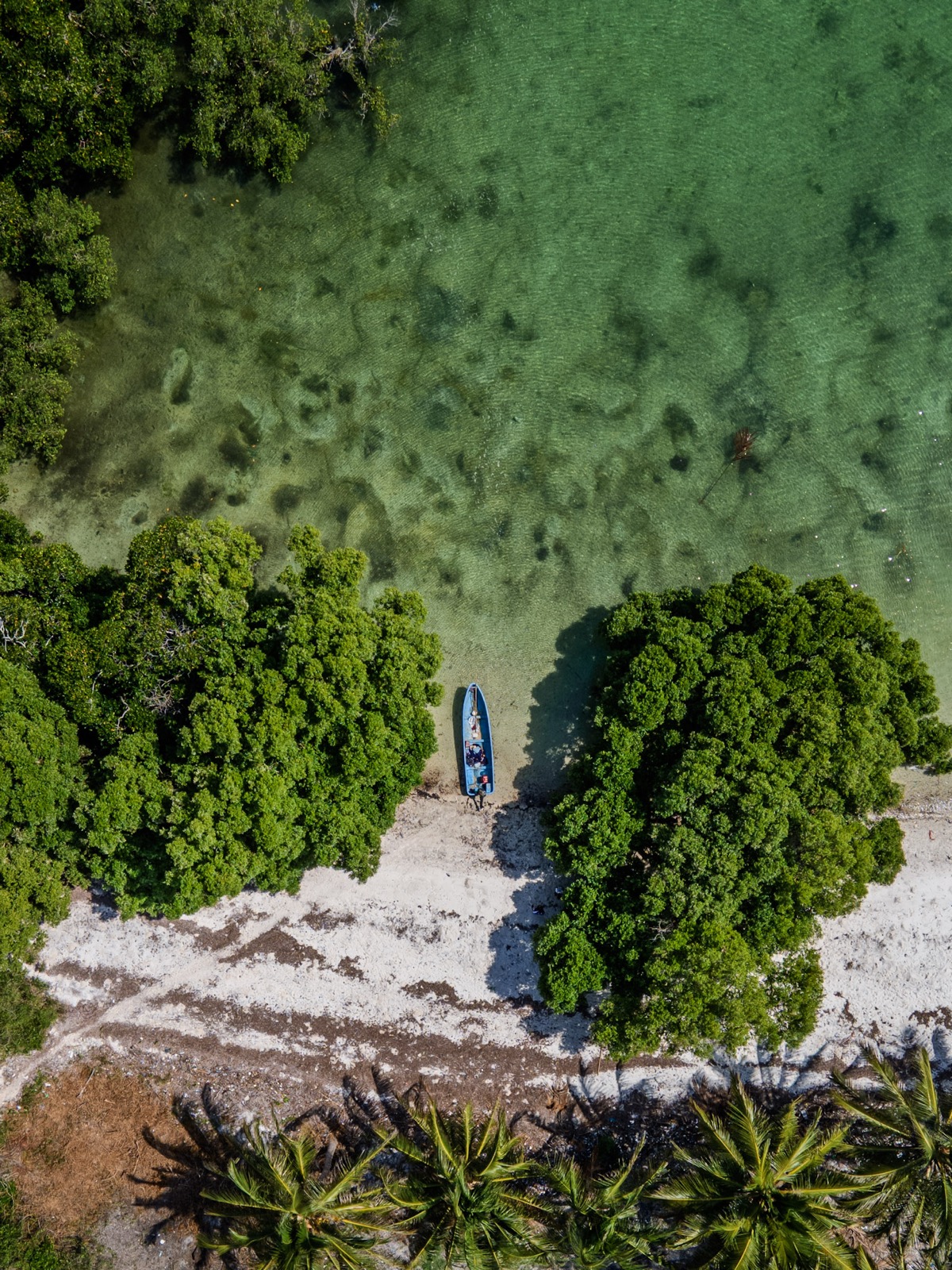
What Zanzibar has instead: beachfront villas on wide sand beaches, most with private plunge pools. And the Mchanga sandbank at Michamvi Pingwe — a sandbank that rises from the shallow water a short wade or swim from shore, surrounded by warm turquoise water that you cross to reach. I take guests there regularly. It is as photogenic as many overwater settings, just at a different height. But it is not an overwater bungalow, and I am not going to pretend it is.
If the overwater bungalow is the specific dream — the visual that has lived in your head for years — the Maldives is the correct answer. Zanzibar will not deliver that exact experience.
Beaches: closer than you’d think
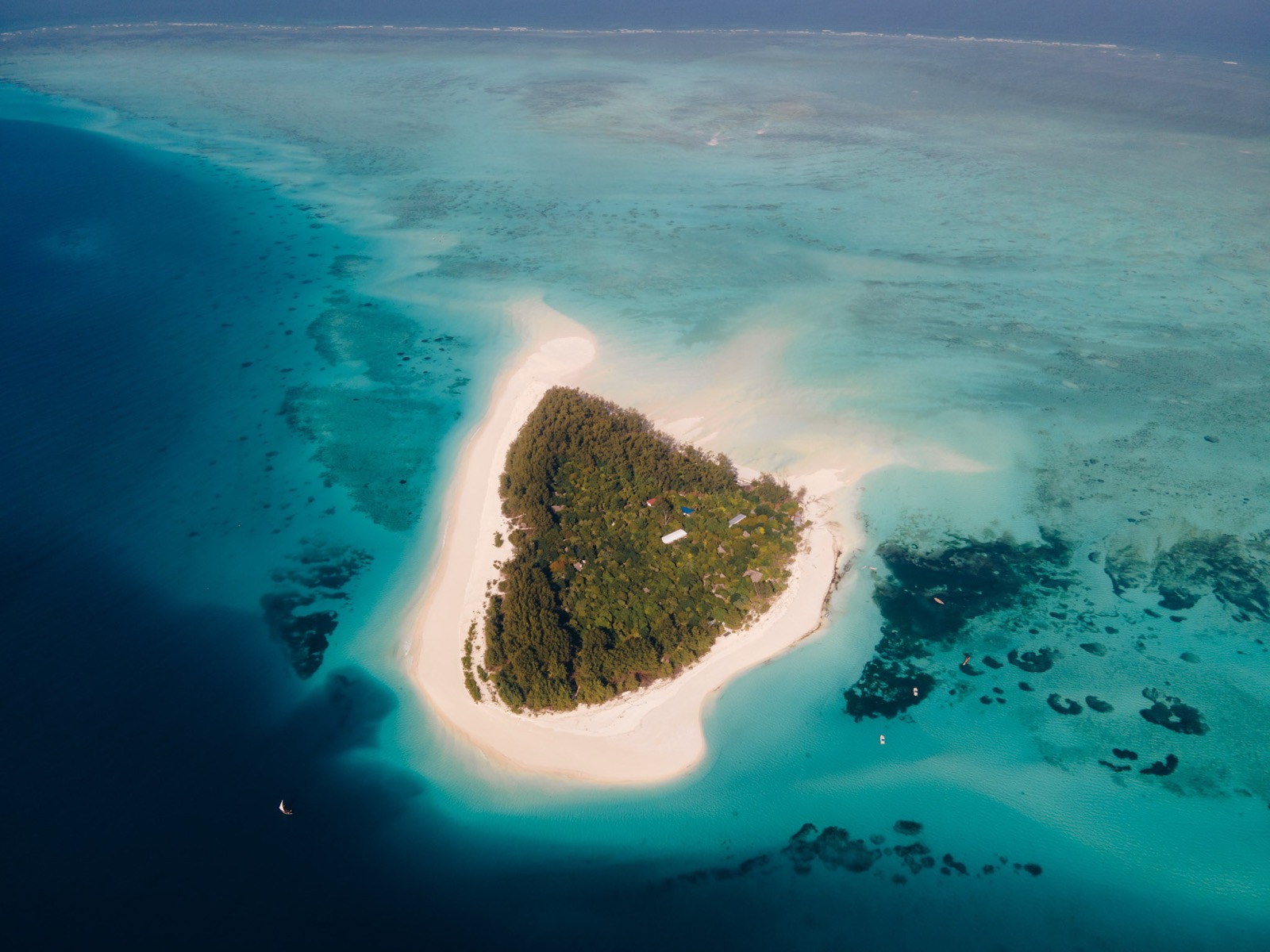
On raw beach aesthetics, the Maldives has a consistent edge. The lagoon settings — white powdery sand, water that grades from pale turquoise to deep blue, reef just below the surface — are uniform across many atolls and deliver an uninterrupted experience.
Zanzibar’s beaches are varied, which is both an advantage and a complication. The north coast — Nungwi and Kendwa — has wide white sand, protected water, and sunsets directly over the Indian Ocean. The water stays swimmable at virtually all tidal states because the reef edge lies close to shore and the water is deep. These beaches are genuinely excellent and underrated by people who have not been.
The east coast has a larger tidal range. At low tide, the sea retreats significantly — hundreds of metres on some stretches — exposing reef flats. Guests who plan around this find it extraordinary: you are walking a live reef at ankle depth, seeing things you never see from a boat. Guests who expect a Maldives-style any-time-you-want swim find it disorienting. Michamvi Pingwe is the exception on the east coast — the geometry of the bay retains swimmable depth at nearly all tidal states.
Then there is the Mchanga sandbank. At ebb tide, you wade or swim a short stretch from the beach to a sandbar of brilliant white sand rising from bright turquoise water. Nothing in a standard Maldives beach comparison matches that specific image. It is only accessible from the east coast.
Snorkeling and diving: both excellent, different strengths
The Maldives has some of the world’s best coral reef systems — the atolls produce consistently clear visibility, low coastal runoff, and dense marine life that has survived better than most other Indian Ocean reef systems. The snorkeling from a beach or overwater bungalow is frequently excellent without getting in a boat.
Zanzibar is not comparable on proximity of reef to shore — in most locations you need a boat to reach the best underwater territory. But the underwater territory is genuine. Mnemba Atoll, off the northeast coast, is the primary snorkel and dive site — a marine reserve where the reef fish density is high and resident dolphins are frequently spotted. The atoll runs an active coral restoration project. Go early in the morning; it gets crowded later.
The Pemba Channel, between Pemba Island and the mainland, is a different category: visibility of 30–60 metres, strong currents, walls and pinnacles that experienced divers rate among the finest in the Indian Ocean. It is not beginner territory, but it is not Maldives-lite either — it is a world-class dive destination in its own right.
Mafia Island’s whale shark season runs October to March, with snorkeling trips at USD 60–100 per person. The Maldives has whale sharks too; this is not a Zanzibar exclusive. But Mafia’s season is reliable and the sightings are strong.
Net verdict: the Maldives has a slight edge for pure snorkeling consistency and coral density. Zanzibar has more variety, better dive adventure (Pemba Channel), and strong seasonal marine encounters.
Safari access: Zanzibar only
This is the comparison that has no counterargument and decides the choice for most people.
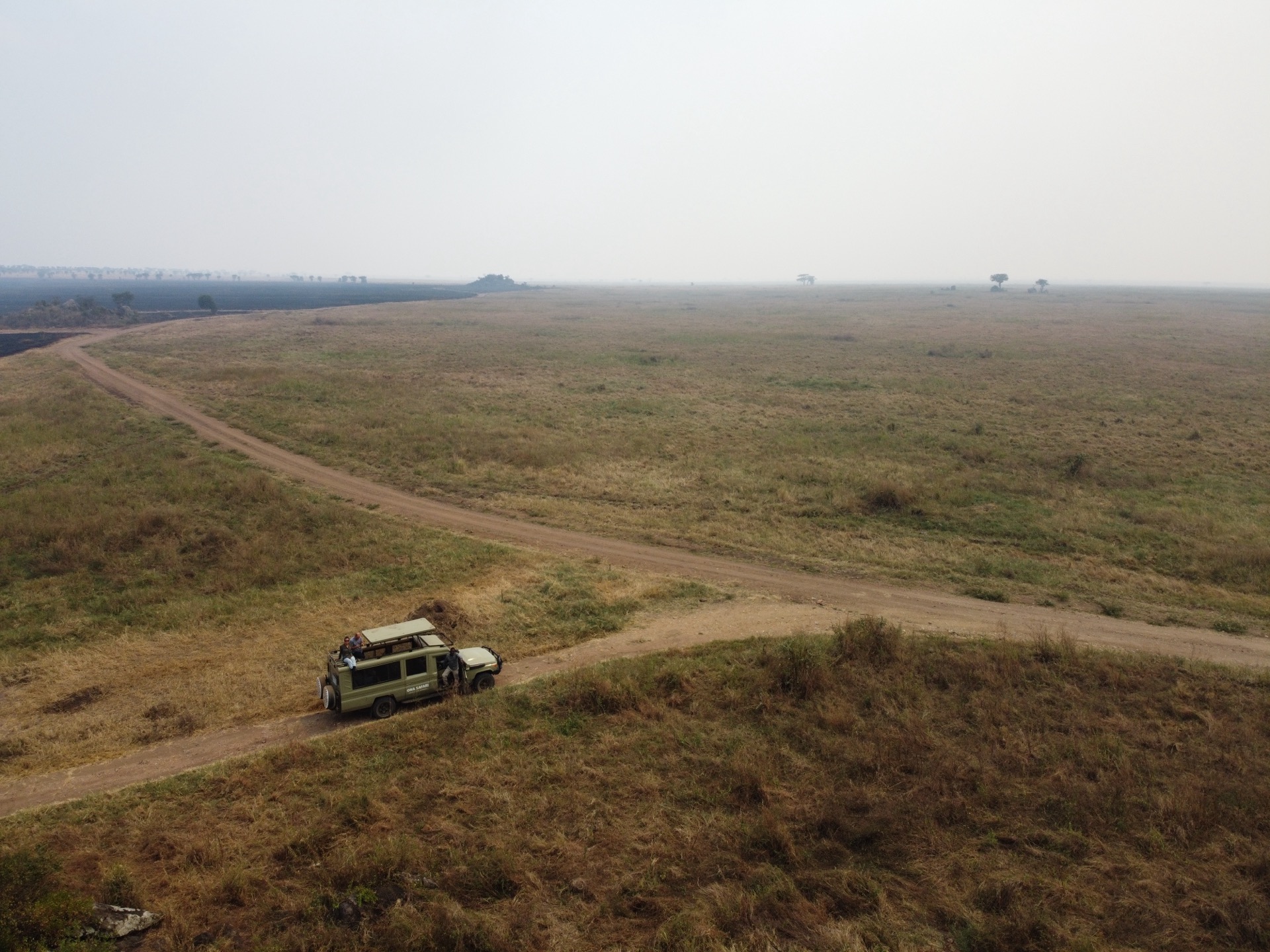
Zanzibar is approximately 1 hour by air from Arusha. Arusha is the gateway to Tanzania’s northern safari circuit: Serengeti, Ngorongoro Crater, Tarangire, Lake Manyara. Dozens of flights connect these two cities daily. The classic trip structure — 7 to 10 days safari followed by 5 to 7 days Zanzibar — is one of the best travel itineraries in the world. You finish a Serengeti sunrise and you are on a Zanzibar beach by evening. It is logistically seamless.
The Maldives does not connect to this system. Routing from the Maldives to a Tanzania safari involves Colombo, Dubai, or Nairobi, adding a minimum of one full travel day each direction, significant extra cost, and a trip structure that most travellers would not book. Almost no one combines a Tanzania safari with a Maldives stay on a single trip — the geography and the routing do not support it.
If a Tanzania safari is anywhere in your planning horizon — now or in future — Zanzibar is the beach leg. The Maldives requires a separate holiday.
Culture: Zanzibar’s clearest advantage
Zanzibar has 2,000 years of layered history. Stone Town was the main slave-trading port of East Africa and the centre of the Omani-Arab empire that controlled this coastline from the 1800s. The Old Fort was built between 1698 and 1701. The buildings are coralline ragstone, mangrove timber, and lime mortar — a construction tradition that exists nowhere else. Sultan Said moved his court here from Muscat by 1840.
Stone Town was inscribed as a UNESCO World Heritage Site in 2000. Freddie Mercury was born at Shangani, Stone Town, on 5 September 1946. Taarab music — which blends African rhythms, Arab maqam scales, Indian instruments, and dense Swahili lyric poetry — originated in Zanzibar in the 1880s and remains a living performance tradition, not a museum exhibit. Forodhani Gardens night market has run for decades: Urojo soup, Zanzibar pizza, sugarcane juice, mshikaki, all for under USD 15 for two people.
The Maldives is honestly culturally thin. The resort system is deliberately insulated from local life — the inhabited local islands are separate from the resort atolls, and most international visitors never set foot on one. This is by design: the product is escape, not engagement. That suits a certain type of traveller exactly. It will not suit a traveller who wants to come home having actually been somewhere.
Kitesurfing: Paje is East Africa’s dedicated kite destination
Paje, on Zanzibar’s east coast, is East Africa’s premier kitesurfing hub. Multiple kite schools operate from the village. The Kusi trade wind runs June to October — southerly, consistent, strong enough for all skill levels. The lagoon in front of Paje is shallow and flat at low tide, which is ideal for beginners learning to body-drag and water-start in controlled conditions. Advanced riders work the outer reef where the chop builds.
The Maldives has some kite spots — the flat lagoons and consistent wind have attracted kiters to certain atolls. But it is not a dedicated kite destination in the way Paje is. For kitesurfing specifically, there is no comparison: Zanzibar is the right call.
Decision table: which traveller should go where
| Traveller type | Recommended destination |
|---|---|
| Combining with Tanzania safari | Zanzibar — the only practical option |
| Overwater bungalow is the dream | Maldives |
| Budget of any kind matters | Zanzibar — significantly cheaper at every tier |
| Honeymoon with cultural dimension | Zanzibar |
| Honeymoon, total private escape only | Maldives |
| Kitesurfing trip | Zanzibar (Paje) |
| World-class snorkeling, maximum consistency | Maldives |
| Pemba Channel diving / adventure diving | Zanzibar |
| Historical and cultural depth | Zanzibar — it is not close |
| Pure beach, zero navigation required | Maldives |
| Families who want activities variety | Zanzibar |
| Ultra-luxury escape | Either — Maldives for overwater; Zanzibar for boutique privacy |
Can you do both?
The Maldives and Zanzibar are 4,000+ kilometres apart. Routing between them involves at minimum one Middle Eastern hub — Dubai, Doha, or Abu Dhabi — plus a flight into Male and a speedboat transfer, or a flight into Nairobi and onward to Zanzibar.
It is possible. A handful of travellers combine both on a single trip, usually routing through Dubai. But it adds significant travel time and cost, and the trip structure is complex enough that most people sensibly choose one.
If you want both Indian Ocean experiences in your life: the Maldives for the overwater bungalow and pure escape; Zanzibar for the safari combination, culture, and the east coast rhythm. They are not competing experiences — they are for different moments in your life. Most people who do both end up preferring Zanzibar. That is not objectivity, that is what I hear.
For the full picture on combining Zanzibar with a mainland Tanzania safari, see the Tanzania and Zanzibar itinerary guide. For how Zanzibar compares to the other major Indian Ocean alternatives, see Zanzibar vs Seychelles and the Zanzibar vs Mauritius guide — which breaks down the price difference, safari combination, and why Mauritius has stronger golf and more direct European flights. For the Bali comparison — surfing, Ubud wellness, Hindu temples, and the safari combination — see our Zanzibar vs Bali guide. Details on the east coast where to stay — including which properties work best for the beach experience described here — are in the east coast where-to-stay guide. For the Paje kitesurfing scene in detail, see the Paje guide. For Stone Town’s cultural depth — the walking route, where to eat, and what the history actually means — see the Stone Town guide.
Frequently asked questions
Is Zanzibar cheaper than the Maldives?
Yes — significantly. Zanzibar covers a wide range from USD 30/night budget guesthouses to USD 400+ luxury resorts, with a strong mid-range market at USD 80–220/night. The Maldives operates almost entirely in the upper-luxury segment, with mid-range resorts often exceeding USD 400/night and overwater bungalows frequently running USD 600–1,200+/night. For a 10-night couple's trip, the difference can be USD 5,000–15,000. If budget is any kind of factor, Zanzibar is the clear choice.
Does Zanzibar have overwater bungalows?
No — and this is the most common disappointment for Maldives comparison seekers. Zanzibar does not have overwater bungalows. What it does have: beachfront villas on sandy beaches, a dramatic sandbank accessible by dhow at Michamvi Pingwe (a different but equally photogenic experience), and the most culturally layered Indian Ocean island destination in the world. If the overwater bungalow is the specific dream, the Maldives is the answer.
Which has better snorkeling and diving?
Both are excellent but for different reasons. The Maldives has some of the world's least-disturbed coral reef systems — crystal visibility, dense marine biodiversity, and the underwater experience is extraordinary. Zanzibar has Mnemba Atoll (a marine reserve with strong coral and reef fish), whale sharks seasonally at Mafia Island, and the Pemba Channel — diving visibility there reaches 30–60 metres and it is considered one of the finest dive sites in the Indian Ocean. The Maldives edges ahead on pure snorkeling consistency; Zanzibar's diving scene offers more variety and adventure.
Can I combine the Maldives with a Tanzania safari?
Technically yes, but impractically. The Maldives has no direct connection to Tanzania — you would route via Dubai, Colombo, or another hub, adding a full day of travel each way. The natural Tanzania safari combination is Zanzibar: 1 hour by air from Arusha, with dozens of daily connections. For the classic 'safari and beach' trip, Zanzibar is always the beach leg. The Maldives is a separate holiday entirely.
Which destination is better for a honeymoon?
Both are popular honeymoon destinations, but they deliver different experiences. The Maldives offers maximum privacy, the classic overwater-villa setting, and an experience that requires very little decision-making. Zanzibar offers romance plus context — Stone Town's evening atmosphere, a sandbank picnic by dhow, kitesurfing lessons together, and a Serengeti sunrise before the beach. If your ideal honeymoon is a private bubble: Maldives. If you want to actually experience a place together: Zanzibar.
What about weather: is Zanzibar or the Maldives more reliable?
The Maldives has two distinct monsoon periods with roughly predictable windows on each side. Zanzibar is best June–October (dry season, the Kusi trade wind) and December–February on the north coast. Both have tropical climates and neither offers year-round perfection. For planning purposes: visit Zanzibar June–October or combine with a Tanzania safari in dry season; visit the Maldives December–April for the most popular North Male atolls.