
Facts & prices checked: 2026-06-25
Two warm islands. Both ringed with beaches. Both on every travel shortlist for a reason. And yet Zanzibar and Bali have almost nothing in common beyond the sun and the sea. They land in the same “island holiday” bracket for European travelers choosing where to spend 10 to 14 days — but comparing them reveals two completely different travel philosophies, two different oceans, and two destinations that appeal to fundamentally different travel urges.
I live in Zanzibar, at Michamvi Pingwe on the east coast, where I run a small boutique hotel. I am biased in one direction. But I have thought carefully about when Bali is genuinely the better answer — and it often is.
Two completely different trips
Zanzibar is an Indian Ocean island defined by Swahili and Arab culture, stone towns built from coralline ragstone, a UNESCO-inscribed old city, whale sharks, dhow sailors, and a beach that happens to be adjacent to Africa’s greatest safari parks. It is a layered destination. The beach is not the main thing — it is one of several main things.
Bali is a Southeast Asian island defined by Balinese Hindu culture, over 20,000 temples, rice terraces, volcanic peaks, world-class surf breaks, and a wellness scene that has made Ubud globally famous. It has more developed tourist infrastructure than Zanzibar by a significant margin — more budget options, more restaurants, more activities bookable at the last minute. It is not an undiscovered destination; it is one of Asia’s most visited islands and has been for decades. That infrastructure is a feature for some travelers and a problem for others.
The fundamental difference is not about which island is prettier. It is about what you want around the beach.
Zanzibar’s strengths
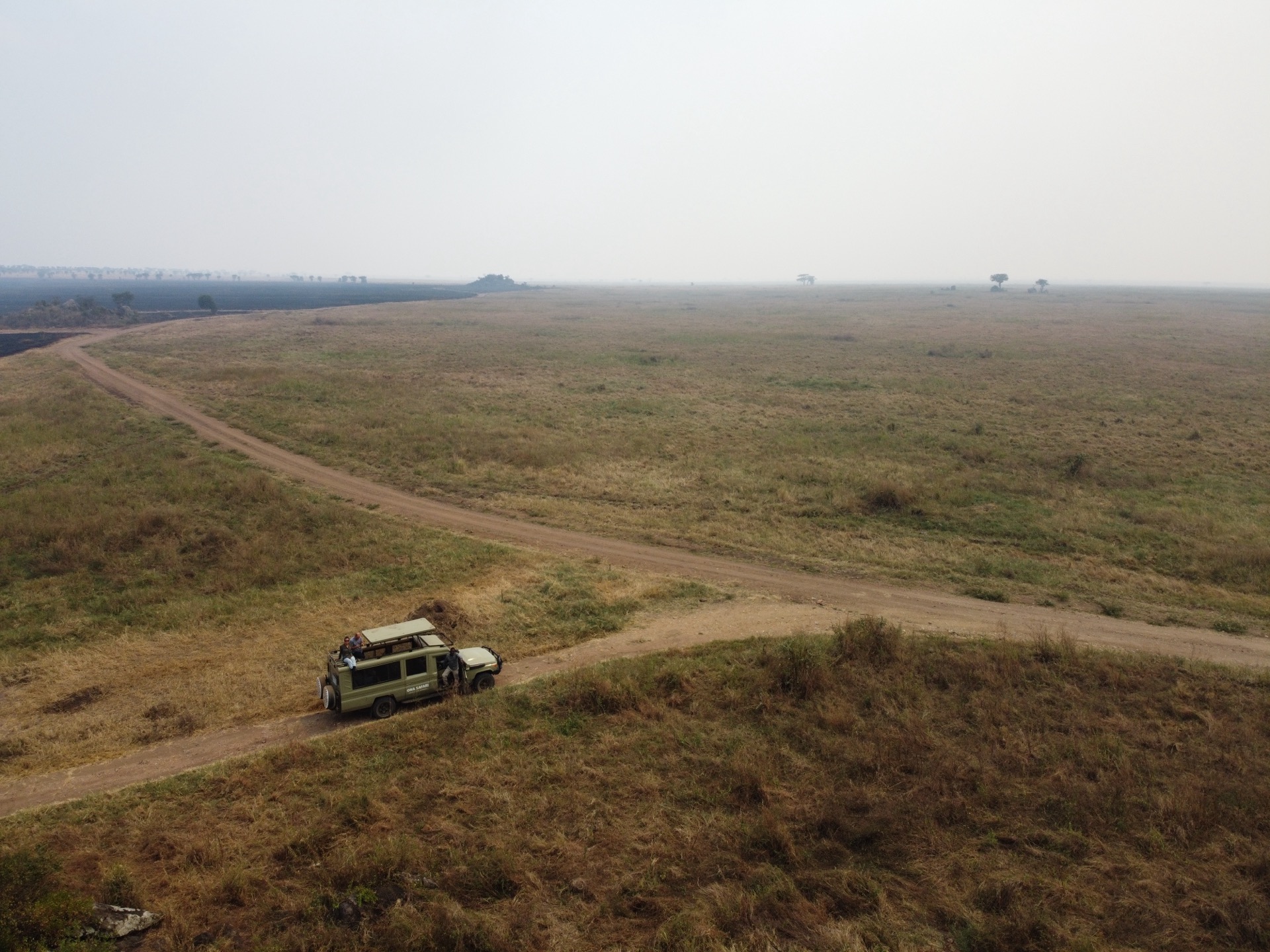
Safari combination. Zanzibar is approximately 1 hour by air from Arusha — the gateway to Tanzania’s Northern Circuit. Serengeti, Ngorongoro Crater, Tarangire, Kilimanjaro. The classic structure — 7 to 10 days on safari, followed by 5 to 7 days Zanzibar beach — is one of the world’s great natural itineraries. Same visa zone, same country, completely seamless routing. You can be watching a Serengeti sunrise and swimming off Paje by evening, without a single international border crossing. Bali has no equivalent. Getting from Bali to a Tanzania safari requires routing through a Middle East hub, adding at minimum a full day in each direction. The safari combination is Zanzibar’s single strongest card.
Stone Town and Swahili culture. Stone Town — Mji Mkongwe — was inscribed as a UNESCO World Heritage Site in 2000 (List #173), recognized as an outstanding example of a Swahili coastal trading town. The Omanis built the Old Fort between 1698 and 1701 on the ruins of a Portuguese chapel. Sultan Said moved his court from Muscat to Stone Town around 1832, making it the commercial capital of East Africa’s spice trade. Freddie Mercury was born here in 1946. Taarab music — a Swahili-Egyptian-Indian hybrid — is performed in courtyards and clubs, not as a tourist exhibit. Forodhani Gardens Night Market operates most evenings with Urojo soup, Zanzibar pizza, and grilled seafood from open-air charcoal stalls. Bali has genuinely rich Hindu temple culture — 20,000+ temples and daily offerings — but no equivalent of Stone Town as a walkable, coralline-ragstone historic city with 2,000 years of layered history.
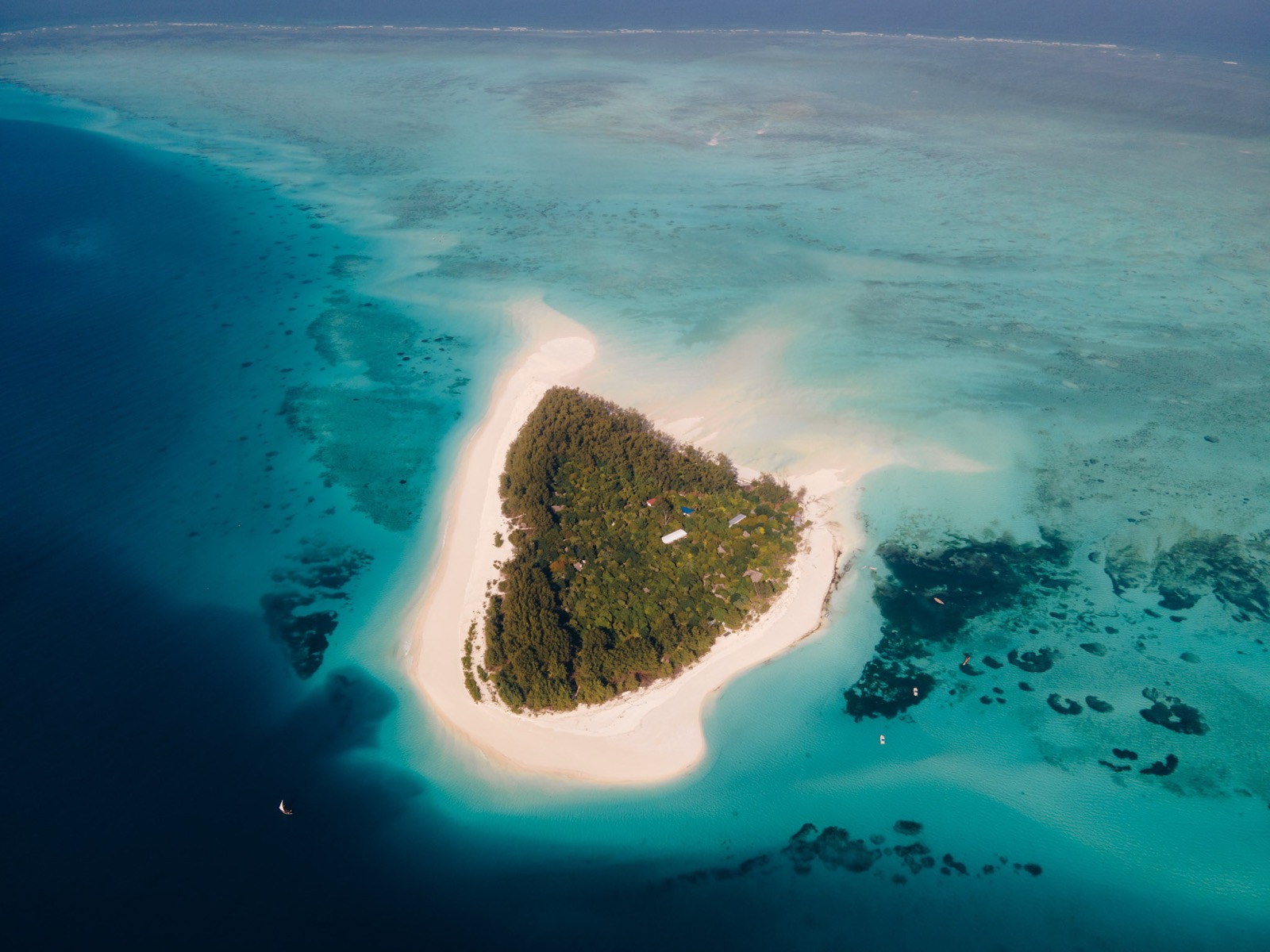
Whale sharks and Indian Ocean diving. Mafia Island, a short flight from Zanzibar, has one of the world’s most reliable whale shark aggregations from October to March. Whale shark snorkeling trips run at USD 60–100 per person. Bali has diving — the Tulamben Liberty wreck, Nusa Penida for mola mola in season, Amed reef — but no whale shark equivalent. For reef diving, Mnemba Atoll north of Zanzibar’s main island delivers 20–30m visibility under an active CORDAP coral restoration project running through September 2027. Pemba Channel walls are rated among East Africa’s finest dive sites by experienced divers, with visibility reaching 30–60m and strong currents that bring pelagic encounters.
Kitesurfing at Paje. Paje on Zanzibar’s east coast is East Africa’s premier kitesurfing destination. The Kusi trade wind runs June through October — southerly, consistent, ideal for the shallow lagoon on incoming tides and the outer reef at high water. Multiple schools operate on the beach. Bali has no kitesurfing equivalent to Paje’s setup.
Fewer crowds. Bali receives millions of international visitors annually. Its main tourist areas — Kuta, Seminyak, Canggu, Ubud — are genuinely busy; the roads between them more so. Zanzibar’s annual visitor numbers are a fraction of Bali’s. The beaches at Paje, Matemwe, and Kendwa are uncrowded by any international comparison. Towns outside Stone Town retain a local character that has not been overwritten by tourist infrastructure. If avoiding crowds is part of the plan, Zanzibar has a real advantage.
Entry requirements note. Zanzibar requires a single-entry Tanzania visa (USD 50 for most nationalities) plus the mandatory ZIC inbound insurance — USD 44 per adult, purchased from inbound.visitzanzibar.go.tz before arrival. The QR receipt is checked at immigration. These are fixed, transparent costs to budget for.
Bali’s strengths
World-class surfing. Bali is one of the world’s great surfing destinations. Uluwatu and Padang Padang deliver consistent, powerful reef breaks that have been on professional tour stops for decades. Kuta and Canggu work for beginners; Medewi and Keramas for intermediates and advanced. The range of breaks — from beginner beach breaks to expert-only reef tubes — is extraordinary. Zanzibar is protected by fringing reefs on most sides; the ocean inside the reef is flat and calm. That is ideal for swimming, kitesurfing, and snorkeling, but there is no swell. If surfing is part of the trip, this comparison ends at Bali.
Ubud and the yoga and wellness scene. Ubud’s global reputation as a yoga and holistic wellness retreat center is not hype. The concentration of yoga studios, meditation retreats, Ayurvedic practitioners, sound healers, and raw food restaurants in Ubud has no equivalent anywhere on Zanzibar. Zanzibar has yoga retreats — a handful of good ones — but not at Ubud’s scale or variety. If a wellness retreat is part of the plan, Bali has built an entire ecosystem around it.
Hindu temple culture and daily life. Over 20,000 temples. Daily flower offerings (canang sari) on every doorstep, shop counter, and dashboard. Cremation ceremonies that fill entire streets. The Balinese Hindu calendar runs a cycle of festivals year-round. This is a living religious culture embedded in daily life — not preserved for tourists, just genuinely how life is organized here. Stone Town’s Islamic culture is equally authentic, but it is a different cultural texture entirely.
Rice terraces and volcanic landscape. Tegalalang’s rice terraces and Jatiluwih (UNESCO recognized) are genuinely photogenic and unlike anything on Zanzibar. Mount Agung and Mount Batur offer volcanic trekking — Batur sunrise treks are a standard Bali itinerary item. Zanzibar is flat and coralline; it has no volcanic landscape.
More developed budget traveler infrastructure. Bali’s backpacker circuit — particularly Kuta and Canggu — has decades of investment: cheap hostels, street food warungs, scooter rentals on every corner, fast WiFi almost everywhere. Zanzibar’s budget traveler infrastructure exists (particularly in Stone Town and Paje) but is narrower in range. For a traveler on a strict daily budget, Bali’s floor is lower.
Nightlife and restaurant scene. Seminyak and Canggu have a developed nightlife and restaurant scene that exceeds anything in Zanzibar except Nungwi at a much smaller scale. If evenings out are part of the itinerary, Bali offers more variety.
Distance from Asia and Australia. For travelers flying from Southeast Asia, East Asia, or Australia, Bali is dramatically closer and cheaper to reach than Zanzibar. This is an obvious but significant routing fact.
Head-to-head comparison
| Factor | Zanzibar | Bali |
|---|---|---|
| Surfing | None (reefs block swell) | World-class — Uluwatu, Padang Padang, Kuta |
| Kitesurfing | Paje — East Africa’s top destination | Limited compared to Paje |
| Diving | Mnemba, Pemba Channel, Mafia whale sharks | Good diving; no whale shark equivalent |
| Safari combination | Natural — 1 hr to Arusha, same visa | Not practical |
| Cultural depth | Stone Town UNESCO, 2,000 years Swahili coast | 20,000+ Hindu temples, rice terraces, Ubud |
| Yoga and wellness | Limited; a few good retreats | Ubud — globally recognized scene |
| Crowds | Low; beaches uncrowded | Busy to very busy in main areas |
| Budget infrastructure | More limited; mid-range focused | Strong backpacker economy |
| Nightlife | Limited (Nungwi mostly) | Seminyak, Canggu — well-developed |
| Volcanic landscape | None | Agung, Batur — trekking available |
| From Europe | Comparable (long-haul, Middle East hubs) | Comparable (long-haul, SE Asia hubs) |
| From Asia/Australia | Long-haul, expensive | Much closer, much cheaper |
| Entry costs | USD 50 visa + USD 44 ZIC insurance | Standard visa-on-arrival for most nationals |
| Crowd level | Genuinely low | High in main tourist areas |
Choose Zanzibar if…
- You are combining with a Tanzania safari. Serengeti, Ngorongoro, Kilimanjaro — Zanzibar is the natural beach close to a mainland safari leg. The logistics are so seamless that most East Africa-bound travelers do this without a second thought. This single factor makes the decision for a large share of the travelers who compare these two destinations.
- Diving, whale sharks, or Pemba walls are on the agenda. Mafia Island’s whale shark season (October to March) is one of the world’s most reliable experiences of its kind. Pemba Channel diving is in a different league to anything in Bali. For a dive-focused trip, Zanzibar is the stronger choice.
- Kitesurfing is part of the plan. Paje’s Kusi wind season runs June through October — consistent enough to plan a kite holiday around. There is no Bali equivalent.
- This is your first time to East Africa or Africa more broadly. Zanzibar is an exceptional first African destination — manageable scale, English-speaking, welcoming, with Stone Town’s depth and the option to add a safari.
- You want fewer crowds. Zanzibar’s beaches are quiet by any international comparison. If low density is part of what you are looking for, Zanzibar has a substantial advantage over Bali’s busiest areas.
- Cultural authenticity matters. Stone Town is a living historic city, not a curated experience. Zanzibar is a Muslim-majority island — there is a dress code off the beach (cover shoulders and knees in Stone Town and villages) — but the cultural texture is genuine and the local communities are visible in everyday life, not pushed to the margins by resort zones.
Choose Bali if…
- Surfing is part of the trip. Full stop. Bali is one of the world’s great surf destinations. Zanzibar has none. If surfing is on the agenda, this comparison is over.
- Yoga, wellness, or a meditation retreat is part of the plan. Ubud has built a globally recognized wellness ecosystem. There is nothing comparable on Zanzibar.
- Temple culture and Hindu rituals are what you are interested in. Bali’s daily religious life — offerings, ceremonies, processions — is extraordinary and worth a trip in its own right.
- You are flying from Southeast Asia, East Asia, or Australia. Bali is the obvious choice on pure routing economics.
- You want the cheapest possible island holiday. Bali’s budget floor is lower. Zanzibar is not expensive, but it is not as cheap at the bottom end.
- Nightlife and a developed restaurant scene matter. Seminyak and Canggu are simply better for evenings out than anywhere in Zanzibar except Nungwi at a much smaller scale.
What both destinations share
Both are warm-water, beach-surrounded islands with year-round tropical climates. Both have excellent snorkeling by day trip (Zanzibar’s lagoon and reef at Mnemba; Bali’s Nusa Penida and Amed sites). Both have strong food cultures — Zanzibar’s Forodhani night market and Swahili spice-influenced cuisine; Bali’s warung culture and international restaurant scene. Both are widely visited by Europeans and have strong travel infrastructure relative to other parts of their respective regions. Both are broadly safe for tourists, English-speaking in tourist zones, and well-connected by international flights.
If someone is choosing between two warm islands with no other context, either is a reasonable answer. The differences only matter when you know what the traveler actually wants.
Tim’s honest take
Bali and Zanzibar satisfy completely different travel urges. Bali is Asia’s most developed tropical island resort — world-class surfing, a yoga and wellness scene that has no rival in the Indian Ocean region, genuinely beautiful Balinese Hindu cultural texture, and more developed budget infrastructure than Zanzibar at the lower end of the market. It has more tourists for a reason: it delivers a broad range of things to a broad range of people, and the infrastructure has kept pace with demand.
Zanzibar is the Indian Ocean without the mass-tourism overlay. Stone Town is irreplaceable — I have not found anything else in the Indian Ocean basin that looks like those coralline-ragstone streets with carved Omani doors, 300-year-old mosques, and a dhow harbour that still functions the way it has for centuries. The kite season at Paje is genuinely excellent. The whale shark experience at Mafia is one of those travel things you cannot recreate anywhere nearby. And no other island holiday in the world has “then you go on safari tomorrow” as a realistic add-on.
If you have to choose between them for a single trip: it is not about which is better. It is about which fits the trip you are designing. Surfer, yogi, or flying from Asia? Bali. Safari-bound, diver, or kitesurfer — or simply looking for somewhere that still feels like a place rather than a product? Zanzibar.
Comparing Zanzibar to other popular island destinations? The Zanzibar vs Mauritius guide covers the Indian Ocean luxury resort question — Mauritius wins on polished infrastructure and golf; Zanzibar wins on price, safari, and cultural depth. For the Maldives comparison on overwater bungalows and diving, see Zanzibar vs Maldives. Comparing Zanzibar to another top Asian beach destination? The Zanzibar vs Thailand guide addresses the most common comparison — including why Zanzibar’s Condor nonstop from Frankfurt makes it closer than most Europeans expect. For the Tanzania safari that makes the Zanzibar case, see the Tanzania and Zanzibar itinerary guide. For where to stay on Zanzibar itself, the Zanzibar where to stay guide covers every coastal area with honest trade-offs.
Frequently asked questions
Is Zanzibar or Bali better for a beach holiday?
Both deliver an excellent beach holiday — the question is what else you want around the beach. Bali's beaches (Seminyak, Nusa Dua, Uluwatu) are well-developed with consistent tourist infrastructure; the surf at Uluwatu and Padang Padang is world-class. Zanzibar's beaches (Kendwa, Paje, Matemwe) are less crowded and feel less developed, particularly on the east coast; the Indian Ocean water is warm and clear. If surfing is part of the holiday, Bali wins. If diving, whale sharks, or kitesurfing is part of it, Zanzibar wins. For pure flat-water swimming and beach quality, Zanzibar's east coast and north coast edges Bali's main tourist beaches on crowd density.
Is Zanzibar or Bali better for diving?
Zanzibar for serious divers. Mnemba Atoll offers coral reef diving with visibility typically 20–30m; Pemba Island's walls are among East Africa's most dramatic dive sites with strong currents and pelagic fish. Mafia Island (same trip) has the world's most reliable whale shark aggregation from October to March. Bali has good diving (Tulamben shipwreck, Nusa Penida for mola mola in season, Amed reef) but Zanzibar's Indian Ocean sites are superior for reef quality and the whale shark combination is unique. For a dedicated diving-focused trip, Zanzibar is the stronger choice.
Is Bali or Zanzibar better for surfing?
Bali, by a substantial margin. Bali is one of the world's top surfing destinations, with world-class breaks at Uluwatu, Padang Padang, Kuta, Medewi, and Canggu — suitable for beginners to professionals. Zanzibar is protected by fringing reefs on most sides, which means the swell is blocked and the ocean inside the reef is calm and flat — ideal for swimming, kitesurfing, and snorkeling but not for surfing. If surfing is part of your trip, Bali is the clear answer.
Which is better value for money: Zanzibar or Bali?
Bali at budget level; Zanzibar for mid-range honesty. Bali has a more developed backpacker economy — cheap street food (warung), budget guesthouses and hostels, and inexpensive local transport are readily available. Zanzibar's tourist accommodation tends to be mid-range and above; true budget accommodation exists (particularly in Paje and Stone Town) but is more limited than Bali. The mandatory ZIC insurance levy — USD 44 per adult, purchased from inbound.visitzanzibar.go.tz — is an entry cost Bali doesn't have. Mid-range hotel costs are comparable. For the cheapest possible island holiday, Bali has a lower floor; for quality mid-range beach accommodation, the difference is smaller.
Can you combine Zanzibar with a safari? Can you do the same with Bali?
Zanzibar, yes — naturally and seamlessly. The Tanzania Northern Circuit (Serengeti, Ngorongoro, Kilimanjaro) is approximately 1 hour by air from Arusha; same visa, same country, same trip. A 5–7 night safari followed by 5–7 nights Zanzibar beach is one of the world's great travel combinations. Bali has no equivalent safari combination within the same region — Indonesia doesn't have Big Five wildlife; the nearest equivalent requires traveling to Komodo (dragons, not lions) or Borneo (orangutans). For a safari-beach combination, Zanzibar is the only serious choice.
Which has more tourists: Zanzibar or Bali?
Bali is significantly more crowded with tourists. Bali receives millions of international visitors per year and is one of Asia's most visited tourist destinations; the main resort areas (Kuta, Seminyak, Canggu, Ubud) can feel extremely busy. Zanzibar receives far fewer international visitors annually; the beaches are less developed (and less crowded), towns outside Stone Town retain a local character, and the island still feels relatively undiscovered compared to Bali. If avoiding crowds is a priority, Zanzibar has a significant advantage. If you want a well-functioning international tourist infrastructure — more restaurants, services, activities easily booked — Bali delivers more of that.