
Facts & prices checked: 2026-06-25
Tanzania and South Africa are the two most popular safari destinations in Africa. They attract similar traveler profiles — first-time safari visitors, wildlife photographers, bucket-list travelers — but they offer genuinely different experiences. I have spent time on game drives in both countries, and the question I get most from travelers planning their first major African trip is whether they should go to Tanzania or South Africa. This guide gives you the honest answer: not “which is better” — both are exceptional — but which is right for your specific goals, budget, and travel style.
The core difference: migration vs flexibility
The decision between Tanzania and South Africa usually comes down to a single question: are you going for the Great Wildebeest Migration?
If the answer is yes — if you want to stand on the banks of the Mara River watching tens of thousands of wildebeest throw themselves into crocodile-filled water, or watch 500,000 calves born on the Ndutu plains in February with lions hunting the edges — then you are going to Tanzania. South Africa has no equivalent. The migration is unique to the Serengeti-Masai Mara ecosystem and cannot be replicated anywhere else in Africa.
If the migration is not specifically on your list, the calculus shifts. South Africa offers a stronger argument for budget travelers, families, self-drivers, and anyone who wants Cape Town alongside their wildlife experience. Tanzania is a more focused destination — the wildlife is the point — while South Africa is a fuller multi-purpose trip.
This is the framework. Everything else follows from it.
Tanzania’s safari strengths
The Great Wildebeest Migration — unique in the world. A 2023 TAWIRI aerial census counted 1,366,109 ± 231,741 wildebeest in the Serengeti ecosystem, accompanied by approximately 200,000 zebra and 500,000 gazelles. This is the largest overland wildlife movement on earth, and it has no equivalent in South Africa or anywhere else. The migration runs on an approximately 800 km clockwise loop driven entirely by rainfall — there is no month when it is not happening somewhere, only different positions in the loop. Calving in January–February (Ndutu, southern Serengeti) and Mara River crossings in July–September (northern Serengeti) are the two peak events.
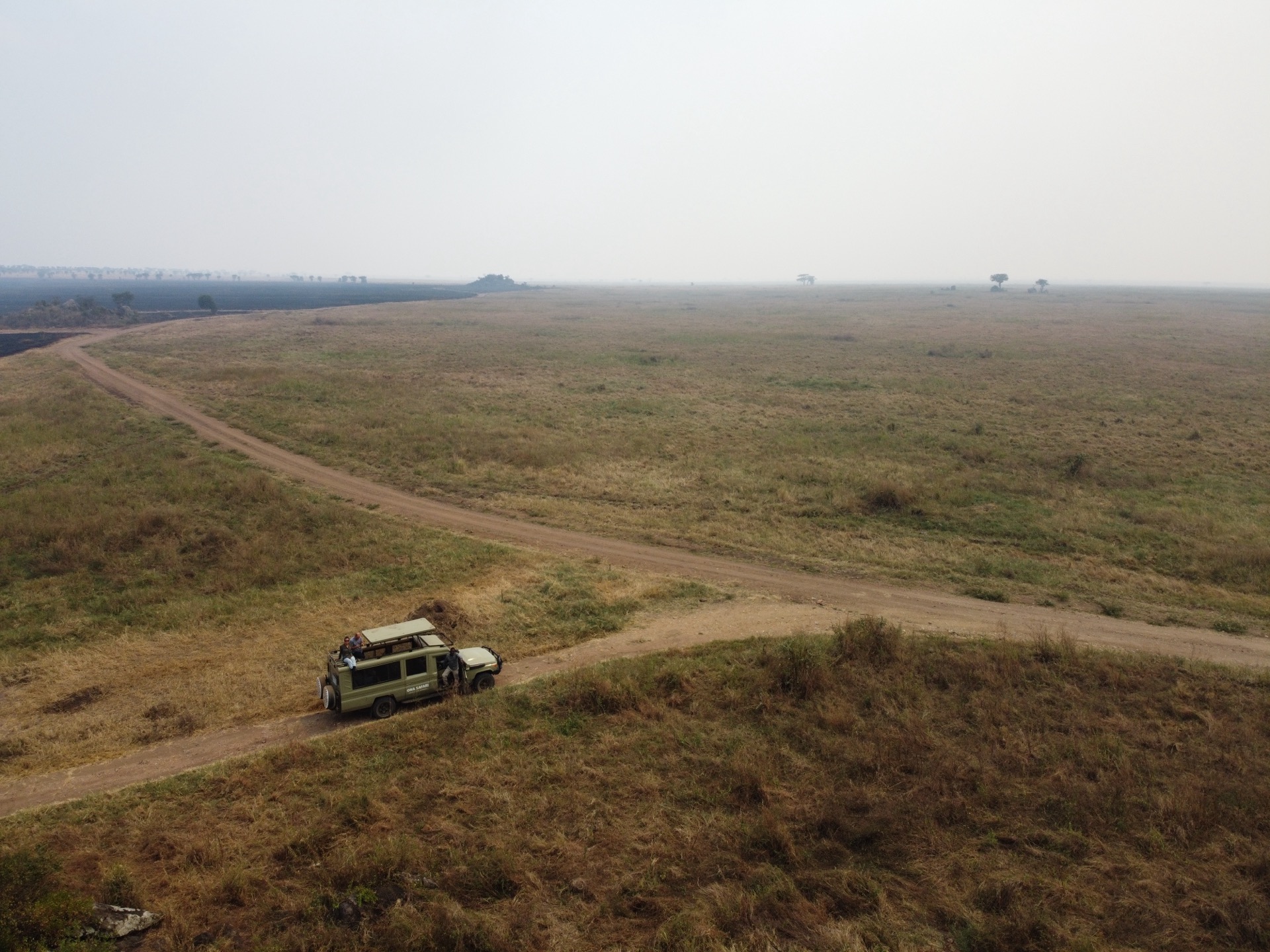
Serengeti scale and predator density. The Serengeti covers 14,763 km² of continuous, unfenced grassland — and critically, it connects to the Ngorongoro Conservation Area, Loliondo, and the Masai Mara, creating a roughly 30,000 km² functional ecosystem. The predator-to-prey ratio is among the highest in Africa. Lion prides are large and relatively habituated to vehicles; cheetah on the open plains are visible and active; leopard densities in riverine areas are exceptional. I have spent mornings in the Serengeti watching three separate cheetah hunts before 9:00 am.
Ngorongoro Crater — concentrated Big Five. The Ngorongoro Crater is the world’s largest intact, unflooded volcanic caldera, formed approximately 2.5 million years ago. Inside its 260 km² floor lives one of the densest concentrations of Big Five animals in Tanzania — including black rhino, Tanzania’s most reliable location for rhino sightings. Tanzania’s black rhino population has grown from 162 animals in 2015 to 263 in 2024; the majority are in the Ngorongoro ecosystem. The crater is also managed separately from TANAPA, with its own fee structure: USD 70.80 per person per day entry fee plus USD 295 per vehicle per crater descent.
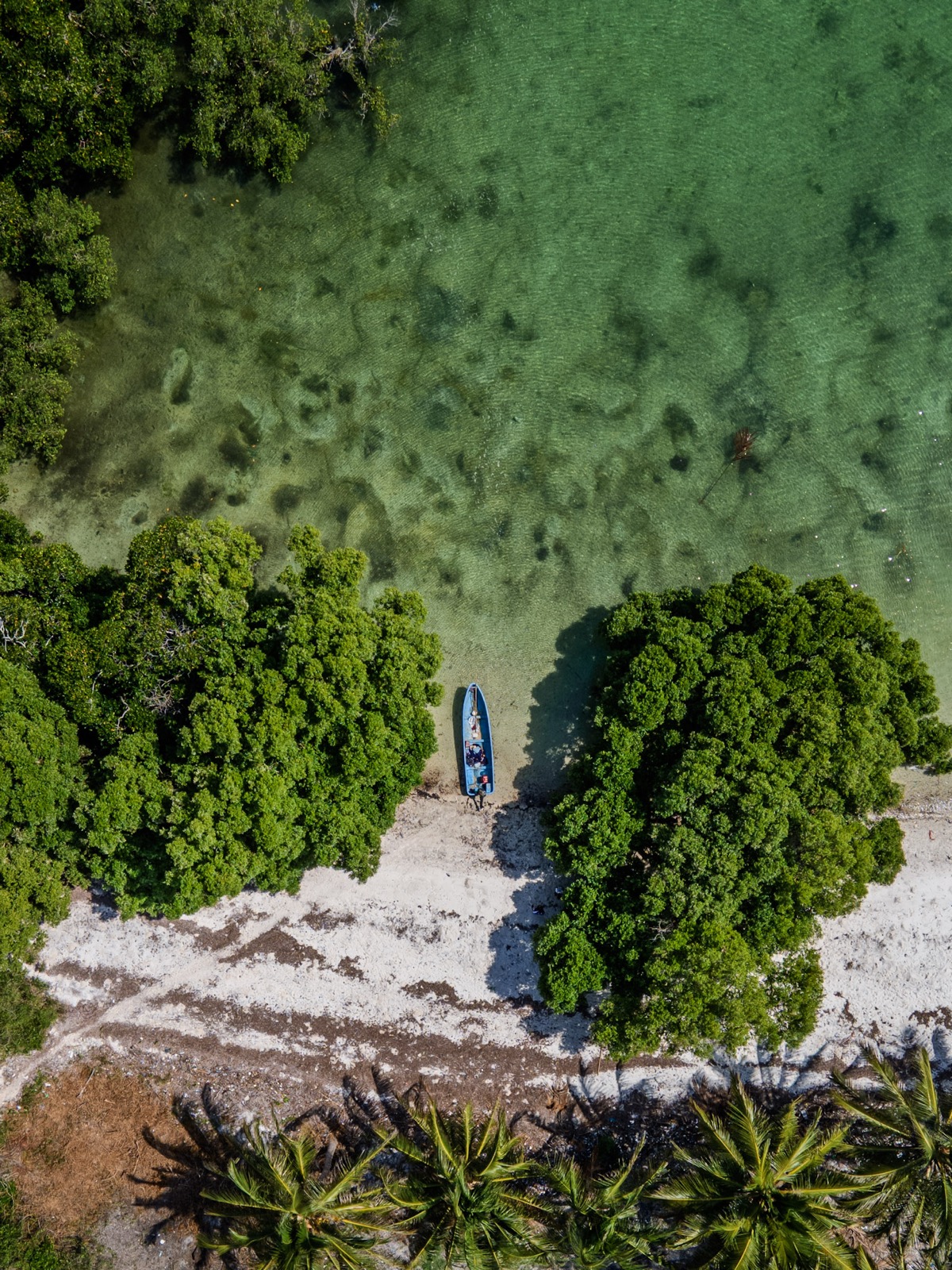
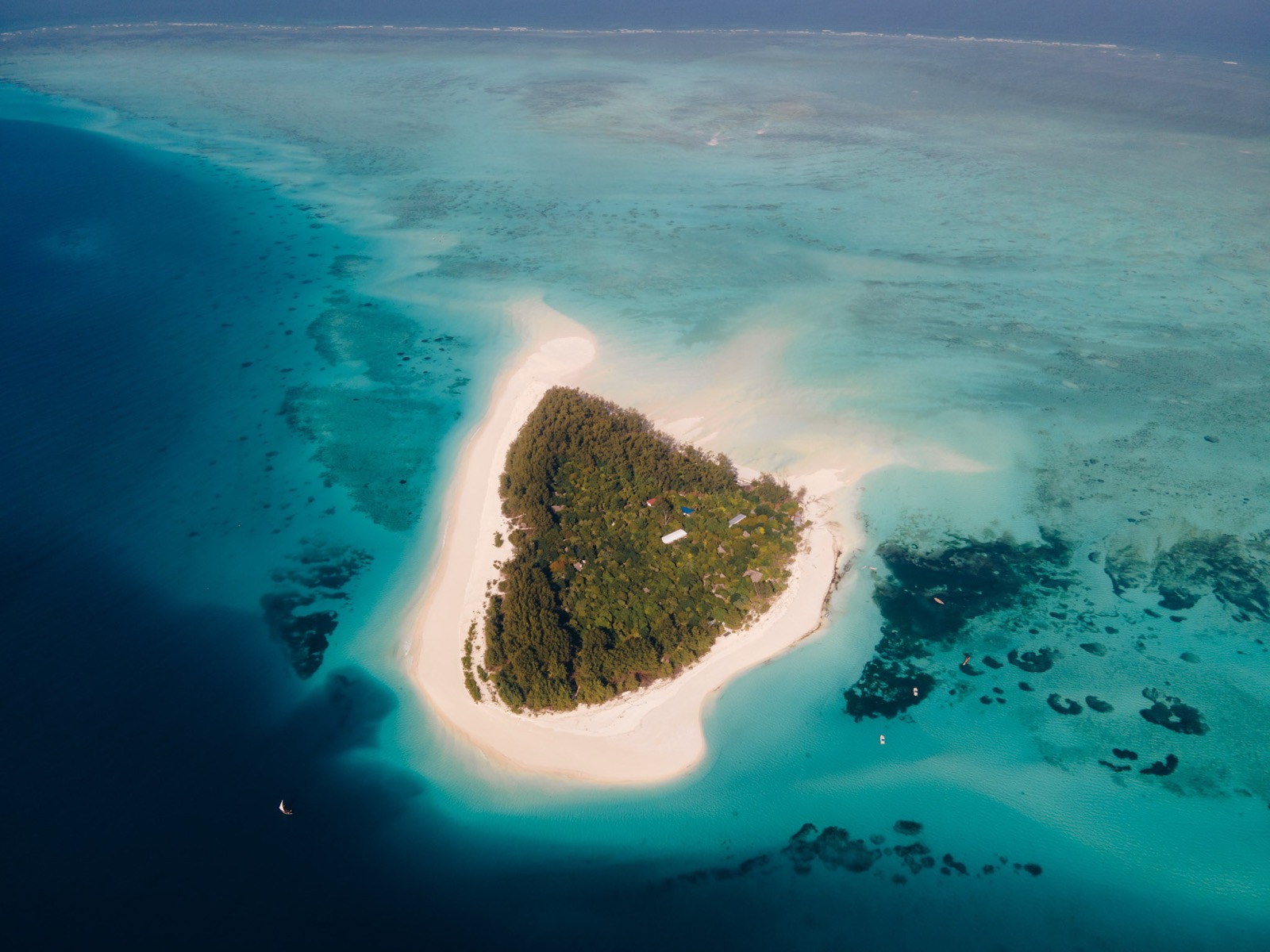
Zanzibar — the natural beach combination. Zanzibar is one hour by air from Arusha. Same country, same visa, immediate flight connections. The safari-beach combination — 5 to 7 nights in the northern circuit followed by 5 to 7 nights on Zanzibar’s Indian Ocean coast — is one of the most complete travel itineraries available anywhere. South Africa has beaches, but none within the same country that compete with Zanzibar’s reef snorkeling, turquoise water, Stone Town’s UNESCO streets, and coral-sand beaches on the east coast.
Southern circuit depth. Tanzania’s Nyerere National Park (formerly Selous Game Reserve) is approximately twice the size of the Serengeti and one of the few Tanzania parks where walking safaris, boat safaris, and game drives are all permitted simultaneously. Ruaha National Park to the north is enormous and undervisited. There is no South African equivalent to this depth of less-visited wilderness at a lower price point than the northern circuit.
South Africa’s safari strengths
Self-drive accessibility. Kruger National Park is among the most accessible Big Five destinations in the world. It has a well-developed network of tarmac and gravel roads, fuel stations, rest camps with accommodation and restaurants, and maps designed for independent navigation. Arriving in a standard rental car, with no guide and no pre-booked operator, and seeing elephant, giraffe, zebra, and lion on the same day is genuinely possible — and common. In Tanzania, almost all park visits are in guide-driven vehicles. TANAPA regulations and safety protocols make self-drive impractical in the Serengeti and Ngorongoro. This difference is fundamental for budget-conscious travelers and those who prefer independence.
Lower budget floor. As a result of self-drive accessibility, South Africa’s budget floor for a legitimate Big Five safari is significantly lower than Tanzania’s. A Kruger rest camp self-catering chalet, fuel for a rental car, and park fees represents a substantially cheaper package than Tanzania’s minimum of a guided camp safari with park fees. This does not mean South Africa’s safari is inferior — it is different. But for travelers for whom budget is a primary constraint, South Africa makes a safari financially viable that would otherwise be out of reach.
Cape Town, wine country, Garden Route. Tanzania is one-purpose travel. Safari in the north, Zanzibar on the coast — those are the two activities. South Africa offers a full multi-destination itinerary within one country: Cape Town (one of the world’s great cities), the Cape Winelands, the Garden Route coastal drive, the Western Cape scenery. For travelers who want maximum variety on a single trip, South Africa competes with almost any destination on earth as a complete travel package.
The world’s largest rhino population. South Africa has the world’s largest populations of both white rhino and black rhino. In Hluhluwe-iMfolozi Park in KwaZulu-Natal, rhino sightings are close to guaranteed on any full-day game drive. In Kruger, white rhino are regularly seen in the southern sections of the park. For a traveler whose primary wildlife goal is rhino, South Africa is the unambiguous destination choice.
Malaria-free Cape region. Cape Town, the Western Cape, and the Garden Route are malaria-free. The Kruger region and KwaZulu-Natal carry malaria risk — prophylaxis is recommended for those areas. But a trip that pairs Cape Town with Hluhluwe-iMfolozi or a private reserve near Kruger can be structured to manage this. For travelers who cannot take antimalarial prophylaxis for medical reasons, this is a meaningful practical advantage. Tanzania’s parks and Zanzibar are all in malaria zones; a Tanzania safari without prophylaxis is not advisable.
Head-to-head comparison
| Factor | Tanzania | South Africa |
|---|---|---|
| Great Migration | Unique — 1,366,109 wildebeest (2023 TAWIRI census) | No equivalent anywhere in Africa |
| Self-drive safari | Not practical in national parks | Kruger fully self-driveable in rental car |
| Budget floor | Higher — guide required in all parks | Lower — self-drive Kruger is accessible |
| Rhino sightings | Black rhino increasing (263 animals, 2024); Ngorongoro best bet | World’s largest rhino population; near-guaranteed in Hluhluwe-iMfolozi |
| Beach combination | Zanzibar — 1 hour from Arusha, same country | Garden Route / Durban (no equivalent of Zanzibar) |
| Infrastructure | More remote outside camps; guide-dependent | Better road network, wider accommodation range |
| Malaria | All parks and coast are malaria zones | Cape Town and Western Cape are malaria-free |
| Park fees | Serengeti USD 82.60/day; Ngorongoro USD 70.80 + USD 295 crater fee/vehicle | More affordable — especially self-drive Kruger |
| Ecosystem scale | Serengeti 14,763 km² (unfenced) | Kruger ~19,485 km² (semi-fenced, publicly accessible) |
| Cultural add-on | Stone Town UNESCO, Kilimanjaro, Swahili coast | Cape Town, Winelands, Apartheid Museum, Garden Route |
| Night drives | Private conservancies only (not national parks) | Private reserves; some within or adjacent to Kruger |
Who Tanzania is right for
Migration seekers. If your trip is timed around the calving season (January–February, Ndutu) or the Mara River crossings (July–September, northern Serengeti), this is a Tanzania-only decision. The migration is the most compelling wildlife event available anywhere in Africa and it exists nowhere else.
Predator and behavior watchers. The Serengeti’s predator density and the concentration of animal interactions in the crater floor of Ngorongoro make Tanzania the strongest choice for travelers focused on lion, cheetah, leopard, and hyena behavior. The scale of the ecosystem and the lack of vehicle caps in most areas (the Serengeti has some regulations in sensitive zones) means wildlife feels genuinely wild rather than managed.
Safari-plus-beach travelers. Zanzibar is such a natural add-on to Tanzania that it would be irrational to ignore it. One flight, one country, one visa — and the east coast beaches, Mnemba Atoll snorkeling, and the Stone Town old city are world-class on their own merits. For anyone who wants wildlife in the morning and a coral reef in the afternoon (over a different week), Tanzania-Zanzibar is the answer.
Wilderness seekers. Tanzania’s southern circuit — Nyerere, Ruaha — offers vast, undervisited wilderness that feels genuinely remote. Very few other vehicles; walking and boat safaris permitted; species like wild dog and hippo in large numbers. South Africa’s private reserves offer quality but in a more managed environment. For travelers who want to feel a long way from anyone else, Tanzania’s south is exceptional.
Who South Africa is right for
Budget travelers. Self-drive Kruger is the most accessible high-quality Big Five safari in Africa at the lowest price point. Rest camps with self-catering chalets, a rental car, and the park entry fee add up to a package that genuinely competes with any mid-range guided safari destination. If cost is the primary constraint and a guided Tanzania camp is not feasible, South Africa is the honest recommendation.
Self-drive and independent travelers. Travelers who prefer to set their own pace, stop where they want, and navigate independently will find Tanzania’s guide-dependent model frustrating. In Kruger, you choose your route, stop as long as you want at a sighting, and eat when you decide. In Tanzania, you depend on your guide’s decisions and schedule. Both have advantages, but the independence preference clearly points to South Africa.
Cape Town enthusiasts. If Cape Town is on the list, South Africa is already the destination. Adding a safari leg — Hluhluwe-iMfolozi, a private reserve near Kruger, or a malaria-free reserve in the Eastern Cape — makes it a more complete trip without the logistical complexity of adding a second country.
Families with children. South Africa’s self-drive option means families can set their own pace and structure breaks around children’s needs. Malaria-free reserves in the Eastern Cape (like Shamwari or Addo Elephant Park) are particularly practical for families who want to avoid the prophylaxis question entirely. Tanzania has family-friendly options, but the guide-dependent structure and malaria requirement add complexity.
Rhino-focused travelers. If rhino is the primary wildlife goal, South Africa is the unambiguous answer. White rhino in Kruger’s south, both species in Hluhluwe-iMfolozi — the sighting rates are far higher than Tanzania’s recovering but small black rhino population.
What both share
It is worth being clear about what Tanzania and South Africa have in common, because the overlap is significant:
- Big Five — lion, leopard, elephant, buffalo, rhino — both countries have genuine sightings of all five species in major parks
- Cheetah — present and regularly seen in both the Serengeti and Kruger
- World-class safari infrastructure — experienced guides, well-equipped vehicles, and lodging from comfortable to exceptional in both countries
- Year-round operation — both countries can be visited in any month, with different advantages by season
- Strong conservation frameworks — both Tanzania (TANAPA, NCAA) and South Africa (SANParks) have serious conservation systems and significant protected-area networks
- Night drives available in private reserves — while Tanzania’s national parks prohibit night drives, private conservancies adjacent to the Serengeti (Loliondo, some Lamai areas) offer them; South Africa’s private reserves regularly run night drives and these are often where leopard and smaller nocturnal species are most reliably seen
Tim’s honest recommendation
The migration question is the clearest decision tool I have.
If someone tells me they want to be in Tanzania in January for calving season, or in July for the Mara crossings, there is nothing to discuss — they are going to Tanzania, and South Africa does not offer an alternative. If the migration window is on the plan, the decision is already made.
If someone says they want a safari but has no specific timing goal, the argument for South Africa is genuinely strong. Self-drive Kruger at a lower price point is one of the world’s best value wildlife experiences. Adding Cape Town creates a trip that would be hard to improve at any budget level.
I would send a budget-conscious first-timer to South Africa and never feel I had given them bad advice. I would send someone with a specific wildlife goal — migration, Ngorongoro crater, Zanzibar combination, serious predator behavior — to Tanzania and not hedge that recommendation.
The one thing both countries share is that neither disappoints. I have never spoken with a traveler who went to either one and came back wishing they had chosen elsewhere.
→ Related: Tanzania vs Kenya safari · Tanzania northern circuit · Serengeti — season and when to go · Ngorongoro Crater guide · Tanzania safari costs · Zanzibar as a safari beach combo
Frequently asked questions
Is Tanzania or South Africa better for a first safari?
It depends on budget and goals. South Africa is more accessible for a first safari: Kruger National Park can be done in a rental car without a guide, accommodation ranges from budget rest camps to luxury lodges, and Cape Town adds a world-class city to the trip. Tanzania delivers a stronger pure wildlife experience — the Serengeti's predator density and animal behavior are arguably the best in Africa — but at a higher cost floor and without self-drive flexibility. If budget is a constraint, South Africa first is a reasonable choice. If the migration or Zanzibar combination is the goal, Tanzania is the answer regardless of whether it's your first safari.
Is the Serengeti bigger than Kruger National Park?
Kruger at approximately 19,485 km² is technically larger than the Serengeti National Park at 14,763 km². However, the Serengeti ecosystem (including Ngorongoro Conservation Area, Loliondo, Masai Mara in Kenya, and the surrounding community lands) covers roughly 30,000 km² of interconnected habitat. The more meaningful difference is management: Kruger is semi-fenced and bisected by public roads that allow self-drive access; the Serengeti is unfenced and most visitor movement is in organized game drives. Both are enormous by any standard.
Can you do a self-drive safari in Tanzania?
Rarely, and not recommended in most of Tanzania's national parks. TANAPA regulations and safety considerations mean almost all park visits are in guide-driven vehicles. The main exception is some community conservancies and private wildlife areas adjacent to national parks. In South Africa, Kruger National Park has a well-developed network of paved and gravel roads designed for self-drive, with frequent rest camps, fuel, and accommodation. This is the most significant practical difference between the two destinations for budget and independent travelers.
Which has better rhino sightings: Tanzania or South Africa?
South Africa, clearly. South Africa has the world's largest populations of both white rhino and black rhino. In Hluhluwe-iMfolozi Park, rhino sightings are almost guaranteed; in Kruger, white rhino are regularly seen. Tanzania's black rhino population is recovering but remains small — 263 animals (2024, up from 162 in 2015), primarily concentrated in Ngorongoro Crater where sightings are possible but not guaranteed. For a traveler whose primary goal is rhino, South Africa is the right destination.
Is malaria a concern in Tanzania vs South Africa?
In Tanzania: yes, malaria is present in all the main national parks and coastal areas including Zanzibar. Malaria prophylaxis is strongly recommended for all visitors to Tanzania. In South Africa: the Kruger region and KwaZulu-Natal are malaria zones; Cape Town, the Western Cape, and Garden Route are malaria-free. For travelers who cannot take malaria prophylaxis for medical reasons, a Cape Town-focused South Africa trip is viable; a Tanzania safari is not advisable without prophylaxis.
Can you combine Tanzania safari with a beach?
Yes, very naturally. Zanzibar is a 1-hour flight from Arusha — the same visa, the same country, the same trip. The pattern of 5–7 nights Northern Circuit safari followed by 5–7 nights Zanzibar beach is one of the most popular itineraries in East Africa and genuinely one of the world's great travel combinations. South Africa has beaches (Durban, the Garden Route), but no equivalent of Zanzibar — combining Kruger with a beach requires significant additional travel. For a safari-plus-beach trip, Tanzania-Zanzibar is the stronger single-country option.