Facts & prices checked: 2026-06-25
Zanzibar’s wellness scene has developed considerably over the past decade. What was once limited to a few resort massage rooms has become a genuine spectrum: USD 15 beach massages under the palms at Paje, multi-day yoga retreat weeks at Matemwe eco-lodges, and dedicated spa facilities at Arabesque resort hotels with Vichy showers and traditional steam rooms. What makes the Zanzibar experience distinct from Bali or Thailand is the specific local ingredient base — virgin coconut oil pressed from the island’s own coconuts, clove oil from an island that was once among the world’s most important clove producers, ylang-ylang, frangipani, and seaweed farmed in the same east coast shallows you can walk across at low tide.
Zanzibar’s wellness scene — three tiers
The simplest way to understand the Zanzibar wellness market is three tiers by spend and setting.
Luxury: Dedicated spa resorts and private island experiences, where treatments are choreographed, locally sourced ingredients are cold-pressed or hand-blended, and the facility itself is architecturally notable. Expect USD 80–200+ per treatment. Advance booking essential.
Mid-range: Eco-lodges and boutique properties with trained therapists, yoga platforms, and small treatment rooms. Treatments typically USD 40–80. Drop-in possible at some; reservation recommended in high season (June–October).
Budget: East coast villages (Paje, Jambiani, Michamvi) have independent massage studios and occasional beach practitioners charging USD 15–40 for a full-body massage. Quality varies sharply — the good ones are genuinely good; the bad ones are not.
Each tier draws on the same local ingredient tradition. The difference is mostly in how rigorously those ingredients are sourced, how the treatment environment is built, and whether the therapist has formal training.
Luxury spa resorts
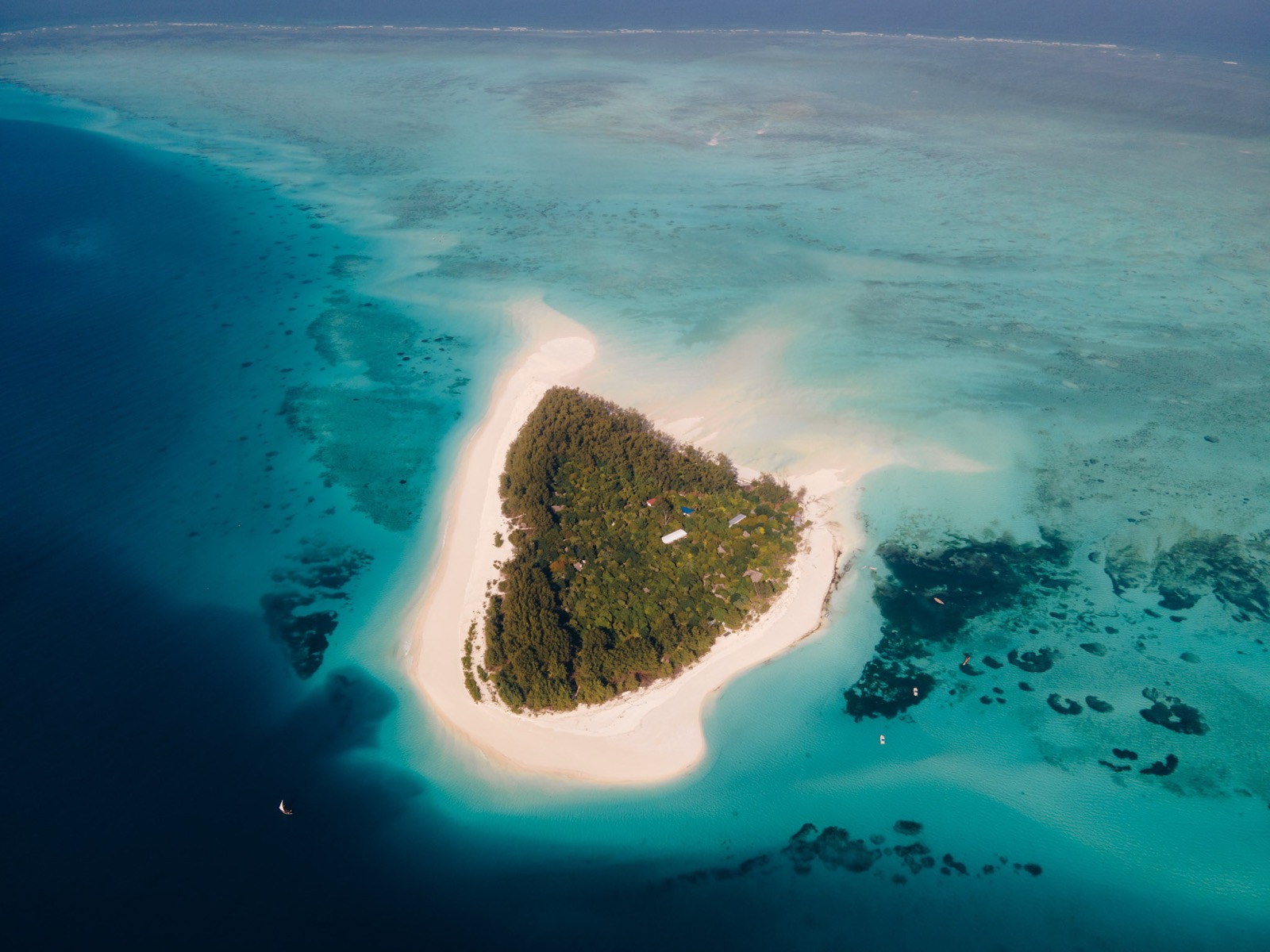
Mnemba Island (andBeyond). The most exclusive wellness experience on Zanzibar is also the most inaccessible. &Beyond Mnemba Island Lodge has 12 bandas accommodating a maximum of 24 guests on a private island 3 km off the northeast coast. Rates start from USD 2,150 per person per night plus a USD 100 conservation levy per person per night. The spa here connects to the marine environment — treatments incorporate sea elements and techniques designed for post-dive recovery. Day access to the island itself is not available for non-divers. This is for guests who are already staying on Mnemba; it cannot be booked as a day spa visit.
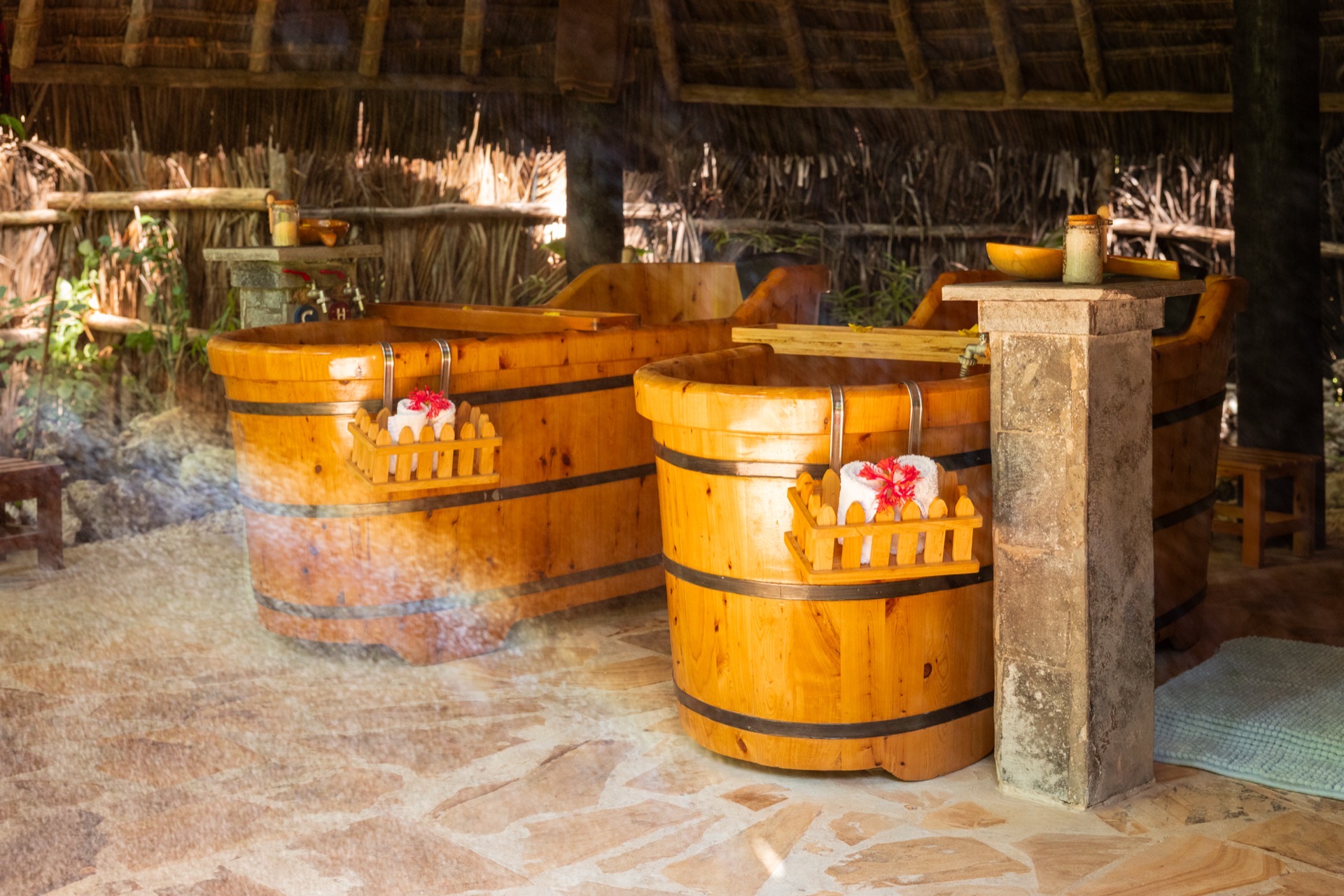
Baraza Resort and Spa (Bwejuu). Baraza is the most developed standalone spa destination on the east coast — Arabesque architecture, a dedicated spa villa with a traditional steam bath, Vichy shower, and a Zanzibari ritual menu that uses clove, coconut, and lime sourced locally. Expert Africa rates Baraza in its top wellbeing retreats in Zanzibar at 95% satisfaction. The resort is 59 km from Zanzibar International Airport. Unlike Mnemba, Baraza accepts day visitors to the spa with a minimum treatment spend — this is the realistic option for guests staying elsewhere who want a full spa day.
Bustani Spa at Matlai (Michamvi peninsula). The Bustani Spa (Wikidata: Q140307011) is the spa at Matlai, a boutique hotel on the Michamvi peninsula on the southeast coast. The spa offers Swahili-inspired treatments: coconut oil body wraps, full-body massage, and sunset terrace sessions. The key distinction here is the sourcing — cold-pressed virgin coconut oil from local Zanzibar producers rather than commercial coconut oil. The difference is noticeable immediately: the scent is cleaner, lighter, and more authentically tropical than the refined commercial version. As Tim’s home base on the island, the Bustani Spa is the east coast option he reaches for when he needs to reset after a long week of travel.
Mid-range and boutique options
Several eco-lodges along Matemwe on the north coast have developed wellness programmes with trained therapists and open-air massage platforms. Treatments here tend toward the Ayurvedic-influenced — several properties employ trained Indian therapists working with herb-infused oils alongside the local coconut and spice base. The setting is a significant part of the value: an outdoor massage platform with a direct view over the Indian Ocean, in the breeze, is qualitatively different from a treatment room.
On the east coast, Paje and Jambiani each have standalone massage studios that operate independently of the larger resorts. These typically charge USD 20–40 for a full-body massage, occasionally more for specialist treatments. Several are operated by local Zanzibari women who have completed formal massage training — part of an ongoing effort to build professional careers in the wellness economy outside the farming and fishing sector that has traditionally dominated livelihoods here. One property worth noting is Tulia Zanzibar, which includes the first massage per guest per stay complimentary — offered as Ayurvedic, Swedish, or coconut massage.
What to look for when choosing a mid-range studio: ask whether the therapist has a formal qualification (VTCT, CIBTAC, or equivalent), ask specifically what oil they use (the answer “coconut oil” is correct; “any oil” or “hotel oil” is less reassuring), and ask whether they do pressure-point or full-body Swedish. The terminology matters — a “relaxation massage” and a “deep tissue massage” are meaningfully different experiences.
Budget beach massage
On the east coast between Paje and Michamvi, independent massage practitioners have operated for years — working on the beach under the palms, or from small studios attached to guesthouses and local homes. Prices typically start from USD 15 for a 60-minute full-body massage, rising to USD 25 at the better-known studios.
The quality is genuinely variable. The best practitioners in each village are well known locally and consistently recommended by accommodation staff. The worst are not. The simplest and most reliable way to access the good end of this market is to ask at your accommodation — not to accept an approach from someone on the beach. Beach approaches are inconsistent in quality; the practitioners who work by recommendation don’t need to approach strangers.
A beach massage from a practitioner who knows what they are doing, using good coconut oil, on a shaded stretch of sand with the Indian Ocean 20 metres away, is one of the more pleasant things you can do on Zanzibar for USD 20. It is not a spa treatment in the Baraza sense, but it is real, it is local, and it is honest.
Zanzibar signature treatments
The treatments that distinguish Zanzibar’s spa and wellness scene from generic tropical massage are mostly rooted in the island’s agricultural history.
Cold-pressed coconut oil massage. Virgin coconut oil extracted from fresh Zanzibar coconuts (Cocos nucifera — called mnazi locally) is the base for most authentic island massage treatments. Cold-pressed virgin coconut oil has a lighter scent and slightly different fatty acid composition than commercial refined coconut oil — higher lauric acid content, closer to the raw fruit. Budget and mid-range massages often use commercial coconut oil; the top spa properties source cold-pressed local product and the difference is perceptible.
Clove oil warming blend. Cloves were introduced to Zanzibar in the early 19th century (sources cite 1812 or 1818) and became the island’s most valuable export — establishing Zanzibar as one of the world’s most important hubs for spice production and trade. Clove essential oil is warming, antiseptic, and distinctively aromatic. Used in small concentrations in massage blends, it creates a gentle heat response in muscle tissue, making it particularly effective for post-activity recovery and in cooler dry-season evenings. Several spas offer a dedicated clove oil treatment or blend it into a warming full-body massage.
Seaweed wrap. Zanzibar has more than 23,000 seaweed farmers, and more than 80% of them are women. Seaweed farming takes place in 83 villages across the island — 50 on Unguja (main island), 33 on Pemba. The primary species is Eucheuma cottonii, grown on the tidal flats of the east coast — the same flats that visitors walk across at low tide. Dried and processed seaweed contains alginates and minerals with genuine skin-conditioning properties, and several spas offer seaweed body wraps using locally farmed product. The Mwani Mamas seaweed farming group in Jambiani (whose members earn USD 250–300 per month from the enterprise) represent the kind of direct connection between the ingredient and the community that makes this treatment genuinely rooted.
Ylang-ylang and frangipani blends. Both ylang-ylang and frangipani are grown on Zanzibar and used in locally blended massage oils and bath products. Ylang-ylang has an intensely floral, slightly sweet tropical scent — widely used in Chanel No. 5, if that gives you the reference point. Frangipani is lighter, more resinous, faintly honey-edged. In combination they produce a scent that is unmistakably Indian Ocean coastal rather than generic spa.
Stone Town hammam tradition. Stone Town’s history as an Omani Arab trading hub included a public bathing tradition — the Kidichi Persian Baths, built in 1850 by Sultan Seyyid Said for his Persian wife, are the most visible remnant: a series of well-preserved domed baths north of Stone Town. The hammam tradition (steam bath followed by exfoliating scrub) is not as developed in Zanzibar as in Morocco, but several Stone Town establishments now offer hammam-inspired steam and scrub experiences for visitors who want the historical reference made physical rather than just architectural.
Yoga retreats
Yoga has become a fixture of the Zanzibar wellness offering, particularly on the north and east coasts.
Matemwe (north coast). Several eco-lodges in Matemwe have open-air yoga platforms with resident teachers operating primarily from June to October. The format is typically a 60–90 minute sunrise session facing the Indian Ocean — the timing takes advantage of the low-angle morning light and the cooler pre-heat hour. The 2024 Zanzibar Yoga Festival was held at a Sunshine Group property in Matemwe, indicating the area’s established position in the yoga retreat circuit. Some Matemwe properties include morning yoga sessions in the room rate; at others it is a daily supplement.
Paje (east coast). Paje has developed the most accessible drop-in yoga scene on the island, partly because the kitesurfing and digital nomad community that settled here in the 2010s created demand for structured movement practice alongside watersports. Drop-in classes at Paje studios typically run USD 10–15 per session. Yoga with Jo runs classes at Mbweni ruins near Stone Town for a more atmospheric option close to the city.
Residential retreat weeks. Several operators run dedicated retreat weeks on Zanzibar combining accommodation, yoga sessions, meditation, spa treatments, and island excursions. Prices vary significantly: Tripaneer lists Zanzibar yoga and wellness retreats from USD 950 per person for a week. Love Her Retreats lists women’s healing retreat packages from USD 4,100 with a USD 500 non-refundable deposit — a more intensive, all-inclusive retreat format. The best-season window for all outdoor retreat programming is June to October.
Silent retreat and meditation. A meta-analysis of 21 studies on multi-day meditation retreats found significant positive effects on wellbeing. Several Zanzibar eco-lodge properties offer space for self-directed silent retreat periods outside of formal programming — worth enquiring about directly if that is what you are looking for.
Wellness for honeymoon and all-inclusive visitors
Spa treatments are excluded from essentially every standard Zanzibar all-inclusive package, however “all-inclusive” the marketing sounds — treatments are billed separately no matter what the resort promises. Some properties list a spa menu prominently on their website, but that is a paid add-on, not something bundled into the room rate. Budget for it separately rather than arriving with expectations of a complimentary spa day.
The honest assessment: spa facilities at all-inclusive properties are genuinely variable. Some properties have invested seriously in dedicated spa buildings with full treatment menus; others have a treatment room and two therapists as a side offering. The properties consistently cited for serious spa facilities are the dedicated wellness resorts — Baraza first among them — rather than the all-inclusive hotel chains.
For a honeymoon specifically: if spa time is central to the trip rather than incidental, book a property where the spa is the core proposition (Baraza, Bustani Spa at Matlai) rather than one where spa is included as an amenity. The difference in treatment quality, setting, and the depth of the menu is significant. For guests at an all-inclusive property who want a spa day beyond what’s in the room rate, both Baraza (day visitor minimum spend) and Bustani Spa (boutique, east coast) are accessible as day visits with advance booking.
Tim’s Bustani reset
I live on the Michamvi peninsula, which means the Bustani Spa is effectively my neighbourhood option. After a week that involves long drives on Zanzibar’s roads — which are slow, often dusty, and occasionally spectacular — a two-hour session at the Bustani puts things right in a way that beach time alone doesn’t quite manage. The beach is restorative; the spa is corrective.
The thing I notice most, every time, is the coconut oil. It is cold-pressed from local coconuts and the smell is different from what you get at a commercial spa — less sweet, less manufactured, more like standing next to a coconut palm that has been in the sun. After the session the oil is still present on the skin in a way that means you carry the scent for the rest of the evening. For dinner at Zatiny, that’s not a problem.
If you are staying on the east coast and want a quality spa treatment without a transfer north, the Bustani is the closest serious option. It is a small operation — a boutique spa at a boutique hotel — which is precisely why it works. The team knows their treatments, the oil is right, and the sunset terrace overlooks the Michamvi peninsula channel. Book at least a day ahead in high season (June–October).
For more on relaxation and slow travel on Zanzibar’s east coast, see the east coast guide. Considering a honeymoon? The guide to planning a honeymoon here covers the full picture including accommodation, tide logic, and pairing the beach with a mainland safari. For the full island overview, start with our full destination guide. For timing your visit, including what the dry season feels like on the ground, see the when to go guide. Planning the wider Tanzania trip? The guide to travelling responsibly covers how to support local practitioners and community-led businesses.
Frequently asked questions
What are the best spas in Zanzibar?
For a dedicated luxury spa experience, Baraza Resort and Spa in Bwejuu is one of the most awarded on the east coast — Arabesque architecture, a traditional steam bath, and a Zanzibari ritual menu using clove, coconut, and lime; they accept day visitors with a minimum spend. The Bustani Spa at Matlai on the Michamvi peninsula is a boutique option with cold-pressed local coconut oil treatments and a sunset terrace setting. Mnemba Island (andBeyond) has the most exclusive spa on the island but is only accessible to overnight guests at rates from USD 2,150 per person per night. For mid-range options, several Matemwe eco-lodges offer massage services and yoga platforms.
What traditional treatments are available in Zanzibar?
Zanzibar's traditional treatments draw on the island's agricultural heritage: cold-pressed virgin coconut oil (from locally grown Cocos nucifera, called mnazi) forms the base of most authentic massage treatments. Clove oil (Syzygium aromaticum — cloves were introduced to Zanzibar in the early 19th century and became its most valuable export) is used in warming massage blends and post-sun treatments. Seaweed wraps and masks use locally farmed Eucheuma cottonii from the east coast shallows — the same seaweed grown by more than 23,000 Zanzibari farmers, over 80% of them women, and exported as a cosmetic ingredient. Ylang-ylang and frangipani essential oils, both grown on the island, appear in bath products and body oil blends.
Can you get a massage cheaply in Zanzibar?
Yes. On the east coast (Paje, Jambiani, Michamvi), independent massage studios typically charge USD 15–25 for a 60-minute full-body massage. The quality varies considerably; the best approach is to ask your guesthouse or hotel for a specific recommendation — the good local practitioners in each village are well known and often work out of small studios attached to guesthouses. Avoid accepting beach approaches without a recommendation. Budget beach massages can be good value if sourced correctly; they can also be disappointing if not.
Where can I do yoga in Zanzibar?
Yoga is well established in Zanzibar. Matemwe on the north coast has several eco-lodges with open-air yoga platforms and resident teachers operating June–October — sunrise sessions with an uninterrupted Indian Ocean view are the signature experience. The 2024 Zanzibar Yoga Festival was held at a Sunshine Group property in Matemwe, reflecting the area's established yoga scene. Paje on the east coast has the most developed yoga studio scene, with drop-in classes typically running USD 10–15. Several companies run dedicated weekly yoga retreats on Zanzibar, with packages starting from around USD 950 per person. June–October is the best season: comfortable temperatures, low humidity, and reliable dry mornings for outdoor practice.
What is the Bustani Spa at Matlai?
The Bustani Spa is the spa at Matlai, a boutique hotel on the Michamvi peninsula on Zanzibar's east coast. It offers Swahili-inspired treatments including coconut oil body wraps, massage, and sunset terrace sessions. The spa uses cold-pressed virgin coconut oil sourced locally from Zanzibar coconut producers. Tim Hennig (WildToSea's author) lives on the Michamvi peninsula and the Bustani Spa is his local recommendation for east coast visitors who want a quality treatment without travelling north.
When is the best time for spa and wellness activities in Zanzibar?
June to October (dry season) is the best time for wellness activities on Zanzibar. The humidity is lower, temperatures are warm but not oppressive, and there's no rain to disrupt outdoor sessions. The yoga retreat season aligns with this period — most residential retreat programs run June–October. The rainy seasons (April–May for long rains; November for short rains) don't preclude spa visits (indoor treatments work fine in any weather), but outdoor yoga platforms are impractical when it rains. July–August peak season means the top spa resorts are fully booked — reserve treatments in advance if visiting then.