
Facts & prices checked: 2026-06-25
The single question I answer most often from guests — more than costs, more than visa requirements — is some version of “why can’t I swim?” The honest answer takes about three minutes to explain properly. This guide is that explanation, extended to cover every beach on the island so you can plan your beach days without surprises.
The one thing you must know before your first swim
The east coast of Zanzibar has a tidal range of 2.5 to 3.5 metres — one of the largest on the East African coast. That number determines everything about when, where, and how you swim.
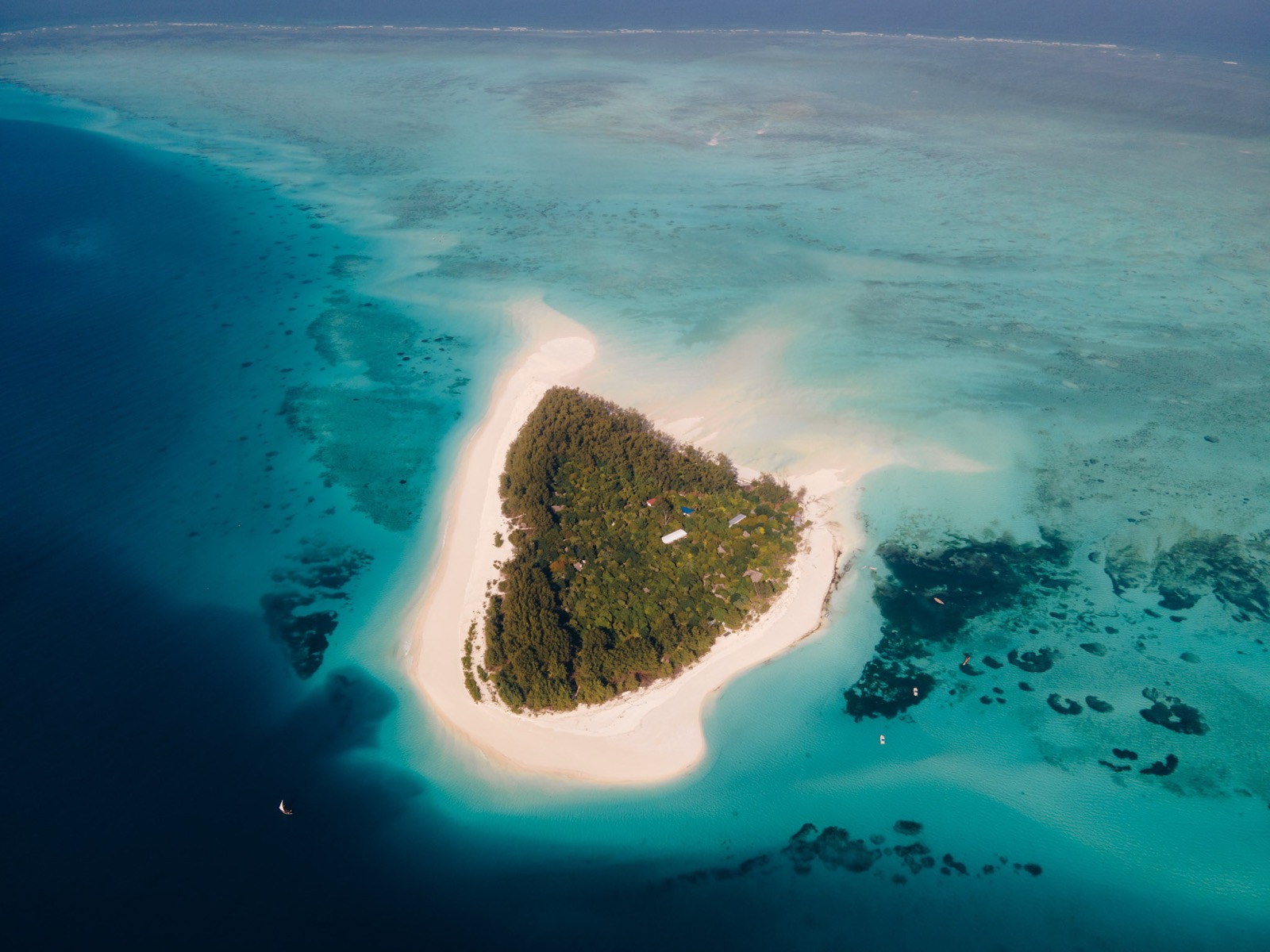
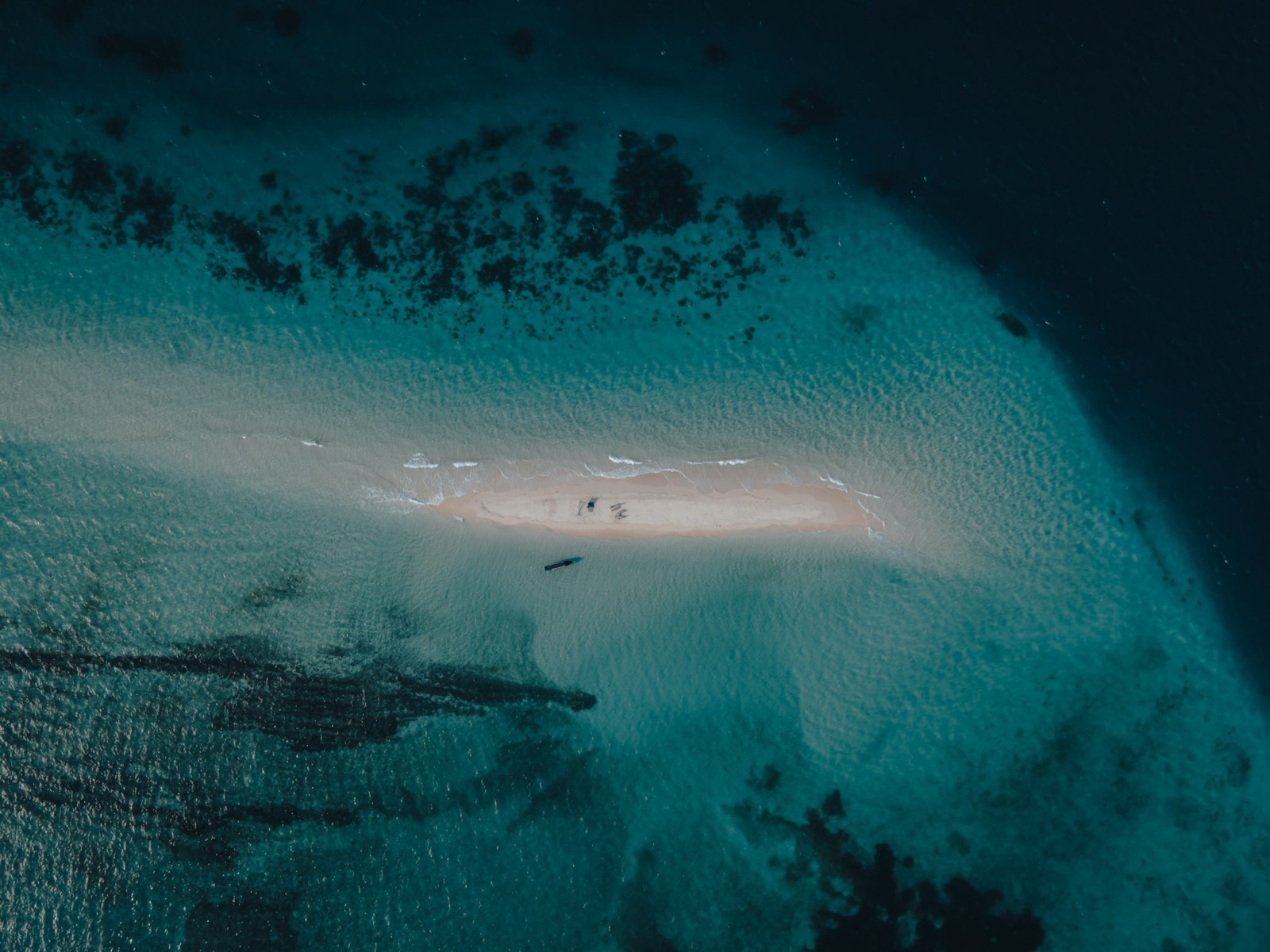
At high tide, the east coast looks exactly like the travel photographs: turquoise water, white sand, a reef shimmer in the middle distance. At low tide, the same beach looks like a different country. The sea retreats hundreds of metres. At Chwaka Bay — a reference point on the east coast — the seabed is exposed up to 1.5–2 km offshore at the biggest low tides. You are not standing at the edge of the ocean. You are standing in a wide seagrass plain with pelicans and seaweed farmers for company.
This is not a flaw. It is the east coast’s defining character. But it does mean that swimming on the east coast is not an any-time activity. The practical swim window is approximately 2–4 hours around high tide. Outside that window, the water is either too shallow to swim in or retreating fast.
The complication is that the tide shifts. The best swim window advances by approximately 50 minutes per day. A high tide at 9am on Monday will be at 9:50am on Tuesday and roughly 11am by Thursday. Over a week’s stay, the high-tide window walks across the full clock: some mornings you swim at 7am, some afternoons at 3pm, some evenings at sunset. Your hotel provides a tide sheet. Read it on arrival and plan around it — it is the most practically useful document on the island.
East coast vs north coast — the fundamental difference
Once you understand the tidal range, the island divides into two clear categories for swimmers.
East coast (Paje, Jambiani, Bwejuu, Michamvi, Matemwe): Full Indian Ocean tidal exposure. Spectacular at high tide; unswimmable at low tide. The reef flat extends far offshore and is genuinely interesting to walk at low tide — sea stars, octopus, small fish in tide pools, seaweed farmers tending their frames — but swimming requires waiting for the tide. These beaches are the most beautiful on the island at high tide, and the most disorienting if you arrive expecting the sea to always be there.
North coast (Nungwi, Kendwa): Protected by a natural reef arrangement that sits much further from shore, buffering the tidal effect. Nungwi and Kendwa beaches have swimmable water at virtually any tide. This is why these two beaches dominate north coast accommodation and why every general-audience travel guide sends swimmers there first. The tradeoff is crowds and a more developed, resort-focused environment.
West coast (Stone Town area): do not swim. The waterfront around Stone Town is not a swimming area. Strong currents run alongside the seawall and the ferry lanes, boat traffic is constant from the harbour, and water quality near the city is poor. Tourists have come to serious harm here over the years from underestimating the current. Enjoy the waterfront from the terrace of a café. Do not enter the water.
Beach-by-beach swimming conditions
Here is the honest picture at each of the main beaches, for when you need to choose.
Nungwi: All-day swimming, with the most activity and the most people. The lagoon in front of the main Nungwi beach is naturally protected and maintains swimmable depth at most tidal states. The snorkelling reef is a short boat ride away. Along the far western tip of the beach, where the coast turns the corner, there can be moderate wave and current action — the sheltered lagoon section is the right place to swim. Nungwi is busy: beach vendors, boats coming and going, a lot of noise at midday. Worth knowing before you book.
Kendwa: My first recommendation for anyone who needs reliable swimming. The beach faces a sheltered bay and is swimmable at most states of tide — slightly calmer and less busy than Nungwi. Kendwa is where I send guests who want to float in a hammock and swim twice a day without checking anything. The beach is narrower than the east coast but the water is reliably there.
Paje: Classic east coast tidal pattern. At high tide: excellent swimming, clear water, the famous turquoise shimmer, the sandbank visible in the distance. At low tide: a long walk across seagrass to reach any depth. Paje is also the island’s kite-surfing hub — on windy afternoons, the lagoon fills with kite lines and boards, and the swimming-versus-kiting sharing arrangement requires awareness. If you are a swimmer rather than a kite surfer, give yourself space from the active kite corridor and ask hotel staff where the designated swimmer area is.
Jambiani: The same tidal pattern as Paje, with a wider seagrass flat at low tide and a quieter, more local atmosphere. Jambiani is where the women’s seaweed farming collectives work at low tide — dozens of women on the flat, tending the rope-frame plots. It is one of the most visually striking things on the island at low tide, and not the picture in the brochure. At high tide the water here is calm, clear, and usually uncrowded.
Michamvi: The Michamvi peninsula is the most sheltered section of the east coast because its bay geometry partially shields it from the full tidal swing. I live here — Matlai is on the Michamvi Pingwe bay — and the early morning swim at high tide, before 8am when the water is glassy and the light is side-lit gold, is one of the best experiences on the island. Michamvi Pingwe bay in particular retains swimmable depth closer to low tide than the open beaches at Paje and Jambiani. It is not tide-proof, but the difference is noticeable.
Matemwe: East coast tidal pattern, with a particularly good reef close to shore and a long, uncrowded beach. Traveller reviews consistently note that at low tide, seaweed and sea urchins are visible on the flat — water shoes are a must here, as they are across the east coast. At high tide, Matemwe has some of the calmest and clearest water on the east coast, and the offshore Mnemba Atoll (accessible by short boat trip) makes it the best base for serious snorkelling and diving on the island.
Water temperature year-round
The Indian Ocean around Zanzibar stays warm every month of the year: typically 26–29°C. You do not need a wetsuit for recreational swimming at any time of year.
The slightly cooler end of that range occurs from June through August, when the southeast trade winds (the Kusi) bring marginally cooler water up from the south. “Cooler” in this context means 26°C — still warmer than most European summer seas. The warmest water is in February–March before the long rains arrive, when sea surface temperatures sit at the top of the 26–29°C band.
Water clarity changes through the year. June through October and December through February give the best underwater visibility — calm conditions, low sediment, good light. The long rains (mid-March through May) reduce visibility as runoff reaches the coast; the weeks immediately after heavy rain can be murky. The short rains (October–November) have a smaller effect and visibility usually recovers quickly.
Jellyfish and what to do
Jellyfish blooms occur around Zanzibar unpredictably, but the most common seasons are February–March and during or after the long rains (April–May). The main types are moon jellyfish and box jellyfish. Moon jellyfish stings are mild — a surface irritation that fades within hours. Box jellyfish stings are more painful and, in rare cases involving large numbers of tentacles, can cause a more serious reaction.
Blooms are not guaranteed in any season and their location is inconsistent — you might have jellyfish on one side of a headland and none on the other. The most reliable source of local information is the staff at your accommodation, who will know if a bloom has been reported on their stretch of beach in the last day or two.
If you see jellyfish while swimming: exit the water calmly without splashing (rapid movement attracts more contact). For mild stings: remove visible tentacles by scraping sideways with a card or shell — do not rub, which drives nematocysts deeper. Rinse with seawater, not freshwater (freshwater triggers unfired cells to fire). Apply a topical antihistamine cream. Rest and monitor. The advice to urinate on a jellyfish sting is a persistent myth; it makes things worse, not better. If a sting covers a large area or causes difficulty breathing, seek medical attention.
Hazards: sea urchins, coral cuts, and currents
Sea urchins on the reef flat: Water shoes are non-negotiable on the east coast. Sea urchins sit in crevices on the reef flat and are invisible until you step on them. This is not a rare event — it is a standard east-coast hazard. Paje has sea urchins on its reef flat even though it has relatively little coral growth. Matemwe’s flat at low tide is noted for both seaweed and urchins. Neoprene or mesh reef shoes with solid soles are the right equipment. Pack them before you fly; resort shops sell them but selection is limited.
Coral cuts: Minor cuts from coral can become infected quickly in a tropical climate. The combination of warm water, high humidity, and coral bacteria makes even a small graze worth treating immediately. Clean with fresh water and antiseptic as soon as you exit the water, cover with a waterproof dressing, and watch for redness spreading from the wound over the next 48 hours. If you see spreading redness or streaking, see a doctor — coral cuts can turn into cellulitis faster than you expect.
Currents and riptides: Genuine ocean riptides are uncommon on the east coast because the reef flat absorbs most wave energy before it reaches the beach. However, current through gaps in the reef can be surprisingly swift during spring tides (the largest tides of the lunar cycle, when the tidal swing is at its maximum). The outflow through a reef gap during a spring low tide is something you can feel immediately — it is directional and strong. If you are caught in a current: do not exhaust yourself swimming directly against it. Swim parallel to the shore — perpendicular to the current — until you exit it, then return to shore. On the north coast, the far western point of Nungwi occasionally generates stronger currents where the sheltered lagoon meets open water. Ask hotel staff before swimming in any spot you don’t know.
Sun: The equatorial sun in Zanzibar is direct and the sea breeze masks how fast you are burning. Apply high-SPF sunscreen 20 minutes before you reach the beach, not at the beach. Reapply every two hours or immediately after swimming. First-day sunburn is the most common minor medical complaint among new arrivals.
For families: child-safe swimming
For children, the north coast is the right choice. Nungwi and Kendwa offer the most consistent, safe swimming on the island — the protected lagoon is calm, shallow in the inner sections, and swimmable across most tidal states. Children can paddle at the water’s edge regardless of where the tide is. This predictability matters when you are managing small people who want to be in the water when they want to be in the water.
The east coast is more complicated for young children. At high tide, the water is beautiful but can deepen quickly near the sandbank edges, and the transition from shallow to swimmable depth is not always gradual. At low tide, there is simply no swimming — which is fine for adults who can enjoy the reef walk, but frustrating for a child who arrived expecting the beach.
The exception on the east coast is Matemwe at high tide. The bay geometry creates a calm, relatively shallow lagoon at high tide that works well for children who can swim, and the beach itself is long and uncrowded. If you are based in Matemwe, check the tide sheet on arrival and plan the children’s beach sessions around the high-tide window.
Regardless of beach and tidal state: supervise children at all times near any Zanzibar water. Check conditions with beach staff before any child enters the water at an unfamiliar spot.
Tim’s tide-table habit
The question I get every single day during peak season is some version of: “We went to the beach this morning and there was no water. What happened?”
The answer is always the same. The east coast had a low tide in the morning. The water will return this afternoon. Here is the tide sheet.
The east coast tide follows a roughly six-hour cycle: two high tides and two low tides in each 24-hour period. In any given week, the high-tide windows rotate through the day — sometimes both highs are in the morning, sometimes in the afternoon, sometimes one in the morning and one in the evening. The window shifts approximately 50 minutes later each day. This means that on a seven-night east coast stay, your prime swimming window will visit every part of the day.
“Afternoon high tide in July” means the best swim window is roughly 1pm–6pm. Structure your morning differently — a reef walk, a spice tour, a trip to Jozani Forest — and swim in the afternoon. This is not a hardship. It is a different rhythm from a Mediterranean beach holiday, and once you accept it, the east coast delivers something the north coast cannot: uncrowded, turquoise, extraordinarily beautiful water that feels like you found it yourself.
Get a tide sheet from your hotel on the day you arrive. Most good east-coast properties hand them out automatically. If yours doesn’t, ask. It is the first practical document for your trip.
For the full beach-by-beach comparison including non-swimming considerations — atmosphere, crowd level, drive times from the airport — see the Zanzibar best beaches guide. If you are choosing between north and east coast for your whole trip, the Zanzibar north vs east coast comparison lays out what actually changes between the two sides. The tidal mechanics are also covered in depth in the tide-timing breakdown. For underwater activities beyond swimming — reef snorkelling, Mnemba Atoll, diving — see the guide to snorkelling spots and the scuba diving guide. Travelling with children? The Zanzibar family guide covers accommodation, safety, and activities beyond the beach. For when to visit for the best weather and sea conditions, see the seasonal timing breakdown.
Frequently asked questions
Can you swim on the east coast beaches in Zanzibar?
Yes, but only at high tide. The east coast of Zanzibar (Paje, Jambiani, Michamvi, Matemwe) has a 2.5–3.5-metre tidal range — at low tide the water recedes hundreds of metres, exposing seagrass beds and reef flat. At Chwaka Bay the exposed seabed stretches 1.5–2 km offshore. At high tide, the same beach has clear turquoise water over the reef and is excellent for swimming and snorkelling. The best swim window is 2–4 hours around high tide. Check the daily tide table (your hotel provides one) before planning beach activities on the east coast — the high tide window shifts approximately 50 minutes later each day.
Which Zanzibar beach is best for swimming at any time?
Nungwi and Kendwa on the north coast are the most consistently swimmable beaches on Zanzibar — protected by a natural reef lagoon that maintains swimmable depth at virtually any tide. These are the best choices for families with children who need guaranteed swimming conditions, or for visitors who cannot predict their beach schedule around tides. The north coast lagoon is calm, clear, and shallow enough for children to stand in the inner sections.
What is the water temperature in Zanzibar?
The Indian Ocean around Zanzibar is warm year-round: typically 26–29°C. The slightly cooler months are June–August when southeast trade winds bring marginally cooler water from the south — but 26°C is still warmer than most European summer seas. The warmest water is in February–March before the long rains. No wetsuit is needed at any time of year for recreational swimming. Water clarity is excellent for most of the year except during and after the long rains (April–May) when runoff can temporarily reduce visibility.
Are there jellyfish in Zanzibar waters?
Jellyfish occur occasionally in Zanzibar waters, most commonly in blooms during February–March and during or after the long rains (April–May). The most common types are moon jellyfish and box jellyfish — box jellyfish can cause significant pain though are rarely life-threatening. Jellyfish blooms are unpredictable; local staff at your accommodation will know if a bloom has been active. If you see jellyfish in the water, exit without splashing. Treatment for mild stings: remove tentacles without rubbing, rinse with seawater (not freshwater), apply antihistamine cream. The 'urinate on the sting' advice is a myth.
What should I watch out for when swimming in Zanzibar?
Four main hazards: (1) Tides on the east coast — the best swim window is 2–4 hours around high tide; (2) Sea urchins on the reef flat at low tide — water shoes are non-negotiable when walking the east coast seagrass; (3) Coral cuts — small cuts become infected quickly in the tropics, clean and cover immediately; (4) West coast currents — do not swim from Stone Town's seafront, where boat traffic, strong currents, and poor water quality make it unsafe. Genuine ocean riptides are uncommon on the east coast (the reef flat dissipates wave energy) but can occur through reef gaps at spring tides — if caught in a current, swim parallel to shore, not directly against it.
Is Zanzibar safe for children to swim?
For children, the north coast (Nungwi and Kendwa) is the safest option. The protected lagoon maintains swimmable, shallow, calm conditions at most tidal states and is the best choice for families. The east coast is more challenging for young children due to tidal complexity — at high tide the water can deepen quickly near sandbanks; at low tide there is no swimming. On the east coast, Matemwe at high tide has a particularly calm, shallow lagoon that works well for children when the tide is right. Always supervise children near any water in Zanzibar and check conditions at the beach before letting children in.