
Facts & prices checked: 2026-06-24
I meet families with children regularly at Michamvi — from babies through teenagers. What works well and what people wish they had known earlier: here is the unfiltered version.
The most important decision: which beach?
This is the most common question for families, and it has a clear answer.
Nungwi and Kendwa (north coast): most family-friendly
Nungwi and Kendwa sit on the northwest tip, sheltered by a natural coral reef. The result: tide-independent water. You can swim in the morning, at 4pm, at almost any time without checking a tide table.
For families with young children, this is decisive. No 3-hour windows of waiting for the sea to return. No child standing disappointed on an exposed sand flat.
Limitations of the north: More developed and more tourist-facing than the east coast. More beach vendors. Evening party atmosphere in some Nungwi areas.
→ Nungwi guide — north coast, sunset, full accommodation range
East coast (Paje, Jambiani, Michamvi): beautiful but tide-dependent
The east coast is visually spectacular — wide white sand, turquoise water, less tourist density. But: strongly tide-dependent.
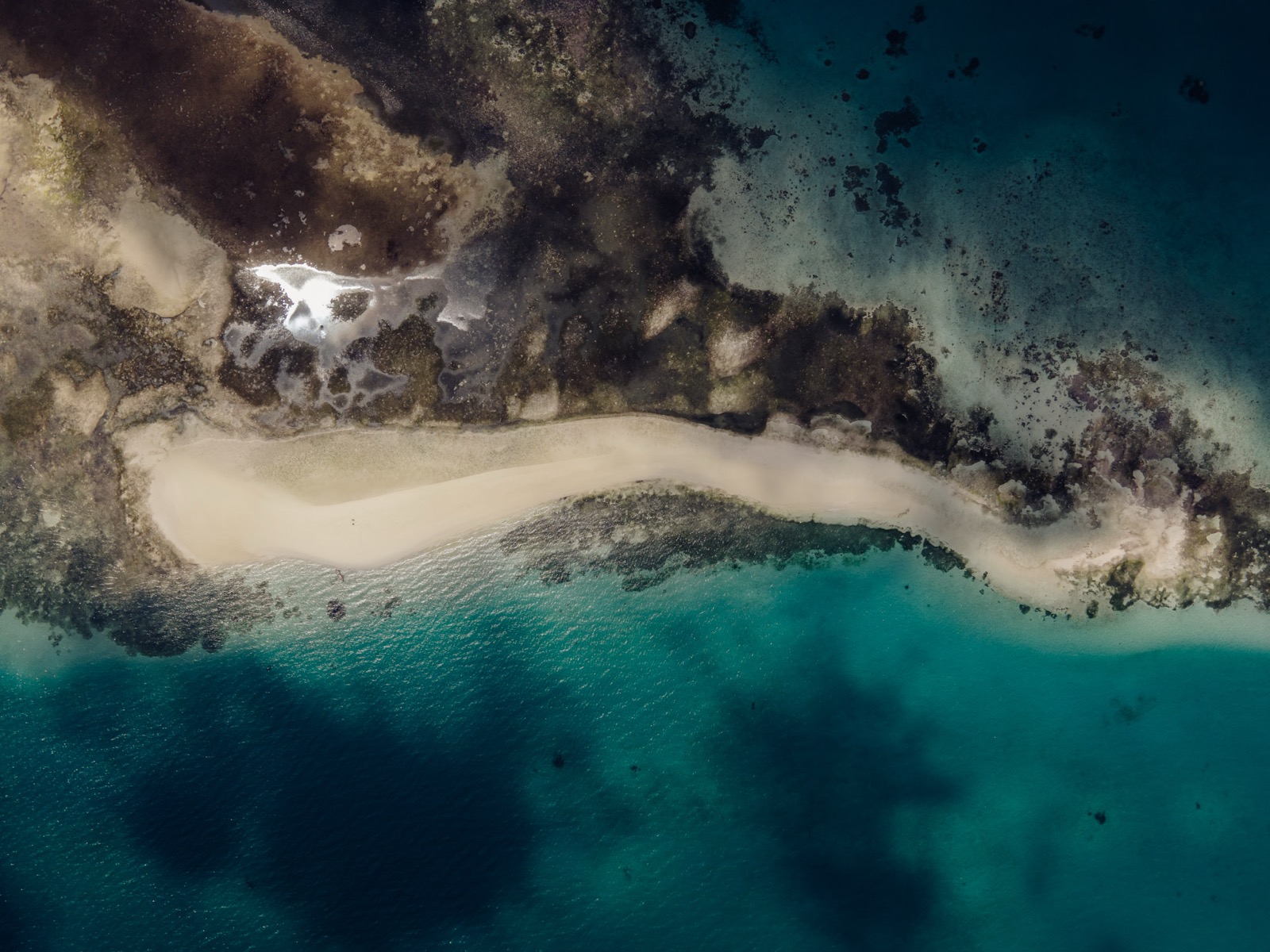
At low water the sea retreats 200–400 metres. What remains is walkable sand flat. This is genuinely interesting in its own way (starfish, crabs, tide-pool exploration at the reef edge) — but it is not swimming.
For families with children under 6: Choose the north coast. For families with older children (8+): the east coast can work well — the tidal rhythm becomes a lesson rather than a frustration, and the beaches are quieter and more scenic.
Understanding the tidal swim window (east coast families)
If you are staying on the east coast with children, knowing the tidal rhythm saves the holiday.
The east coast has one of Africa’s more dramatic tidal ranges. At Chwaka Bay, the largest tides expose seabed up to 1.5–2 km offshore at low tide. Swimming is best within 2–4 hours around high tide — not at high tide precisely, but in that window either side of it, when the water is deep enough and the return wave has not yet receded.
Practical rule: Download a tide prediction app for Zanzibar before you arrive (e.g. Tides Near Me, Tide Chart). Each morning, check the high tide time and build the day around it. If high tide is 09:00, swim 07:30–11:00. If high tide is 15:00, morning is sand-flat time, swim 13:00–17:00. It is genuinely manageable — but you need to plan.
What to do at low tide: This is where east coast beaches come into their own for older children. At low tide you can walk the exposed sand flats, find starfish, sea cucumbers, and small crabs. At the reef edge (never go to the reef edge without water shoes — sharp coral and sea urchins; reef shoes on the east coast are non-negotiable) you can peer into tide pools. Seaweed farmers work at low tide — at Jambiani you can ask to watch the Mwani Mamas women’s seaweed farming group working the shallow lagoon. It is actually more interesting for curious children than the swimming.
I have seen families arrive at Michamvi expecting to swim immediately on a low-tide afternoon and be genuinely confused by what they found — flat sand, no sea. Thirty minutes of orientation to the tidal calendar at check-in would have prevented it.
Malaria prophylaxis for children
The most important thing first: Malaria prophylaxis for children on Zanzibar is as strongly recommended as for adults. Zanzibar is below 1,800 metres — Plasmodium falciparum (the severe form) is present.
Which medication for children?
Never self-prescribe — always discuss with a paediatrician or travel medicine specialist.
The main options:
| Medication | Approved for children | Dosing |
|---|---|---|
| Malarone (atovaquone-proguanil) | From ~11 kg | Weight-dependent paediatric tablets |
| Mefloquine | From ~5 kg | Weekly, weight-dependent |
| Doxycycline | NOT for children under 8 | Only older children |
Malarone paediatric tablets are the most commonly used option for younger children in European travel medicine guidelines. Mefloquine is an alternative for younger/lighter children but has a more complex side-effect profile — discuss with your doctor.
Additional protection: DEET-based insect repellent (for children: maximum 30–50% DEET concentration), long sleeves in the evening, and a mosquito net at night.
For a complete health briefing covering the full medication list, travel insurance requirements, and medical facilities on Zanzibar, see the full medical rundown.
ZIC insurance for families
The ZIC (Zanzibar Insurance Certificate) is required for all travellers — children included.
| Age | Price |
|---|---|
| Adults (18+) | USD 44 |
| Children (3–17) | USD 22 |
| Under 3 | Free |
Book all ZICs online before departure at inbound.visitzanzibar.go.tz. The QR code is checked at immigration on arrival.
Important: ZIC provides basic emergency medical coverage — its ceiling is insufficient for serious emergencies or medical repatriation to Europe. Your own comprehensive travel insurance with evacuation cover is mandatory alongside it.
Age-by-age activity guide
Different ages get different things out of Zanzibar. Here is what genuinely works, by bracket:
Under 3: warmth, water, and simplicity
Toddlers under 3 do not need an itinerary — they need warm, safe water and shade. North coast (Nungwi/Kendwa) is the right call for this age: always swimmable, always warm. Jozani Forest often delights toddlers (monkeys at close range, sensory input) but exhausts them after 45 minutes. Keep days short.
Good boutique hotels provide cots and baby baths on request. Fresh banana, papaya, and coconut water are available everywhere and are usually accepted by toddlers. Midday (12:00–15:00) is too hot — always plan an air-conditioned nap break.
ZIC is free under 3, but still fill in the form at inbound.visitzanzibar.go.tz before departure.
Ages 3–6: sensory experiences, no long drives
At this age, Zanzibar works best when the day is structured around 2–3 short, vivid experiences rather than full-day excursions:
- Jozani Forest monkeys — the 90-minute guided walk lands extremely well at this age; Red Colobus come within 2–3 metres, and a habituated infant being carried by adults is a sight that sticks
- Forodhani Night Market — sensory overload in the best way; bring them at 18:00 before it gets too crowded
- Ghost crabs at dusk — along the waterline after sunset, torch in hand; this costs nothing and is universally loved
- Dhow sunset cruise — traditional sailing boat, usually 1.5–2 hours; children find the sailing itself more interesting than the sunset
Limit Stone Town explorations to 1–2 hours maximum — heat and narrow lanes exhaust young children quickly.
Ages 7–12: discovery and activity
This is the golden age for Zanzibar. Children in this bracket engage with:
- East coast tidal exploration — reef walking at low tide, spotting starfish and crabs, understanding the tidal cycle as a rhythm rather than an inconvenience
- Kizimkazi dolphin tour — morning boat (~30 minutes), Spinner and Indo-Pacific bottlenose dolphins often jump within close range; works well from age 5 but is especially good at 7–12
- Spice farm tour — 2–3 hours outside Stone Town; touching, smelling, and tasting cloves, vanilla, cardamom; from USD 15 including transport from Stone Town; children who like cooking and food find this riveting
- Snorkelling with a guide — for confident swimmers; arranged through the lodge for half a day
- Seaweed farm visit (Jambiani, low tide only) — watching the Mwani Mamas work the lagoon is genuinely interesting; children often leave with questions about how farming works in salt water
Teenagers: autonomy and authenticity
Teenagers on Zanzibar benefit from some independence built into the itinerary:
- Kite surfing in Paje — Paje is one of East Africa’s best kite spots; lessons for beginners are structured and available; confident teens can try this from day 1
- Freediving or PADI intro dive — available at several north and east coast operators; PADI Junior Open Water is possible from age 10
- Stone Town independently — Old Fort, Darajani Market, Forodhani Night Market; give teenagers 3–4 hours to explore at their own pace
- Dhow fishing trip — early morning, usually 05:00–08:00; very different from the tourist experience
What children love on Zanzibar
Jozani Forest — the monkey encounter
Jozani Chwaka Bay National Park, ~35–38 km southeast of Stone Town, is worth the trip for families with children. The Zanzibar Red Colobus monkey exists only on Zanzibar — nowhere else on earth. In the park they are habituated to visitors and come within 2–5 metres.
This almost always stops children in their tracks. A white-furred infant being carried by multiple adults, or two monkeys grooming each other on a branch directly overhead — these are encounters that land differently than a zoo.
There are approximately 3,000 Red Colobus in Jozani Forest — roughly half the total island population of 5,862 individuals. They are IUCN Endangered and CITES Appendix I listed. Entry fees (USD 12) go to park management and are partly reinvested in community projects — schools, water systems in forest villages — so entry indirectly supports the villages around the forest.
Entry: around USD 12 per adult (children reduced — ask at the ticket desk). Duration: 1–2 hours with a mandatory ranger guide. Opening hours: approximately 07:30–17:00.
→ Jozani Forest guide — Red Colobus, mangroves, timing
Kizimkazi dolphins
Dolphin trips off the southwest coast. Suitable from around age 5. Morning boat (~30 minutes), then dolphin observation from the boat. Two species inhabit Menai Bay Conservation Area near Kizimkazi year-round: Indo-Pacific bottlenose dolphins (Tursiops aduncus) and Spinner dolphins (Stenella longirostris). Choose an ethical operator — boat at distance, observation only. The Spinner dolphins frequently jump and spin; encounters can be very close on a good morning.
→ Kizimkazi dolphin guide — ethical operators, timing, what you see
Spice farm tour
Half-day excursion to spice farms outside Stone Town — in villages including Kizimbani and Kidichi, approximately 30–45 minutes’ drive. Cloves, vanilla, cardamom, ginger — touch, smell, taste. For curious children this is vivid and memorable. A typical tour runs 1.5–3 hours and starts from USD 15 including transport from Stone Town and fruit tasting. The guides often make woven accessories from palm leaves for children to keep.
Forodhani Night Market (Stone Town)
Open from 18:00 at the Stone Town waterfront. Grill aromas, colourful stalls, sugarcane juice, Zanzibar pizza (fresh-fried stuffed flatbread). This is a sensory experience children respond to almost universally. Well-lit, busy, safe.
Beach activities
- Ghost crabs come out of the sand after sunset — children love chasing them along the waterline with a torch
- Coconut water drunk straight from the coconut, bought from a beach vendor
- Dhow sunset cruise (traditional sailing boat) — children usually love the sailing and the colours; shared cruises from Nungwi/Kendwa from around USD 35 per person
- Sandcastles on wide, uncrowded east-coast beaches at low tide
What to pack for children on Zanzibar
The right kit makes a significant difference:
Sun protection:
- SPF 30+ broad-spectrum sunscreen (bring from home — quality on Zanzibar is unreliable); reapply every 2 hours, more often when swimming
- Wide-brimmed hat for children; rashguard / UV-protective swimsuit for prolonged beach time
- Shade tent or beach umbrella if you have young babies
Footwear:
- Water shoes or reef shoes (Neoprene or mesh with solid soles) — non-negotiable for east coast reef walking; also useful at snorkel sites; pack one pair per child
- No need for expensive hiking boots; light, broken-in shoes for village walking are sufficient
Health kit:
- DEET insect repellent at age-appropriate concentration (maximum 30–50% DEET for children; for infants under 2 consult your travel doctor)
- Mosquito net (some hotels provide; confirm in advance)
- First-aid basics: hydrocortisone cream, antiseptic wound cleanser, aloe gel, oral rehydration salts, digital thermometer
Logistics:
- Folding baby carrier (front or back) for children under 3 — sandy beach tracks cannot be navigated with a standard stroller; a carrier is significantly more practical
- Reusable bags for shopping — plastic carrier bags are strictly prohibited in Zanzibar and confiscated at customs
- Tide prediction app downloaded before departure if you are staying on the east coast
Dress code with children
Zanzibar is ~99% Muslim. This applies in villages and Stone Town, not on hotel beach areas:
- At the beach and hotel resort: Normal swimwear for children — no issue
- In villages and Stone Town: Shoulders and knees covered for older children (school-age and above). Keep young children’s clothing simple but not beach-level in village settings
- Young toddlers: less strictly applied, but remain considerate in village environments
Best season for families
| Period | Suitability |
|---|---|
| July–October | Best: dry, 26–29°C, calm sea |
| December–January | Very good: warm, dry, calm |
| March | Transitional, manageable |
| April–May | Avoid: long rains, some hotels close |
| June | School holiday peak season — expensive |
For European families: July–October coincides with summer school holidays and Zanzibar’s high season — correspondingly more expensive and booked. An alternative: December–January for Christmas/winter break — good weather and a different (quieter) east-coast atmosphere.
Babies and toddlers under 3
Honest assessment: doable with extra preparation.
What works well:
- Warmth and sunshine — no cold weather stress
- North coast (Nungwi): shallow water year-round, accessible for toddlers
- Good boutique hotels provide cots and baby baths on request
- Fresh fruit, coconuts, bananas — baby-friendly food is available everywhere
What requires extra attention:
- Sun protection: Baby skin burns faster than adult skin. SPF 50+ sunscreen (bring from home — quality on Zanzibar is unreliable), shade tent or umbrella. Midday sun (12:00–15:00) is too intense for babies — plan beach time in the early morning and late afternoon
- Heat: Midday heat is too much for very young children. Air-conditioned nap time at midday; beach time morning and afternoon
- Mosquitoes: For children under 2, DEET-based repellents are severely restricted in dosage — consult your travel medicine doctor; mosquito nets are the primary protection
- Pushchairs: Sandy beach tracks cannot be navigated with a standard stroller. A folding baby carrier (front or back) is significantly more practical on Zanzibar than a pram
- ZIC under 3: Free, but still fill in the form at inbound.visitzanzibar.go.tz before departure
Stone Town with children
Manageable and often a highlight — if you pick the right things.
What children love:
- Forodhani Night Market (from 18:00): Grill smells, juice bars, Zanzibar pizza — children react enthusiastically every time
- The Old Fort (Ngome Kongwe): Normally an open courtyard with space to run and occasional evening Taarab music, but closed for renovation since around January 2026 with no confirmed reopening as of September 2026 — check current status first
- Darajani Market: For older children (8+) — vibrant spice market, fish on ice, strong sensory input
- Bajaj tuk-tuks: Renting one for 10 minutes through the Stone Town lanes costs USD 2–5 and delights most children more than the sightseeing itself
What to skip with young children (under 6):
- Extended museum tours (too abstract, too hot)
- The slave chambers (historically important, but too abstract for small children — better for teenagers)
Family route: what works best
After many years at Michamvi and conversations with arriving families, this is the route that consistently works across different child ages:
For families with children under 6:
- 2 nights Stone Town (Forodhani Night Market, Old Fort)
- 5–7 nights Nungwi or Kendwa (north coast, always swimmable, hotel with pool)
Keep it simple. Do not add east-coast complexity for young children — the tidal windows are unpredictable and a child who cannot enter the water is an unhappy child.
For families with children 7–10:
- 2 nights Stone Town
- 3 nights Nungwi/Kendwa (north)
- 3 nights Paje or Jambiani (east coast — tidal logic as an adventure, plus Kizimkazi dolphins)
Older children find the east coast compelling: reef walking at low tide, seaweed farms in Jambiani, kite-watching in Paje.
Activities that work for all age groups:
- Jozani Forest: the monkeys work for every age without exception
- Forodhani Night Market: sensory experience, always a hit
- Kizimkazi dolphins: from age 5, short boat, big impact
Budget extras for families
Additional mandatory costs per child:
- ZIC: +USD 22/child (ages 3–17)
- Tanzania tourist visa: +USD 50/child
- Malaria prophylaxis: ~EUR 30–60 per child depending on weight and medication
Where families can save:
- Jozani entry: reduced for younger children (confirm at ticket desk — varies by season)
- Dhow sunset cruise: toddlers under 3 often free
- Hotel family rooms: explicitly ask for family room pricing — some boutique hotels have suite configurations with a separate children’s sleeping area that is cheaper than booking two separate rooms
Rule of thumb: For 4 people (2 adults + 2 children), budget 40–50% more than the 2-person estimate — mandatory fees, family-appropriate accommodation, and child-related extras add up.
For families considering an all-inclusive package, the Zanzibar all-inclusive guide covers which north coast resorts are genuinely family-friendly, what’s included, and whether AI makes sense for a family trip to Zanzibar.
→ Related guides: Nungwi — tide-independent beach, best for young families · Jozani Forest — Red Colobus monkeys every age loves · Kizimkazi dolphins — from age 5, morning timing · Zanzibar budget guide — full cost breakdown · Zanzibar entry requirements — ZIC, visa, malaria · Full Zanzibar guide index
Frequently asked questions
Is Zanzibar suitable for families with children?
Yes — Zanzibar is beautiful with children, but it requires good preparation. Key points: malaria prophylaxis for all family members including children (discuss with your paediatrician), ZIC insurance also for children (USD 22 for ages 3–17, free under 3), and beach choice matters (Nungwi/Kendwa on the north coast = tide-independent; east coast = tide-dependent, can be unswimmable for hours at a time).
Which beach is best for families with young children?
Nungwi and Kendwa on the north coast are the most family-friendly beaches. The reef sits far offshore, protecting the beach from strong tidal effects — you can swim almost any time, regardless of tidal state. The east coast (Paje, Jambiani, Michamvi) has spectacular beaches but at low tide the sea retreats hundreds of metres. That is workable for older children (8+) who can adapt to tidal planning — but difficult for young children who want to swim at any moment.
Which malaria prophylaxis should children take for Zanzibar?
Malaria prophylaxis is recommended for children on Zanzibar the same as for adults. Zanzibar is below 1,800m and Plasmodium falciparum malaria is present. Medication choice is weight-dependent and must be discussed with a paediatrician or travel medicine specialist — do NOT self-prescribe. Malarone (atovaquone-proguanil) is approved from 11kg; Mefloquine from 5kg. Dosages vary by weight. Additional protection: DEET mosquito repellent (max 30–50% for children) and mosquito nets.
What does the ZIC insurance cost for children?
ZIC (Zanzibar Insurance Certificate) costs USD 22 per child aged 3–17. Children under 3 are free. Adults pay USD 44. ZIC must be booked online before arrival at inbound.visitzanzibar.go.tz. It is NOT a substitute for your own comprehensive travel insurance — for serious medical emergencies and evacuation, the ZIC ceiling is insufficient.
What is there to do on Zanzibar with children?
Jozani Forest Red Colobus monkeys (endemic, wild, come within 2–3 metres — universally loved by children of all ages; entry USD 12). Kizimkazi dolphin tour (suitable from age 5, morning boat, observation only). Dhow sunset cruise (children usually love it). Spice farm tour (touch, smell, taste spices — half-day, from USD 15 including transport). Stone Town Forodhani Night Market (food stalls, colours, atmosphere — ideal sensory experience for children). Snorkelling in shallow reef water with a guide (for strong swimmers 8+).
What is the best time of year to visit Zanzibar with children?
Best time for families: July–October (dry, 26–29°C, calm sea). December–January also works well (northeast monsoon, warm, dry). Avoid: April–May (long rains). June overlaps with German/Austrian school holidays — high season and correspondingly more expensive.
What should I pack for children on Zanzibar?
Essentials: SPF 30+ broad-spectrum sunscreen (reapply every 2 hours when swimming), a foldable baby carrier if under 3 (prams are useless on sandy tracks), water shoes or reef shoes for east coast and reef snorkelling, mosquito net, DEET repellent (age-appropriate dosage), reef-safe sunscreen where possible. Avoid plastic carrier bags — they are prohibited and confiscated at customs.
Are there family hotels with pools on Zanzibar?
Yes — both the north coast (Nungwi, Kendwa) and east coast have family-friendly hotels with pools. On the east coast, some beachfront family hotels have dedicated children's pools with waterslides as an alternative to tidal beach swimming. On the north coast, pools are less critical because the beach is swimmable at all tidal states, but many hotels have them. Always ask specifically for family room pricing — suite configurations with a separate children's sleeping area are sometimes cheaper than two rooms.