
Facts & prices checked: 2026-06-24
The question I get asked most often before a first Zanzibar trip: “Should I stay north or east?” It sounds simple. It is not. The two coasts have genuinely different character, and booking the wrong one for how you actually spend a day at the sea is the most avoidable mistake in Zanzibar travel planning.
Here is the honest breakdown, from someone who lives on the east coast and knows both.
The one thing that changes everything: the tides
The entire north-vs-east decision comes down to one geographical fact: tidal range.
The east coast — Paje, Jambiani, Bwejuu, Michamvi, Matemwe — sits behind a reef with a wide, shallow lagoon. The tidal range here is large. At low tide, the sea retreats far, sometimes hundreds of metres, exposing a wide sandy flat. At high tide, warm water fills the lagoon and swimming is excellent. You do not get both at once. You plan around the tidal window, which shifts roughly 50 minutes later each day.
The north coast — Nungwi and Kendwa — sits at the island’s tip where the reef configuration is different. Tidal variation is smaller. The water stays swimmable most of the day, most of the year. You wade in when you like.
That single difference explains most of the other differences between the coasts. The north is calm and consistent. The east is dramatic and tidal. Everything else follows from that.
The north coast: Nungwi, Kendwa, and Matemwe
The north coast is Zanzibar’s most developed and most visited beach area. That is both its strength and its limitation.
Nungwi is the undisputed centre of Zanzibar’s tourism. The widest selection of hotels on the island, the most restaurants, the most reliable infrastructure, and water that stays swimmable from early morning through late afternoon. If your priority is ease — swimming any time, food within walking distance, activities on demand — Nungwi delivers all of it.
The turtle sanctuary at Mnarani Marine Conservation Pond sits at Nungwi’s northern tip: approximately 50 rehabilitated green and hawksbill turtles, entry around USD 10, a genuine conservation operation rather than a theme park. Worth an hour.
The sunset dhow cruise from Nungwi runs from USD 35 per person for a shared boat: the west-facing position at the island’s tip means you watch the sun drop directly into the Indian Ocean. On the east coast, you do not get that view without driving to Stone Town.
Trade-off: Nungwi in high season is genuinely busy. Beach vendors, organised boat tours, a resort-strip energy. Some people find it perfect. Others find it exactly what they came to Zanzibar to avoid.
Kendwa is a 25-minute walk south of Nungwi along the sand. Same great sunsets, same calm water, noticeably quieter. Kendwa Rocks Hotel hosts the Full Moon beach party every month — one of East Africa’s most consistent large beach parties, busiest in July and August. Outside the party nights, Kendwa is a calmer base than Nungwi.
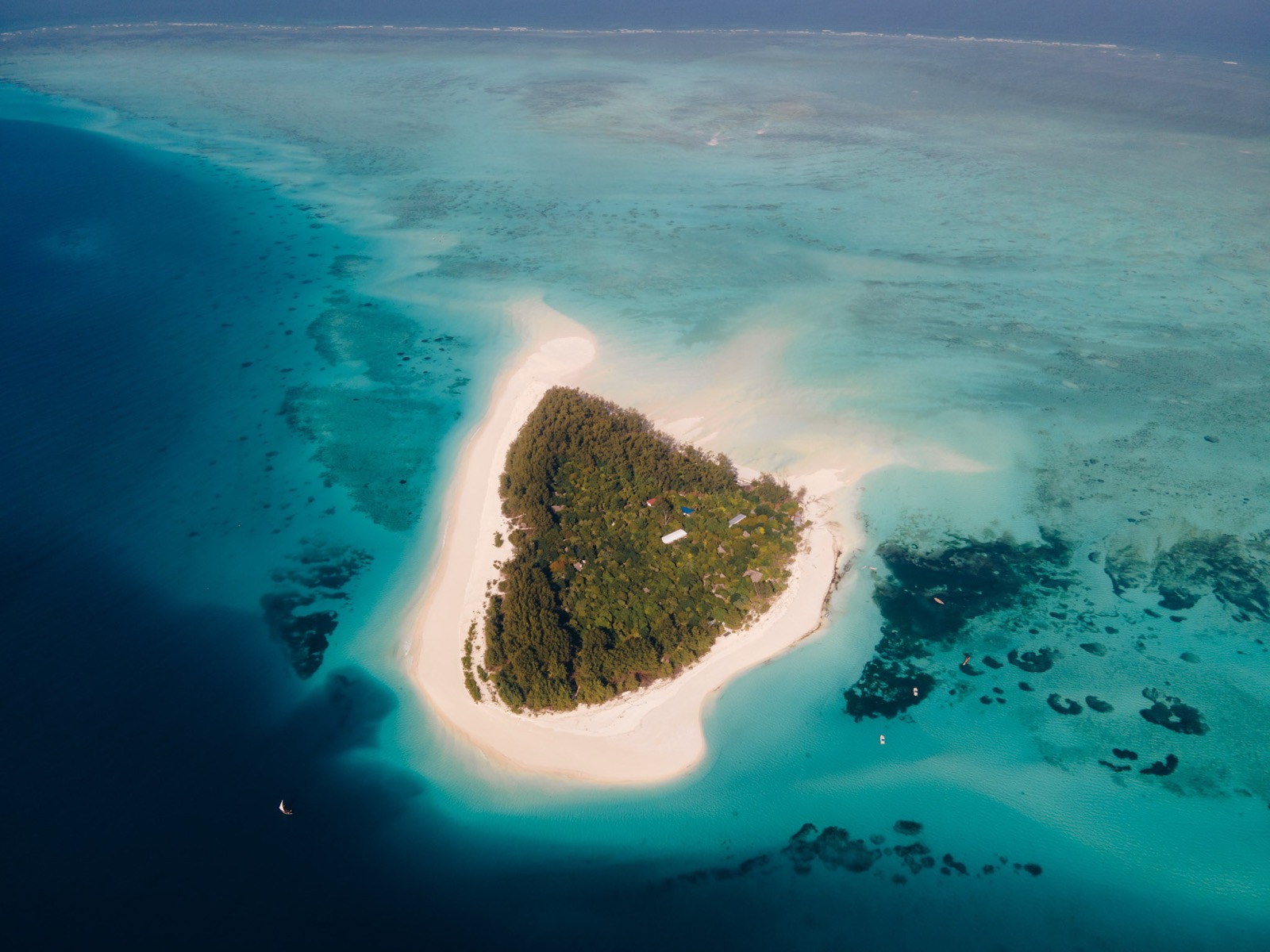
Matemwe occupies the northeast corner, a different proposition from both. Matemwe is quiet and upmarket, with almost no party scene and the island’s best diving and snorkelling access: the Mnemba Atoll is a 10 to 15-minute boat ride away. Snorkelling a day trip to Mnemba costs USD 30–40 per person from Matemwe. The tides at Matemwe are less extreme than the southeast coast — more moderate than the south, less sheltered than the north.
If Mnemba is the centrepiece of your trip, base yourself at Matemwe. Nowhere else makes as much sense logistically.
The east coast: Paje, Jambiani, and Michamvi
This is my coast. I run Matlai Hotel at Michamvi Pingwe, and I have spent years watching guests arrive with north-coast expectations and leave as east-coast converts. Here is what each part of the east coast actually is.
Paje is the kite capital of Zanzibar — and genuinely one of the best kitesurfing locations in East Africa. The southeast trade wind (Kusi) hits the east coast at consistent speed from roughly June through September; a second, lighter kite season runs December to February on the Kaskazi northeast monsoon. The flat, shallow lagoon at low tide turns into a beginner playground. If you kite, you stay in Paje. Group kitesurfing lessons (2 students sharing an instructor) from the established schools in Paje run USD 55 per person per hour. Board rental costs USD 15 per hour, USD 30 for a half-day, USD 40 for a full day.
Non-kiters also do well in Paje: the beach is wide and white, the guesthouse scene is well-developed, and the food options along the main strip are the best on the east coast. Paje is the most social, most budget-friendly part of the coast — younger backpacker-to-flashpacker crowd, surf-camp energy.
Jambiani is 10 km south of Paje, roughly a 10-minute drive on the coast road. The character difference is large. Jambiani is a working fishing village — boats on the beach at dawn, seaweed farming frames in the shallows at low tide, a main road lined with small shops rather than kite-school banners. The boutique hotels here are among the most characterful on the island, deliberately small, often family-run.
Couples and honeymooners who want quiet, authentic character and a real sense of being somewhere rather than in a resort consistently choose Jambiani. If you want empty beach, village rhythm, and good food without noise, this is the east coast village to choose.
Michamvi Pingwe is where I live, and I am not going to pretend to be objective — but I will be accurate. Michamvi is the quietest and most exclusive part of the east coast. The properties here are fewer and typically in a higher bracket. The beach at Michamvi Pingwe has a bay geometry that retains swimmable depth even at lower tide states, which makes it unusual among east coast beaches.
The Mchanga sandbank is a short wade or swim from our hotel: a tidal sandbank that surfaces as the tide drops, surrounded by shallow turquoise water and a coral edge. At its best on a morning ebb tide. The DJI photograph of this sandbank — the aerial shot you have probably seen associated with east coast Zanzibar imagery — was taken from directly above it. It is the best single experience on this coast, and it is only accessible from Michamvi.
Swimming: which coast wins?
North coast, clearly, for consistency. Nungwi and Kendwa give you swimmable water most of the day throughout the year. No tide planning, no walking the flats looking for depth, no explaining to children why the sea has gone.
The east coast at high tide is as good as any swimming in the Indian Ocean. The water is warm, often calm inside the reef, and the beach is yours almost exclusively — especially at Jambiani and Michamvi. But you plan around the window. Most guests adapt in a day and barely think about it. Some find it frustrating throughout a week-long stay.
If I were booking a holiday for someone who genuinely needed all-day swimming access — young children, elderly parents, someone with mobility that makes walking the flats difficult — I would put them on the north coast. For everyone else, I would argue the east coast swimming, when timed right, is better.
Kitesurfing: east coast only
There is no real comparison here. The east coast catches the southeast trade winds that the north coast is sheltered from. That shelter is exactly why the north coast swims well — the reef and geography block the wind. The same reef and geography that makes the north coast calm for swimming makes it poor for kitesurfing.
Paje has been East Africa’s number-one kite beach for over two decades. The flat lagoon at low tide creates safe, obstacle-free water for beginners. The consistent Kusi wind from June to September is the most reliable kite window in the region. If kitesurfing is any part of your trip plan, the east coast is the only sensible base.
Sunsets: north. Sunrises: east.
The north coast sits at the island’s northwest tip. Nungwi and Kendwa face west across open water. The sun sets directly into the Indian Ocean in front of you. It is one of the genuinely beautiful things about being based on the north coast.
The east coast faces east. That means the sun rises over the ocean — the morning light on the water is extraordinary, and the colour of the sea in the early hours is the best on the island. At sunset, the sky lights up behind you over the land, which is a good but different experience.
I take guests from Michamvi to Stone Town for sunset when they want the full Indian Ocean horizon — the seafront promenade there faces west, the dhows are silhouetted, and the whole thing is exactly what people imagine Zanzibar looks like. It is an hour’s drive, easy to do as an afternoon trip.
Tourism density: an honest picture
Nungwi is the most tourist-dense place on Zanzibar. It is not Kuta or Seminyak-level development, but it is a working resort town with beach vendors, boat touts, a strip of hotels behind the beach, and the noise and activity that comes with all of that. Kendwa is calmer. Matemwe is genuinely quiet.
The east coast is noticeably less developed. Paje has the most activity but it still feels relaxed compared to Nungwi. Jambiani has one road, some guesthouses, fishing boats, and not much else in the way of tourism infrastructure — which is the point. Michamvi Pingwe is quieter still.
If your idea of the ideal Zanzibar day involves spontaneous restaurant choices, beach bars, and activity operators lined up within walking distance, the north coast serves that well. If your ideal Zanzibar day is yours alone — your beach, your rhythm, your cook at the hotel in the evening — the east coast is the answer.
Who should go where: decision guide
| Traveller type | Recommended coast |
|---|---|
| Families with young children wanting guaranteed swimming | North (Nungwi or Kendwa) |
| Couples wanting sunsets and a social scene | North (Kendwa or Nungwi) |
| Kitesurfers, windsurfers, water sports | East (Paje) |
| Budget backpackers | East (Paje) |
| Couples wanting quiet and local character | East (Jambiani) |
| Honeymooners wanting seclusion | East (Michamvi or Jambiani) |
| Serious divers and snorkellers (Mnemba) | Northeast (Matemwe) |
| Digital nomads wanting a longer stay | East (Paje or Jambiani) |
| Photography, aerial, sandbank | East (Michamvi) |
| First-time visitors wanting it simple | North (Nungwi) |
| First-time visitors wanting the real island | East (Jambiani or Michamvi) |
Can you visit both coasts in one trip?
Yes, easily. The east coast and north coast are roughly 50 to 70 minutes apart by road, depending on your starting point. Both are about 1 hour from Stone Town in opposite directions.
The most common version of this is basing yourself on the east coast for the majority of the trip and doing a day trip north: drive to Nungwi in the morning, visit the turtle sanctuary, have lunch, watch the sunset from Kendwa, drive back in the evening. The reverse works just as well — base in Nungwi, day trip east for the kitesurfing scene and the sandbank at Michamvi.
What I would push back on: splitting nights between the two coasts on a short trip. If you have only five or six nights, transferring halfway through costs you a full travel day each way and means you never fully settle into either place. The best Zanzibar trips I have seen involve picking one base and day-tripping from it, not island-hopping between hotels every two nights.
If you have 10 or more nights, splitting makes sense: two nights in Stone Town, five on the east coast, three on the north coast gives you a complete read of the island.
If you’re still deciding between Indian Ocean destinations, the Zanzibar vs Seychelles guide gives an honest case for both. For the full east coast breakdown with specific village-by-village detail, see the Zanzibar east coast where-to-stay guide. For Nungwi in full — turtle sanctuary, dive centres, getting there, where to eat — read the Nungwi guide. For kitesurfing specifics in Paje — school comparisons, lesson prices, best season timing — see the Paje guide. For the tidal pattern explained in detail so you can plan your swimming windows before you book, read the east coast tides guide. If you are comparing beach character specifically — the character of individual beaches rather than which area to stay in — the Zanzibar best beaches guide is the place to start. For a complete trip budget across both coasts — accommodation tiers, excursion fees, daily costs — see the Zanzibar budget guide.
Frequently asked questions
Is the north coast or east coast better for swimming?
North coast (Nungwi, Kendwa) — unambiguously. The north coast has small tidal variation and protected, calm water almost all day. The east coast has a large tidal range: at low tide, the sea can recede hundreds of metres and you cannot swim. At high tide the east coast is beautiful. If consistent swimming access matters, the north coast wins. If you can work with tides (and most guests quickly do), the east coast rewards you with a wilder, less-crowded beach.
Is the north coast or east coast better for kitesurfing?
East coast — specifically Paje. Zanzibar's east coast faces the Indian Ocean directly and catches the southeast trade winds, making Paje one of the top kitesurfing destinations in East Africa. The north coast is sheltered from these winds (that's why the water is calmer), making it poor for kitesurfing. If you kite, you stay in Paje.
Which coast is best for diving and snorkeling?
Matemwe on the northeast coast for Mnemba Atoll access — a marine reserve with exceptional coral and fish diversity. Chumbe Island and Prison Island are accessed from Stone Town (west coast). The east coast has decent house reef snorkeling at some spots but the major dive and snorkel sites are at Mnemba Atoll (northeast). Day trips to Mnemba run from the east coast too, just slightly longer boat ride.
Which coast has better sunsets?
North coast — Nungwi and Kendwa face west (at the island's northern tip) and have direct ocean sunsets over the Indian Ocean. The east coast faces east, which means sunrise over the water, not sunset. If sunset on the beach is a priority, go north. Tim's east coast compromise: Stone Town, 1 hour away, has spectacular sunsets from the seafront — and is an easy half-day trip.
Is the north coast much more touristy than the east coast?
Yes. Nungwi is significantly more developed than the east coast — more resort hotels, more restaurants, more beach vendors, more activity operators. Kendwa is slightly calmer. The east coast, especially Jambiani and Michamvi south of Paje, has a much more local character: fishing boats, smaller hotels, village rhythms. If you want to feel like you're in 'the real Zanzibar' rather than a resort destination, the east coast delivers that.
Can I stay on one coast and visit the other?
Easily. Both coasts are roughly 1 hour from Stone Town and 50-70 minutes from each other. Staying east and doing a day trip north (to Nungwi for the turtle sanctuary and sunset) works perfectly. Staying north and doing a day trip east (to Paje for kitesurfing, or to Michamvi for the sandbank) also works. Most first-time visitors do better staying in one place and day-tripping than splitting their nights between coasts.