
Facts & prices checked: 2026-06-24
A dhow on the Indian Ocean horizon at sunset is one of the defining images of Zanzibar, and it is genuinely achievable — not a postcard fabrication. The traditional wooden sailing vessels of the Swahili coast have been working these waters for over a thousand years, carrying cloves, rice, copper, and people between the African coast and the Arabian Gulf and South Asia. Today the working dhow trade is largely gone, replaced by container shipping, but the boats still move across the lagoon in front of the east coast beaches every morning, and the sunset dhow cruise from Nungwi is one of the few tourist experiences on the island that does not feel like a performance.
The question is which experience to book. They are not interchangeable.
The three main options
| Experience | Duration | Departs from | Price from | What’s included |
|---|---|---|---|---|
| Safari Blue | Full day (6–8 hours) | Fumba | USD 65 pp sharing | Snorkelling, sandbank BBQ lunch, boat crew |
| Sunset dhow, Nungwi/Kendwa | 1.5–2 hours | Nungwi beach | USD 35 pp sharing | Sailing at sunset, sometimes snacks |
| Nakupenda sandbank | Half day (3–4 hours) | Stone Town pier | USD 30–40 group boat + USD 4 pp entry | Sandbank visit, typically snorkelling |
Safari Blue: the flagship full-day experience
Safari Blue is Zanzibar’s most booked full-day water excursion, and also its most reviewed — which means both the best and worst experiences are documented.
The tour runs in the Menai Bay Conservation Area on the southwest coast of the island. It is a genuine marine conservation zone — no fishing within the boundary, full conservation rules — and the underwater life here is measurably different from the commercialised snorkel spots around Nungwi or Stone Town.
What the day looks like: Depart Fumba by wooden motorised dhow in the morning. Sail into the bay, stopping at two or three snorkelling points within the conservation area. Mid-afternoon, moor at a sandbank for a BBQ lunch cooked by the boat crew — fresh fish, seafood, salads, typically excellent food. Sail back in the late afternoon.
Pricing: The official Safari Blue website lists the Original Experience at USD 82 per adult. Sharing-boat options through third-party operators run from USD 65 per person. Private boat options: USD 45 per person for 2 people, USD 85 per person for 3–6 people. Viator and Tripadvisor range USD 110–130 for bundled versions with transfers. GetYourGuide lists Safari Blue full-day private tour with BBQ lunch from USD 70 per person.
The price spread reflects the difference between booking direct (lower), through mid-tier platforms (mid), and through high-commission platforms bundled with transfers (higher). The experience on the water is the same boat.
The honest snorkelling assessment: Tripadvisor reviews for Safari Blue include repeated complaints about snorkelling quality — broken gear, guides who did not stay with snorkellers, visibility that was poor on specific days. The conservation area has healthy reef when conditions are right, but the snorkelling is not the same experience as Mnemba Atoll (a far richer reef system at a different price point). Safari Blue is best thought of as a full day on the water with great food and a conservation-area setting, not as a premium snorkelling tour.
Departs from: Fumba. This is on the southwest tip, 30–45 minutes from Stone Town by car. From the east coast beaches (Paje, Jambiani, Michamvi), allow 1.5–2 hours’ transfer. Most operators offer hotel pickup transfers — confirm whether the cost is included or added separately.
Sunset dhow cruise from Nungwi and Kendwa
The north tip of Zanzibar is west-facing, which makes Nungwi and Kendwa the best locations on the island for a sunset dhow cruise. The boats here are smaller ngalawas and motorised wooden boats — genuine working vessel types that also serve the local fishery.
The standard format: depart from Nungwi beach around 17:00–17:30, sail out into the open water west of the headland, watch the sun drop into the Indian Ocean. Duration is 1.5–2 hours. Most boats have a small sail for show, motor-assist for actual movement. Some operators include snorkelling at a sandbank, usually with a stop at a floating platform.
Pricing: Advertised from USD 35 per person on sharing-boat options (1–5 persons). Larger groups push per-person costs down. Private charters run USD 40–180 per person depending on boat size and group. Booking-platform rates (Viator, TripAdvisor): USD 55–150 per adult, reflecting the wide range of inclusions and whether transfer is added.
This is one of the few Zanzibar experiences where booking on the beach (directly with local boat captains at Nungwi) is often better value than booking through a platform in advance. The boats are the same; the markup is not.
What I tell guests: The Nungwi sunset dhow cruise works best when combined with a day at Nungwi beach — arrive in the morning, spend the day, take the sunset boat from the beach you have been on all day. It is efficient travel and the dhow sunset is a genuinely good way to end a day at the north coast. I do not recommend booking a sunset dhow cruise as the primary reason to make the drive from the east coast — the transfer time makes it an awkward half-day.
Nakupenda sandbank from Stone Town
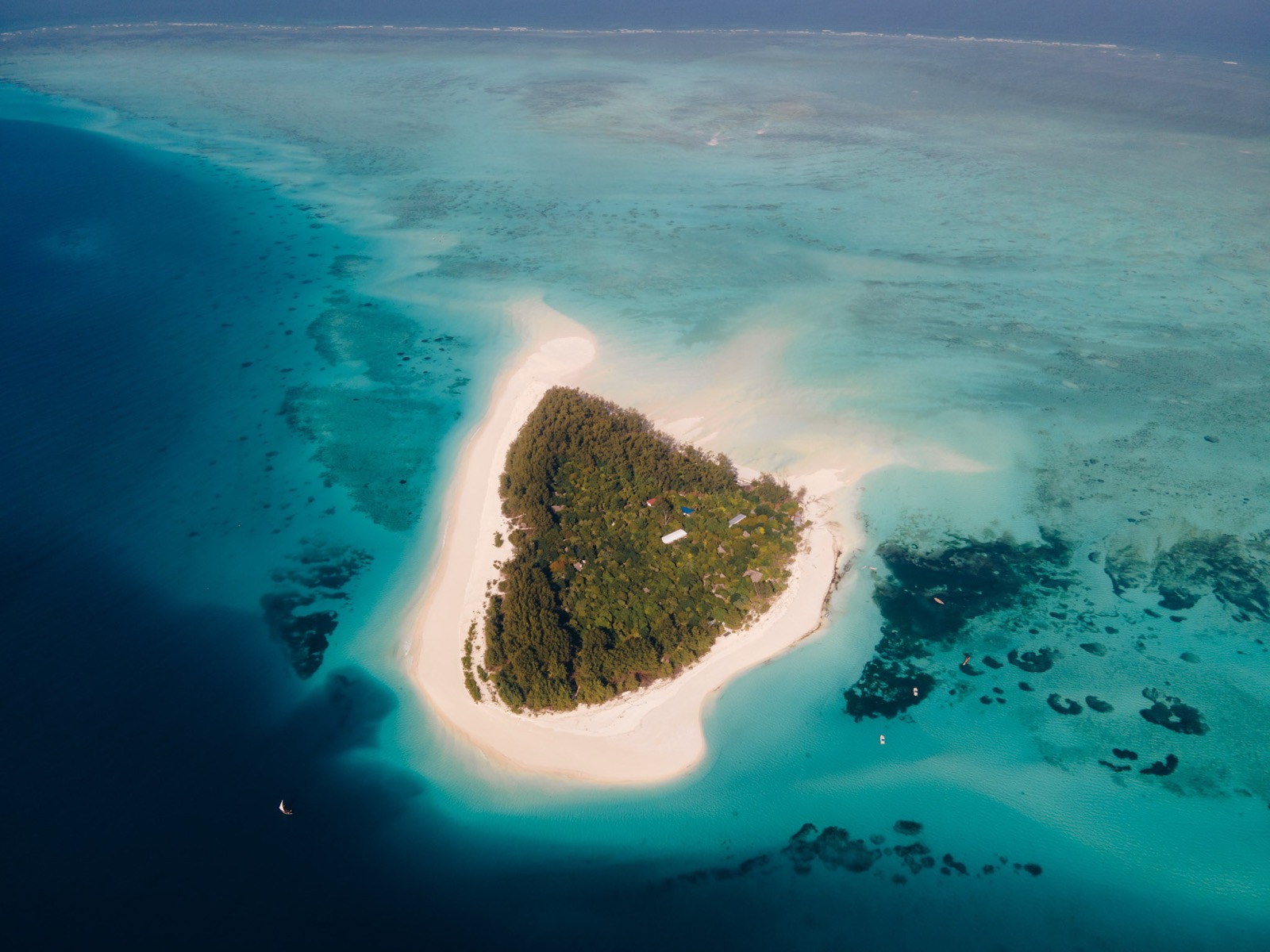
Nakupenda is a tidal sandbank northwest of Stone Town, accessible by small boat from the Stone Town pier or from Forodhani Gardens. At high tide it is partially submerged; at low tide it is a proper island of white sand that appears in the turquoise water.
The sandbank is one of Zanzibar’s most photographed features and the day-trip experience is consistently recommended for travellers based in Stone Town or passing through.
Logistics: Round-trip boat transport from Stone Town runs approximately USD 30–40 for a group (up to around 10 passengers). Nakupenda’s own entrance fee is USD 4 per person. The boat trip itself is 20–30 minutes each direction. Most operators combine the sandbank stop with snorkelling nearby and, sometimes, a visit to Prison Island (Changuu Island) — 5.6 km northwest of Stone Town, where a colony of giant Aldabra tortoises is kept (a separate USD 22 entrance fee applies there, see below).
Prison Island (Changuu Island): Built around 1893, originally intended as a prison but repurposed almost immediately as a quarantine station — it was never used as a functioning prison. The tortoise colony is the main draw. Since November 2024, visitors are no longer allowed to touch or feed the tortoises. Entry is USD 22 per person (up from USD 4 after a September 2025 fee hike); the boat trip from Stone Town takes 20–30 minutes. Reddit consensus is mixed — some travellers find the combination with Nakupenda worthwhile, others find Prison Island overpriced as a standalone visit.
What is a dhow: a brief note
The word “dhow” covers several boat types in the Indian Ocean tradition. Around Zanzibar you will encounter three:
Ngalawa: The outrigger canoe, stabilised by two bamboo floats on either side. This is the fishing boat of the east coast villages — you see them pulled up on the beach at Jambiani and Michamvi every morning, and out on the tidal flat before dawn. The ngalawa is wind-powered (single sail) and genuinely fast in the right conditions.
Mashua: A motorised wooden boat, clinker-built, covered deck, used for most coastal transport and tourist excursions. When an operator says “dhow cruise,” they usually mean a mashua with an optional sail raised for photographs.
Jahazi: The large lateen-sailed cargo dhow, less common now, historically the main vessel of the Indian Ocean trade routes. The Stone Town waterfront has a few hauled up for restoration.
The pure wind-powered dhow sail is now rare in commercial tourism — most boats run on diesel with a sail as an optional aesthetic. The sailing experience you see in photographs depends on wind conditions on the day; you are not guaranteed it.
Private dhow hire: what it costs and when it makes sense
A private dhow charter — just your group, your itinerary, your pace — is available from most operators in Nungwi, Stone Town, and increasingly from the east coast.
Half-day (4–5 hours): USD 150–300 for the boat, depending on size and operator. For 4+ people this per-person rate often undercuts the sharing-boat rates on platforms.
Full day (7–9 hours): USD 300–500, typically including crew, basic food, and fuel. Catering quality varies significantly — clarify what “included” means before booking.
Best uses for a private charter:
- Honeymoon or anniversary trip (Nungwi sunset, stone town harbour approach at sunset, sandbank picnic)
- Family groups with children who need flexible timing
- Photography — you control departure time to hit the best light, you are not waiting for other passengers
- Reaching Mnemba without a group tour (a private boat to Mnemba Atoll takes 20–30 minutes from Matemwe; day snorkel trips run USD 30–125 per person depending on operator and boat — the separate USD 100 per person per night conservation levy applies only to guests staying overnight at Mnemba Island Lodge, not day trippers)
What to avoid
Pre-departure promises not in writing: The two most common disappointments are snorkelling gear that is broken or inadequate, and routes that skip the promised stops due to weather or tides. For Safari Blue specifically, ask whether the snorkelling is guided or unguided before booking.
Stone Town sunset dhow if you are based elsewhere: The Stone Town harbour sunset is pleasant but the water is not clear and the setting is working harbour, not open ocean. If you are based at Nungwi or the east coast, the Nungwi option is strictly better for the same experience.
Non-conservation-area snorkelling trips sold as “reef snorkelling”: Several operators offer snorkelling trips to spots near Nungwi or the Stone Town channel that have degraded reef. The conservation-area experience (Menai Bay, Mnemba) is genuinely different from the general day-trip snorkelling.
How to book
Safari Blue: Book direct (safariblue.net) for the base rate, or through GetYourGuide for flexibility. Third-party platform prices are typically 25–40% higher than booking direct.
Sunset dhow, Nungwi: Book on the beach the day before, or through your hotel. Platform prices are consistently higher than local beach rates for the same boat.
Nakupenda sandbank: Book through your Stone Town hotel or a local operator at the Forodhani pier area. Negotiate group rates rather than per-person rates.
Best time for a dhow cruise in Zanzibar
Zanzibar’s sea conditions are governed by two monsoon seasons — and the difference is material for a day on the water.
Kusi (June–October, peaking July–August): The southeast trade winds bring the main dry season. Sea conditions on the west coast — where Nungwi, Kendwa, Stone Town harbour, and Fumba all sit — are at their most settled. This is also peak tourism: popular beaches like Nungwi and Kendwa require accommodation booked 3–6 months in advance during high season. For Safari Blue in Menai Bay, the protected waters are manageable year-round, but July–September offers the clearest skies and best underwater visibility for snorkelling.
Kaskazi (December–mid-March): The northeast trade winds bring warmer air and, on some days, rougher surface conditions. On the east coast, seaweed accumulates on beaches during the Kaskazi months — less of an issue for west-coast dhow excursions, but worth knowing if you are combining a beach stay at Paje or Jambiani with a boat day. December is typically the calmest month of this season; February is often the roughest.
Long rains (April–May): The one window to avoid. Boat operators reduce services, and the heavy rainfall — Dar es Salaam receives around 655 mm during this period — makes water excursions unreliable across the island. Safari Blue and most shared sunset boats continue to run, but cancellations are frequent.
Humpback whales: From July to October, humpback whales pass through the waters around western Zanzibar, with sightings documented from boats near Chumbe Island. This is not a dedicated whale-watching product — but a dhow or motor boat on the western corridor has a realistic chance of an encounter during these months.
Bottom line on timing: June–September is the strongest window for any dhow excursion in Zanzibar. Book accommodation early; the best places at Nungwi and Kendwa fill up from May onwards.
Chumbe Island: Zanzibar’s finest snorkelling by boat
Chumbe Island sits approximately 12 km south of Stone Town — a 30–40 minute boat ride from the check-in point at Jungle Paradise Resort & Spa, just south of Stone Town. It is not a traditional dhow cruise, but it is the best marine snorkelling experience accessible by small boat from Stone Town by a significant margin.
The reef running along Chumbe Island’s west coast stretches for approximately 1.6 km and covers a fully protected 33-hectare marine sanctuary — the first privately managed marine protected area in the world, gazetted in 1994. The sanctuary contains more than 200 species of hard coral and over 370 species of fish. Guided snorkelling sessions last approximately one hour, with a park ranger in the water throughout.
Day trip pricing:
| Item | Cost |
|---|---|
| Day trip (Chumbe’s own package: boat transfer, guided snorkel, lunch, forest walk) | USD 90 per person |
| Blue Economy Levy (foreign adults) | USD 25 per person |
| Approximate total per foreign adult | USD 115 |
The park limits daily visitor numbers to protect the reef — bookings fill well in advance during the June–October high season.
What I tell guests: If someone based in Stone Town asks me for the single best snorkelling experience accessible by small boat, the answer is Chumbe — not Prison Island, not the Stone Town harbour. The reef here is intact and healthy, nothing like the degraded patches near the Stone Town waterfront. The full day lasts 7–8 hours, with the coral reef, a forest reserve walk, and the old lighthouse all available between activities.
Practical note: Chumbe is closed during the long rains (April to mid-June). The best visits are during the dry season (June–October) when underwater visibility is at its peak. Day guests must pre-book; walk-in access is not available.
Gypsea Sailing and catamaran charters: the east coast alternative
The east coast of Zanzibar has a quieter sailing scene than the north or west coast — less commercial, more local, and well-suited to travellers staying in Paje, Jambiani, or Michamvi.
Gypsea Sailing is a boutique sailing operation based in Jambiani, on the east coast south of Paje. As of 2026 the operator runs a full booking website with published pricing tiers — your east-coast hotel can also arrange contact directly. The experience is particularly well-regarded by guests who want genuine sailing rather than a motorised boat with a decorative sail hoisted for photographs.
Catamaran sailing has become an established water activity along Zanzibar’s coast, with options ranging from sunset and sundowner cruises to full-day and multi-day private charters. Extended catamaran charters in Tanzania start from approximately USD 6,698 per week at the minimum, with an average of around USD 11,943 per week for live-aboard multi-day sailing. Single-day and half-day catamaran options are priced separately through local operators in Nungwi, Stone Town, and Jambiani.
Snorkelling from the east coast: A standard guided snorkelling excursion to Mnemba Atoll or the Menai Bay conservation area by local boat from the north coast runs approximately USD 45–60 per person. Half-day boat tours to Menai Bay cost USD 30–70 per person depending on operator and group size — haggling is standard for local boat hire on the east coast, and beach rates consistently undercut platform rates for the same boat.
What to bring on a dhow cruise day
A practical checklist — most of this is obvious once you are already on the water and wish you had it:
- Reef-safe sunscreen only — chemical sunscreens damage coral polyps. In conservation areas like Menai Bay this is a protection issue, not just a preference. Bring biodegradable mineral-based sunscreen.
- Seasickness tablets — take 1 hour before departure if you are at all susceptible. The Menai Bay open crossing can have a chop on some days; the Nungwi sunset cruise is typically calm. Better to take the tablet and not need it.
- Waterproof bag or dry sack — a wooden mashua does not have waterproof storage lockers. Your phone, passport copy, and any cash go in the dry bag, not your pocket.
- Small denominations (USD or TZS) for tips — most boat captains and crew do not take card payments. Tips are expected and appropriate: USD 5–10 per person for a day trip is the standard range for boat crew.
- Light long-sleeved shirt — the Indian Ocean sun on open water is more intense than on the beach. Linen or light cotton protects skin and keeps you cooler than relying on sunscreen alone.
- Your own snorkel mask — shared gear on group tours is often poorly maintained. Bringing your own mask significantly improves the snorkelling experience, particularly for Safari Blue where the snorkelling is the main draw.
For the full water sports context — kitesurfing, diving, snorkelling, deep-sea fishing — see the Zanzibar best things to do guide. For Mnemba Atoll in full detail — reef quality, how to access, conservation fee, best time — see the Mnemba guide. For Kizimkazi dolphin tours and the Menai Bay Conservation Area context, see the Kizimkazi guide. For where to stay in Nungwi to access the sunset dhow most easily, see the Nungwi accommodation breakdown. For planning the full trip itinerary, see the full week-by-week itinerary.
Frequently asked questions
What is Safari Blue in Zanzibar?
Safari Blue is a full-day dhow boat excursion into the Menai Bay Conservation Area in southwest Zanzibar. The original experience is priced at USD 82 per adult (official Safari Blue website). Sharing boat options are available from USD 65 per person. The trip includes snorkelling, a sandbank BBQ lunch, and a full day on the water departing from Fumba — not from Stone Town.
How much does a sunset dhow cruise cost in Zanzibar?
A shared sunset dhow cruise from Nungwi or Kendwa is advertised from USD 35 per person. Private charters cost USD 40–180 per person depending on the boat and group size. The price range across booking platforms (Viator, Tripadvisor) runs USD 55–150 per adult. Nungwi departures are typically 1.5–2 hours and catch the full Indian Ocean sunset over open water.
Where does Safari Blue depart from in Zanzibar?
Safari Blue departs from Fumba, on the southwest tip of Zanzibar — not from Stone Town or the east coast beaches. From Stone Town, the transfer to Fumba takes 30–45 minutes. From the east coast, allow 1.5–2 hours. Most operators include or offer a transfer to Fumba as a separate add-on — confirm before booking.
Is Safari Blue worth it?
It depends on what you want. Safari Blue gets both strong praise and strong complaints on Tripadvisor — particularly about the snorkelling quality, which some reviewers describe as disappointing. The Menai Conservation Area is genuine and the boat day is scenic, but snorkelling equipment quality varies by operator. If quality snorkelling is the primary draw, consider a dedicated Mnemba or Menai Bay snorkel trip instead. The BBQ sandbank lunch and full day on the water are consistently well-reviewed.
What is a dhow?
A dhow is a traditional wooden sailing vessel of the Swahili coast, built using techniques brought by Arab and Indian Ocean traders over centuries. The main types around Zanzibar: the ngalawa (outrigger canoe, for short coastal trips and fishing), the mashua (motorized wooden boat, used for most tourist excursions), and the jahazi (large lateen-sailed cargo dhow). What most operators call a 'dhow cruise' uses a motorised wooden boat with a sail for show — the purely wind-powered version is uncommon now and reserved for traditional fishing.
What is the best dhow cruise in Zanzibar for first-timers?
For first-timers, the Nungwi sunset dhow cruise is the easiest entry point — short, scenic, and no logistics beyond showing up at the beach. For something more immersive, Safari Blue gives you a full day in protected waters with a sandbank stop. For the most exclusive experience, a private dhow charter (half or full day) along the east coast or around Mnemba gives the most flexibility. Skip the Stone Town harbour sunset cruise if you are based anywhere other than Stone Town — the transfer time is not worth the result.
What is the best time of year for a Zanzibar dhow cruise?
The best months are June to September — the Kusi trade-wind season (June–October) brings dry weather and calmer sea conditions on the west coast. Nungwi and Kendwa sunset cruises and Safari Blue in Menai Bay all operate reliably during this window. Avoid the long rains of April–May, when many boat operators reduce services and sea conditions are at their roughest. The Kaskazi season (December–mid-March) is workable but can bring rougher conditions; December is typically calmer than February.
Is Chumbe Island worth visiting as a day trip from Stone Town?
Yes — Chumbe Island is the single best snorkelling site accessible by small boat from Stone Town. The reef sanctuary around the island's west coast contains more than 200 species of hard coral and over 370 fish species in a fully protected 33-hectare marine reserve. A day trip costs USD 90 per person plus a USD 25 Blue Economy Levy for foreign adults — USD 115 per person in total, including lunch and guided activities. The boat from Stone Town takes 30–40 minutes. Chumbe is closed April to mid-June during the long rains; book well in advance as visitor numbers are limited daily.