Facts & prices checked: 2026-07-18
Umbwe is the route most Kilimanjaro operators don’t lead with, and there’s a reason for that. It’s the shortest, steepest, and — by the account of nearly every operator and guide site that covers it — the hardest way up the mountain. It cuts straight up the southern flank through rainforest rather than looping wide the way Machame and Lemosho do, and it reaches the same summit in fewer days with far less time for your body to adjust. That trade-off is the whole story of this route, and it’s worth being straight about before you book it.
I’ve arranged Kilimanjaro climbs for guests through Tim’s own east-coast hotel for several seasons, and Umbwe is the route I get asked about the least — and the one I steer most first-time climbers away from. It isn’t a bad route. It’s a route built for a narrow kind of climber, and most people booking their first Kilimanjaro attempt aren’t that climber yet.
Umbwe at a glance
| Detail | Umbwe route |
|---|---|
| Duration | 6–7 days standard; 7–8 days with an added acclimatization day |
| Distance | ~47.5 km / 29 miles, gate to gate |
| Approach | South, via rainforest between the Lonzo and Umbwe Rivers |
| Shelter | Camping only — no huts |
| Difficulty | The steepest, most direct route on the mountain, per multiple operators |
| Success rate | Not independently published for this route (see below) |
| Summit | Uhuru Peak, 5,895 m |
| Park fee tier | Same non-Marangu camping bracket as Machame and Rongai — roughly USD 815–956 for 6–7 days |
| Best for | Experienced high-altitude trekkers, not first-timers |
One honest caveat before the day-by-day: sources don’t even agree on how many official routes exist on Kilimanjaro. One industry count puts it at seven; another names six main trails — Shira, Lemosho, Machame, Umbwe, Marangu, and Rongai. Umbwe shows up on every version of that list, and it’s described the same way every time: shortest, steepest, hardest.
What makes Umbwe different
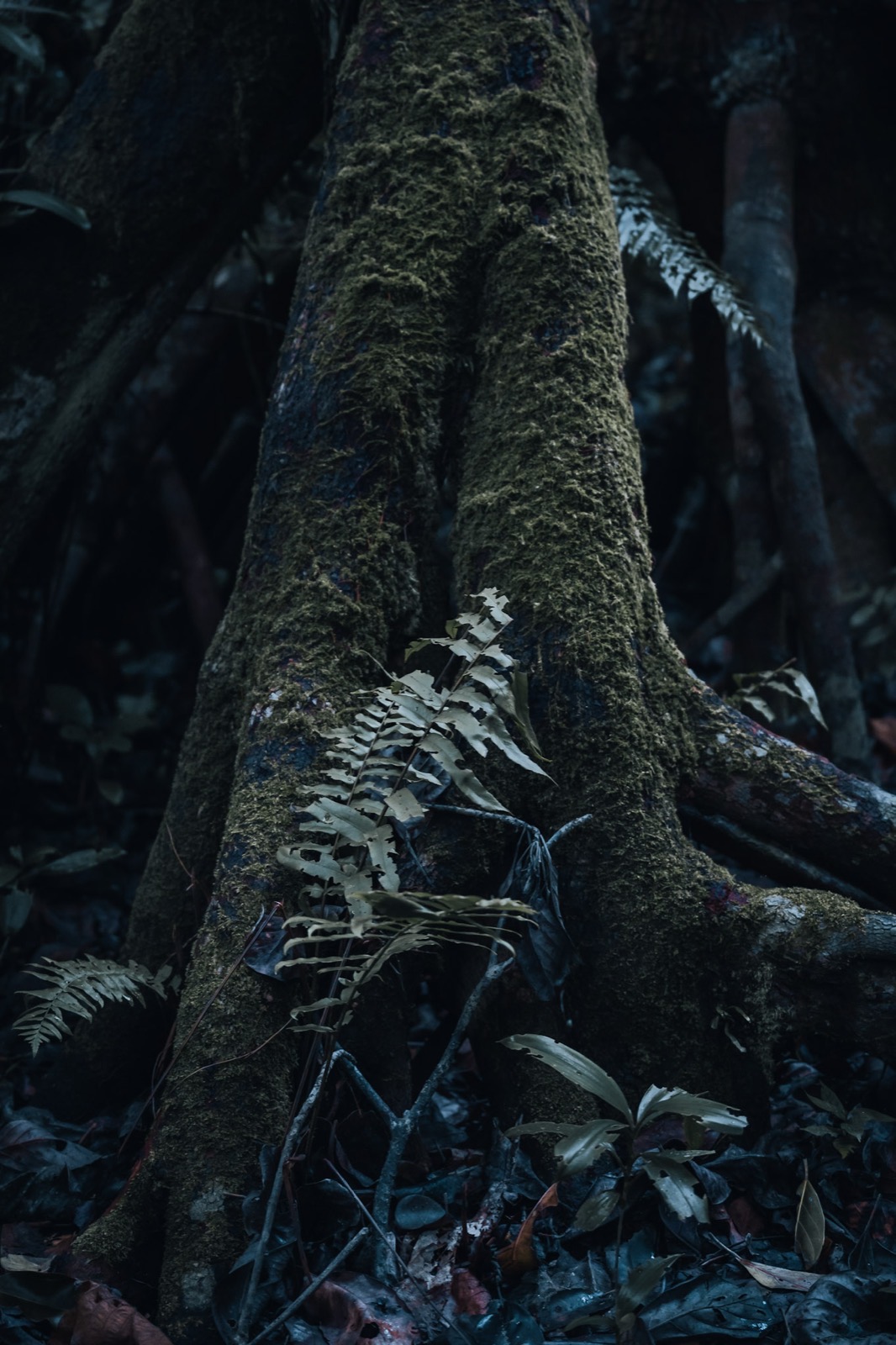
Most Kilimanjaro routes are built around a “climb high, sleep low” acclimatization arc — wide loops that trade distance for time at altitude. Umbwe skips most of that. It approaches from the south, following a forestry track through rainforest that steepens noticeably between the Lonzo and Umbwe Rivers, and heads more or less straight up rather than circling the mountain first.
The consensus on Umbwe’s difficulty isn’t limited to English-language operator sites, either. German- and Italian-language route guides in our source set independently describe it as the technically most demanding route on the mountain, recommended almost exclusively for experienced climbers — the same conclusion reached separately by English-speaking operators. That kind of cross-language agreement, from sources that aren’t quoting each other, is about as close to consensus as route-difficulty claims get.
One route comparison even claims Umbwe holds the fastest recorded ascent time on the mountain. I’d flag that one hard: it comes from a single source and I can’t independently verify it, so treat it as a claim, not a fact. But it fits the pattern — every source that discusses Umbwe frames it as the most direct line to the top, for better or worse.
You’ll sometimes see Umbwe marketed as the “quiet” alternative to Machame. I want to be careful here: our research turned up plenty of sourcing for Umbwe being steep and hard, but nothing that actually measures visitor numbers on it — unlike Rongai, which multiple sources specifically document as one of Kilimanjaro’s quieter routes. What is documented is who ends up choosing Umbwe: experienced trekkers who know their acclimatization tolerance, not the broader first-timer market that fills Machame’s Barranco Camp. A route marketed to a narrower audience will naturally see fewer people on it, even without a headcount to prove it.
Day-by-day: from Umbwe Gate to Uhuru Peak
The itinerary below reflects the standard 6-day version. Where a camp is shared with Machame and Lemosho — which happens from Barranco Camp onward — the altitude comes from those routes’ well-documented camp data, since it’s physically the same infrastructure.
| Day | Route | Notes |
|---|---|---|
| 1 | Umbwe Gate → forest camp | Steep climb through rainforest between the Lonzo and Umbwe Rivers. Our source set doesn’t independently confirm a specific camp name or altitude for this first night — camp naming varies by operator, so I’m not going to invent one. |
| 2 | Forest camp → Barranco Camp (~3,950 m) | Trail breaks out of the forest onto more open moorland and joins the southern circuit used by Machame and Lemosho. |
| 3 | Climb the Barranco Wall → Karanga Camp (~4,035 m) | The scramble up the rock face above Barranco Camp — shared with Machame, Lemosho, and Shira climbers — comes first thing in the morning. |
| 4 | Karanga Camp → Barafu Camp (4,673 m) | Barafu is the shared summit-night base for Machame, Lemosho, and Umbwe climbers alike. |
| 5 | Midnight summit push → Uhuru Peak (5,895 m) → descend to Mweka Camp (~3,110 m) | The long day: roughly 12–14 hours door to door on the equivalent Machame schedule, and there’s no reason to expect Umbwe’s summit day runs shorter. |
| 6 | Mweka Camp → Mweka Gate | Standard southern exit, shared with Machame and Lemosho descents. |
On the extra day: one operator-level source specifically notes Umbwe can run 6–7 days, with a 7th or 8th day commonly added purely for acclimatization. If you’re set on this route, that added day is the single highest-value change you can make to your itinerary — it doesn’t change the terrain, just how much time your body gets before the summit push.
A separate comparison source lists Umbwe (like Marangu) as short enough to run in 5 days. I’m mentioning it because it exists in the record, not because I’d recommend it — a 5-day Umbwe compounds an already-fast ascent with even less acclimatization time, and every fact we have about this route’s AMS risk points the other direction.
Why climbers actually choose this route
Setting aside the marketed “quiet route” framing I’ve already flagged as unproven, the honest reasons climbers pick Umbwe come down to two things: they want the shortest, most direct path to the summit, and they’ve already got enough high-altitude experience to know how their body handles rapid ascent.
Operator sources consistently position Umbwe for exactly that profile — experienced hikers, not first-timers. One source frames it plainly as best suited to climbers who already know Kilimanjaro is within reach because they’ve done comparable altitude before. If that’s you, the appeal is real: less time on the mountain, a genuinely different southern approach through denser forest than Machame’s lower slopes, and a route that doesn’t share Machame’s crowded early camps (Umbwe’s own approach, before Barranco, isn’t the same trail).
If that isn’t you — if this would be your first time above 4,000 m — the same directness that appeals to experienced climbers works against you. You’re compressing the acclimatization window that longer routes deliberately stretch out.
Camps, crew, and facilities along the way
Umbwe is a camping route from gate to gate — there are no huts anywhere on this trail, unlike Marangu, which is the only Kilimanjaro route built around dormitory-style accommodation. Every night is a tent, pitched by your crew before you arrive at camp.
Once the trail reaches Barranco Camp, Umbwe climbers are on the same shared infrastructure as Machame and Lemosho groups: Barranco, Karanga, and Barafu are the same physical camps, used by all three routes’ climbers on any given night. That’s worth knowing before you book expecting total solitude — the first two days on Umbwe are genuinely quieter, but from Barranco onward you’re sharing camps with whoever else is on the mountain that week.
A standard Kilimanjaro crew for a small group runs one guide, one assistant guide, one cook, and 7–9 porters — there’s no route-specific crew structure documented for Umbwe that differs from this. Tips are collected in a ceremony on the last night on the mountain, after summit day, which is standard practice across Kilimanjaro’s routes generally, not an Umbwe-specific quirk.
The acclimatization risk — the honest version
This is the section I’d want a straight answer to if I were booking this route, so here it is without hedging.
Umbwe’s rapid, direct ascent profile is repeatedly linked to a higher risk of Acute Mountain Sickness in the sources we’ve checked. One source states it plainly: Umbwe is not ideal for most trekkers because it gives the body too little time to acclimatize. Another frames the mechanism directly — rapid altitude gain combined with limited acclimatization time raises AMS risk specifically on this route.
What I can’t give you is a number. Machame has a widely cited 85–90% success rate on the 7-day version; Lemosho’s 8-day itinerary is documented at 90%. Umbwe doesn’t have an equivalent figure in any source I trust enough to repeat here. What the broader Kilimanjaro data does show: shorter, faster-ascent itineraries carry measurably worse odds across the mountain generally — one operator breakdown puts 5-day itineraries as low as 27% success, against up to 85% on 8-day itineraries. Umbwe’s compressed acclimatization window puts it structurally closer to the fast-itinerary end of that spectrum than to Lemosho’s end, even without a route-specific percentage to cite.
If you’re taking Diamox (acetazolamide) as a precaution, the standard advice is to start it 24–48 hours before you begin ascending and continue through the climb — discuss it with a doctor first, and expect possible side effects like tingling fingers and increased urination. It’s more useful as insurance on a compressed route like this one than on a route that already gives your body more time.
One fact worth knowing regardless of route: helicopters cannot fly above 5,000 m on Kilimanjaro. If evacuation is needed from anywhere near the summit, the descent to Barafu Camp (4,673 m) happens on foot, with crew support, before any helicopter extraction becomes possible. Route choice and conservative acclimatization decisions are the real insurance here — not a rescue plan you’re hoping not to need. For the full picture on symptoms, what helps, and what doesn’t, see our AMS symptoms and treatment page.
What to pack specific to this route
Most of Umbwe’s gear list is identical to any other Kilimanjaro route — the full kit rundown covers the full layering system, summit night kit, and porter weight limits in detail. A few things matter more on Umbwe specifically:
- Grippy, broken-in footwear. The steeper, more direct terrain — plus the Barranco Wall scramble on day 3 — rewards boots you already trust, not new ones.
- Gloves for the scramble sections. You’ll use your hands on the rock above Barranco Camp. Bring gloves you’re comfortable gripping stone in, not just cold-weather mittens for summit night.
- A headlamp with spare batteries. Standard advice across every Kilimanjaro route, but worth repeating: summit starts happen in full darkness, and cold shortens battery life fast.
- A warm sleeping bag. Summit night temperatures on Kilimanjaro can plunge to -20°C or colder before dawn — this isn’t route-specific, but Umbwe gives you fewer nights to acclimatize to the cold before the coldest one arrives.
- A duffel within porter weight limits. KPAP-audited operators enforce a 20 kg maximum load per porter; a soft 70-litre duffel kept under about 15 kg travels easiest.
Costs — park fees, crew, and what’s not published
Kilimanjaro National Park fees aren’t set by route — they’re set by days and by camping versus hut use. Umbwe is a camping route, so the same tariff applies as Machame or Rongai: a USD 82.60 per person per day conservation fee, a USD 59 per person per night camping fee, and a one-time USD 23.60 rescue fee, VAT already included in each figure. For a 7-day, 6-night camping trip that works out to roughly USD 956 in mandatory fees before an operator adds their own margin.
I don’t have a reliable Umbwe-specific all-in operator price the way we do for Machame or the Northern Circuit — and that’s not an oversight, it’s because so few operators lead with Umbwe as a primary product that published, comparable pricing is genuinely thin across the sources we checked. What is certain is the fee floor above, and that crew tips are not optional on top of it: budget USD 250–350 or more per climber, built roughly from USD 20 per day for the lead guide, USD 12–15 per day for an assistant guide, USD 12 per day for the cook, and USD 6–10 per day for each porter. On a 6-day climb with a small crew, that adds up fast — plan for it before you leave, not as an afterthought at the summit.
How Umbwe compares to the other routes
If you’re still deciding between routes, the short version: Umbwe trades time for difficulty. Every other main route — Machame, Lemosho, Rongai, Marangu, the Northern Circuit — spreads the climb across more days specifically to buy your body more acclimatization time. Umbwe compresses that on purpose, which is exactly why it suits a narrow, experienced climber profile rather than a general first-timer audience.
For the full comparison across all five commonly recommended routes — camps, costs, and which fits which climber — see our Kilimanjaro routes comparison guide. If you’re building out your training timeline before you commit to any route, the fitness prep breakdown covers the physical preparation question in full, and the Kilimanjaro when-to-go guide breaks down the seasonal timing that applies across every route, Umbwe included.
My honest take, after several seasons of sending guests up this mountain: if you’re reading this trying to decide whether Umbwe is your first Kilimanjaro route, it almost certainly isn’t. If you’re reading it because you’ve already got altitude experience and you specifically want the steepest, most direct line to Uhuru Peak — you already know why you’re here, and the route delivers exactly what it promises.
For the complete Kilimanjaro planning picture — costs, crew, best months, and what to expect overall — start with our full climb overview. Curious how a mountain trek compares to walking Tanzania’s game reserves on foot? Our Tanzania walking safari guide covers a completely different kind of foot-level travel — tracking wildlife rather than climbing to it. And if six nights in a tent on Umbwe’s slopes has you thinking about camping more broadly in Tanzania, our Tanzania camping safari guide covers what camping actually costs and feels like on the savannah, well below the mountain’s cloud line.
Frequently asked questions
Is the Umbwe route the hardest way up Kilimanjaro?
By most accounts, yes. Multiple independent operator sources describe Umbwe as the shortest, steepest, and hardest of Kilimanjaro's main routes, and one route comparison ranks it as harder than Machame, Marangu, Lemosho, and the Northern Circuit. The difficulty is the rapid, direct ascent profile, not technical climbing — no ropes required, but your body needs to acclimatize fast.
How many days does the Umbwe route take?
Most operators run Umbwe over 6 to 7 days, with a 7th or 8th day commonly added purely for acclimatization. One comparison source lists Umbwe alongside Marangu as completable in as few as 5 days — I wouldn't book that version, and most responsible operators don't offer it that short anymore.
What is the Umbwe route's summit success rate?
No operator publishes an Umbwe-specific success percentage the way they do for Machame (roughly 85–90% on 7 days) or Lemosho (90% on 8 days). What's well documented is the mechanism: Umbwe's fast ascent gives climbers less time above 3,500 m to adjust, which multiple sources link directly to a higher risk of acute mountain sickness.
Does the Umbwe route use huts?
No — Umbwe is camping-only, every night in a tent, the same as Machame, Lemosho, Rongai, and the Northern Circuit. Marangu is the only Kilimanjaro route with dormitory huts (Mandara, Horombo, Kibo).
Is the Umbwe route suitable for a first Kilimanjaro attempt?
Generally no. Operator sources position Umbwe for experienced hikers specifically, and at least one describes it as unsuitable for most trekkers because it leaves too little time to acclimatize. For a first attempt at altitude, Machame or Lemosho give meaningfully better odds on the same mountain.
Does the Umbwe route climb the Barranco Wall?
Yes. Umbwe joins the southern circuit at Barranco Camp and climbs the Barranco Wall the next morning — the same scramble Machame, Lemosho, and Shira climbers tackle. It's a hands-and-feet scramble up the rock face above camp in places, not technical climbing, but real exposure.
How much does it cost to climb the Umbwe route?
Park fees match any non-Marangu camping route: USD 82.60 per person per day conservation fee, USD 59 per person per night camping fee, and a USD 23.60 rescue fee, all already including 18% VAT — roughly USD 815–956 in mandatory fees for 6–7 days. On top of that, budget USD 250–350+ in crew tips, built from roughly USD 20/day for the lead guide, USD 12–15/day for an assistant guide, USD 12/day for the cook, and USD 6–10/day per porter.
How does Umbwe compare to Machame or Lemosho?
Umbwe is shorter (6–7 days vs 7–8), steeper, and — per multiple independent sources — carries a higher altitude sickness risk because there's less time to acclimatize before the summit push. Machame and Lemosho spread the same overall elevation gain across more days and gentler terrain, which is why most operators recommend them over Umbwe for a first attempt.