
Facts & prices checked: 2026-07-29
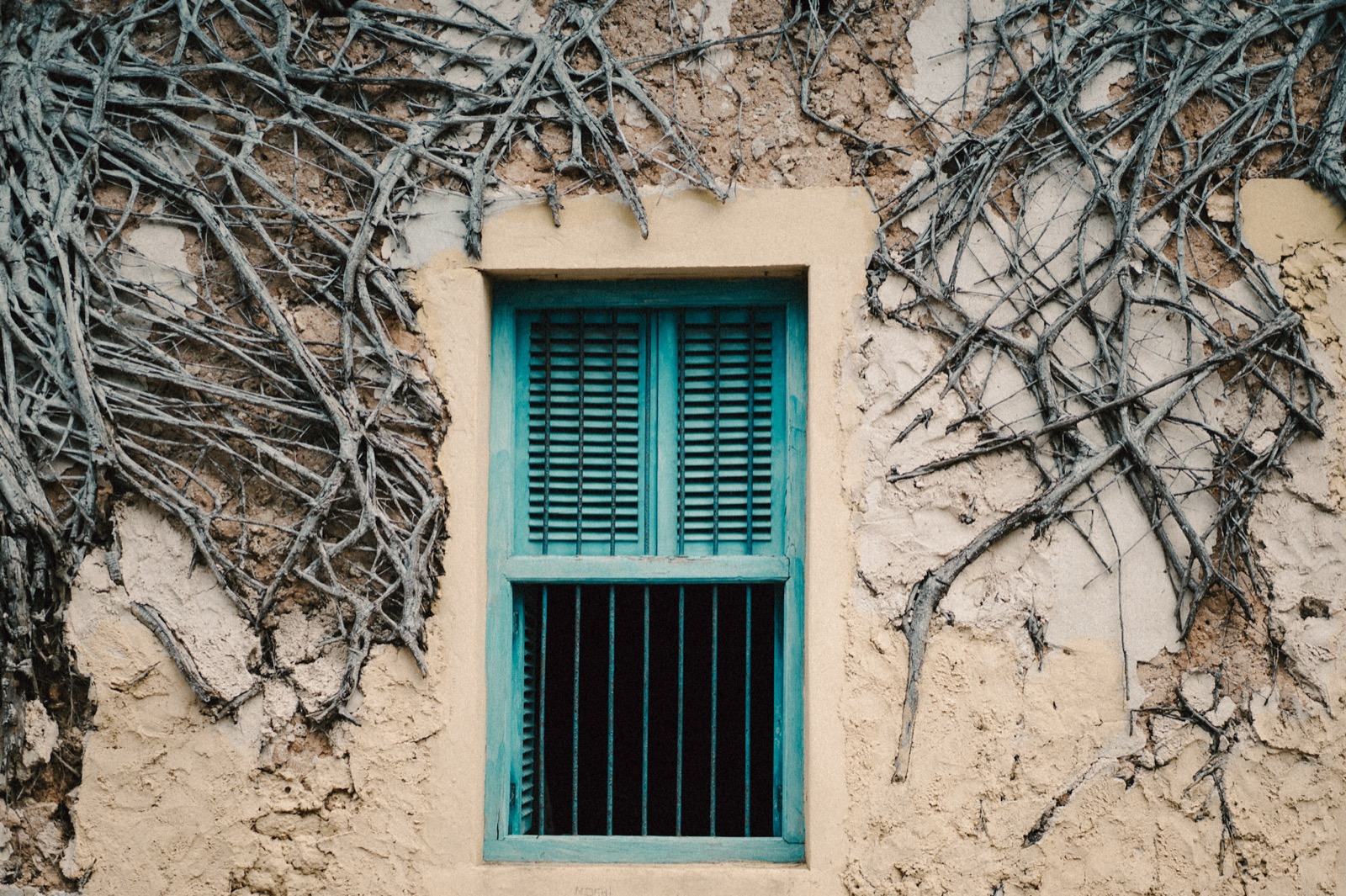
The coastal town of Bagamoyo gets its name from the Swahili phrase “Bwaga-Moyo” — lay down your heart. I didn’t know that my first year living on Zanzibar. Once I did, place names on the map stopped being just words and started being small windows into how this coast actually thinks. That’s the real case for learning a few dozen Swahili phrases before you land: not to sound fluent, but to stop missing what’s right in front of you.
I run a small hotel on Zanzibar’s east coast, and I watch the same pattern play out every season. Guests who learn ten words — really just ten — get warmer service, better market prices, and a noticeably different safari. Guests who don’t still have a great trip. But the ones who try get let into something the others don’t.
This guide gives you the actual phrases: greetings, numbers, market and food vocabulary, directions, the words your safari guide will use on a game drive, and the handful of phrases that matter in a real emergency. It also tells you honestly where Swahili helps and where you can just relax and speak English.
Quick facts: Swahili in Tanzania and Zanzibar
| Category | Detail |
|---|---|
| Official languages | Swahili (Kiswahili) and English — Tanzania recognises both |
| Local languages spoken | Over 100, across the mainland and the islands |
| Most “classical” form | Zanzibari Swahili — considered the most classical, melodic variant of the language |
| Reading it | Phonetic — Swahili is read almost exactly as it’s spelled |
| Stress pattern | Almost always the second-to-last syllable |
| Where English is strongest | Safari lodges, upscale hotels, Stone Town’s tourist restaurants |
| Where English gets thin | Rural markets, mainland villages, local bus stations |
| The one rule that matters most | Greet before you ask for anything |
Greetings and politeness — the phrases that actually open doors
Swahili greeting culture runs on one rule, and it isn’t optional: you greet before you ask. Walk up to a stall and say “how much for this?” with no greeting first, and you’ll still get served — but at the tourist price, and with a noticeably flatter interaction. Take ten seconds to greet first, and the whole transaction changes register.
“Jambo” is the word every keychain in every gift shop teaches you, and it works — but it also marks you instantly as a tourist who knows exactly one word. Tanzanians will smile and answer it, then go straight back to speaking Swahili among themselves. “Habari?” (how are you? / what’s new?) is what people actually say to each other, and using it gets you treated differently from the first exchange.
For anyone older than you, there’s a separate greeting: “Shikamoo,” which translates roughly as “I hold your feet” — a real gesture of respect, not a performance. The correct reply is “Marahaba.” I still get the timing wrong occasionally — using Shikamoo with someone my own age gets a laugh, not offence — and that’s the honest trade-off here: get it slightly wrong and you’ll be corrected with a smile; don’t try at all and something quietly closes.
| Swahili | Pronunciation | Meaning | Reply |
|---|---|---|---|
| Jambo / Hujambo | JAHM-boh / hoo-JAHM-boh | Hello | Jambo / Sijambo (I’m fine) |
| Habari? | hah-BAH-ree | How are you? / What’s new? | Nzuri (good) or Nzuri sana (very good) |
| Habari za asubuhi? | hah-BAH-ree zah ah-soo-BOO-hee | Good morning? (lit. “news of the morning”) | Nzuri |
| Shikamoo | shee-kah-MOH-oh | Respectful greeting to an elder | Marahaba |
| Karibu | kah-REE-boo | Welcome / you’re welcome | — |
| Asante / Asante sana | ah-SAHN-teh / ah-SAHN-teh SAH-nah | Thank you / thank you very much | Karibu |
| Tafadhali | tah-fah-DHAH-lee | Please | — |
| Samahani | sah-mah-HAH-nee | Sorry / excuse me | — |
| Kwaheri | kwah-HEH-ree | Goodbye | Kwaheri |
| Lala salama | LAH-lah sah-LAH-mah | Goodnight (literally “sleep peacefully”) | — |
Greet with your right hand. In Swahili culture the left hand is considered unclean, and offering it — for a handshake, for money, for anything passed between people — reads as disrespectful even when no offence is intended.
For the fuller picture on how this greeting-first culture connects to tipping, dress, and photography across the whole country, Tanzania’s greeting and tipping etiquette guide is worth reading before you go — see the full Tanzania culture guide.
Numbers — for prices, times, and bargaining
Swahili numbers are logical once you have the first ten memorised. Above ten, you just stack them: “kumi na moja” is literally “ten and one” (11), and “ishirini na tano” is “twenty and five” (25).
| Swahili | Number |
|---|---|
| moja | 1 |
| mbili | 2 |
| tatu | 3 |
| nne | 4 |
| tano | 5 |
| sita | 6 |
| saba | 7 |
| nane | 8 |
| tisa | 9 |
| kumi | 10 |
| ishirini | 20 |
| mia (mia moja = 100) | hundred |
| elfu (elfu moja = 1,000) | thousand |
You’ll use “elfu” more than any other word on this list. Tanzanian shilling prices are almost always quoted in thousands — a plate of pilau at a local spot runs 5,000 to 8,000 TZS, or “elfu tano hadi elfu nane” — and hearing the number before your brain finishes translating it saves you a beat of confusion at every till.
Food and market phrases — bargaining without the awkwardness
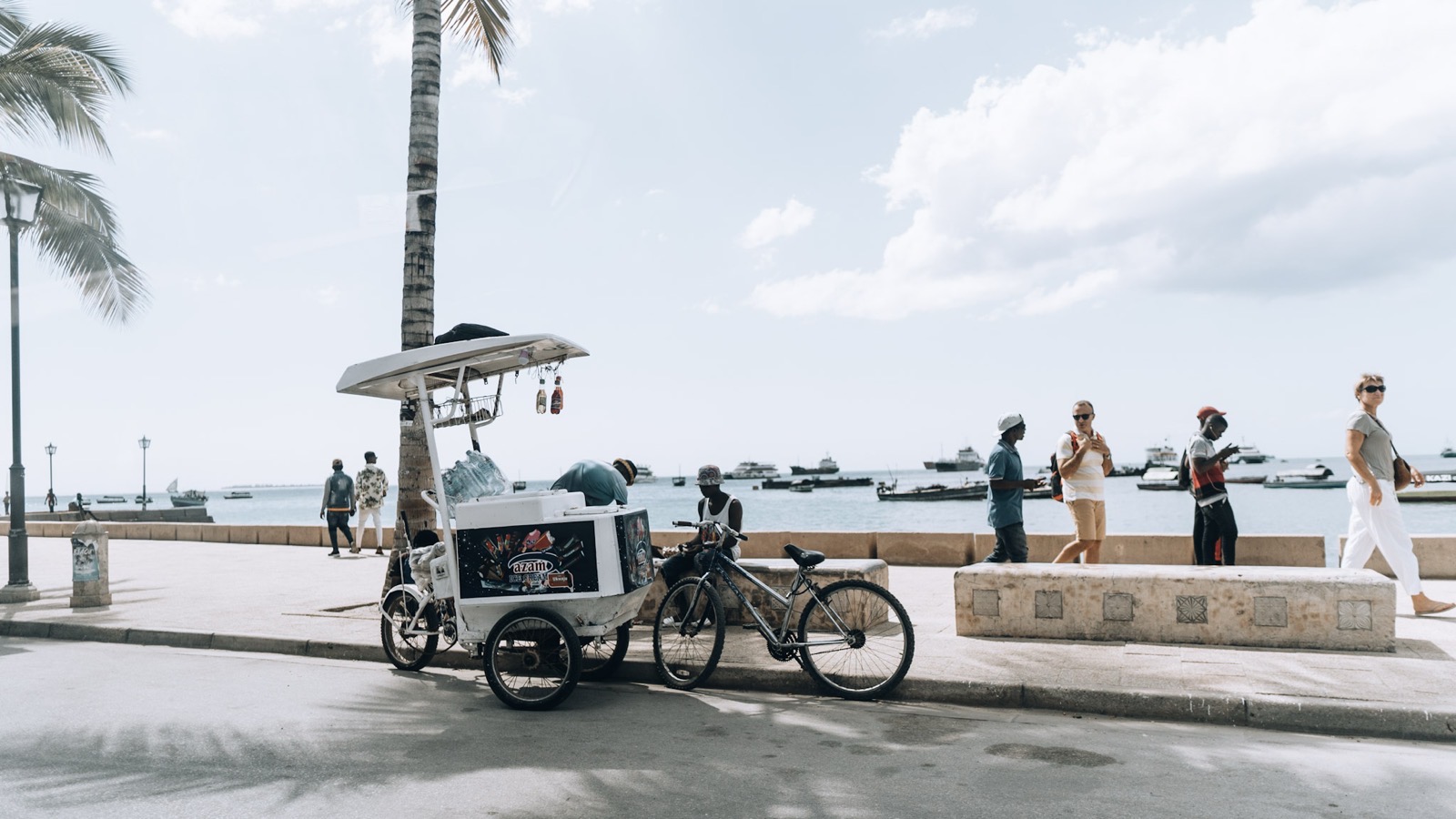
Bargaining in Tanzanian and Zanzibari markets is a social ritual, not a fight, and it goes better in Swahili even if you only manage the first half of the sentence before switching back to English.
- “Bei gani?” — How much? The opening question at every stall.
- “Ghali sana” — Too expensive. Said with a smile, not an accusation.
- “Punguza bei tafadhali” — Please reduce the price. The actual bargaining ask.
- “Ni bei ya mwisho?” — Is that your final price? Use this once you’re close to a number you’ll accept.
- “Ninaomba maji” / “Ninaomba chakula” — I’d like water / I’d like food (literally “I request…” — a naturally polite construction).
- “Meza ya wawili, tafadhali” — A table for two, please.
- “Menyu” — Menu.
Greet the vendor, smile, and let the exchange breathe before you get to price — the same rule as everywhere else in this guide. A vendor who’s laughed with you quotes a better number than one who’s only been asked a price. For the specifics of how far to push a bargain and when to walk away, Tanzania’s bargaining and etiquette rules in full cover the starting-offer math and why agreeing on a price and then backing out is genuinely bad form — see the Tanzania culture and etiquette guide.
A cooking class is the fastest way to turn this vocabulary into something you actually remember. A hands-on Swahili cooking class in Zanzibar puts you in Darajani Market with a guide translating in real time, which sticks far better than a phrase list on its own — see the Zanzibar Swahili cooking class guide.
One more word worth knowing purely because you’ll see it everywhere: “tangawizi” is Swahili for ginger, and it’s also the name of the ginger soda in fridges up and down the coast. Order one by name and you’ll get a nod of recognition rather than a blank look.
Directions and transport phrases
| Swahili | Meaning |
|---|---|
| Nataka kwenda sokoni | I want to go to the market |
| Unaweza kunipeleka…? | Can you take me to…? |
| Kulia / Kushoto | Right / Left |
| Moja kwa moja | Straight ahead |
| Choo kiko wapi? | Where’s the toilet? |
| Karibu / Mbali | Near / Far |
“Nataka kwenda sokoni” — I want to go to the market — is the standard way to tell a taxi or bajaji (tuk-tuk) driver where you’re headed, and it’s a good template: swap “sokoni” (to the market) for wherever you’re actually going. The same “Bei gani?” you use in a market works just as well for agreeing a fare before you get in.
Directions also explain some of the place names you’ll see on a map without even trying. Ng’ambo, the newer district that sits across the creek from Stone Town, literally means “the other side” in Swahili — a direction word that became a neighbourhood’s name.
Safari vocabulary — the words you’ll actually hear on a game drive
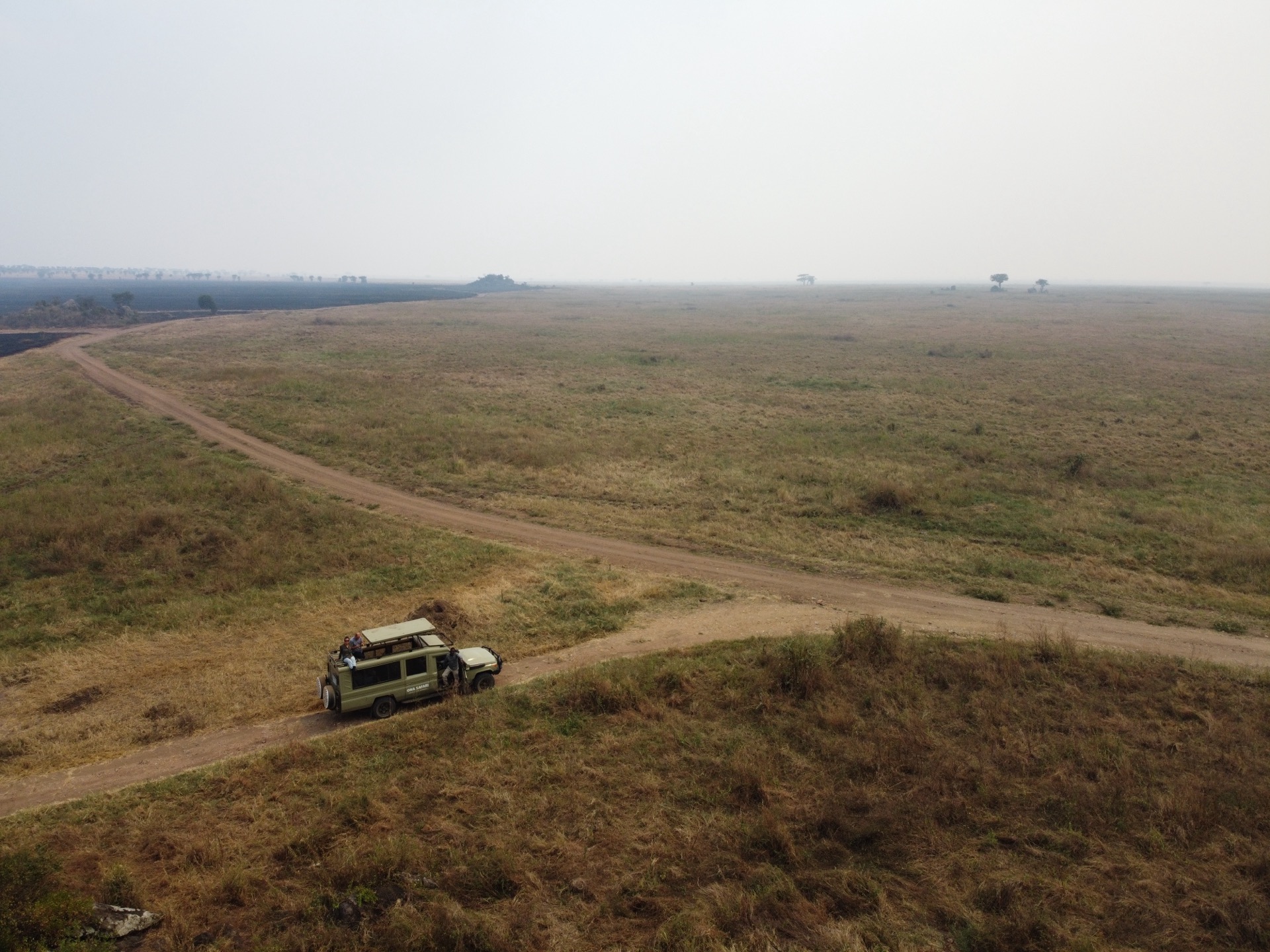
Your guide will use Swahili constantly on a game drive, mostly without translating it, because it’s faster than English and everyone who’s done this before already knows the words. Two pronunciation notes worth having going in: “ny” sounds like the “ny” in canyon, and words starting with “nd” or “mb” carry a soft hum before the consonant rather than a hard stop.
| Swahili | English |
|---|---|
| Simba | Lion |
| Tembo | Elephant |
| Twiga | Giraffe |
| Kiboko | Hippo |
| Faru | Rhino |
| Chui | Leopard |
| Duma | Cheetah |
| Nyati | Buffalo |
| Punda milia | Zebra |
| Swala | Antelope / gazelle |
| Nyani | Baboon |
| Fisi | Hyena |
| Ndege | Bird |
“Simba!” is what you’ll hear shouted over the radio the instant another vehicle spots one — it doesn’t need translating, and you’ll pick it up by day two. “Pole pole” (slowly, slowly) is the phrase your guide uses to bring the vehicle in gently on anything skittish, and it’s worth recognising because it tells you something is about to get close.
“Safari” itself is Swahili before it’s English — a loanword from the Arabic “safar,” meaning journey. “Safari njema” (have a good, safe journey) is what a guide or driver says as you set off, and “Hakuna matata” — no worries — is a genuine everyday phrase here, not just a line from a cartoon. Safari guides use it after a long, animal-free game drive as often as anyone else does.
For everything else to prepare before you’re in that vehicle — vaccinations, packing, and the clothing colours that actually matter for tsetse flies — the pre-departure safari checklist covers it in full; see Tanzania safari preparation. And if Maasai communities are part of your itinerary, a little Swahili goes further there too — Maasai greeting customs and the age-grade system are covered in the Tanzania Maasai guide.
Emergency and health phrases
Nobody wants to need this section, but it’s worth five minutes before you land.
| Swahili | Meaning |
|---|---|
| Nahitaji daktari | I need a doctor |
| Naumwa | I’m in pain / I’m sick |
| Msaada! | Help! |
| Polisi | Police |
| Hospitali iko wapi? | Where is the hospital? |
| Nimepotea | I’m lost |
“Nahitaji daktari” — I need a doctor — is the one phrase on this whole list worth memorising properly, not just recognising. Realistically, in a genuine emergency your lodge, guide, or hotel front desk will handle the actual call. Tanzania’s general emergency number is 112, and a phrase gets you understood in the ninety seconds before that help arrives. Save the number in your phone before you need it, alongside your travel insurer’s line.
Cultural notes: when Swahili is appreciated, when English is fine
Here’s the honest version, because I don’t think the “learn the language, always!” advice some guides give is quite true.
Tanzania lists Swahili and English as its two official languages, and staff at safari lodges, upscale hotels, and Stone Town’s tourist-facing restaurants are confidently fluent in English — you will not struggle to be understood there. Where it changes is anywhere off that specific circuit: a mainland bus station, a rural market, a Zanzibar village a few streets back from a resort beach. English gets noticeably thinner there, and that’s exactly where a handful of Swahili phrases stops being a nice-to-have and starts being the thing that gets you understood at all.
A few situations where Swahili specifically matters, beyond general politeness:
- Photography. Before you photograph someone — especially women, and especially outside a resort — ask first: “Naomba picha?” (May I take a picture?). It turns a request into a genuine exchange instead of a snatched shot.
- Beach vendors. A firm, polite “Hapana, asante” (no, thank you) — or “Asante, siku nyingine” (thanks, another day) — closes a conversation with a persistent seller far more cleanly than an English “no” repeated louder.
- Markets and villages away from the tourist strip. Basic Swahili is genuinely useful here, not decorative, once you’re a few streets back from anywhere with a dive shop.
One small, specific thing I love about how language shows up here: the kanga — the printed cotton cloth Zanzibari women wear constantly — almost always carries a Swahili proverb or saying printed across its border, chosen to say something the wearer wants said without saying it out loud. You don’t need to read Swahili to notice this. Once you can read even a few words, market stalls, kanga borders, and shop signs stop being background noise and start being text.
Getting a word wrong is not the failure mode here. Not trying is. I’ve watched Tanzanians and Zanzibaris respond to a badly pronounced “Habari?” with warmth, a correction, and usually a laugh — and respond to silence, or a raised voice in English, with the polite but noticeably cooler service every tourist eventually recognises without being able to name it.
For Zanzibar’s dress code and photography etiquette specifically — where the same ask-first principle applies to cameras as much as to greetings — see the Zanzibar culture guide.
Frequently asked questions
Do I need to speak Swahili to travel in Tanzania and Zanzibar?
No. English is one of Tanzania's two official languages, and staff at safari lodges, upscale hotels, and Stone Town's tourist restaurants are confidently fluent in it. Learning even 10 Swahili phrases changes how markets, villages, and rural encounters go, but it is genuinely optional at any tourist-facing property.
What's the single most useful Swahili greeting for tourists?
'Habari?' (how are you? / what's new?), answered with 'Nzuri' (good). It's what Tanzanians actually say to each other — unlike 'Jambo,' which is understood everywhere but marks you instantly as a tourist who knows exactly one word.
How do I bargain politely in a Zanzibar or Tanzania market?
Greet the vendor first, then ask 'Bei gani?' (how much?). If the price feels high, 'Punguza bei tafadhali' (please reduce the price) is the standard ask, and 'Ni bei ya mwisho?' (is that your final price?) signals you're close to agreeing.
What Swahili words will I hear on a safari game drive?
'Simba!' (lion) gets called out over the radio the moment another vehicle spots one, and 'pole pole' (slowly, slowly) is what your guide says while easing the vehicle toward anything skittish. 'Twiga' (giraffe), 'Tembo' (elephant), and 'Chui' (leopard) come up constantly too — most visitors pick up a dozen animal names within two days.
How do you say thank you and please in Swahili?
'Asante' is thank you, and 'Asante sana' is thank you very much. 'Tafadhali' is please — use it whenever you ask for anything, since Swahili politeness leans on greeting and please more heavily than English does.
What's the polite way to refuse a persistent street vendor in Swahili?
A firm 'Hapana, asante' (no, thank you) works in most situations, and 'Asante, siku nyingine' (thanks, another day) is a softer version that closes the conversation without an outright no. Both work better than repeating 'no' louder in English, which tends to prolong the interaction rather than end it.
Is it rude to try Swahili and get the pronunciation wrong?
No — the opposite. Tanzanians and Zanzibaris consistently respond to an imperfect 'Habari?' or 'Asante' with warmth and a gentle correction, not offence. Not attempting any Swahili at all is what actually reads as distant.
What Swahili phrase should I know for a medical emergency?
'Nahitaji daktari' means 'I need a doctor' and is worth memorising properly rather than just recognising. In a real emergency, Tanzania's general number is 112 — save it, along with your lodge's front desk and your travel insurer's line, before you need any of them.