
Facts & prices checked: 2026-06-25
Why etiquette matters in Tanzania
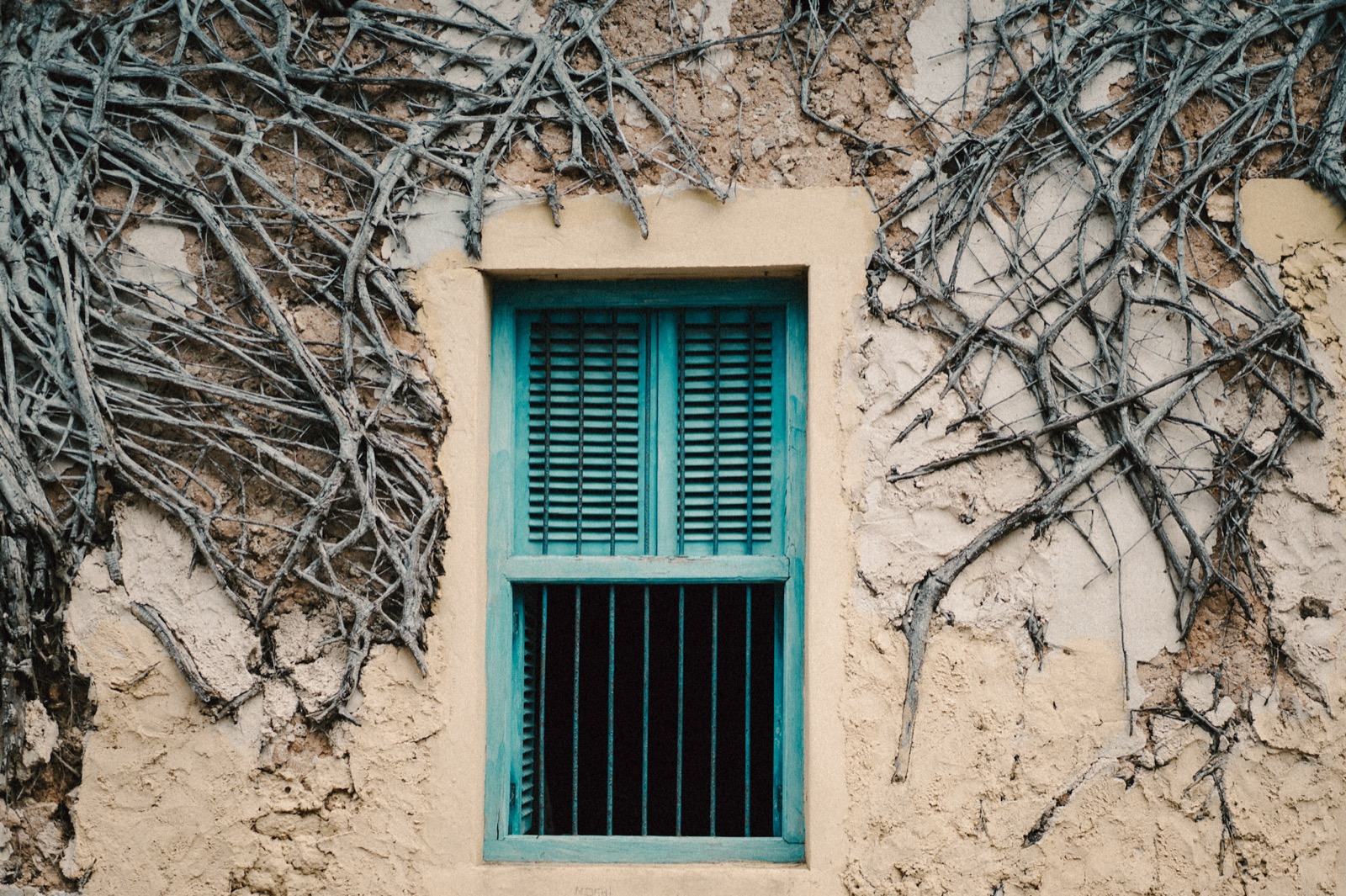
Tanzania is not a culturally uniform country. It is a layered place: Arabic trade routes meeting Bantu traditions meeting Indian Ocean commerce meeting British colonialism meeting, on the coast and especially on Zanzibar, one of East Africa’s oldest and deepest Islamic cultures. Stone Town was inscribed on the UNESCO World Heritage List in 2000 as an outstanding example of a Swahili coastal trading town — seven centuries of influence are baked into the architecture, the food, the greetings, and the social norms visitors walk into.
That cultural depth means etiquette is not a checkbox. It is the difference between a transactional experience and a genuine one. Travelers who get this right — who greet before they transact, who dress for context, who ask before they photograph — have a fundamentally different experience of Tanzania than those who don’t. The difference is not subtle.
This guide is practical, not preachy. It covers what you need to know to act respectfully and have better interactions, from the greetings that matter most to the legal realities that demand honesty.
The greeting: the most underrated tip
Every experienced Tanzania traveler eventually says some version of this: the greeting is everything.
“Jambo” is what souvenir shops put on keychains. It is a simplified tourism greeting, recognizable to most Tanzanians but not how locals greet each other. Using it marks you as a tourist who knows one word. It will still get a smile, but it will not open any doors.
The everyday greeting is “Habari yako?” (How are you?). The standard response is “Nzuri” (fine/good). In the morning: “Habari za asubuhi?” The handshake is normal, often extended with the left hand supporting the right wrist — a physical marker of respect.
For elders, the greeting is “Shikamoo” — literally “I hold your feet,” meaning “I respect you.” The elder responds “Marahaba” (“I accept your respect”). This exchange is culturally meaningful and Tanzanians notice when a visitor attempts it, even imperfectly. It is not a performance; it is a real gesture.
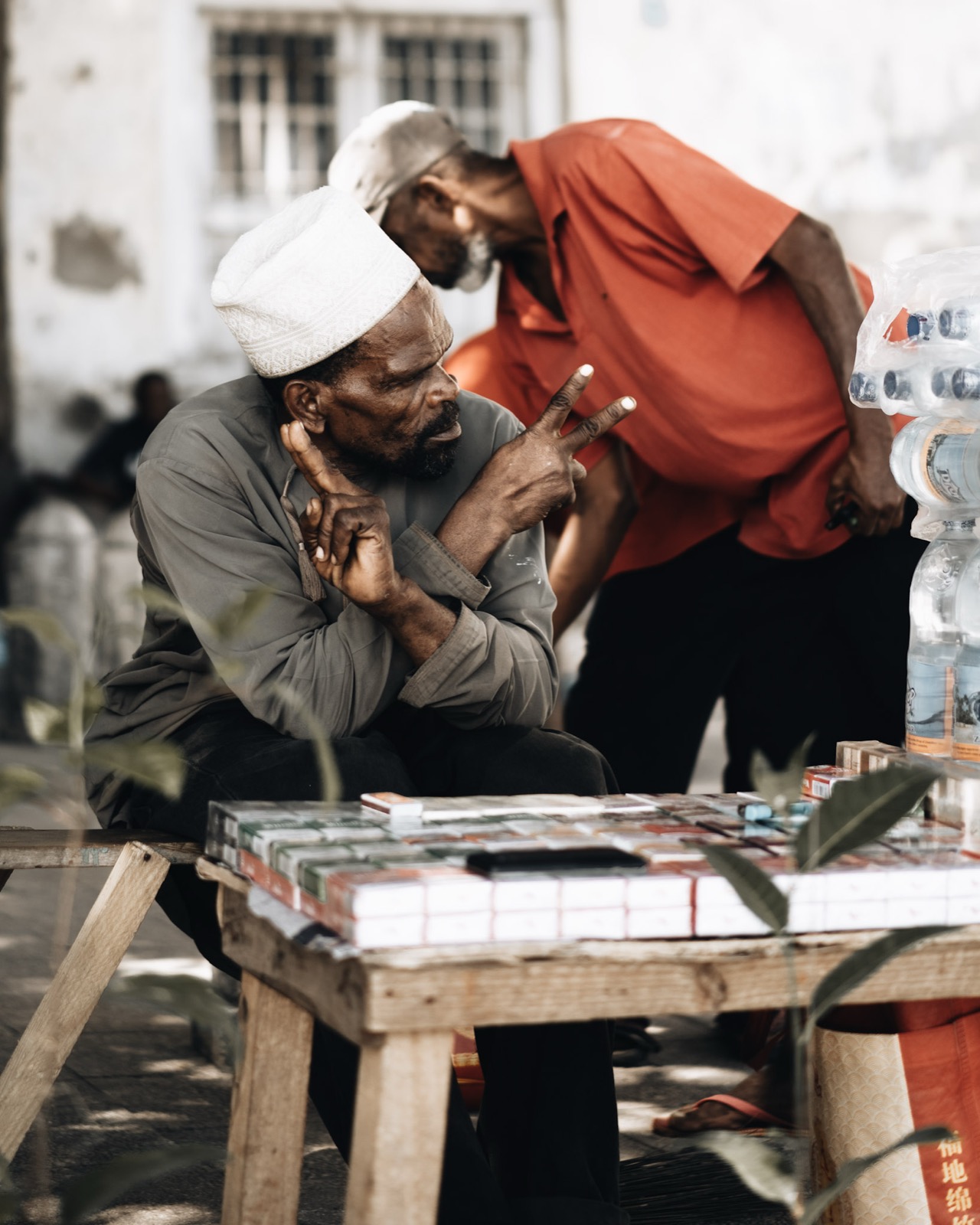
The structural rule — and this is important — is that you greet before you do anything else. Before you ask a price, before you ask for directions, before you start negotiating. Launching into a transaction without a greeting is considered abrupt to the point of rudeness. Taking 30 seconds to say “Habari yako?” before “how much is this?” changes the entire interaction.
I have watched this happen at market stalls hundreds of times. The visitor who greets first, even haltingly, gets a completely different transaction than the one who points and says “how much?” The greeting is not politeness on top of the deal. It is the beginning of the deal. In Tanzania, “Karibu” (welcome) is the word you hear most — because hospitality is genuinely valued, and it responds to a visitor who meets it halfway.
Religion: Islam and daily life
Tanzania’s religious makeup varies dramatically by region. The mainland is roughly 35–40% Muslim and 30–35% Christian, with the remainder following traditional beliefs. Zanzibar is over 99% Muslim.
This matters practically, not just culturally. The call to prayer (adhaan) sounds five times daily: at dawn (Fajr), midday (Dhuhr), afternoon (Asr), sunset (Maghrib), and night (Isha). In Stone Town and coastal villages, this is audible and pervasive. It is not background noise — it is the rhythm of the day for the majority of the local population.
Friday is the holy day. Many businesses in Stone Town and smaller Zanzibar towns operate reduced hours on Friday or close for Friday prayer around midday. Plan accordingly if you need services.
Ramadan is the month-long fast from dawn to sunset. The date shifts approximately 11 days earlier each year. During Ramadan, eating, drinking, or smoking in public in Muslim areas during daylight hours is disrespectful. Many local restaurants will have limited daytime service. Alcohol is served more discreetly. Visitors are not expected to fast, but awareness and discretion are appropriate. The pace of life slows noticeably, and the evenings after iftar (breaking the fast) are lively.
Dress codes
The rule is simple: dress for context, not just comfort.
Beach resorts and resort beaches: Normal Western beach attire is appropriate — swimwear, shorts, vests. This is the zone where resort culture applies.
Stone Town and Zanzibar’s local areas: Cover shoulders and knees for both men and women. This is not a suggestion — Zanzibar is a conservative Muslim community, and revealing clothing in the bazaars and residential streets of the old town is genuinely disrespectful. Do not walk from the beach into Stone Town in swimwear. Keep a light cover-up or pareo in your bag.
Mainland cities (Arusha, Dar es Salaam): Western dress is normal in tourist hotels and restaurants. Modest dress — covered shoulders, knee-length or longer — is appropriate when moving through local markets, bus stations, or residential areas, even if it is not strictly enforced.
Churches and mosques: Covered shoulders and knees for all visitors regardless of gender. Remove shoes before entering a mosque — this is mandatory, not optional.
National parks: No enforced dress code, but neutral or earth-toned clothing is practical. Bright colours do not disturb wildlife in most contexts, but they are less useful for observation.
Photography rules
The rule in Tanzania: ask before you photograph people. The vast majority of Tanzanians will agree — often enthusiastically — when you ask with a smile and a gesture. The question matters more than the answer.
Payment for Maasai photography is the norm at tourist sites near Ngorongoro, Lake Manyara, and Arusha. USD 1–5 per photo or for a brief session is typical. This is not a scam; it is a livelihood. Respect it, agree the amount beforehand, and do not start shooting and then dispute the fee afterward.
What you cannot photograph, under any circumstances: Police, military personnel, government buildings, airports, ports, and border infrastructure. This is Tanzanian law. Photography of these subjects can result in equipment confiscation, detention, and significant legal complications. The rule is enforced.
Drones require a permit from the Tanzania Civil Aviation Authority (TCAA) before operation. Flying without a permit risks confiscation of the equipment. If you are bringing a drone for safari photography, research the permit process in advance of travel.
Children: Always ask parents or guardians before photographing children. This applies everywhere but particularly in local villages and markets.
Bargaining: the social ritual
Bargaining is a normal and expected part of commerce at open-air markets, craft stalls, roadside vendors, and with unmetered or informal transport. It is not appropriate at supermarkets, hotel restaurants, fixed-price tour operators, or registered taxi services.
Starting at 50–60% of the asking price and working toward a midpoint is the typical pattern. The vendor knows this pattern as well as you do — it is not a battle.
Two rules that matter:
First: Bargaining signals intent to buy. If you are not interested in purchasing something, do not start negotiating the price. Beginning a bargaining exchange and then walking away after agreeing on a figure is considered genuinely bad form — not just awkward, but disrespectful. Only bargain when you mean it.
Second: The interaction is social. A vendor you have laughed with will do better by you than one you have been combative with. The best market transactions in Tanzania are not the ones where someone felt they “won” — they are the ones where both sides parted pleased.
The practical approach: greet first, show genuine interest in the item, make a reasonable opening offer, expect a counter, find a middle ground, and complete the transaction. If you cannot reach a price you are comfortable with, decline politely and move on.
LGBTQ+ travel: the legal reality
This section requires directness because travelers need accurate information.
On mainland Tanzania, same-sex sexual activity is illegal. Penalties can reach 30 years in prison under Tanzanian law. This is an active legal framework, not a dormant statute.
On Zanzibar, the legal code is separate. Same-sex sexual activity between men falls under the “unnatural offences” provision, which carries penalties of up to 14 years in prison. “Acts of lesbianism” and gross indecency are separately named offences, carrying up to 5 years in prison or a fine of TSh 500,000.
There are no openly LGBTQ+ venues in Tanzania or Zanzibar. There are no Pride events. The US State Department issued a Level 3 travel advisory for Tanzania (from October 2025) that explicitly cited risks for LGBTQ+ travelers and advised against public displays of affection between same-sex couples.
Some operators suggest that gay travelers who are discreet are “generally left to do as they please.” This may be true in practice in some contexts. It does not change the legal framework. Public displays of affection between same-sex couples carry genuine legal risk.
LGBTQ+ travelers should research current conditions carefully, consult their government’s official travel advice, and make their own informed decision about travel to Tanzania and Zanzibar.
Gender, women travelers, and Maasai visits
Solo female travelers are generally safe in Tanzania, and many women travel the country solo without significant difficulty. The most common form of unwanted attention is verbal — persistent approaches at tourist sites, markets, and beaches — rather than physical. This can be exhausting in aggregate even when it is not dangerous individually.
In conservative Muslim areas like Stone Town, modest dress significantly reduces unsolicited attention. A polite firm decline in Swahili — “Asante, hapana” (thank you, no) — works in most situations. Walking with purpose and avoiding prolonged engagement with street approaches is the standard calibration.
Maasai cultural visits near Ngorongoro, Lake Manyara, and the Arusha region are primarily commercial experiences. Entering a boma (village), watching traditional dances, buying jewelry — these are scripted for tourism and provide a community livelihood. This is not inherently inauthentic; it is a pragmatic adaptation to the fact that tourism is the local economy.
Tanzania’s Maasai are the most recognizable cultural encounter on a northern circuit safari — but their culture goes well beyond the jumping dance. The full guide to Maasai traditions covers the age-grade system, the cattle cosmology that underpins Maasai identity, beadwork colour meanings, what a village visit actually involves, and how to tell an authentic encounter from a staged one.
The practical approach: agree the entrance fee before entering (USD 20–50 per person is typical for a full boma visit), understand that photography carries a separate fee, and treat the interaction with the same respect you would any cultural exchange. The Maasai community members you meet in tourist areas are individuals, not exhibits. The Maasai you meet at a Ngorongoro roadside stall are not representative of all Maasai life — most of Tanzania’s Maasai population live as pastoral herders across the Arusha and Manyara regions far from tourist infrastructure.
Food, conservation, and tipping overview
Eating customs: Eating with the right hand is traditional across Tanzania — the left hand is considered unclean in Islamic tradition and is avoided for food and greetings. Most food in Zanzibar is halal; pork is rarely served outside tourist hotels on the islands or in Muslim areas of the mainland. Being offered food or drink as a guest is a hospitality gesture — accepting is polite; declining without explanation can seem abrupt.
Ugali (maize porridge), pilau rice, biryani, and nyama choma (grilled meat) are staples across the country. Trying local food is always well received. On Zanzibar, the spice and Indian Ocean influence produces some of the best street food in East Africa — Forodhani Gardens Night Market in Stone Town runs from 18:00 to 21:00 and is the best single place to experience it.
Wildlife products: Do not buy ivory, turtle shell products, coral, or live animals — all are illegal in Tanzania and will be confiscated at borders. The rule covers souvenirs as well as materials; enforcement at international departure is real.
On the reef: Do not touch coral when snorkelling. Even minimal contact causes damage that takes decades to repair. Keep fins clear of the reef surface.
Tipping overview: Safari guide USD 20–25 per vehicle per day; driver USD 5–10 per transfer; Zanzibar hotel staff USD 10–20 per guest for a week’s stay at a boutique property; restaurant 10% where no service charge is included. For the complete breakdown with Kilimanjaro porter norms, camp staff etiquette, and the psychology of tipping in Tanzania, see the full Tanzania tipping guide.
Understanding local customs transforms any experience in Tanzania. For the solo Zanzibar context specifically — how dress codes play out day-to-day, what unwanted attention actually looks like, and how to navigate Stone Town independently — see the Zanzibar solo travel guide.
Gombe Stream National Park is where Jane Goodall began her landmark chimpanzee research in 1960 — and where the line between human and animal behaviour was permanently revised. For a complete guide to both Gombe and Mahale Mountains, permits, and the differences between Tanzania’s chimp parks, see the Tanzania chimpanzees guide.
Tanzania’s cultural depth extends far beyond its contemporary communities into the prehistoric record. The Ngorongoro Conservation Area contains Olduvai Gorge — where 2 million years of hominid fossil layers record the story of our earliest ancestors — and the Laetoli footprints, the oldest confirmed evidence of upright walking at 3.66 million years old. For travelers interested in human origins, the Olduvai Gorge guide covers what to see and how it connects to a Serengeti/Ngorongoro itinerary.
Volunteers staying long-term need a deeper understanding of Tanzanian cultural norms — the guides above cover dress codes, greetings, tipping, LGBTQ+ considerations, and the rules that make long-stay guests welcome rather than intrusive. Planning a volunteer stay? The Tanzania volunteering guide covers conservation, marine, and community programs with minimum duration requirements and how to spot the ethical programs from the voluntourism products.
Tanzania’s cultural encounters go well beyond surface-level introductions. The Tanzania cultural experiences guide covers the full picture: Hadzabe (Hadza) morning visits near Lake Eyasi (East Africa’s last hunter-gatherers, Hadzane click-consonant language, fire-making, bow hunting — 2–4 hours), Datoga metalworkers (brass jewelry from spent cartridges using a bellows forge), Maasai enkang visits done properly (Monduli Juu and Loliondo vs. NCA highway stops), Chagga agricultural visits on Kilimanjaro (mifereji irrigation, cave system, coffee farms), and Makonde carving (shetani and ujamaa forms in ebony from Newala). Includes responsible tourism framework: community fee percentages, photography consent, and visitor conduct.
The Zanzibar travel tips guide covers the full practical brief for island visits: eVisa and ZIC insurance, money, SIM cards, tides, and more.
Frequently asked questions
What should I know about greetings in Tanzania?
Greetings matter more in Tanzanian culture than in most Western contexts. 'Jambo' is a tourist greeting that locals rarely use with each other. More respectful alternatives: 'Habari yako?' (How are you? → Nzuri, I'm fine) or 'Habari za asubuhi?' (morning). For elders, 'Shikamoo' (I respect you) draws a genuine 'Marahaba' response. Taking time to greet before shopping or asking questions is important — launching straight into a transaction is considered rude. Trying the Swahili greeting and getting it slightly wrong is received far better than not trying.
What should I wear in Tanzania and Zanzibar?
Rules vary by location. At beach resorts: normal beach attire. In Stone Town: cover shoulders and knees — Zanzibar is a conservative Islamic community and revealing clothing is genuinely disrespectful, not just frowned upon. In mainland Tanzanian cities (Arusha, Dar es Salaam): Western dress is normal in tourist areas, modest dress shows respect in local markets. In national parks: no rules, but neutral colours attract less wildlife disturbance than bright colours. Churches and mosques: covered shoulders and knees; remove shoes at mosque entrance.
Can I photograph people in Tanzania?
Only after asking permission. Many Tanzanians will say yes and be happy — a smile and gesture toward your camera is usually enough. Some, particularly Maasai at tourist sites, will expect a small payment (USD 1–5 is typical). Never photograph police, military personnel, government buildings, airports, ports, or border crossings — this is illegal in Tanzania and can result in equipment confiscation or detention. Drones require a permit from Tanzania Civil Aviation Authority (TCAA); flying without one risks confiscation. Always ask before photographing children.
Is Tanzania safe for LGBTQ+ travelers?
Tanzania presents serious legal risk for LGBTQ+ travelers. Same-sex sexual activity is illegal on mainland Tanzania with penalties of up to 30 years to life in prison. Zanzibar has a separate legal code: 'unnatural offences,' the provision primarily applied to men, carries up to 14 years; 'acts of lesbianism' and gross indecency carry up to 5 years or a fine of TSh 500,000. There are no openly LGBTQ+ venues and no Pride events. Public displays of affection between same-sex couples carry genuine legal risk. This is not social conservatism only — it is active law enforcement. LGBTQ+ travelers should research current conditions carefully before booking.
How does bargaining work in Tanzania?
Bargaining is normal in open-air markets, craft stalls, and with unmetered transport. Not appropriate at supermarkets, hotel restaurants, or registered taxi services. A starting offer at 50–60% of the asking price, working toward a middle point, is typical. One important rule: if you start bargaining, you are signalling intent to buy. Walking away after agreeing on a price is considered disrespectful. Do not treat bargaining as combat — it is a social ritual. The vendor who laughs with you gives you a better deal than the one you've argued with.
What should I know about visiting Maasai communities in Tanzania?
Maasai cultural visits near tourist sites (Ngorongoro, Lake Manyara, Arusha area) are primarily commercial enterprises. This is not inherently bad — it is a community livelihood. Agree the entrance fee (typically USD 20–50 per person for a boma visit) before entering. Ask before photographing; expect a separate payment. The Maasai you meet in tourist areas are not representative of all Maasai culture across Arusha and Manyara regions, where traditional pastoral life continues away from tourist infrastructure. Treat the visit respectfully — the cultural exchange is genuine even when it's also commercial.