
Facts & prices checked: 2026-06-25
Zanzibar is approximately 99% Muslim, and the island’s cultural norms reflect a layered history of Swahili, Omani Arab, Indian, and Persian influence that spans more than 1,200 years of Indian Ocean trade. Understanding that history — even briefly — makes the culture feel coherent rather than a set of arbitrary rules to navigate around.
The most common friction between visitors and Zanzibari hosts is not malicious. It is almost always dress code: someone walking through Darajani market in a bikini top, or a couple eating on a restaurant terrace while visibly drinking during Ramadan, without realising the context they are in. The fix is almost always simple. This guide gives you the full picture so you spend your energy on the island rather than on avoidable awkwardness.
The cultural history behind what you see
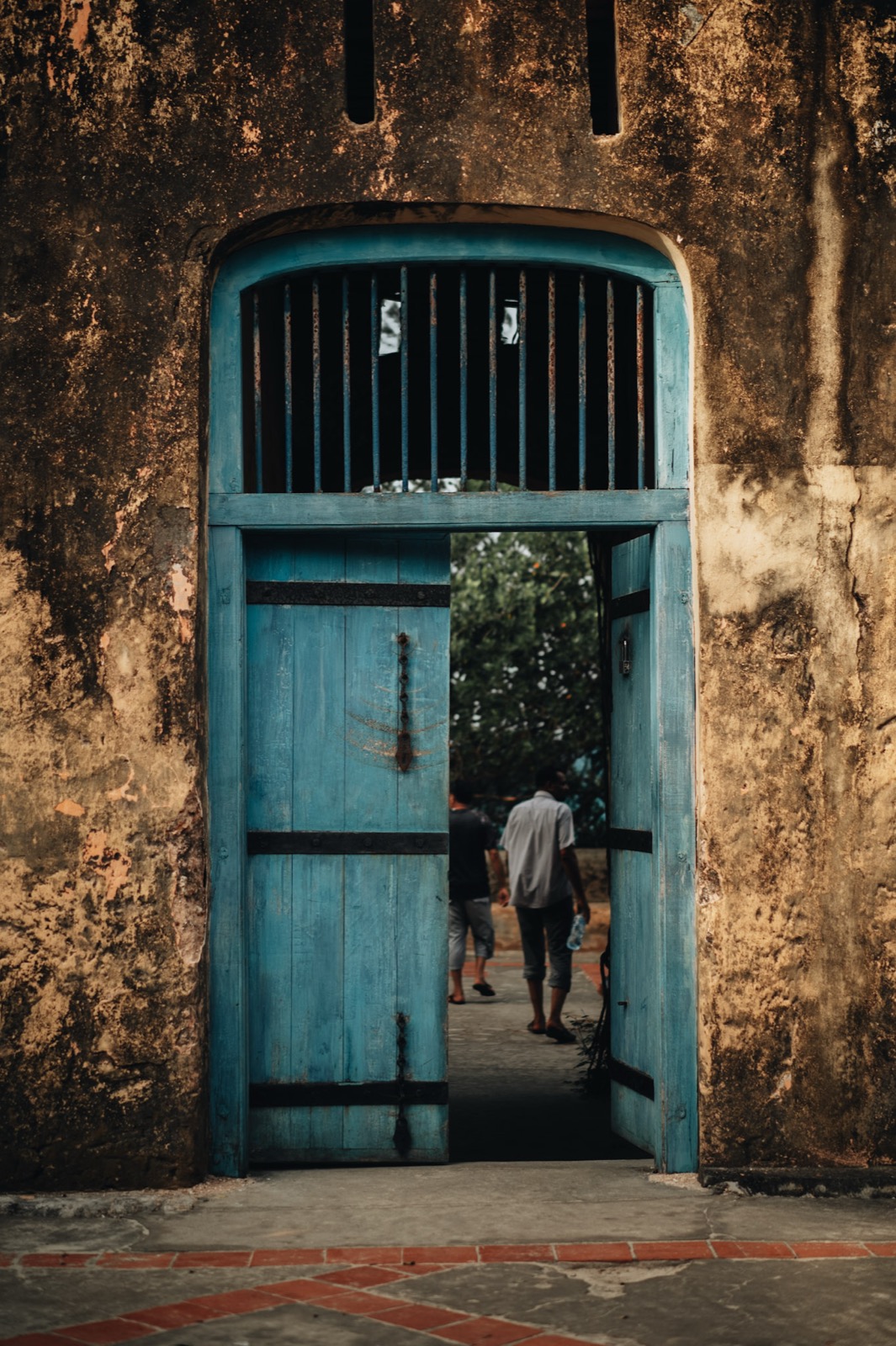
The Omani Sultanate ruled Zanzibar from 1698. By the 19th century, Zanzibar was the most important trading port in the western Indian Ocean — a hub for cloves (introduced around 1812–1818), ivory, and, most darkly, enslaved people. The carved wooden doors you see throughout Stone Town are a direct expression of this mercantile cosmopolitanism: Omani doors feature a characteristic pointed arch, Indian doors are studded with brass bosses (originally to deter elephant attack), and Swahili doors blend both traditions.
In 1948, about 56% of Zanzibar’s population reported Shirazi ancestry — descended from Persian settlers who arrived on the coast centuries earlier. The annual Mwaka Kogwa festival in Makunduchi (the Shirazi New Year celebration) is a direct survival of this Persian heritage, still observed each July.
The 1964 revolution fundamentally changed the social structure. The uprising against Arab and Indian landowners resulted in the Sultan’s Palace being renamed the People’s Palace and triggered a major demographic reorganisation of the islands. The conservative Islamic culture visitors encounter today predates the revolution and has remained stable through it.
The Kizimkazi Mosque on the south coast contains a Kufic inscription dated to 1107 CE — making it the oldest known Islamic inscription on the East African coast. Stone Town’s prominent buildings were built successively by the Portuguese, the Omani, and the British, each adding a layer to the architecture you walk through.
Dress code — the most important practical rule
This is the most immediately relevant guidance for nearly every visitor, because the beach and the town have different rules and they are often only minutes apart.
In town: Stone Town, markets, mosques, villages
- Women: Cover shoulders, upper arms, and knees. Loose clothing is more comfortable in the heat and more respectful in context. A light cotton shawl or scarf carried in your bag handles almost any transition from beach to town — put it on when you leave the resort area and take it off when you return
- Men: T-shirts are fine in markets and streets. Shorts are acceptable in tourist restaurants. A long linen trouser is a better choice if you are visiting villages or spending time in areas away from tourist infrastructure. At mosques specifically: shirt on, and long trousers or equivalent
- At mosques: Remove shoes before entering. Ask permission before entering any mosque — non-Muslims can visit some with consent, but this must be sought. Avoid visiting at prayer times unless you are praying
On the beach
Swimwear is accepted at resort beaches — Nungwi, Kendwa, Paje, Jambiani, Matemwe. Zanzibari resort culture has accommodated tourism for decades and beach dress is understood. Topless sunbathing is not acceptable anywhere on Zanzibar, including at private resort beaches.
The transition point
The most common friction point is the walk from a beach area through a village or to a market. A beach wrap (pareo) or light shirt resolves it immediately. Carrying one means you never have to think about it.
Religion and what changes for visitors
Five daily prayers
The adhan — the call to prayer — sounds five times daily from Stone Town’s minarets. It is one of the most distinctive sounds of the island. Some local shops and services close briefly during prayers, particularly around Friday Zuhr (midday prayer). Tourist areas and restaurants are generally unaffected.
Ramadan
The pace and character of the whole island shifts during Ramadan. Muslim residents fast from before sunrise to sunset — no eating, drinking, or smoking during daylight hours.
What this means for visitors:
- Eating, drinking, or smoking visibly in the street or near mosques during daytime is considered offensive and disrespectful — not illegal for tourists, but genuinely not acceptable
- Tourist-facing restaurants in resort areas accommodate visitors and will serve food; local restaurants will often be closed during the day
- Alcohol is available at hotels and tourist restaurants but public drinking is particularly ill-timed during Ramadan
What makes it worth experiencing: After dark at Iftar, Stone Town becomes a food festival. Forodhani Gardens fills with stalls, families come out, and the energy is genuine. It is one of the best atmospheres on the island if you are there at the right moment.
Ramadan moves approximately 11 days earlier each year — check the dates before you travel if you want to plan around it, or plan to experience it.
Friday
Friday is the main Islamic prayer day. Stone Town is noticeably quieter on Friday morning. Many local businesses close around the late morning for Jumaa prayers. The Friday Mosque (Ijumaa Mosque) gets especially busy. If you are walking around Stone Town on a Friday morning, you will notice the rhythm is different — quieter streets, more people in traditional dress heading to prayer. By early afternoon the city comes back to life.
Basic Swahili — the handful of words that change everything
Zanzibaris speak Swahili as a first language (it originated on this coast), and a few words go a long way:
- Habari (HAH-bah-ree): “How are you?” — the most common general greeting. More local than Jambo
- Nzuri (N-zoo-ree): “Good/fine” — the standard response to Habari
- Asante (ah-SAN-teh): Thank you. Use this constantly
- Karibu (kah-REE-boo): Welcome, you’re welcome, come in. Zanzibaris say it constantly and mean it
- Jambo: Tourist-facing hello — most locals use Habari with each other, but Jambo is universally understood
- Salaam Aleikum: The Islamic greeting; respond Aleikum Salaam
- Pole pole (POH-leh POH-leh): Slowly/slowly — the Swahili philosophy of not rushing. The phrase is also used to express sympathy
Greet with the right hand — in Swahili culture the left hand is considered unclean. The same applies when passing money or receiving change.
Seven words won’t get you through a Darajani bargaining session or a game drive, though. For market bargaining phrases, the numbers you’ll need for prices, and the words safari guides shout on a game drive, see safari vocabulary, market phrases, and the rest of the Swahili phrasebook.
Photography etiquette
- Always ask before photographing people, particularly women, people at prayer, or anyone in a clearly private moment. A smile and a gesture toward your camera is enough to ask
- In markets, photography of goods and atmosphere is generally fine, but individual traders should be asked in their own stalls
- Children often pose willingly — check that parents or nearby adults are comfortable before you shoot
- Stone Town’s alleys, carved doors, and architecture are among the most photographed subjects in East Africa. No permission is needed for architectural shots
- The Old Slave Market site (Christ Church Cathedral / Anglican Cathedral) has an exhibition on the former slave trade. Entry and photography fees apply — approximately USD 5 covers both the cathedral and the historical underground chambers, including a guide
- Avoid visibly carrying an expensive camera bag through crowded Stone Town lanes — keep gear low-key
Tipping norms
Tipping is not mandatory in Tanzania and Zanzibar, but it is expected and appreciated at tourist-facing businesses:
- Restaurants: 10% if service is not included, at tourist restaurants. Not expected at local spots
- Hotel staff: USD 1–2 per day for housekeeping and porters
- Safari guides and drivers: USD 20–25 per vehicle per day depending on quality and duration
- Tour guides (spice tours, walking tours, day trips): USD 5–10 for a group, more for longer or highly personalised tours
- Tuk-tuk and taxi drivers: Rounding up is appreciated, not required
The standard advice: tip in cash directly to the person, not via a box if you want to ensure it reaches them.
Alcohol
Alcohol is available throughout Zanzibar at tourist-facing restaurants, bars, and hotel properties. It is not stocked in local markets, small corner shops, or anywhere oriented primarily to local residents.
The practical rule: drink where it is being served to you. Restaurants, hotel bars, beach bars — all fine. Walking along Stone Town streets with an open beer, sitting on a doorstep drinking near a mosque — not fine.
During Ramadan, this applies with more force. Alcohol is still served at hotels and tourist restaurants, but visible public drinking during daylight is especially ill-timed.
LGBTQ+ travellers
Same-sex sexual activity is criminalised in Tanzania, which includes Zanzibar under the Zanzibar Penal Act. The penalties are not uniform: the “unnatural offences” provision, primarily applied to men, carries up to 14 years imprisonment; “acts of lesbianism” and gross indecency carry up to 5 years or a fine of TSh 500,000. All major travel advisory services — UK FCDO, US State Department, Expert Africa — advise LGBTQ+ travellers to exercise considerable discretion.
Many visitors and expats live openly in resort areas without encountering enforcement. But overt visibility in local communities, near religious sites, or on dating apps carries real risk. The practical advice is consistent across sources: avoid public displays of affection, avoid dating apps, avoid identifying as LGBTQ+ to strangers.
Opposite-sex couples should also be aware that public displays of affection in non-resort settings — kissing, close physical contact — are culturally uncommon and attract attention in Stone Town and village settings.
Cultural festivals worth timing a visit around
Sauti za Busara (Swahili Music Festival)
Annual festival of Swahili and East African music, traditionally held at the Old Arab Fort in Stone Town — though the 2026 edition (23rd, 5–8 February) ran entirely at the Mnazi Mmoja Grounds instead, since the Fort has been closed for renovation since around January 2026 with no confirmed reopening date. One of the best music events in East Africa. The 2027 edition is scheduled for 19–21 March 2027 (dates moved from the originally planned 11–14 March); check the current venue before booking around it. If you are in Zanzibar around this time and have any interest in music, do not miss it.
Zanzibar International Film Festival (ZIFF / Festival of the Dhow Countries)
Annual film, music, and arts festival in Stone Town, usually held in June. Founded in 1997, the festival focuses on cinema and arts from the Indian Ocean world — East Africa, South Asia, the Gulf. A week of screenings, concerts, and cultural events.
Mwaka Kogwa (Shirazi New Year)
The ancient Persian New Year celebration observed by communities descended from Shirazi settlers on the south coast of Zanzibar, in Makunduchi village. Held each July, most years around 23–24 July — the exact date shifts with the Persian solar calendar, so confirm it locally as your trip approaches. The ritual includes a symbolic conflict — men strike each other with banana leaves to symbolically drive out the previous year’s bad luck — followed by singing, dancing, and celebration. It is genuinely unlike anything else on the island.
What I’ve noticed after multiple trips
The most common friction I see between Zanzibari hosts and Western visitors is dress code — and it is almost never intentional disrespect. It is just ignorance of context.
A woman walking through Darajani market in a bikini top is not going to be arrested. She is going to cause visible discomfort to traders who are trying to run a business in a conservative Muslim community that has been receiving tourists for decades and simply asks that the basic terms of the space are respected.
The solution is genuinely easy: carry a lightweight shawl. It weighs nothing, costs less than USD 5 at any market, and removes the issue entirely.
The Zanzibari hospitality is real. The Karibu (welcome) you hear constantly is not a performance — it reflects a culture that places genuine value on hosting guests. Matching it with basic consideration for the context it comes from is the only thing asked in return.
Also on this topic: The Zanzibar history guide covers the Omani Sultanate, the clove economy, the slave trade, and the 1964 revolution in depth. The half-day Stone Town plan has the practical itinerary for getting the most out of a day in town. For a breakdown of costs and what to budget — including tipping expectations across activities — see the Zanzibar budget guide. For cultural events and festival dates across the year, see the Zanzibar festivals guide.
Frequently asked questions
What should I wear in Stone Town?
In Stone Town and any market, village, or mosque, both men and women should cover shoulders and knees. Women are best served by a loose cotton top and light trousers or a long skirt. A thin shawl in your bag handles almost any situation — throw it on when leaving a beach area and walking into a village or market. At resort beaches (Nungwi, Kendwa, Paje), swimwear is accepted. Topless sunbathing is not acceptable anywhere on Zanzibar.
Can I drink alcohol in Zanzibar?
Yes — alcohol is served at tourist-facing restaurants, bars, and hotels across Zanzibar and is widely available at resorts. It is not sold in local markets or small shops, and drinking openly in Stone Town streets or near mosques is not acceptable. The practical rule is simple: drink where it is being served to you, not in public. During Ramadan, drinking alcohol visibly in public during daylight hours is especially disrespectful.
What is Ramadan like in Zanzibar?
The entire rhythm of the island shifts during Ramadan. Local eateries close during daylight hours and the pace slows noticeably. Eating, drinking, and smoking in public in the street or near mosques during daylight hours is considered offensive — tourist restaurants accommodate visitors, but be discreet. After dark at Iftar, Stone Town becomes a food festival: Forodhani Gardens fills with stalls and the atmosphere is one of the best experiences on the island if you happen to be visiting then. Ramadan moves approximately 11 days earlier each year.
Is Zanzibar safe for solo female travellers?
Yes, with one key qualifier: dress conservatively when not on a resort beach. Covering shoulders and avoiding tight clothing in Stone Town, markets, and villages prevents almost all the friction solo women report. On the beach, standard swimwear is fine. At night, use taxis or tuk-tuks rather than walking alone in Stone Town. Most solo female travellers report Zanzibar as welcoming and easy to navigate with basic cultural awareness.
Is it safe to be LGBTQ+ in Zanzibar?
Same-sex sexual activity is criminalised in Tanzania, which includes Zanzibar, under the Zanzibar Penal Act. The penalties differ by provision: 'unnatural offences' (the provision primarily applied to men) carries up to 14 years imprisonment; 'acts of lesbianism' and gross indecency carry up to 5 years or a fine of TSh 500,000. Many visitors and expats live openly in resort areas without incident, but overt visibility in local communities or near religious sites carries real risk. All travel advisories recommend exercising considerable discretion — avoid public displays of affection, dating apps, and identifying as LGBTQ+ to strangers.
Can non-Muslims visit mosques in Zanzibar?
Some mosques allow non-Muslim visitors with advance permission — always ask, never assume. Remove shoes before entering any mosque or religious site. The most visited is the Old Arab Fort, which is not a mosque but an Omani-built fortification open to visitors. The Friday Mosque (Ijumaa Mosque) gets especially busy on Fridays when the faithful gather for Jumaa prayers — avoid visiting mosques at prayer times unless you are a worshipper.