
Facts & prices checked: 2026-06-25
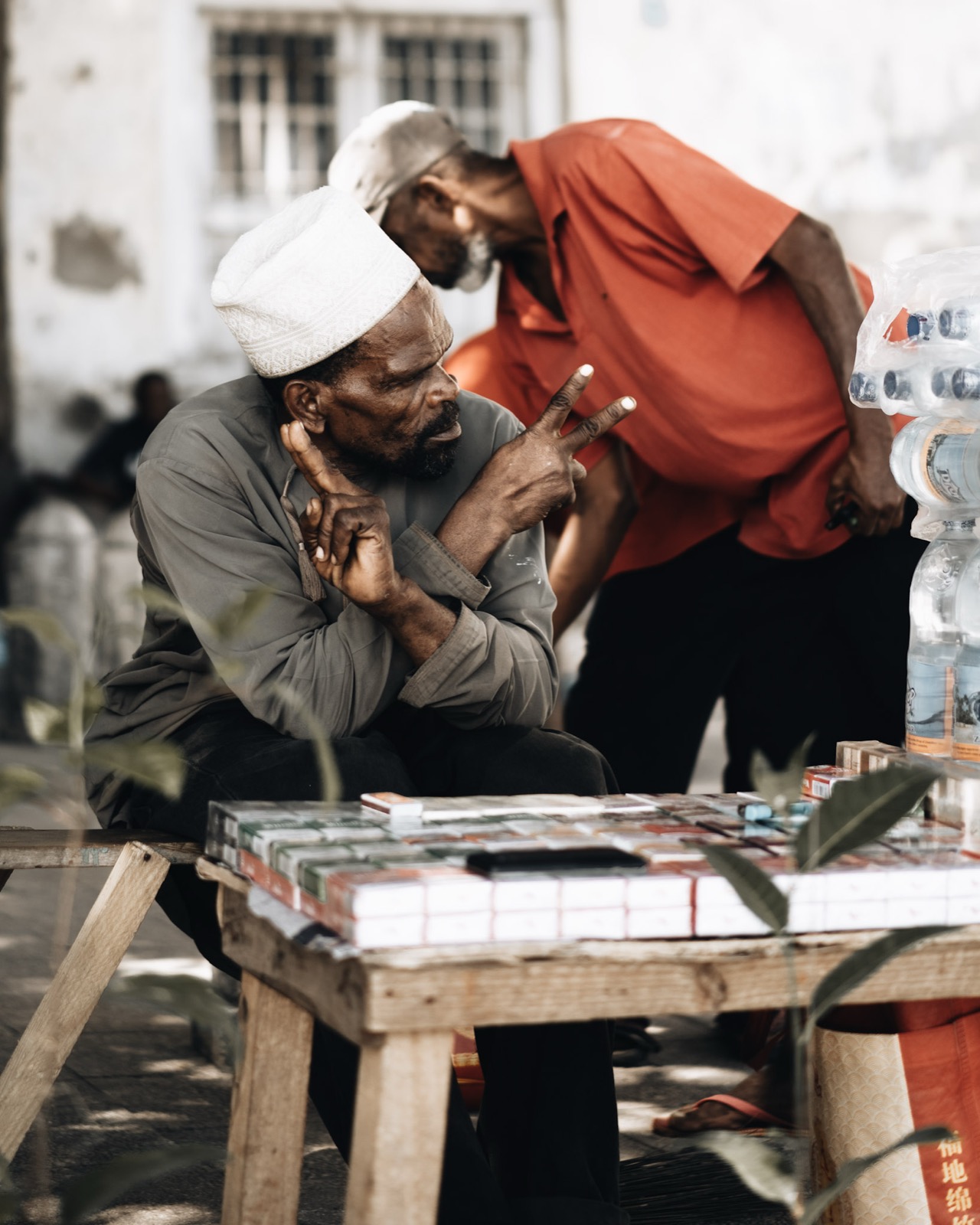
Tanzania rewards visitors who slow down and greet first. The most common mistake I see from first-time visitors is treating cultural interaction as a side attraction — something to tick off between game drives. It is not. Swahili culture is built on community, relationship, and the principle that you establish yourself as a person before you make a request. Getting that right makes the rest of the trip easier.
Quick facts
| Category | Detail |
|---|---|
| Primary language | Swahili (Kiswahili) + English |
| Swahili spoken across | East African coast: Kenya, Tanzania, Zanzibar, Comoros and interior |
| Religion (mainland Tanzania) | Mixed Muslim and Christian communities |
| Religion (Zanzibar) | Predominantly Muslim |
| Maasai population estimate | 500,000 to 1 million |
| Safari guide tip (group) | USD 10 per person per day |
| Safari guide tip (private) | USD 25–40 per day (vehicle total) |
| Kilimanjaro lead guide tip | USD 20 per day |
| Kilimanjaro porter tip | USD 6–10 per day per porter |
| Kilimanjaro assistant guide tip | USD 12–15 per day |
| Kilimanjaro cook tip | USD 12 per day |
| Maasai village visit cost | USD 25–50 per person (typical) |
| Safari clothing | Khaki, olive, tan, brown — avoid dark blue and black |
Swahili culture — the foundation
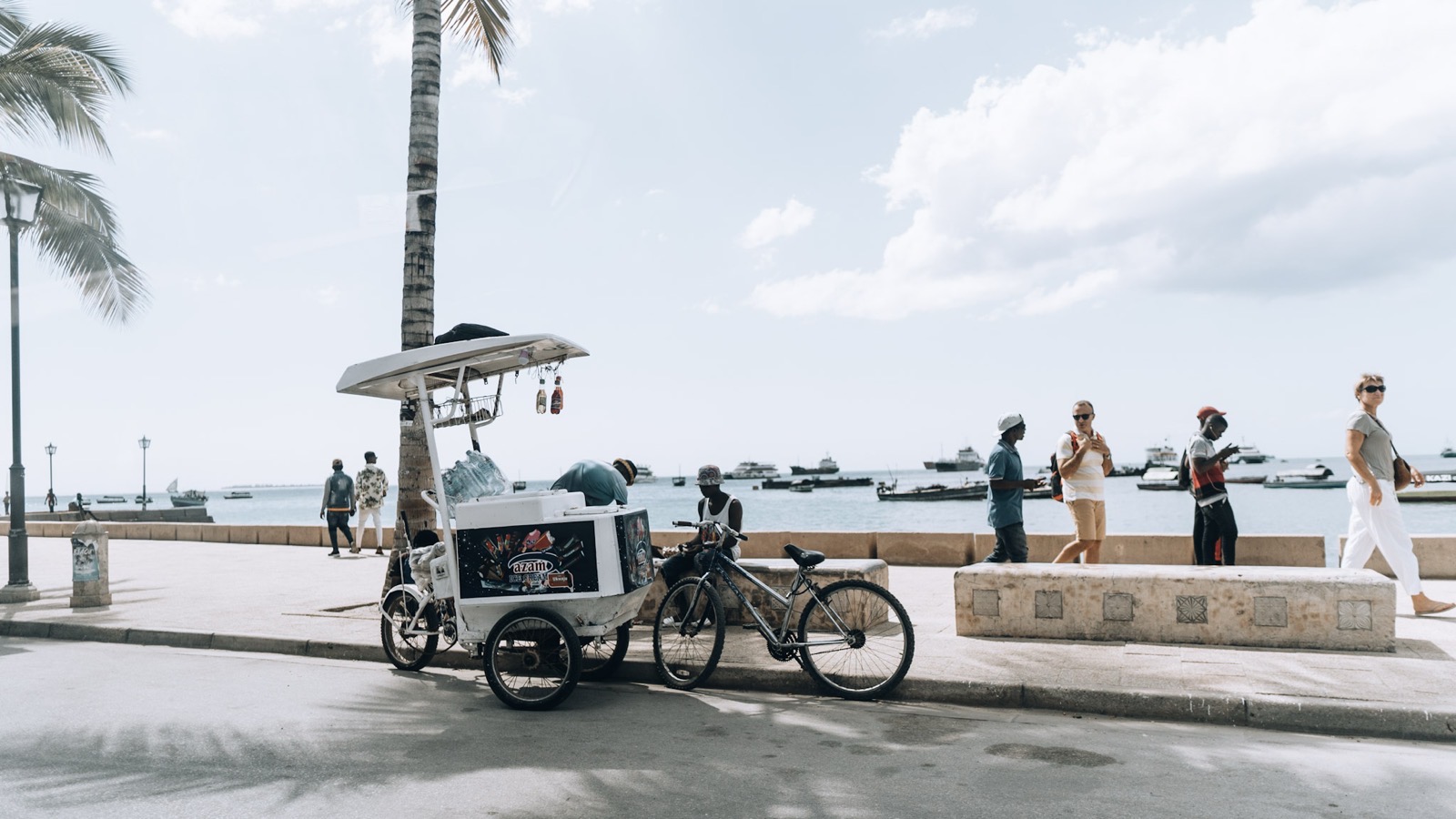
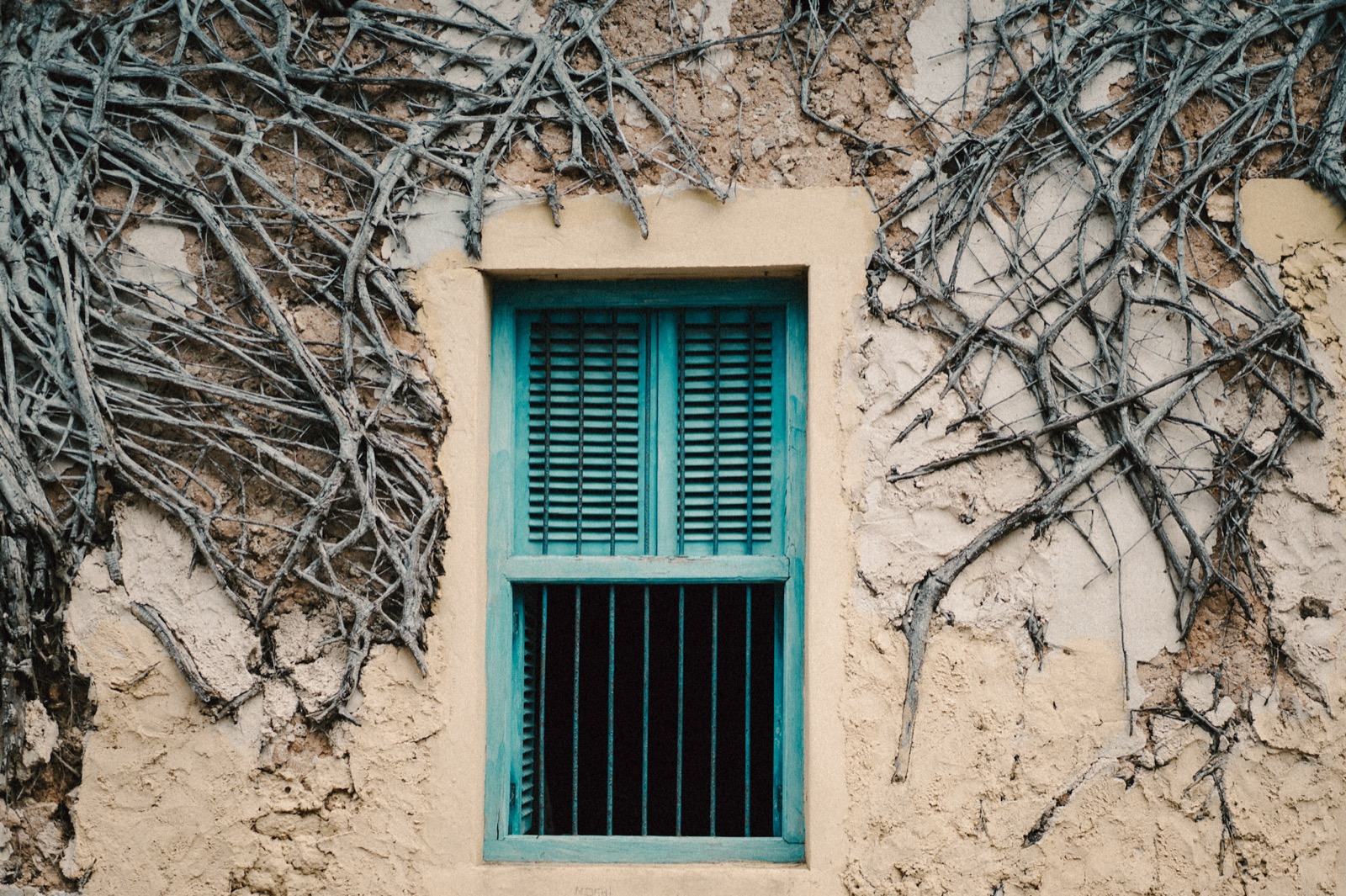
Swahili culture developed through centuries of trade and interaction along the East African coast — African traditions meeting Arab, Persian, and Indian influences across the medieval trading networks. The result is not a single ethnic identity but a coastal culture defined by language, community structure, and Islamic practice. Zanzibar is the cradle of African Swahili culture; its shores are where the synthesis is most visible. But Swahili language and customs extend inland across Tanzania, Kenya, and well beyond.
On the mainland coast, Bagamoyo carries this Swahili coastal history in an especially unvarnished form — a former slave-trade port and, briefly, German East Africa’s first capital, without Stone Town’s restoration or crowds.
The central value in Swahili culture is community over individual. The socialist philosophy of Ujamaa — equality, self-reliance, and collective responsibility — was adopted as Tanzania’s founding development policy under Julius Nyerere after independence, and it reflects something genuinely pre-existing in the social fabric.
What this means in practice for travellers: Greet every person individually before making any request. Not once, to the group — each person, separately. Take a moment. “Habari?” is enough. Get it slightly wrong and most Tanzanians will smile and correct you gently. Not greet at all, and you will feel a coolness that you won’t easily recover from in that interaction.
10 essential Swahili phrases:
| Swahili | Meaning | Reply |
|---|---|---|
| Jambo / Hujambo | Hello | Jambo / Sijambo (I’m fine) |
| Habari? | How are you? / Any news? | Nzuri (Good) / Nzuri sana (Very good) |
| Shikamoo | Respectful greeting to elders | Marahaba |
| Karibu | Welcome / You’re welcome | — |
| Asante | Thank you | Karibu |
| Samahani | Sorry / Excuse me | — |
| Sijui | I don’t know | — |
| Pole pole | Slowly / Take it easy | — |
| Ndiyo / Hapana | Yes / No | — |
| Bei gani? | What is the price? | — |
Always greet with your right hand — the left hand is considered unclean in Swahili culture and offering it is considered disrespectful.
These ten cover the basics, but there is a lot more worth knowing before you land — numbers for market prices, the Swahili your safari guide will use on a game drive, and what to say if you actually need a doctor. Our complete Swahili phrasebook for Tanzania and Zanzibar goes well beyond these ten: see essential Swahili phrases for Tanzania and Zanzibar.
Meeting the Maasai
The Maasai people number between 500,000 and 1 million across Tanzania and Kenya. In northern Tanzania, Maasai communities live across the NCA (Ngorongoro Conservation Area), the Karatu corridor, and areas bordering Tarangire. Most safari operators on the northern circuit offer a Maasai village visit as an optional extra.
The honest assessment of village visits: A standard tour (jumping dance, hut interior, beadwork market, 1–1.5 hours) is partly theatrical. The ceremony elements are authentic traditions, but the format is clearly designed for tourism. A typical entrance fee runs USD 25–50 per person; some villages ask for additional tips to the village head (USD 25 per client is one reported guideline). The economic benefit to the community is real. Your experience of authenticity is a separate question.
A more genuine encounter: The most memorable Maasai moments happen away from the arranged visit. I’ve had the best conversations at the Ngorongoro crater rim at dawn — no fee, no arrangement, just a greeting exchanged as cattle herders move their animals past the Land Cruisers at first light. On these encounters: greet first (“Habari?”), ask before you photograph, and offer a fair payment if they agree. Do not do it covertly. Do not bring plastic bags or paper-wrapped gifts to Maasai villages — plastic is banned in Tanzania and paper wrappers are also unwelcome.
Photo payments: At tourist sites, Maasai typically expect USD 1–5 per photograph. This is fair and should be treated as straightforward commerce, not haggling. If you photograph and then don’t pay when asked, you’ve caused a problem for the next visitor.
Choosing a village visit operator: Ethical visits are characterised by direct community ownership and transparent revenue sharing. Ask your safari operator who receives the gate fee — and whether the visit is arranged with community consent. A joint operator-community model beats a third-party who brings busloads daily and pays the village a flat fee.
Religion in everyday travel
Tanzania mainland is a mixed Muslim and Christian country, with the two faiths co-existing with remarkable ease. Zanzibar is predominantly Muslim, and religious practice shapes daily life in ways that visitors should be aware of.
On Zanzibar and Stone Town in particular:
- Friday prayers move significant numbers of people through Stone Town around midday. Plan your walking around it or simply join the flow respectfully.
- During Ramadan, eating, drinking, and smoking in public in Muslim areas during daylight hours is disrespectful and in some areas restricted. Most restaurants catering to tourists remain open, but eat inside rather than at street-side tables during this period.
- Dress modestly in Stone Town at all times — this applies to men as well as women. Covered shoulders and knees are the minimum. Stone Town mosques that permit non-Muslim entry require covered heads and shoes removed.
On the mainland:
- Churches and mosques both require covered shoulders and knees. Remove shoes at mosque entrances.
- In rural areas, asking before entering a religious building is always correct.
Dress code by context
Tanzania has one of the more context-variable dress codes in East Africa. The rules are clear once you know what drives them.
Stone Town and Zanzibar town areas: The most conservative dress required. Cover shoulders and knees for both men and women. This is not tourist-area signage — it is a genuine Islamic community norm. Wearing revealing clothing here causes actual offence, not mild discomfort.
Mainland Tanzanian cities (Arusha, Dar es Salaam, Moshi): Western dress is standard in tourist-facing areas. In local markets and residential streets, modest dress (covered shoulders preferred, trousers or long skirts over shorts) shows basic cultural literacy.
Safari parks: No formal dress code, but practical considerations apply. Wear neutral, earth-toned colours — khaki, olive, tan, brown. Avoid dark blue and black clothing. These colours attract the tsetse fly, whose bite is painful. Closed-toe shoes worn with socks are required — tsetse flies bite at the ankle.
Beach resorts: Normal beachwear at your resort beach. As soon as you leave the resort into a village or town, cover up.
Photography etiquette
The one rule: Ask first. Always.
Pointing a camera at someone without permission is considered aggressive in most Tanzanian contexts. A smile and a gesture toward your camera is enough to ask — if they nod and smile back, you’re clear. If they wave you away, lower the camera.
Specific situations:
- Children: Never photograph without explicit adult (parent or guardian) consent. Do not use children’s photos for social media without consent.
- Maasai at tourist sites: Expect to pay USD 1–5 per photograph. This is normal and fair — treat it as paying for access to someone’s time and image.
- Markets and daily life: Always ask the vendor or person first. Most will say yes; many will be pleased. Those who decline are not being unfriendly — they have their reasons.
- Military, police, government buildings, airports, ports, border crossings: Do not photograph. This is illegal in Tanzania and can result in equipment confiscation and detention regardless of your intentions.
- Drones: A permit from Tanzania Civil Aviation Authority (TCAA) is required. Flying without one risks confiscation.
The best photography in Tanzania comes from building a relationship first — even a 30-second Swahili greeting exchange before you raise the camera produces better photos than anything taken by surprise.
Tipping — who, when, how much
Tipping in Tanzania is not a gesture of appreciation. It is the actual primary income for guides, drivers, porters, and camp staff. The base wages in tourism are low; the tip envelope is the real salary.
The numbers:
| Role | Standard tip |
|---|---|
| Safari guide — group tour | USD 10 per client per day |
| Safari guide — private (combined) | USD 25–40 per day (vehicle total) |
| Driver (if separate from guide) | USD 10–15 per person per day |
| Camp cook and staff | USD 5–10 per person per day |
| Kilimanjaro lead guide | USD 20 per day |
| Kilimanjaro assistant guide | USD 12–15 per day |
| Kilimanjaro cook | USD 12 per day |
| Kilimanjaro porters | USD 6–10 per day each |
| Hotel and lodge staff | USD 1–2 per day per person |
How to tip:
Prepare tip envelopes before your final morning — one per role, clearly labelled. Hand them directly, privately, at the end of the trip. Do not press cash into someone’s hand casually or hand over a pile mid-trip. The envelope format is standard and expected; it removes the awkwardness from both sides.
Tipping safari guides is not technically mandatory, but it is universal among travellers who received good service, and guides plan their income accordingly. A 7-night safari with a guide and driver for two people: budget USD 175–245 total in tips separately from your safari price.
On Zanzibar and in restaurants generally, there is no fixed tipping rule — one to five US dollars is appropriate for good restaurant service. Spice tour guides appreciate small denominations of Tanzanian shillings.
Giving money and begging — the honest framework
Every guide, every responsible tourism organisation, and every honest long-term operator in Tanzania gives the same advice: do not give money to children. Not sweets, not pens, not stickers.
The reason is specific. A child who receives money or gifts from tourists learns that the roadside pays better than the classroom. School dropout rates in tourist corridors are higher where this giving culture exists. The harm is structural and slow — no individual act causes it, but the aggregate does.
What actually helps:
- Buy handcrafted goods directly from adult artisans at fair prices. Walk away from the low-price souvenir shops on tourist strips and find the cooperatives and individual craftspeople.
- Donate to verified NGOs operating local school and health programmes. Ask your operator which organisations they partner with and whether any fraction of your trip cost goes there.
- Choose lodges and operators with a documented community contribution — a fixed percentage of revenue to local schools, water projects, or conservation.
- If approached by adults in need in towns, small amounts to adults are a personal choice. The problem is specifically with children and with normalising the roadside-over-school calculus for young people.
What to do when you get it wrong
You will get it wrong occasionally. You will forget to greet, rush a request, accidentally photograph someone, or misjudge a dress code. The response in Tanzania is generally forgiving. A genuine “Samahani” (Sorry), a smile, and slowing down is almost always received well. Tanzanians are accustomed to tourists who are trying and making mistakes versus tourists who aren’t trying at all. The first group is forgiven immediately.
The cultural gap between Tanzania and most Western origins is real but bridgeable in about two days. By the time you reach the Serengeti after Arusha and the crater, you will be greeting automatically, reading the dress context without thinking, and genuinely enjoying the social warmth that opens up when you engage on local terms.
For the full safari cost breakdown including the complete tipping table, see Tanzania safari costs. For Maasai cultural context and the age-grade system, see the guide to Maasai age-grades and customs. For Zanzibar Stone Town and Swahili coast architecture, see the Stone Town guide.
Frequently asked questions
What are the most important cultural rules in Tanzania?
Greet before you ask — launching straight into a transaction is considered rude in Swahili culture. Cover shoulders and knees in cities, Stone Town, and mainland local areas. Always ask permission before photographing people, especially children. Tip safari guides USD 10–20 per person per day and Kilimanjaro porters USD 6–10 per day — these tips are a primary income, not a bonus. Avoid dark blue and black clothing in tsetse-fly zones. Never give money to children or strangers asking on their behalf.
How do you greet in Swahili?
The most-used tourist greeting is 'Jambo' (Hello), answered with 'Jambo' or 'Sijambo' (I'm fine). More respectful is 'Habari?' (News? / How are you?), answered with 'Nzuri' (Good) or 'Nzuri sana' (Very good). For elders, use 'Shikamoo' (I respect you), answered with 'Marahaba'. 'Karibu' means Welcome or You're welcome. 'Asante' is Thank you. Greet every person in a group individually — do not wave at a group.
How much do you tip a safari guide in Tanzania?
The standard guideline for a group safari is USD 10 per client per day for your guide. For a private safari (your own vehicle), USD 25–40 per day from everyone in the vehicle combined. Kilimanjaro lead guides: USD 20 per day. Assistant guides: USD 12–15 per day. Porters: USD 6–10 per day each. Camp cook/staff: USD 5–10 per person per day. Hand the tip in an envelope on the last morning — do not press it into someone's hand casually.
Can you photograph the Maasai?
Only after asking. Most Maasai at tourist sites expect a small payment — USD 1–5 is typical and fair. Never photograph someone without permission, and never do it covertly. If someone declines, respect that without pushing. Photos shared online should be used respectfully and not in a sensational or exploitative way. Away from tourist sites — such as a cattle herder you encounter on the crater rim — a genuine greeting in Swahili and a smile often leads to a willing subject.
What should you wear in Tanzania?
Dress codes vary by context. At beach resorts: normal beachwear. In Stone Town and local markets: cover shoulders and knees — Zanzibar is a conservative Islamic community and revealing clothing causes genuine offence, not just mild disapproval. In mainland cities (Arusha, Dar): Western dress works in tourist areas; modest dress shows respect in local quarters. Safari parks: neutral colours (khaki, olive, tan, brown) are practical. Avoid dark blue and black in safari parks — these colours attract the tsetse fly, whose bite is painful.
Should you give money to children in Tanzania?
No. Giving money, sweets, or pens to children encourages school dropout and creates a begging economy that harms communities far more than it helps individuals. This is consistent guidance across responsible tourism organisations operating in Tanzania. If you want to contribute meaningfully, buy handcrafted goods directly from adult artisans, donate to verified NGOs working in the area, or choose lodges and operators who channel a fixed percentage into local community projects.