
Facts & prices checked: 2026-06-25
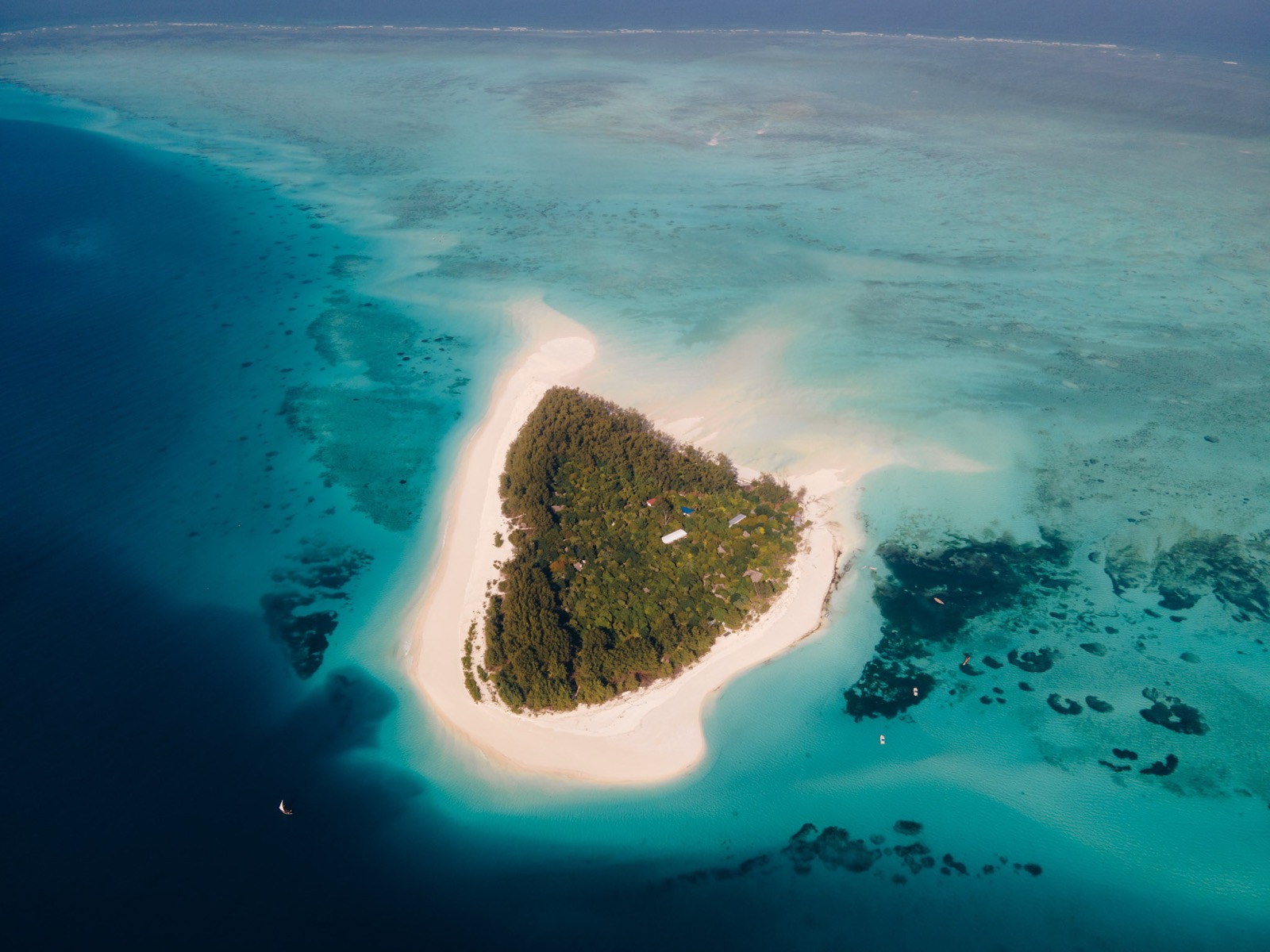
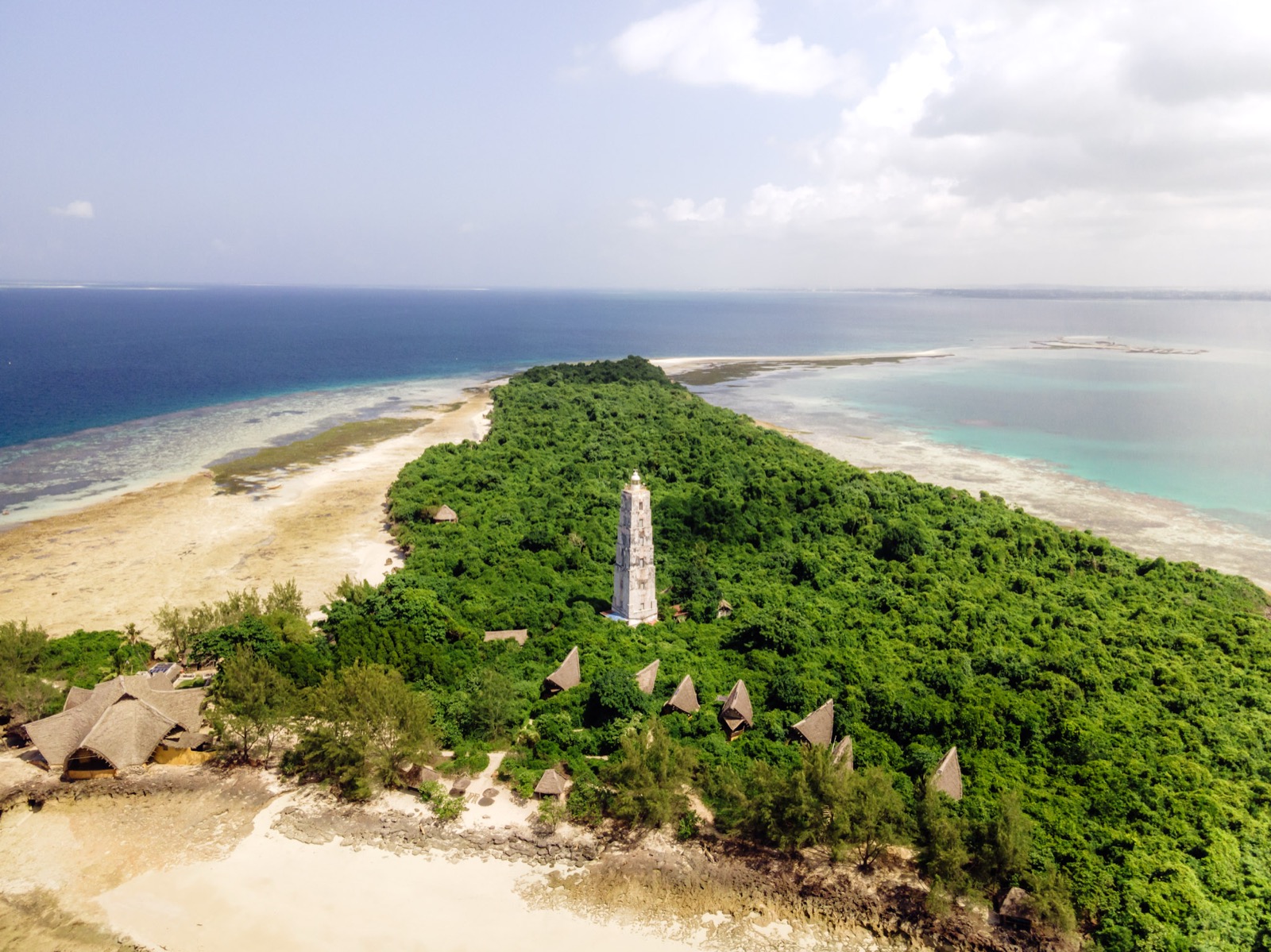
Prison Island (Changuu Island) sits 5.6 km northwest of Stone Town — 20–30 minutes by dhow from the Forodhani pier. It is a small, manageable excursion: a colony of ancient Aldabra giant tortoises, a British colonial building that was built as a prison but never held prisoners, and a reef on the island’s western side for snorkelling after the tortoise visit. Entry: USD 22 (raised from USD 4 in late 2025). Duration: 2.5–3 hours on the island.
Prison Island is not a beach resort or an all-day destination. It is a focused stop with one primary attraction — the tortoises — and two secondary ones. That is enough. I’ve recommended it to families who came back saying it was the clearest highlight of the whole Zanzibar trip.
Quick facts
| Official name | Changuu Island (also: Kibandiko, Prison Island) |
| Distance from Stone Town | 5.6 km northwest |
| Boat crossing | 20–30 minutes each way |
| Opening hours | 08:00–18:00 daily |
| Entry fee | USD 22 per person |
| Visitor cap | 14 visitors at any one time |
| Main attraction | Aldabra giant tortoise colony |
| Tortoise age (oldest estimated) | 100–196 years |
| Snorkelling | West-side reef; moderate quality |
| Ideal duration | 2.5–3 hours on island |
| Best for | Families, first-time Zanzibar visitors, half-day Stone Town add-on |
The Aldabra giant tortoises
The Aldabra giant tortoise (Aldabrachelys gigantea) is the world’s second-largest tortoise species — after the Galápagos giant tortoise. Adults reach weights of over 200 kg and lengths exceeding 1 metre. They are slow, deliberate, and surprisingly comfortable around people — the Changuu colony has been habituated to visitors for decades.
The tortoises here were originally gifted from the Seychelles. Records indicate the colony was established in the 19th century, with one documented arrival of four tortoises in 1919. The population grew to around 200 animals by 1955 — then collapsed: poaching and theft pushed numbers down to approximately 100 in 1988, 50 by 1990, and just 7 individuals by 1996. Conservation efforts since then have rebuilt the colony. The oldest individuals on the island today are estimated at between 100 and 196 years old. One of the few animals that can definitively outlive the person watching it.
What you’ll see: The tortoises roam freely across the island’s open grounds. They are not penned (beyond the external boundary of the island itself). The enclosure area has the highest concentration; the grounds beyond also have individuals resting under trees at midday.
Rules: As of late 2024, touching and feeding the tortoises directly is prohibited — introduced to reduce stress on the animals. Check current rules with your operator when booking. The prohibition may feel like a disappointment if you expected the old hand-feeding experience, but watching these animals move freely at close range is compelling regardless.
Best timing for the tortoises: Morning. Giant tortoises are most active in the cooler early hours — moving, feeding, interacting. By midday most are resting in shade. An 08:00–09:00 boat from Stone Town catches them at their best.
I stood for a while watching an animal that was plausibly older than anyone in my family. There is nothing dramatic about it. That is exactly the point.
The history: a prison that never held prisoners
The building on Changuu was constructed around 1893. The original intent was a facility for holding enslaved people and later mainland prisoners — but by the time construction was complete, the building was already being repurposed as a quarantine station.
The quarantine use made sense. Zanzibar in the late 19th century was one of the busiest trading ports on the East African coast — dhows, spice traders, and British colonial traffic moved through constantly. Communicable disease (including smallpox outbreaks) was a recurring risk. An island 5.6 km offshore, reachable only by boat, was an obvious place to isolate cases.
The building was used for disease isolation until around 1931. It was never used as a functioning prison.
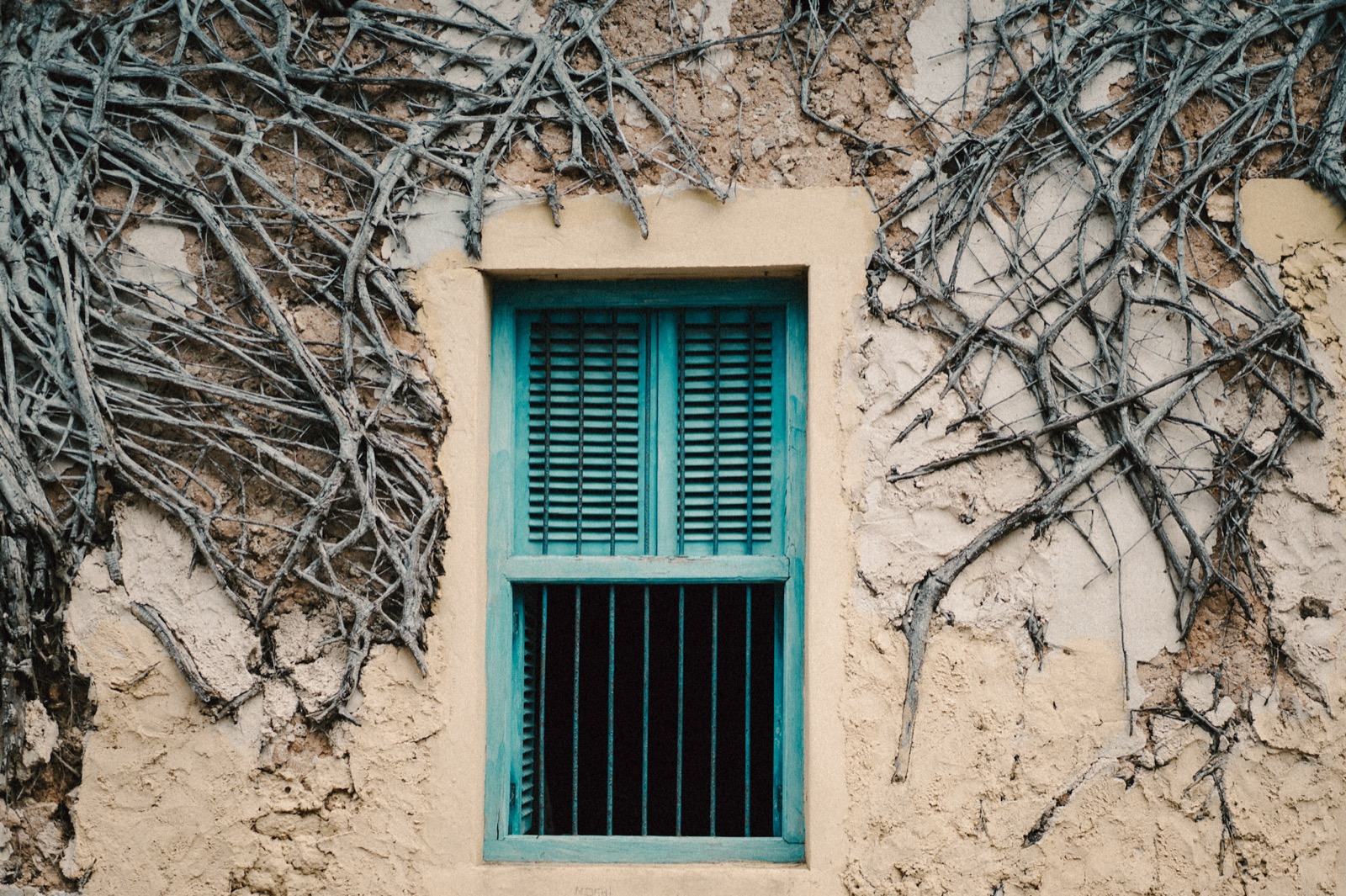
What stands today: a partially preserved ochre-painted coral rag building with arched windows, a courtyard, and informational signs explaining the quarantine history. Some sections have been converted into a small guesthouse/lodge. The architecture is distinctive — thick coral rag walls designed to hold heat, high ceilings to allow air circulation, the same construction logic as the historic buildings in Stone Town.
The name “Prison Island” has stuck. The building is genuinely interesting precisely because it never did what it was named for.
Snorkelling on the west-side reef
The snorkel stop is on the western side of Prison Island. The boat anchors offshore and guests enter the water from the boat or a short swim from the island’s edge. The reef here is classified as moderate quality — there is meaningful coral cover and fish diversity, but it is not comparable to Chumbe Island Coral Park (the highest-quality snorkel site accessible from Stone Town) or Mnemba Atoll (the best on Zanzibar overall).
What to expect: Parrotfish, butterflyfish, and reef fish typical of Zanzibar’s nearshore reefs. Occasional turtle sightings. Some coral bleaching is visible in parts. The snorkel is a genuine add-on to the tortoise visit — not the reason to make the trip.
Best timing: Morning snorkel before other boat traffic arrives. Morning light (before 10:00) gives the clearest water colour and best visibility. Snorkelling before the tortoise visit, if your boat operator allows the order, means the reef is least disturbed.
Equipment: Bring your own mask if you are particular about fit — rental snorkel gear from the boat costs approximately USD 2, quality varies. Reef-safe sunscreen is important here (regular sunscreen degrades coral; several operators ask you to use reef-safe or nothing from the waist down in the water).
Getting there and practical logistics
Departure point: All boats to Prison Island leave from the Stone Town waterfront near Forodhani Gardens — the same pier area used for sunset dhow cruises. The Forodhani night market is 5 minutes’ walk from here, as are the old fort and Sultan’s Palace Museum.
Shared local boat: Approximately USD 10 per person, round trip. Journey time 25–30 minutes. Departs when there are enough passengers (typically 09:00–10:00 for morning runs).
Private/group dhow: USD 30–40 round trip for a small group. Faster dhow or speedboat: 20 minutes, higher cost. Most Stone Town hotels and tour operators book both options.
Entry fee: USD 22 per person at the island gate (raised from USD 4 in a September 2025 marine-conservation surcharge).
Visitor cap: A maximum of 14 visitors are on the island at any one time — so advance booking is recommended during peak season (July–September, December–January). Walk-up is usually possible in low season.
What to bring:
- Reef-safe sunscreen (required for the snorkel section; important for coral health)
- Hat and light cover-up (limited shade during the walk between the building and the enclosure)
- Water (bring from Stone Town; on-island facilities are basic)
- Snorkel mask if you have a preference for fit (rental is USD 2 but quality varies)
- No outside food for the tortoises — feeding rules have changed; follow current guidance on arrival
Duration on island: 2.5–3 hours is enough: 30–45 minutes in the tortoise enclosure, 20–30 minutes on the building and grounds, 30–45 minutes snorkelling. The boat timetable usually allows for all three.
Combining Prison Island with other activities
Prison Island + Stone Town (half-day): Depart from Forodhani at 08:30, back by 12:00. Afternoon free for Stone Town walking tour, the old fort, Darajani market, and the Forodhani night market from 18:30. This is the standard first-time Zanzibar visitor half-day.
Prison Island + Jozani Forest (full day): Morning boat to Prison Island (08:30–12:30), then car south to Jozani (~35 km, ~45 minutes). Jozani Forest is home to the Zanzibar red colobus monkey (Piliocolobus kirkii — found nowhere else on earth), entry USD 12, best visited before 15:00 when the troops are most active. Back to your hotel or Stone Town by 17:30. Two of Zanzibar’s top wildlife experiences in a single day. → more on Jozani Forest
Prison Island + spice tour (full day): The classic Stone Town combo tour: spice farm (~45 minutes from town, USD 15–20 including guide) in the morning, Prison Island in the afternoon. Many tour operators sell this as a package.
From the east coast: From Paje or Jambiani, Prison Island requires 45–60 minutes to Stone Town by taxi, then the boat. Worth building in as a Stone Town day rather than a standalone excursion from the east coast. → the Paje overview
From Nungwi: ~50 km from the north coast, roughly 1 hour to Stone Town by road, then the boat. Factor in a full morning plus drive time. Most north-coast visitors combine it with a Stone Town overnight stay. → more on Nungwi
Nakupenda Sandbank — the natural extension
The most popular same-day addition to Prison Island is Nakupenda Sandbank. “Nakupenda” means “I love you” in Swahili — a natural white-sand bar that appears at low tide roughly 30 minutes by boat from the Forodhani pier. Stone Town, Prison Island, and Nakupenda are routinely sold together as a single morning excursion.
How the combined trip works: Tour operators typically sequence the two stops — Prison Island first for the tortoises and colonial building (2–2.5 hours), then Nakupenda for swimming, sunbathing, and a picnic stop prepared by the boat crew. Some operators add a short snorkel between the two islands. The full combined trip runs 6–7 hours, with departures typically starting around 08:10 from the Stone Town waterfront.
What Nakupenda offers: The sandbank itself — open ocean on three sides, ankle-deep warm water, and a picnic set up by the crew on the exposed sand. No shade, no facilities, no other structures. That is the entire point. For couples or families based in Stone Town or the north-coast resorts, it delivers a genuine “sandbank experience” without a long offshore journey. Private sandbank picnics here are a popular honeymoon add-on.
Pricing: Combined Stone Town, Prison Island, and Nakupenda tours are listed on TripAdvisor from USD 84 per adult. Private versions — which add a Stone Town guide and hotel transfer — are quoted at around USD 175 per person on some cruise booking platforms. These are notably higher than doing Prison Island alone independently (under USD 20 per person), but the added Nakupenda sandbank stop makes the combination a meaningfully different day.
I’ve taken both stops separately and together. The combination works because the two experiences are completely different in character: Prison Island is focused and historical; Nakupenda is utterly unstructured. An 08:30 departure from Forodhani means you’re back at the Stone Town pier by 14:00–14:30, leaving the afternoon free for Stone Town on foot.
One practical note: Nakupenda’s sandbank appearance depends entirely on tide timing. A sandbank at low tide is a beautiful open sand bar; the same location two hours later can be a mudflat. Confirm with your operator before booking that the tide schedule on your chosen day suits a sandbank stop.
The Forodhani waterfront — before and after Prison Island
The Forodhani pier sits at the centre of Stone Town’s waterfront activity. The departure point for Prison Island boats is the same stretch of waterfront used for sunset dhow cruises, day boat traffic, and — from 18:00 each evening — one of East Africa’s most distinctive night food markets.
Before departure: The Old Arab Fort (Ngome Kongwe) is 5 minutes’ walk from the pier and opens early. The Sultan’s Palace Museum is directly adjacent. Both are worth a brief orientation stop if you’re waiting for your 08:30 boat departure — the fort’s inner courtyard has craft stalls, shaded seating, and a strong sense of what Stone Town was built from: coralline ragstone walls, mangrove timber, thick lime mortar. The same construction logic as the quarantine building you’ll see on the island.
After returning: Prison Island boats typically dock back at Forodhani by 12:00–13:00 on a standard morning trip. That leaves a full afternoon on foot: Darajani Bazaar for spices, textiles, and attars (10 minutes east of the waterfront), the Gizenga Street and Hurumzi Street gasses for Tingatinga workshops and carved-door architecture, and a late lunch at one of the sea-facing restaurants.
The Forodhani Night Market: From approximately 18:00 to 21:00, the same Forodhani Gardens square that served as your morning departure point becomes Stone Town’s best evening food market. Stalls sell Urojo (Zanzibar mix soup — a tangy, complex street dish), Zanzibar pizza (a folded egg-and-meat street snack, nothing like Italian pizza), sugar cane juice, mshikaki (spiced meat skewers), and samosas. Most stalls accept cash only; bring small notes.
Prison Island morning departure + Forodhani evening market = a complete Stone Town day structured around the waterfront, all within 1.5 km of the pier. For Stone Town overnight visitors, this is the most efficient single-day structure available.
Tour pricing — what you are actually paying
Prison Island has a reputation on travel forums as expensive for what it offers. The numbers tell a more specific story: since the September 2025 entry-fee increase, going independent no longer beats the cheapest packaged option by much — the real gap is against the pricier packages.
Independent costs, per person:
- Shared local boat from Forodhani pier: USD 10–15 round trip
- Island entry fee: USD 22 per person (raised from USD 4 by a September 2025 government marine-conservation surcharge)
- Snorkel equipment rental: USD 2 if not bringing your own
- Total independent: USD 34–39 per person
Package tour costs, per person:
- Klook (guided half-day, boat and entry included): from USD 39.79
- GetYourGuide: from USD 55, with further options at USD 69, USD 75, USD 90, USD 96, and USD 250 depending on the package
- Viator half-day tour: from USD 186 per person
- Combined Prison Island + Stone Town + Nakupenda private tours: around USD 175 per person
Independent (USD 34–39) now sits roughly level with the cheapest package (Klook, USD 39.79), but the gap to the pricier packages — up to USD 186 — is still substantial. What packages add: hotel pickup and drop-off, an English-speaking guide throughout, all entrance fees bundled, a Nakupenda sandbank stop, and a scheduled morning departure that fits the optimal tortoise-activity window. For a family with young children, first-time visitors who want an organised structure, or anyone arriving in Zanzibar without the time to negotiate independently at the Forodhani pier — that convenience is real.
For confident travellers who are already staying in Stone Town: walk to the Forodhani pier, negotiate directly with boat captains for a shared vessel (morning departures typically fill by 09:00), pay USD 22 at the island gate, bring your own snorkel mask. The tortoise experience is identical regardless of how you booked it.
Note on “tortoise-feeding” labels: Several booking platforms — including Klook — still describe their Prison Island offering as a “tortoise-feeding experience.” As of late 2024, direct feeding and touching of the tortoises is prohibited. If you see a package marketed as a feeding experience, confirm the current rules directly with the operator before booking.
What Prison Island is not
Prison Island is a recurring “tourist trap” complaint on travel forums. That framing is too blunt, but the underlying concern is fair: the experience is short, the snorkel is secondary, and some tour packages charge significantly more than the direct cost of doing it independently.
Book independently rather than through a hotel desk or on-the-spot tout: boat from Forodhani pier directly (USD 10–15 per person), pay USD 22 at the gate, bring your own snorkel gear. Total cost: USD 32–37 per person. That is a reasonable price for 2.5 hours and some of the oldest land animals you are likely to encounter anywhere.
The tortoise colony is genuinely unusual. The building is genuinely historical. The snorkel is a decent bonus. Managed expectations and a morning departure make Prison Island one of the clearest, most self-contained Zanzibar experiences — and the right call for families with children who want wildlife without a long journey. Everything on Stone Town covers the full picture of what to do in the area around the departure pier.
Related guides
- Stone Town Zanzibar — where to eat, what to see, how to spend 2 days in the UNESCO-listed old city
- Jozani Forest — Zanzibar red colobus monkey; 35 km southeast; USD 12 entry; best morning visit
- Zanzibar day trips — Prison Island, Jozani, Kizimkazi dolphins, Mnemba Atoll, spice tour: logistics from every base on the island
- Zanzibar with children — best family beaches, child-friendly resorts, ages for each wildlife experience
- Chumbe Island Coral Park — the highest-quality snorkel reef near Stone Town (day visit + overnight); 12 km southwest; advance booking required
Frequently asked questions
What animals live on Prison Island?
The signature attraction is the Aldabra giant tortoise (Aldabrachelys gigantea) — a colony established from tortoises gifted by the Seychelles in the 19th century (one source records the first 4 tortoises arriving in 1919). Individual tortoises on the island are estimated at between 100 and 196 years old. The population peaked at around 200 animals in 1955, declined sharply to 7 by 1996, and has since been rebuilt through conservation efforts. For reef fish, the west-side snorkel stop offers parrotfish, butterflyfish, and occasional turtle sightings.
How do I get to Prison Island from Stone Town?
Prison Island is 5.6 km northwest of Stone Town — a 20–30 minute boat ride from the Forodhani Gardens pier (near the old port, beside the Sultan's Palace Museum). A shared local boat costs approximately USD 10 per person. A private or group dhow for a small group runs USD 30–40 round trip. Speedboats are faster (around 20 minutes) and cost more. Boats depart throughout the morning; an 08:00–09:00 departure catches the tortoises during their most active hours and before the busiest boat traffic.
What is the entry fee for Prison Island?
The island entry fee is USD 22 per person as of late 2025, up sharply from the old USD 4 rate. It's made up of two parts: a roughly USD 12 island/tortoise-sanctuary fee, plus a USD 10 government marine conservation surcharge introduced in September 2025 across several protected areas near Stone Town. This covers access to the tortoise enclosure and the colonial building grounds. Snorkel equipment rental (if you don't bring your own) typically costs around USD 2 extra. Guided tour packages from Stone Town combine the boat fare, entry, and sometimes equipment — confirm current total pricing with your operator before booking.
Was Prison Island ever actually used as a prison?
No. The building was constructed around 1893 originally intended as a holding facility for slaves, but it was almost immediately repurposed as a quarantine station rather than ever housing prisoners as such. The quarantine use reflected Zanzibar's role as a major 19th-century trading hub — disease outbreaks (including smallpox) posed a recurring public health risk, and the island's isolation made it a logical containment site. The name 'Prison Island' stuck despite the building never functioning as a prison.
How long should I spend at Prison Island?
Allow 2.5–3 hours on the island, including the tortoise enclosure (30–45 minutes), a walk around the colonial building and grounds (20–30 minutes), and a snorkel stop on the west-side reef (30–45 minutes). Add the 20–30 minute boat crossing each way. Morning departures (08:00–09:00) are recommended: the tortoises are most active before midday, the water is calmer, and visibility at the reef is better before other boats have disturbed the area.
Is Prison Island suitable for children?
Yes — Prison Island is one of Zanzibar's most family-friendly excursions. The Aldabra tortoises are large, gentle, and habituated to visitors; children can walk alongside them and observe at close range. As of late 2024, rules prohibit touching or feeding the tortoises directly — check current rules with your operator before you go. The snorkel stop is in shallow, calm water close to the boat, making it accessible for confident child swimmers; non-swimmers can stay on deck. No hiking or strenuous activity required. Total island walking is flat and short.
Can I combine Prison Island with other Stone Town activities?
Yes. Prison Island fits naturally into a Stone Town half-day or full-day programme. The standard combination is Stone Town culture morning (spice market, old fort, Forodhani area) plus Prison Island afternoon — or the reverse. A full-day itinerary that pairs Prison Island (morning departure, back by 12:30) with Jozani Forest (afternoon, ~35 km southeast of Stone Town) covers two of Zanzibar's top five experiences in a single day. The boat departs from the same waterfront area as the night market and the Stone Town walking tour starting points.
What is Nakupenda Sandbank and can I combine it with Prison Island?
Nakupenda — 'I love you' in Swahili — is a white-sand tidal bar accessible by boat from the Stone Town waterfront. Stone Town, Prison Island, and Nakupenda are routinely sold as a same-day combo: Prison Island for the tortoises and colonial building (2–2.5 hours), then Nakupenda for swimming and a sandbank picnic. The combined trip runs 6–7 hours, typically departing around 08:10. Combined tours are listed on TripAdvisor from USD 84 per adult; private versions run around USD 175 per person. Tide timing matters — confirm with your operator that the sandbank will be visible on your chosen date.