
Facts & prices checked: 2026-06-25
Gombe Stream National Park does not impress with scale. At 35 km², it is one of Tanzania’s smallest national parks — smaller than many city districts. What Gombe holds is something else: one person, a notebook, and more than 65 years of unbroken observation. The field study Jane Goodall began here in July 1960 is the world’s longest continuous wildlife research project. And the discovery she made in these forested slopes above Lake Tanganyika — a chimpanzee using a grass stem as a tool — permanently changed what it means to be human.
Quick facts
- Location: 16 km north of Kigoma, eastern shore of Lake Tanganyika, western Tanzania
- Park size: 35 km² (13.5 sq mi) — one of Tanzania’s smallest national parks
- Established as a national park: 1968 (previously a game reserve)
- Chimpanzee population: approximately 90 individuals across several communities
- Trekking permit: USD 100 per person (non-resident)
- Park entry (TANAPA Conservation Fee): USD 118 per person per day — among Tanzania’s highest daily rates
- Minimum age for trekking: 12 years
- Access: Boat only from Kigoma — no road access
- Best season: June–October (dry season)
- Chimpanzee sighting success: above 80%
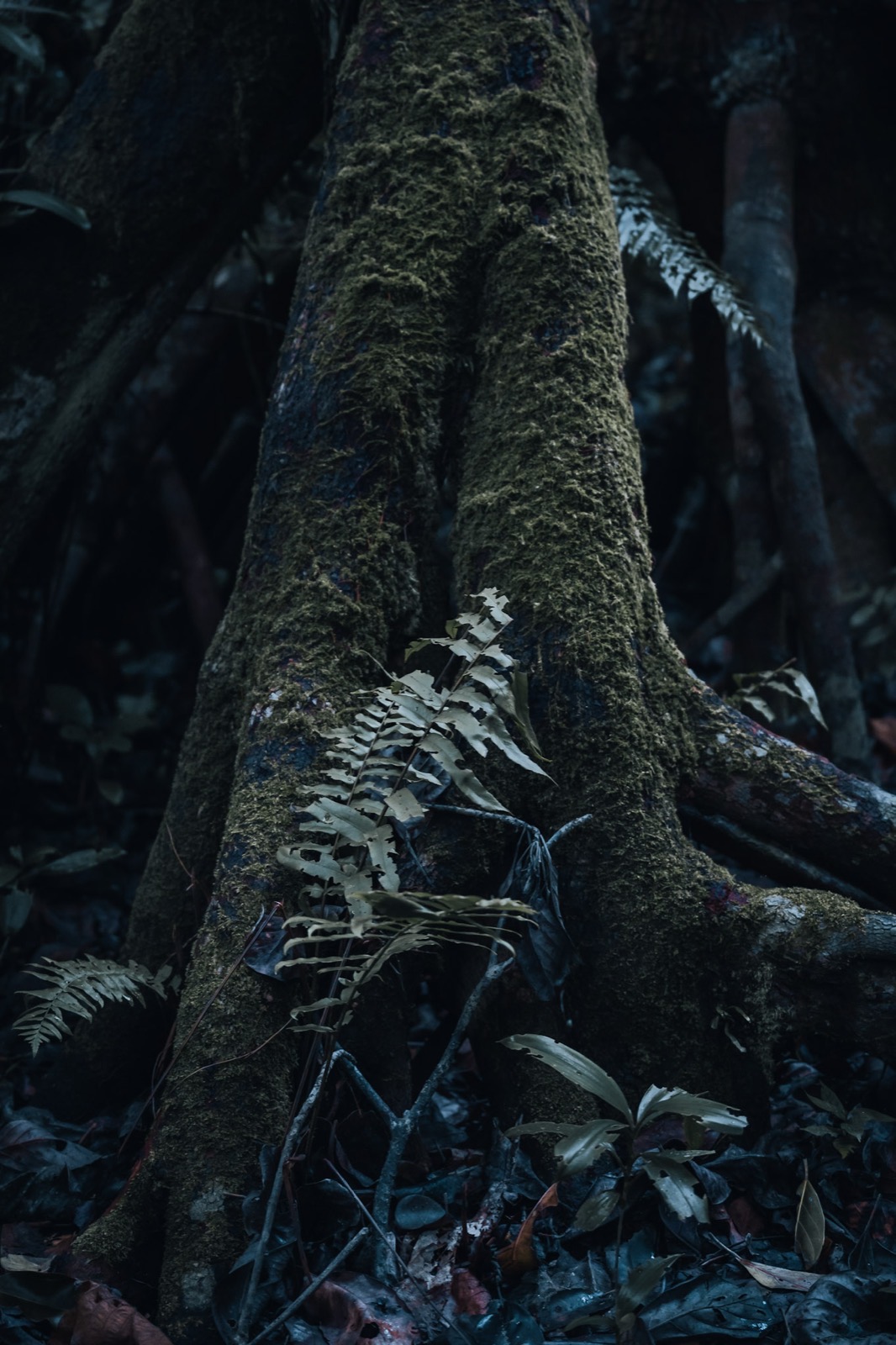
The park occupies a narrow forested strip along the lakeshore, steeply hilly and covered in dense montane forest. No vehicles. No road network. Just forest trails and chimpanzees.
The Jane Goodall connection
Jane Goodall and her mother arrived at Kigoma in the summer of 1960 and crossed Lake Tanganyika to what was then the Gombe Stream Game Reserve. Goodall was 26 years old and held no university degree in science. The palaeontologist Louis Leakey had chosen her precisely for that — he wanted someone without academic preconceptions who could observe chimpanzees in the wild over a sustained period.
The chimpanzees avoided her. Months passed. Then a male she named David Greybeard — the first Gombe chimp to tolerate her presence — began approaching camp. And one morning, Goodall saw the observation that changed primatology: David Greybeard stripped the leaves from a grass stem, poked it into a termite mound, and withdrew it covered in termites. He ate them. Then he did it again.
A non-human animal was manufacturing and using a tool.
Leakey’s response, cabled to Goodall: “Now we must redefine tool, redefine man, or accept chimpanzees as humans.”
The Gombe Stream Research Centre was founded in 1965. It continues today — 65 years after Goodall’s arrival — as the world’s longest-running field study of a wild animal population. Individual chimpanzees are documented across generations: mothers, daughters, grandchildren, great-grandchildren. The archive this produces is what makes Gombe uniquely valuable to science. No other wild population has been followed with this density of data over this length of time.
I find it difficult to explain what it feels like to stand in a forest where that research lineage still runs. The continuity is the point. The chimpanzee you are watching may be the grandchild of an individual David Greybeard groomed in 1963.
The Kasekela community and what you will see
The Kasekela community is the most intensively studied and habituated group in Gombe. Rangers and trackers know their daily ranges, sleeping trees, and preferred food sources by season. Trekking begins at first light — finding the chimps depends on where they slept the night before and what food trees are fruiting that morning.
Grooming: The primary social bonding behaviour. Grooming removes parasites, but that is secondary — it consolidates alliances, signals rank, and repairs relationships after conflicts. Watching grooming chains tells you everything about the political structure of the community.
Tool use: Gombe is the site where wild tool use was first documented. Termite fishing — inserting a modified grass stem into a termite mound and withdrawing it loaded with insects — is still observed regularly here. Research has also shown that Gombe chimpanzees use longer and wider termite-fishing tools than Mahale chimpanzees — a documented cultural difference between two communities living in the same forest type, 150 km apart.
Pant-hoots: The long-distance vocalisations chimpanzees use to communicate location. The Kasekela community’s pant-hoot is distinctive enough that experienced trackers can identify it from other communities across the valley. These calls carry kilometres through the forest and are often the first sign that the chimps are nearby.
Dominance displays: Alpha males display through piloerection (fur standing on end), stamping, branch-dragging, and loud screaming. Impressive at three metres. The 10-metre minimum distance rule protects both visitors and chimpanzees — Gombe’s ~90 individuals are vulnerable to respiratory diseases transmitted from humans, and disease is one of the two primary documented threats to the population.
Important: If you have a cold, flu, or respiratory symptoms, do not trek. Gombe’s chimpanzees have no immunity to several common human viruses. The 1966 polio outbreak at Gombe — the first documented in wild chimpanzees — killed several individuals. This is not a precaution unique to Gombe, but at 90 individuals, the stakes are acute.
The trek
Trekking in Gombe is on foot. No vehicles enter the park. This means you move through the forest the same way researchers have for 65 years — listening for pant-hoots, following trackers who know individual chimps by name and personality, climbing when the terrain rises toward the ridge.
Start time is typically 06:00–07:00. The full activity — trek to the chimps, one hour in contact, return — takes 5–8 hours depending on where the community is ranging. Terrain runs from lakeshore flat to steep hillside. Reasonable fitness is needed; the forest floor is uneven and the slopes can be sharp in the wet season.
An armed ranger accompanies every group. The chimpanzees are not a danger to humans, but the forest has other wildlife — including olive baboons, which can be bold near camp. Rangers manage any baboon interactions.
If the Kasekela chimps are in dense canopy when you reach them, you wait. Guides know their patterns. Patience is almost always rewarded: Gombe’s chimpanzee sighting success rate is above 80%.
Getting to Gombe
Step 1 — fly to Kigoma: Kigoma (KIK) is the gateway. Domestic flights from Dar es Salaam take approximately 1.5–3 hours depending on routing and connections. Air Tanzania and regional charter operators serve the Dar–Kigoma route. Kigoma is also reachable from Arusha by charter flight. There is a road option — the Tanzania-Zambia Railway (TAZARA from Dar) passes through Kigoma — but the train journey takes approximately 40 hours and road conditions on the western Tanzania route are variable.
Step 2 — boat to Gombe:
| Option | Duration | Cost | Notes |
|---|---|---|---|
| Public boat | 3–4 hours | USD 3.50 each way | Departs Kigoma 12:30 pm (Mon–Sat); return 8:00 am from Gombe |
| Charter motorboat | ~2 hours | ~USD 100–200 | Flexible departure; most lodges can arrange |
Gombe is 16 km north of Kigoma by lake. The charter option gives flexibility for an early morning start — important if you want to begin trekking at first light. The public boat schedule is fixed and limits same-day arrival logistics.
Base in Kigoma: Kigoma Hilltop Hotel is consistently recommended by travellers as the best base for Gombe (and Mahale) trips.
Accommodation in Gombe: Simple park bandas (huts) inside the park. Gombe is not a luxury destination — the research history is the draw, not the facilities. A reported cost for two people covering one day’s park entry, the trek, accommodation, and boat was USD 311.40 total.
Fees and permits
| Fee | Amount |
|---|---|
| Chimpanzee trekking permit (non-resident) | USD 100 per person |
| Park entry / Conservation Fee (non-resident adult) | USD 118 per day |
| Ranger guide fee (if applicable) | ~USD 20 |
| Children under 5 | free |
| Children under 12 | not permitted on treks |
| Park ticket validity | 24 hours from beach landing |
The 24-hour clock starts when you land on the Gombe beach. Staying more than one day means paying the conservation fee again for the next calendar day. Book through TANAPA directly or through a specialised Tanzania operator. In peak season (July–October), availability fills — booking 3–6 months ahead is recommended.
Gombe vs Mahale — choosing between them
Tanzania has only two chimpanzee trekking sites, and both are on Lake Tanganyika. The choice comes up in every western Tanzania itinerary:
| Gombe | Mahale | |
|---|---|---|
| Park size | 35 km² | ~1,500 km² |
| Access | Public boat from Kigoma, 3–4h | Charter flight (45 min from Kigoma) or speedboat 4–6h |
| Chimp population | ~90 | over 1,000 |
| Trekking permit | USD 100 | USD 150 |
| Park entry fee | USD 118/day | USD 94.40/day |
| Accommodation | Basic bandas to mid-range | High-end only (Greystoke Mahale) |
| Historical significance | Jane Goodall’s 65-year research site | Less historically prominent |
| Scenery | Lake Tanganyika + forest | Dramatic mountain-lake landscape |
| Remoteness | Moderate | Extreme |
Choose Gombe if: You have 1–2 nights in western Tanzania, the Goodall research history matters to you, or budget is a real constraint. Gombe’s permit (USD 100) is cheaper than Mahale’s (USD 150), and you can reach it on a USD 3.50 public boat rather than a charter flight.
Choose Mahale if: Western Tanzania is the focus of your trip (3–4+ nights), you want the most exclusive experience in Tanzania, or the dramatic mountain-lake scenery is a priority. Greystoke Mahale lodge starts at around USD 1,125 per person per night.
Combine both: It is possible. Kigoma → Gombe (1–2 nights) → Kigoma → charter to Mahale covers both parks in 6–7 days. Several Tanzania operators offer this as a packaged western circuit, often adding Katavi National Park for a third experience — hippo concentrations in the dry season, essentially zero tourist traffic.
Other wildlife at Gombe
Gombe is not only about chimpanzees. The montane forest above Lake Tanganyika holds a varied fauna, and the lake itself offers something unusual.
Red colobus monkeys: Gombe is one of the few places where you can observe the full predator-prey dynamic between two primates. Goodall documented chimpanzees hunting red colobus in coordinated group hunts — a behaviour that demonstrated omnivory in a species previously assumed to be primarily plant-eating. Witnessing a hunt is rare, but the colobus are always present.
Olive baboons: Several baboon groups live alongside the chimpanzees in Gombe. Researchers began studying the baboons alongside the chimps — making Gombe one of the only sites where two primate species have been continuously researched in parallel. The baboons near camp are bold; keep food inside tents.
Vervet monkeys and red-tailed monkeys: Common forest residents throughout the park.
Lake Tanganyika cichlids: The lake directly below the park holds at least 241 cichlid species, 239 of them endemic. Snorkelling is possible from the lakeshore near camp. No beach swimming inside the park — but the view across the lake from the forested hillsides is exceptional.
Best time to visit
June–October (dry season): The preferred window. Vegetation is lower, making chimpanzees easier to follow through the undergrowth. Trails are less muddy. Lake surface conditions are more predictable for the boat crossing. This is also when Gombe gets its modest peak in visitors — book permits in advance.
February: A secondary good window, falling in the short dry period. Less crowded than the main dry season, and wildlife conditions are generally solid.
April–May: Avoid. The heaviest rainfall makes forest trails difficult and lake crossing conditions can be rough. Chimpanzees are harder to track in dense wet-season vegetation.
Even in the dry season, the montane forest is humid. Pack light moisture-wicking clothing, sturdy closed-toe footwear, and a light rain layer regardless of forecast. Leeches are common in the wet season — less so in the dry, but present in damp sections of trail.
Standing in Gombe’s forest in the morning quiet, listening for the first pant-hoots before the trackers have located the Kasekela community, I think about what it means that this research has not stopped for 65 years. The first generation of field assistants trained by Goodall trained the next generation, who trained the current researchers. The data set is unbroken. The chimpanzees alive today have been observed, named, and tracked since before most of their observers were born. There is no comparable wildlife study anywhere on Earth.
For the complementary experience — more remote, more exclusive, more dramatic scenery — the Mahale Mountains National Park guide covers the M-group chimps, Greystoke lodge logistics, and how Mahale fits a western Tanzania circuit. For the cost comparison and planning context, the budget comparison for both circuits includes a full breakdown of western Tanzania fees versus northern circuit pricing. For two- or three-park western Tanzania circuits combining Gombe, Mahale, and Katavi, the complete northern circuit itinerary covers how the western parks connect.
→ Related guides: Chimpanzee trekking Tanzania — Gombe and Mahale compared · Mahale Mountains National Park — M-group and Lake Tanganyika · Tanzania safari costs 2026 · Tanzania entry requirements and eVisa · All Tanzania safari guides
Frequently asked questions
How do you get to Gombe Stream National Park?
Gombe is accessible only by boat from Kigoma — there is no road access. A public boat runs daily Monday to Saturday, departing Kigoma at 12:30 pm and taking 3–4 hours; the fare is USD 3.50 each way. Return from Gombe departs at 8:00 am. For more flexibility, charter a private motorboat (~USD 100–200, approximately 2 hours). Gombe is 16 km north of Kigoma by water. To reach Kigoma, fly from Dar es Salaam (approximately 1.5–3 hours depending on route and connections).
What does chimpanzee trekking at Gombe cost?
The chimpanzee trekking permit at Gombe Stream costs USD 100 per person. Park entry (TANAPA Conservation Fee, non-resident adult) is USD 118 per day — one of the highest daily park fees in Tanzania. An additional ranger guide fee of approximately USD 20 may apply. The park ticket is valid for 24 hours from beach landing; staying beyond that requires paying for a second day. Children under 5 enter free; children under 12 are not permitted on chimpanzee treks.
Is Gombe better than Mahale for chimpanzee trekking?
Gombe and Mahale offer different experiences rather than one being better. Gombe is smaller (35 km²), easier and cheaper to reach (public boat from Kigoma versus charter flight or long boat to Mahale), and carries the historical weight of Jane Goodall's 65-year research lineage. Mahale has a much larger chimpanzee population (over 1,000 versus ~90 at Gombe), more dramatic scenery, and more exclusive accommodation. Gombe costs significantly less. Choose Gombe for history and accessible logistics; choose Mahale for exclusivity and scenery.
When is the best time to visit Gombe Stream?
June to October (dry season) is the best window for chimpanzee trekking at Gombe: lower vegetation makes chimps easier to follow, trails are less muddy, and lake conditions are more predictable for the boat crossing. A second good window runs approximately February through June. Avoid April–May (heaviest rains, difficult trails, and potentially rough lake conditions for boats). Chimpanzees are year-round residents and are habituated regardless of season.
What did Jane Goodall discover at Gombe?
In October 1960, Goodall observed David Greybeard — the first Gombe chimpanzee to accept her presence — stripping leaves from a grass stem and using it to extract termites from a mound. This was the first documented tool use in a non-human species in the wild. Louis Leakey's response on hearing the news: 'Now we must redefine tool, redefine man, or accept chimpanzees as humans.' The discovery overturned the scientific assumption that tool use was a uniquely human capability.
How long can you spend with chimpanzees at Gombe?
Visitors are permitted one hour in contact with chimpanzees per visit. The trek itself — from camp to finding the chimps and back — takes between 30 minutes and several hours depending on where the Kasekela community is ranging that morning. Total activity time, including trekking and the one-hour contact period, is typically 5–8 hours. Trekking starts at first light to maximise the time available before midday heat.