
Facts & prices checked: 2026-06-25
Choosing a kite school in Paje feels harder than it should be. Every school markets itself as the best, prices overlap, and the beach is busy enough that you can stand in front of five schools within 200 metres. I’ve watched the operations from the water over multiple seasons. Here is what actually matters.
Why the school choice matters less than people think — and more
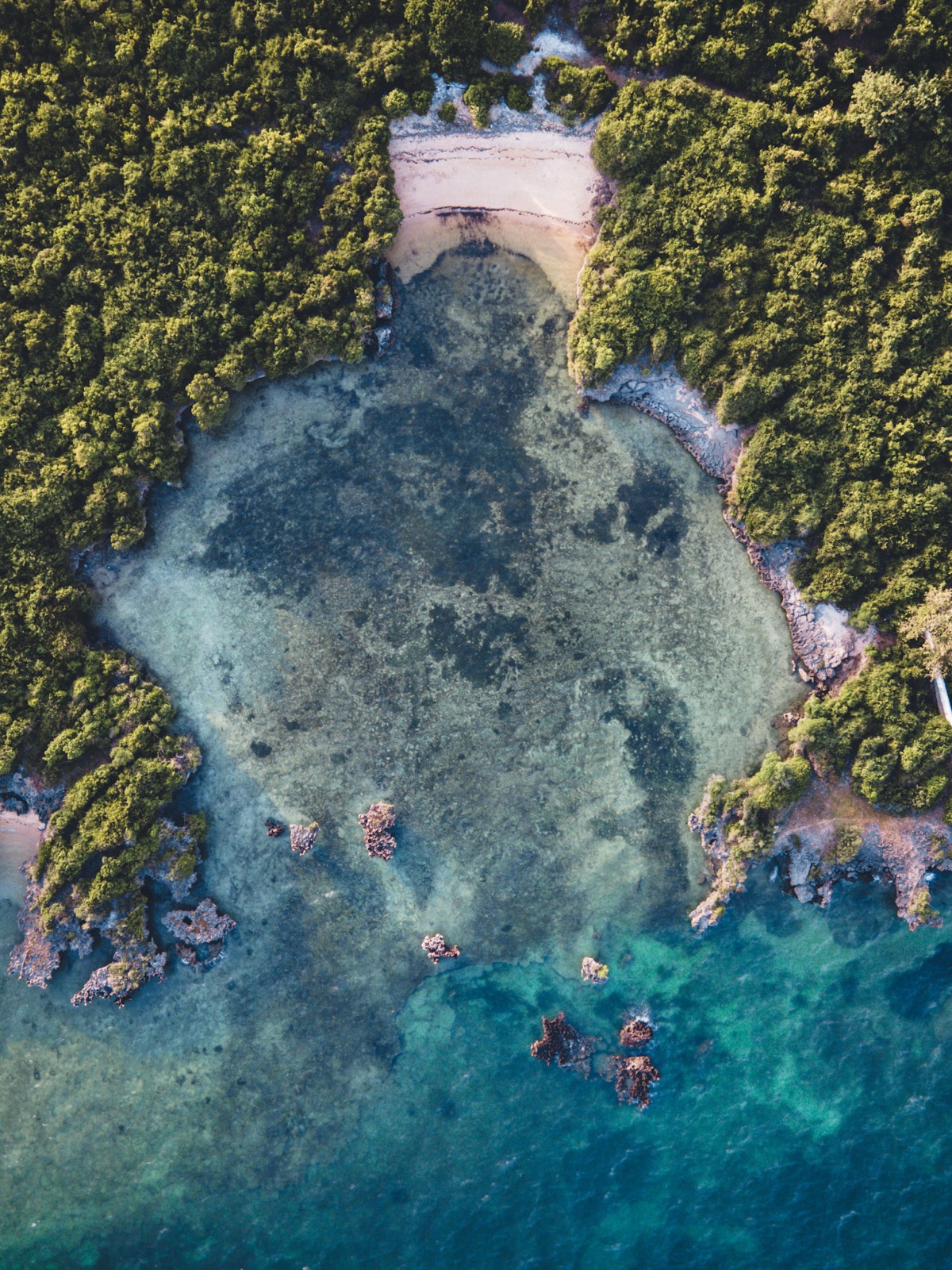
The lagoon at Paje is genuinely forgiving. A wide, sand-bottomed flat that empties to knee-depth at low tide means that a beginner who crashes in the wrong direction lands in 60 centimetres of warm water, not a reef or a swell. The conditions remove a layer of danger that exists at deeper-water kite spots globally.
What this means: a competent beginner course at any IKO-certified school in Paje will produce the same outcome — you will body drag confidently after 3–4 hours and be on the board by hours 6–9. The lagoon does a lot of the teaching.
What school choice actually determines: instructor-to-student ratio, equipment quality, tide-aware scheduling, and whether rescue cover is fast and automatic. Those are the real variables.
The main schools in Paje
Kite Centre Zanzibar
Established: 2006 — the longest-running school on the beach.
IKO status: IKO-certified, listed in the IKO school directory for Paje Beach.
Gear: Exclusively Duotone Kiteboarding (formerly North/Slingshot Duotone). The school states it updates equipment regularly — ask which model year the teaching kites are from.
Instructors: Multilingual. Instructors teach in French, English, and Dutch. If you are a French or Dutch speaker, this matters.
Lessons: Beginner to freestyle. IKO course structure followed. €33 per hour for lessons; full beginner course pricing on request.
Extras: Surf shop on site, equipment rental, storage, SUP tours (3–4 hour trip with hotel pickup and drop-off), restaurant, and attached hotel accommodation.
Open: Daily 09:00–18:00 (Sunday 09:00–17:00).
Location: Paje Beach, via Michamvi Road. Self-described as located in the middle of the lagoon — meaning a beachfront position with direct water access rather than a walk through village.
Best for: Beginners wanting a structured IKO course with language options, riders wanting to combine lessons with accommodation at the school, intermediate riders looking for freestyle coaching.
Aquaholics Zanzibar
Established: 2014 as a surf school; expanded to a full watersports centre.
IKO status: IKO-affiliated.
Lessons:
- Group (2 students sharing an instructor): US$55 per person per hour
- Private: US$90 per person per hour
- Private course packages: US$305 for 4 hours / US$450 for 6 hours / US$570 for 8 hours / US$700 for 10 hours
- Group course packages (2 per instructor): US$250 for 6 hours / US$375 for 9 hours / US$480 for 12 hours
Gear rental (board only): US$15 per hour; US$30 per half-day; US$40 per full day. Discounted rates for longer periods: US$20 per day for 4 days or more; US$15 per day for 7 days or more.
Season: Main season mid-December to mid-March and June to mid-September. Mid-December is noted as a poor time for kiting in Paje due to unreliable wind — the school’s own wind forecast guidance says 10 knots and under means conditions are too light.
Other water sports: SUP (approximately 2 hours, US$10 for 1 hour), snorkelling.
Best for: Riders who want transparent course pricing with clear hour-by-hour options. The course package structure makes it easy to budget a full beginner progression. Good for solo travellers who want semi-private pricing with others at a similar level.
Bkite Zanzibar
IKO status: IKO-affiliated.
Gear: North Kiteboarding.
Levels: Beginner to advanced.
Open: Daily 08:00–18:30 (some sources list Tuesday–Saturday for certain services).
Tripadvisor reputation: Rated by reviewers as the best quality-to-cost ratio in Paje — “quality vs cost is the best in Zanzibar” in multiple reviews. This is the claim that distinguishes it from the larger schools.
Best for: Experienced riders who want value-focused rental and instruction without paying a premium for a large school’s overhead. Worth enquiring if you are intermediate or advanced and cost-conscious.
Zanzibar Kite Paradise
IKO status: IKO-affiliated.
Season: Operates seasonally — open 15 June to 15 September and 15 December to 15 March. Outside those dates, the school closes entirely.
Group lesson pricing: Approximately €140 for 3 hours / €480 for 12 hours (beginner group rates).
Rental: US$20 per day, US$80 per week (board/basic equipment).
Best for: Beginners on a tighter budget who can coordinate their travel dates with the seasonal opening windows. The group lesson structure is the most affordable entry point on the beach.
B4Kitesurf Zanzibar
Package: 2-day, 6-hour beginner lesson package at €300 per person, with gear included.
IKO status: IKO-affiliated.
Best for: Riders who want a short, intensive 2-day introduction rather than spreading lessons across 4 days. The 6-hour compressed format suits people with limited time who want to reach body-drag level quickly.
Kite N Surf Zanzibar
Location: Paje Beach.
IKO status: IKO-affiliated.
Private course: 10-hour beginner private kiteboarding course at US$682 (via Kiterr booking platform).
Best for: Riders who want fully private instruction for a complete beginner course. At US$68 per hour effective rate for private 1:1 instruction, it sits in the middle of the private price range.
Jambo Kite School
Location: Jambo Beach Hotel, Paje — described by the school as being in front of the best kite spot in Paje.
IKO status: IKO-affiliated.
Best for: Riders staying at or near Jambo Beach Hotel who want a school directly attached to their accommodation.
School comparison at a glance
| School | IKO | Gear brand | Open | Best for |
|---|---|---|---|---|
| Kite Centre Zanzibar | Yes (since 2006) | Duotone | Daily 09:00–18:00 | Beginners, multilingual (EN/FR/NL) |
| Aquaholics | Yes (since 2014) | Not specified | Seasonal | Course packages, solo travellers |
| Bkite | Yes | North Kiteboarding | Daily 08:00–18:30 | Value-focused intermediates |
| Zanzibar Kite Paradise | Yes | Not specified | Seasonal (Jun–Sep / Dec–Mar) | Budget beginners |
| B4Kitesurf | Yes | Not specified | Seasonal | Compressed 2-day intro |
| Kite N Surf | Yes | Not specified | Seasonal | Private full-course |
| Jambo Kite School | Yes | Not specified | Seasonal | Hotel-attached riders |
What to ask before you book — regardless of school
1. What is the instructor-to-student ratio on my lesson days? The standard for beginner kitesurfing is 1:1 or maximum 1:2. Any answer above two students per instructor for a first session is a compromise. A group of five beginners with one radio-carrying instructor cannot deliver safe, effective learning.
2. How do you adjust session timing for the tide? Schools that schedule fixed slots at 09:00 and 14:00 regardless of tide conditions are not running tide-optimised operations. At Paje, the low-tide window is the best learning window — it moves by approximately 50 minutes each day. A good school adjusts its schedule weekly and tells you when to arrive. Ask this before you pay.
3. What rescue cover is in place? Every legitimate school operates a dedicated rescue boat or jet ski during sessions. Ask specifically: “What happens if my kite crashes outside the lagoon?” The answer should be immediate, automatic retrieval — not “we’ll wait and see.”
4. How old is the teaching gear? LEI (leading-edge inflatable) kites used for beginner instruction take significant punishment. Bladders that have been repeatedly repaired lose their structural stiffness and make the kite harder to relaunch. Ask when the school last replaced its teaching kites; a school that can give a specific answer is running a tighter operation than one that answers vaguely.
Prices: what a kite week realistically costs
Budget planning based on facts from multiple schools:
Beginner course (9–12 hours over 3–4 days): US$350–500 at most schools, or up to US$682 for 10 hours fully private.
Daily equipment rental (for qualified riders, IKO Level 2+):
- Board only: US$15–25 per day
- Full gear (kite, board, harness): approximately US$45–80 per day
- Weekly gear rental: US$350–600
Kite-only rental: US$30 per day; US$50 for 4 days; discounted rates for 7 days or more.
Storage and rescue support: US$50–70 per week.
I’ve watched what people actually spend in a Kusi week in Paje: a rider who arrives already at IKO Level 2 and rents full gear for 5 session days plus a downwinder shuttle and 1 rental upgrade day will typically spend US$300–450 on water-side costs, excluding accommodation and food.
The tide factor: the thing more important than which school you choose
I keep coming back to this because it is what beginners consistently underestimate. The tidal range at Paje is 2.5–3.5 metres. At low tide you have hundreds of metres of knee-deep flat water — the ideal beginner space. At high tide the lagoon fills, the bottom disappears, and crash recovery becomes harder.
Every school knows this. The ones who build their daily schedule around the tide table — adjusting session times week by week — are the ones doing their job properly. Ask about it. If a school’s schedule is fixed regardless of when the tide falls, that tells you something.
Kusi vs Kaskazi: the two seasons and what they mean for your school choice
The wind you get in Paje is entirely dictated by which monsoon is running. Understanding both seasons helps you pick not just when to go, but how to approach your school selection and gear choices.
Kusi (June–October) — the main kitesurf season:
The Kusi is a southeasterly trade wind, cooler and drier than the Kaskazi. It runs June through October, with the strongest winds in July and August — averages of 15–25 knots, with July peaks at 20–22 knots and gusts above 23 knots. KiteCentre Zanzibar identifies mid-June to mid-October as the best months for beginners, citing the side-onshore wind angle that keeps riders working into the lagoon rather than out to sea.
For school choice this matters: during peak Kusi (July–August), private lessons book out. I’ve seen the lagoon with every school running at capacity, instructors stretched, and walk-in beginners turned away. Book 2–3 days ahead minimum; a week ahead is safer for private slots.
Kite size in the Kusi: schools rig 9m to 12m kites for most July–August sessions. Stronger gusts mean a smaller kite covers more days — confirm with your school on lesson morning.
Kaskazi (December–March) — the secondary season:
The Kaskazi blows from the northeast. Wind speeds run 12–20 knots, lighter and gustier than the Kusi. One Zanzibar weather source records the range at 12–18 knots with occasional stronger days reaching 20 knots. This is the season where intermediate riders practise freestyle tricks and beginners have a slightly more forgiving window — lighter wind means kites fly more overhead rather than driving hard downwind.
Mid-December is a poor time: Aquaholics’ own scheduling notes say the transition into Kaskazi can produce 10 knots or under, which is too light for meaningful learning. The season gets more consistent from late December through February. Kite size: 12m or larger on most days.
Shoulder months (April–May and October–November):
These are the rain transition periods. Wind is unreliable. Most schools reduce hours or close entirely. Do not plan a kite trip around April or May.
From body drag to riding: the IKO progression and what hours buy you
IKO (International Kiteboarding Organisation) courses follow a structured progression. Understanding the levels helps you plan how many hours to budget and what each stage feels like.
IKO Level 1 — Assisted kite flying and body drag (typically 3–6 hours):
The first sessions are on the beach with a trainer kite, then in the water body-dragging: the kite in the air, you in the water, no board. The goal is kite control — being able to fly the kite through the wind window without crashing it. Most learners reach solid body drag by the end of the first session day (3–4 hours). The Paje lagoon makes this safer than almost anywhere: shallow enough to stand up from a crash at any point.
I watched a first-timer from my group in the lagoon during a Kusi week — by hour 4 she was body-dragging upwind reliably, which is faster than the same skill at open-water spots where crash recovery slows everything down.
IKO Level 2 — Water start and riding (typically 6–12 hours cumulative):
This is the level that unlocks gear rental at most schools. The water start — pulling the kite, standing on the board, riding — is the hardest physical and coordination skill in kitesurfing. Most learners attempt their first water starts around hours 5–7. Consistent riding across the lagoon typically arrives at hours 8–12. A TripAdvisor first-hand account describes completing a full beginner course in 9 hours over two days.
At IKO Level 2, you can rent full gear independently at all Paje schools. Rates for qualified riders: US$45/day or US$350–600/week for full gear including kite, board, and harness.
Beyond Level 2 — Transitions, jumps, and foiling:
Kite Centre Zanzibar offers wing and foil lessons explicitly. The flat Paje lagoon at low tide is genuinely one of the better foiling environments in East Africa — the shallow, glassy water at the right tide window is exactly what foil learning requires. Foil sessions are typically quoted separately from standard rental; ask on arrival.
Gear rental and ownership: the tradeoffs at Paje
Most riders who come to Paje for a week rent rather than ship their own equipment. Here is where the economics land:
Renting makes sense if:
- You are a beginner or progressing through IKO Level 2 (your own kite would be damaged in the learning phase)
- You are an intermediate rider visiting once or twice a year (shipping costs plus airline oversize fees outweigh rental costs)
- You want to try different kite brands and sizes on different wind days
Owning makes sense if:
- You ride 30+ days a year across multiple trips (weekly rental at US$350–600/week adds up quickly)
- You have a preferred kite size and bar that you want consistent muscle memory with
- You want foil-specific equipment not available in standard rental fleets
What Paje schools typically have in rental:
- LEI kites in common sizes (9m, 12m, and occasionally 7m for strong Kusi days)
- Twintip boards in standard sizes
- Harnesses in seat and waist styles, but in limited sizes — bring your own harness if fit matters
- Wetsuits or rash guards are rarely included; bring your own rash guard
One practical thing I always tell riders coming to Paje: bring your own reef booties (water shoes). The lagoon edge near the reef has sea urchins at low tide. Not optional, and rental shops do not carry them reliably.
Where to stay in Paje as a kite student
Accommodation in Paje ranges from dorm beds at US$15–25/night to mid-range hotels from US$49/night on platforms like KAYAK, up to boutique options in the US$250+ range. For a kite week, location matters more than luxury.
Proximity to the water is the main variable. A student staying 1 km inland loses 15–20 minutes each way — add gear carrying, and the round-trip inefficiency eats into session windows that are already tide-dependent. The best kite-student accommodation in Paje is beachfront or within a 5-minute walk.
Board storage: Ask your school about weekly storage — most charge US$50–70 per week. If your accommodation is directly attached to a school (Kite Centre Zanzibar has hotel rooms on site, Jambo Kite School is attached to Jambo Beach Hotel), storage is usually included or trivially convenient.
Noise vs sleep: Peak Kusi weeks (July–August) mean the Paje beach restaurants and bars run late. Paje By Night is a well-known relaxed option with Italian-Swahili fusion food and a yoga shala if recovery sessions matter to you — it sits about 100 metres back from the beach. If you need sleep ahead of early morning sessions, check how close you are to the main beach strip before booking.
Kite community: Every school runs a WhatsApp group for guests. Join it on day one. Downwinder logistics (boats, transport) run through these, and they are the informal network that turns a Paje kite week from a commercial course into an actual community experience.
Choosing by rider type
Complete beginner: Kite Centre Zanzibar or Aquaholics. Both have structured IKO progressions, clear pricing, and the longest track records in Paje. Request a 1:1 or 1:2 ratio explicitly.
Beginner on a tighter budget: Zanzibar Kite Paradise group lessons (€140 for 3 hours). Confirm they are open for your travel dates — the seasonal window is June 15–September 15 and December 15–March 15.
Short stay (2–3 days), want to get to body-drag level only: B4Kitesurf’s 2-day, 6-hour package at €300 is the most time-efficient option. Manages expectations clearly — 6 hours will not get most people riding, but it will get them to body drag.
Intermediate/advanced, want gear rental and coaching: Bkite for value, Kite Centre Zanzibar for gear quality (Duotone).
Foil or wing session: Kite Centre Zanzibar lists wing and foil lessons explicitly. The flat Paje lagoon at low tide is among the best foiling environments in East Africa.
After you choose: the practical checklist
- Book at least 2–3 days ahead during peak Kusi (July–August). Schools fill, particularly for private lessons, and the best instructors are assigned in advance.
- Arrive with water shoes (reef booties). The lagoon edge near the reef has sea urchins at low tide. Not optional.
- Bring SPF 50+ waterproof sunscreen. Apply before launching. The wind removes it faster than you notice.
- Download iKitesurf or Windy.com before you land. Cross-check both for Paje — they read the local conditions differently, and comparing gives a more accurate picture of the next session window.
- Join the school’s WhatsApp group on day one. Downwinder logistics and wind condition updates run through these, and they are how you get into the informal community that makes a Paje kite week more than just lessons.
For the full picture of Paje’s two wind seasons, kite sizes by month, and how the tide shapes every session, see the wind-and-tide kitesurfing overview.
→ Related guides: Zanzibar kitesurfing — wind seasons and the lagoon · Paje — the east-coast kite village · Jambiani — quieter alternative 10 km south · comparing the island’s beaches · East Coast overview — tides and villages
Frequently asked questions
Which kite school in Paje is best for beginners?
Any IKO-certified school in Paje can teach beginners safely — the lagoon structure removes most of the risk. The real differentiator is instructor-to-student ratio: insist on 1:1 or maximum 1:2 for your first sessions. Kite Centre Zanzibar (since 2006, IKO-certified, multilingual instructors) and Aquaholics (since 2014, structured course packages from US$305 for 4 hours) are the two most consistently recommended for first-timers. Ask both schools what the ratio will be on your lesson day before you pay.
What does a beginner kite course cost in Paje?
Private hourly rates run from US$55 (group, 2 students sharing an instructor, with Aquaholics) to US$90 per person for a private lesson with Aquaholics, or €33 per hour with Kite Centre Zanzibar. A full beginner course (9–12 hours over 3–4 days) costs roughly US$350–500 at most schools. B4Kitesurf offers a 2-day, 6-hour package at €300. Kite N Surf lists a 10-hour private course at US$682.
Are all kite schools in Paje IKO-certified?
The established schools — Kite Centre Zanzibar, Aquaholics, Bkite, Kite N Surf, B4Kitesurf, Zanzibar Kite Paradise — are all IKO-affiliated. The IKO (International Kiteboarding Organisation) requires instructors to be registered and to follow a structured teaching progression. Always confirm IKO certification before booking; a few ad-hoc instructors in Paje operate independently.
What gear brands do Paje kite schools use?
Kite Centre Zanzibar exclusively uses Duotone Kiteboarding gear. Bkite Zanzibar uses North Kiteboarding. Aquaholics does not publicly specify a single brand. Gear brand matters mainly for intermediate and advanced riders who want consistent kit feel; for beginners, instructor quality outweighs equipment choice.
When are Paje kite schools open?
Kite Centre Zanzibar is open daily from 09:00 to 18:00. Bkite Zanzibar is open daily from 08:00 to 18:30. Zanzibar Kite Paradise operates seasonally from 15 June to 15 September and from 15 December to 15 March. Hours outside those windows are reduced or suspended.
Can I rent kite gear in Paje without taking lessons?
Yes — all major schools rent equipment to qualified riders who hold IKO Level 2 or equivalent certification. Board-only rental runs US$15 per hour or US$30–40 for a full day. Full gear (kite, board, harness) runs approximately US$45 per day or US$350–600 per week. Aquaholics offers board rental at a discounted rate of US$20 per day for 4 days or more.
What kite size should I use in Paje?
Kite size depends on the season. During the Kusi (June–October), winds average 15–25 knots and peak at 20–22 knots in July — schools typically rig 9m to 12m kites for this window. During the Kaskazi (December–March), winds run 12–20 knots and a 12m kite or larger suits most days. Your school will rig the correct size for the day's conditions; if you're renting independently, confirm the forecast before pulling out a 9m in a 12-knot day.
How many hours does it take to learn to kitesurf in Paje?
A TripAdvisor review from a first-time learner describes completing a beginner course in 9 hours spread over two days. Most schools target 9–12 hours to reach independent riding on flat water. Body-drag control typically arrives after 3–4 hours; water-start attempts begin around hours 5–7; consistent riding follows at hours 8–12 depending on the rider. The Paje lagoon's shallow flat water accelerates the learning curve compared with deeper-water spots.