
Facts & prices checked: 2026-08-20
I’ve been working on Zanzibar’s coast for years. When guests arrive with 7 days and no plan, they lose two of them deciding. This guide gives the structure that works: three bases, the key facts about transfers and tides, and the one practical warning that almost every travel article leaves out.
Understanding Zanzibar geography first
Zanzibar Island (Unguja) runs roughly 85 km north to south. Three areas form the core of any 1-week itinerary:
- Stone Town (west coast): the cultural and historical centre, UNESCO World Heritage Site, labyrinthine alleys, carved wooden doors, Forodhani Night Market
- Nungwi (north coast): the largest beach resort area, year-round swimmable beach, sunset facing west over the Indian Ocean
- Paje (east coast): the kitesurfing hub, turquoise tidal lagoon, quieter village feel
Distances and drive times:
- Stone Town to Nungwi: 57 km, approximately 1 hour 15 minutes by road
- Stone Town to Paje: 49 km, approximately 45 minutes
- Airport to Stone Town: 7–8 km, approximately 15–20 minutes by taxi (USD 15–20)
- Nungwi to Paje: approximately 1.5 hours
These times matter because you lose a morning or afternoon every time you move. Three accommodation changes in 7 days is the practical limit.
Day 1 — Arrive, Stone Town orientation
Airport → Stone Town: 15–20 minutes by taxi. Fixed-rate taxis run from the airport arrival hall: agree the fare before departure. Standard: USD 15 to Stone Town. Pre-book transfer to avoid the higher prices quoted to arrivals without one pre-arranged.
Afternoon: Check in. Then walk.
Stone Town has no useful map — the alleys reroute even experienced walkers. That is not a flaw; it is the experience. The grid is small enough to be found by instinct. The important landmarks are: the Old Fort (Ngome Kongwe), Forodhani Gardens on the waterfront, the House of Wonders, and the Anglican Cathedral built on the site of the former slave market.
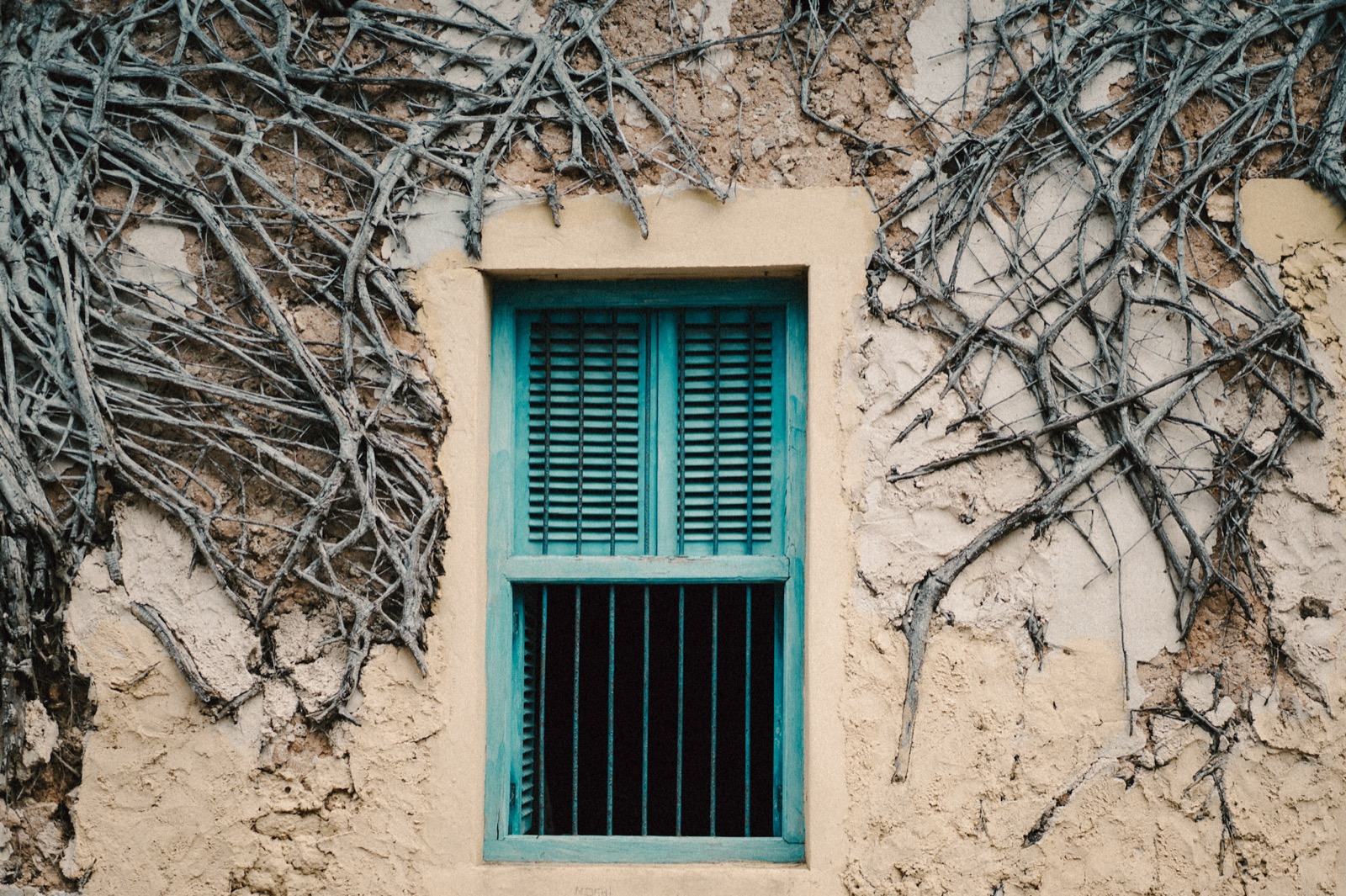
What you notice immediately: the carved wooden doors. Stone Town has over 500 intricately carved doors in the Arab, Indian, and Omani styles — dated entries, Quranic inscriptions, heavy brass studs. Each door is individual. Walking the alley network between Shangani and the seafront covers the highest density.
Evening: Forodhani Night Market opens around 18:00. This is the best introduction to Zanzibar food for a first-time visitor: Zanzibar pizza (a street crepe filled with egg, minced meat, cheese — nothing like Italian pizza), grilled octopus and calamari, fresh sugarcane juice, urojo soup. For a proper sit-down meal: the Africa House rooftop or Emerson Spice (book ahead for the rooftop dinner) give Stone Town from above at sunset.
Day 2 — Spice tour and Prison Island
Morning — Spice Tour (2–3 hours):
The spice farms are 20–30 minutes outside town, near Kizimbani and Kidichi. What you see: nutmeg, cloves, cinnamon, vanilla, ylang-ylang, turmeric, lemongrass, black pepper — all growing in context, which is different from buying powders in a market. Guides demonstrate and make woven art from banana leaves. Tip: buy fresh spices from the farm — better quality and cheaper than tourist shops.
Price: approximately USD 15 per person, including transport from Stone Town and a tasting. One of the best value-for-experience ratios on the island.
Afternoon — Prison Island (Changuu Island):
Prison Island lies 5.6 km northwest of Stone Town. Round-trip boat: approximately USD 30–40 from the Stone Town waterfront. Crossing time: 20–30 minutes each way. Island entrance fee: USD 22 per person (up from USD 4 after a September 2025 fee hike).
The island’s defining feature is its giant Aldabra tortoises — brought from the Seychelles, some over 100 years old. Note: as of late 2024, touching and feeding is no longer permitted. The snorkelling around the island is decent if the tide is right; ask your boatman.
Prison Island has a mixed reputation online — some travellers consider it a tourist trap; others find it genuinely worthwhile. My assessment: worth half a day for first-time visitors, skippable on return trips when Mnemba Atoll or Chumbe Island would be more meaningful.
Evening: Sunset from the rooftop at Africa House Hotel on the seafront. One of the best sunset positions in Stone Town — the terrace looks directly west over the Indian Ocean.
Day 3 — Stone Town → Nungwi (north coast)
Transfer north: 57 km, 1 hour 15 minutes by private car. Arrange through your hotel the evening before (USD 30–45). Dala-dala (shared minibus) to Nungwi runs approximately 2,000 TZS but takes 2–3 hours including changes at Darajani Market and intermediate stops — functional but slow for day-of arrival.
Why Nungwi for Days 3–4:
The fundamental difference from the east coast: Nungwi’s reef lies far offshore. The beach stays swimmable at any state of the tide. If you have limited time and want uncomplicated swimming without checking a tide chart, Nungwi is the right call.
Afternoon:
Check in. The main beach faces west — directly into the sunset. Walk east toward the traditional fishing harbour. The Mnarani Marine Turtles Conservation Pond sits on the eastern beach: a non-profit rehabilitation centre rescuing and releasing injured green and hawksbill sea turtles. Entry: USD 10. Worth a 30–45 minute visit — a smaller, more ethical alternative to commercial turtle centres. Open daily 09:00–18:00.
Sunset: The western main beach at Nungwi. Sunset falls directly over the Indian Ocean from this position. Nungwi is one of the few places on Zanzibar where the sun sets into open water — Stone Town has a good waterfront, but no beach; the east coast faces east entirely. Sundowner from the Terrace Nungwi terrace or a beach bar near 60°West.
Day 4 — Mnemba Atoll snorkelling
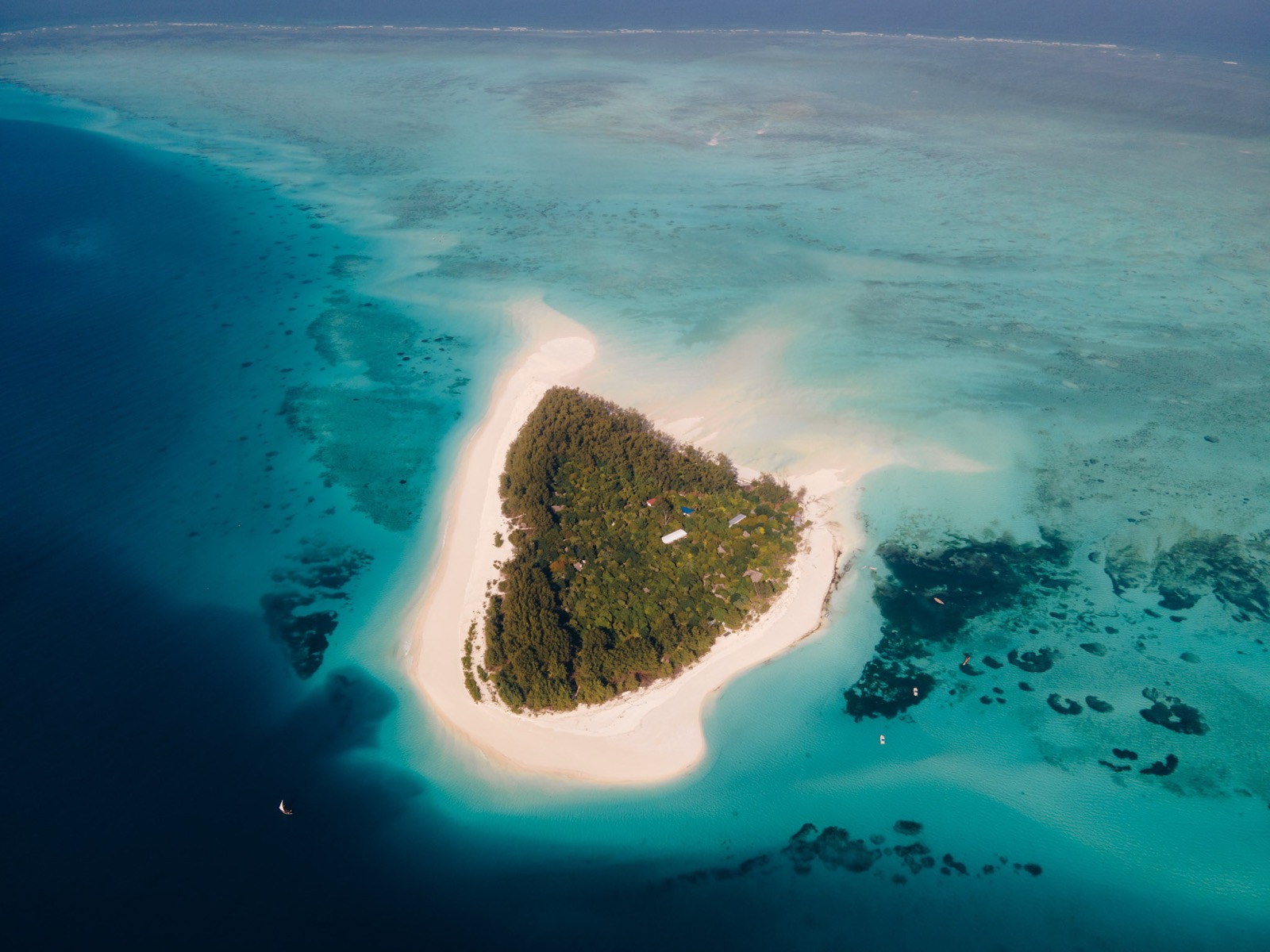
Mnemba Atoll: This is Zanzibar’s best snorkelling site — a protected marine reserve off the northeast coast. Snorkelling trips depart by boat from Nungwi or Muyuni pier. Boat time: approximately 1 hour from Nungwi, 20 minutes from Muyuni.
What you see: dense reef fish, green sea turtles (regular, less shy than at busier sites), and — on many trips — spinner dolphins approaching the boat. The reef health at Mnemba is significantly better than the accessible reef flats around most beaches. Snorkelling trip price: approximately USD 45–80 per person for a standard shared trip (fruit and water included, not lunch); private or premium boats run USD 80–125.
Honest note: the site is popular and boats converge. Early departure (pre-08:00) means fewer boats. The snorkelling itself is worth the crowds — Mnemba is genuinely the best underwater environment accessible by day trip from Zanzibar.
Alternative for Day 4: A local fisherman’s boat trip to the sandbanks off the north coast is a quieter option — turquoise water, nobody else, basic snorkelling. Bookable on the beach (around USD 30–50 for 3–4 people, negotiated).
Evening: Kendwa Rocks Hotel is 3 km south of Nungwi along the beach (walkable at low tide, or by tuk-tuk). Kendwa hosts the monthly Full Moon Party — Zanzibar’s longest-running beach event. Ticket price approximately USD 12 (with standard booking discount). Check dates before your trip if you want to time this.
Day 5 — Nungwi → Paje (east coast)
THE TIDE WARNING — read this before Day 5:
Paje on the east coast operates on a completely different principle from Nungwi. The lagoon in front of Paje has a tidal range of 2.5–3.5 metres. At high water: the lagoon is 1.5–2.5 m deep, turquoise and warm — this is the photograph that fills Instagram. At low water: the lagoon empties. You stand on exposed reef flat, water 500–700 m away.
High water shifts approximately 50 minutes later each day. On some days the high-tide window falls perfectly (morning and early evening). On others it falls at 03:00 and 15:00 — less useful.
Before booking Paje accommodation: Check tide tables for your dates. Tool: tides.today → Search “Zanzibar” → Select your dates → Note when high water falls. This is not optional if you are a swimmer and not a kiter.
Transfer Nungwi → Paje: Approximately 1.5 hours by direct road. Private car: USD 40–60. Shared shuttle: cheaper but adds stops and time. Book the evening before.
Afternoon at Paje: First view of the lagoon resets your expectations. The shallow turquoise flat — at low tide you can walk hundreds of metres offshore — is unlike anything on the north coast. At high tide it is the best swimming on the east coast. Explore the village: smaller and less resort-heavy than Nungwi, a mix of kite schools, guesthouses, and local beach stalls.
Day 6 — Paje: full-day activity
Choose one of three options depending on your interests:
Option A — Jozani Forest (recommended for wildlife):
Jozani Chwaka Bay National Park is about 38–50 km south of Paje — a 30-minute drive. Home to the Zanzibar red colobus monkey: endemic to the island, found nowhere else on earth. Approximately 3,000 red colobus live in Jozani — roughly half the total island population. The primates are habituated to humans and close encounters are routine. You will also see Sykes’ monkeys, blue vervet monkeys, and birds including the Zanzibar starling.
Opening hours: 07:30–17:00 daily. Entrance fee: USD 7–12 (approximately 12,000 TZS including a guide — prices have shifted; verify locally). The guide is compulsory and adds real value — they know exactly which forest sections the colobus are using that day.
Option B — Kizimkazi dolphins:
Kizimkazi village sits on the south coast of Zanzibar, approximately 30 minutes from Paje. Two species present: Indo-Pacific bottlenose dolphins (Tursiops aduncus) and spinner dolphins (Stenella longirostris). Dolphins can be spotted year-round; best June–October and December–February.
Tour departure: 06:00–09:00 when the sea is calmest. Book through your lodge the evening before. Price: approximately USD 25–40 per person for a half-day trip. Ethical note: approach your operator about guidelines (no chasing, no engine-running near pods, let dolphins come to the boat). The more responsible operators follow the government guidelines strictly.
Option C — Kite lesson at the Paje lagoon:
If you have any interest in kitesurfing or wingfoiling, the flat lagoon at Paje is the best learning environment in East Africa. Knee-deep water at low tide means no deep-water crash risk. Full IKO-certified beginner course (9–12 hours over 3–4 days): USD 350–500 at most schools. Introductory lesson (2–3 hours): USD 150–200. Multiple IKO schools operate directly on the beach — Kite Centre Zanzibar, Aquaholics Zanzibar, Bkite Zanzibar.
Evening: The beach bar sunset from Paje faces east — no ocean sunset. But the evening light on the lagoon at high tide, when the water is flat and the kiters have packed up, has a different quality. Friday and Saturday evenings: a beachfront night market runs from 18:30 with live music, grilled fish, and fruit drinks.
Day 7 — Final morning and departure
Morning at leisure:
If your flight is afternoon or evening, use the morning for the Paje village walk rather than the beach. Walk inland 5–10 minutes from the tourist strip and you reach the functional village: mosque, market stalls, motorbike taxis (piki-piki), women heading to the seaweed farms at low tide. The seaweed farming on Zanzibar’s east coast is a significant economic activity — predominantly women farmers working in the shallow tidal lagoon, cultivating cottonii seaweed for export. Watching the morning harvest at low tide from the beach is worth 20 minutes. No entry fee, no tour — just look.
Transfer to airport: Paje to ZNZ airport is approximately 1 hour by taxi (USD 40–60). For international departures, allow 3 hours before your scheduled flight at the airport. Book transfer the evening before.
Alternative for Day 7: If you have until afternoon departure, the quiet south coast village of Jambiani (12 km south of Paje, another 15 minutes) has lower tourist density than Paje and the same tidal lagoon experience — worth knowing if you extend to 8 nights.
Practical logistics for the whole week
Transport within Zanzibar:
- Private transfer: Most practical for inter-area moves (Stone Town–Nungwi–Paje). USD 30–60 per leg. Book through accommodation.
- Dala-dala (shared minibus): The Nungwi route (No. 116) leaves from Darajani Market in Stone Town for approximately 2,000 TZS. Very cheap, very slow (2–3 hours including stops). Fine for budget travellers not on tight schedules.
- Scooter rental: USD 10–20 per day, available across the island. Useful for exploring Paje and Jambiani on the east coast. Verify permit requirements; some rentals include the local permit, others do not. Insurance typically excludes tyre, rim, and undercarriage damage — standard exclusion.
- Airport taxi: Fixed rate from ZNZ to Stone Town is approximately USD 15–20. To Nungwi: USD 45–55. To Paje: USD 40–60. Agree the price before entering the vehicle — unlicensed drivers at the arrivals area often quote 2–3 times the standard rate.
Currency and payment:
USD is accepted in most tourist contexts; Tanzanian Shillings (TZS) are needed for dala-dalas, local markets, and the spice farm entrance. Withdraw TZS from Stone Town ATMs rather than the airport (better rates, ATMs more reliable). Most mid-range and upscale hotels take card; local guesthouses and food stalls prefer cash.
Connectivity:
Vodacom and Airtel cover the main tourist areas with 4G. Buy a local SIM at ZNZ airport arrivals or in Stone Town: USD 5–10 for 5 GB data. Most hotels offer WiFi — quality varies significantly. The east coast (Paje) has solid 4G via both networks; rural interior coverage is patchy.
Best time of year:
- June–October (dry season): Clearest weather, no rain expected, Kusi trade wind on the east coast (ideal for kite). Safari-combo season on mainland Tanzania. Peak visitor numbers — book accommodation 2–3 months ahead for north coast.
- January–February: Second dry season, hot, strong snorkelling conditions, fewer kiters, cheaper. Good option if you are not kiting.
- April–May: Long rains. Significant flooding possible. Some tracks on the east coast become difficult. Not recommended for first-time visitors on a tight schedule.
- November–December: Short rains (intermittent, not continuous). Good value. Festival season — Sauti za Busara music festival in Stone Town runs in February.
What the 3-base structure actually gives you
I’ve seen guests stay entirely in Nungwi for 7 days. Some love it — no packing and unpacking, they find their rhythm and settle. I’ve also seen guests arrive in Paje without checking the tides, find the lagoon dry at 09:00 and 16:00 on their days, and spend the week frustrated.
The 3-base week works because it gives you contrast: the urban texture of Stone Town, the uncomplicated west-facing beach of Nungwi, and the tidal lagoon ecology of the east coast. Each is a genuinely different experience. After a 3-base week, you know which one to return to for longer.
Paje works best as Days 5–7 of a classic Zanzibar week: 2 nights Stone Town (culture, spice tour, Prison Island) → 2 nights Nungwi (year-round swimming, Mnemba Atoll snorkelling) → 2–3 nights Paje (tidal lagoon, kitesurfing, Jozani Forest, Kizimkazi dolphins). The Paje east coast guide covers the tidal mechanics in detail, kitesurfing schools, accommodation from budget to mid-range, and how to plan around the tide table.
Nungwi fits Days 3–4 of the standard Zanzibar week: Stone Town (2 nights) → Nungwi (2 nights, Mnemba Atoll snorkelling, sunset dhow) → Paje east coast (2 nights). The transfer from Stone Town is approximately 1 hour 15 minutes (57 km). The Nungwi guide covers the year-round swimming conditions, the turtle sanctuaries, the full-moon party at Kendwa, dining options, and the difference between Nungwi and Kendwa for base choice.
Frequently asked questions
What is the best way to spend 1 week in Zanzibar?
The most effective structure for 1 week on Zanzibar is 3 bases: 2 nights Stone Town (carved-door alleyways, UNESCO World Heritage since 2000, spice tour, Prison Island), 2 nights Nungwi on the north coast (year-round swimming, no tidal problem, Mnemba Atoll snorkelling), 2 nights Paje on the east coast (turquoise tidal lagoon, kitesurfing, Jozani Forest, Kizimkazi dolphins). This structure covers the island's three distinct experiences without spending the week in a single resort.
How many days should I spend in Stone Town?
Two days is the right allocation for first-time visitors — enough to walk the main alleys, do a spice tour (2–3 hours, ~USD 15), visit Prison Island (20–30 minutes by boat each way, USD 22 entry since a September 2025 fee hike), and spend an evening at Forodhani Night Market. Three days is justified if you are genuinely interested in Swahili history and architecture. One day is too rushed for meaningful exploration.
Is 7 days enough for Zanzibar?
Yes — 7 days is enough to experience Stone Town culture, the north coast beaches, the east coast lagoon, and several excursions (Mnemba snorkelling, Jozani Forest, dolphins at Kizimkazi). It works because the island is compact: Stone Town to Nungwi is 57 km (~1h15m by road), Stone Town to Paje is 49 km (~45 minutes). The main risk in 7 days is over-moving: more than 3 accommodation changes becomes stressful. Two nights per base is the minimum that makes packing and unpacking worthwhile.
What is the best base for a Zanzibar holiday?
The answer depends on what you want. Nungwi (north coast): best year-round swimming — the reef lies far offshore so the beach never empties at low tide. Paje (east coast): best for kitesurfing and the tidal lagoon experience, but tide management is essential. Stone Town: cultural base only, no swimmable beach. For 1 week, the 3-base split — 2 nights each at Stone Town, Nungwi, and Paje — lets you judge for yourself which area suits a return trip.
Can you do both the north and east coast of Zanzibar in 1 week?
Yes — and 1 week is the natural span for this. The transfer from Nungwi to Paje takes roughly 1.5 hours by direct road (around 90 km) — no need to route via Stone Town. Book a private transfer or a direct shuttle; dala-dalas connect but require multiple changes and take 3+ hours. The practical approach: Stone Town on arrival, Nungwi for swimming and Mnemba snorkelling, Paje for the east-coast lagoon and Jozani Forest day trip — all achievable in 7 days without rushing.
When is the best time to visit Zanzibar?
Two windows work well. June to October (dry season, Kusi trade wind): cooler than the coast average, Kusi wind makes it the prime kite season, safari-combo season on mainland Tanzania — peak visitor numbers, book early. January to February (dry, hot): second peak, excellent snorkelling conditions, fewer kiters but still good beach weather. Avoid April–May (long rains, significant flooding, some roads difficult). The east coast (Paje) is tide-dependent year-round — season affects weather, but tides affect daily swimming windows every month.