Facts & prices checked: 2026-07-18
Machame is the route most Kilimanjaro climbers end up on, and most of them never compare it properly against the alternatives before booking. Our Kilimanjaro routes guide covers all five main routes at a glance, with a short paragraph on Machame among the rest. This page goes deeper on Machame specifically — every camp, every day’s distance and elevation, what the tents actually come with, and where the route’s popularity becomes a genuine downside rather than a footnote.
I don’t climb Kilimanjaro myself. I arrange it for guests coming through Matlai on the east coast, and Machame is what most of them climb, because it’s what most operators lead with. What follows is the pattern I’ve pieced together from their debriefs and from guides in Moshi who run this route dozens of times a season.
Machame at a glance
| Detail | Machame route |
|---|---|
| Duration | 6–8 days (7 minimum recommended, 8 for better odds) |
| Total distance | ~62 km / 39 miles, gate to gate |
| Elevation profile | 1,800 m → 5,895 m (4,095 m net gain) |
| Success rate | ~85% on 7 days; ~73% on 6 days |
| Shelter | Tents only — no huts anywhere on route |
| Cost tier | Mid-range USD 2,800–4,000 (7–8 days, all-in) |
| Climbers per year | 20,000+ — the most-used route on the mountain |
| Access | 3–4 hour drive from Arusha to Machame Gate |
A note on the success-rate figures: they come from multiple operators comparing their own client data, not a single centralized TANAPA statistic, so treat them as a reliable directional pattern rather than a precise percentage. The direction is consistent everywhere I’ve seen it reported: more days on the mountain means better odds, full stop.
Why Machame is the default first-timer route
Machame earns its popularity from infrastructure, not marketing. It approaches Kilimanjaro from the southwest, starting at Machame Gate after a 3–4 hour drive from Arusha. Because it’s the most-climbed route on the mountain — more than 20,000 people a year — the crew ecosystem around it is the deepest anywhere on Kilimanjaro. Guides know every camp, porters know the pace, and operators have run this exact itinerary enough times that surprises are rare.
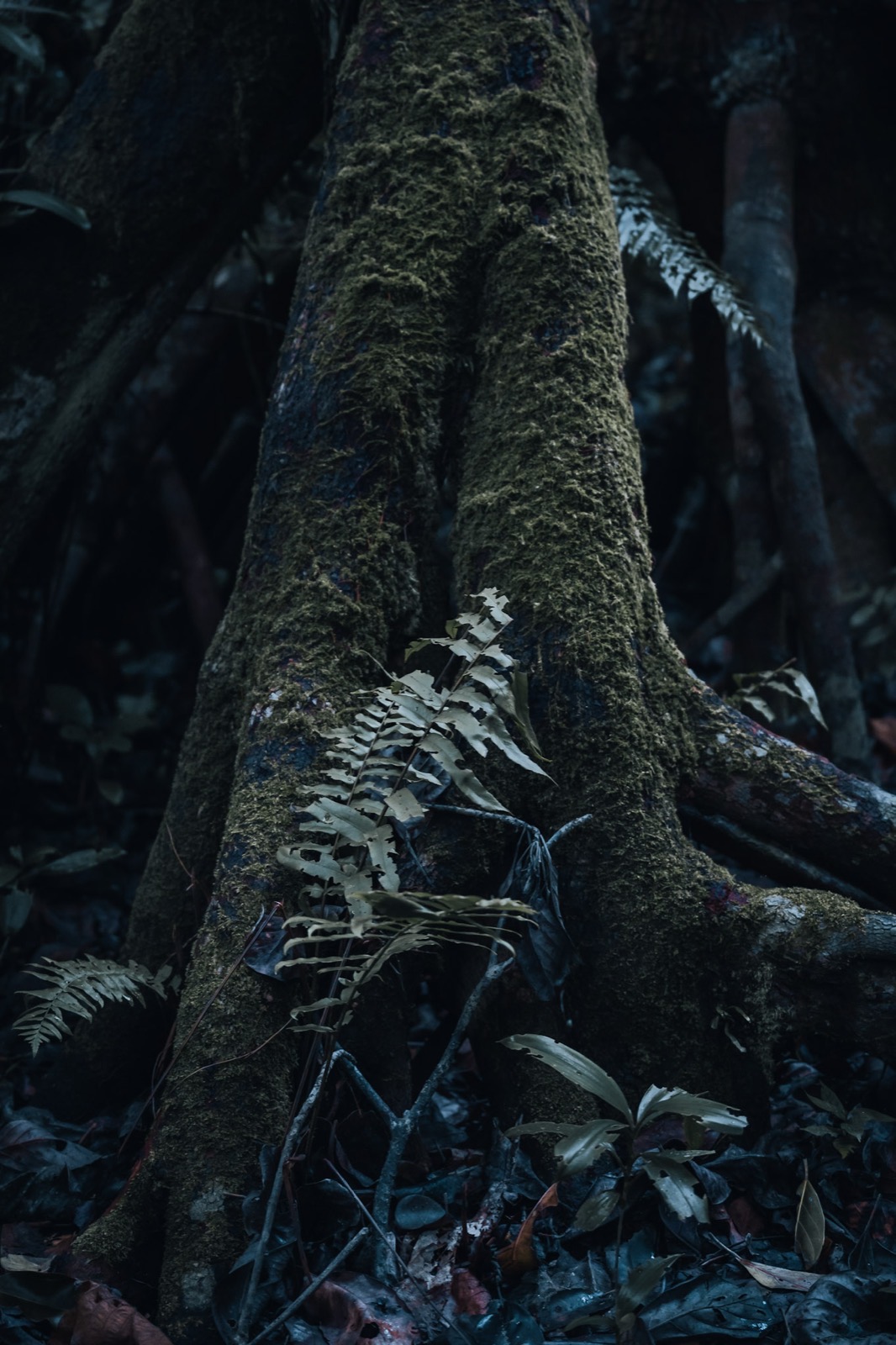
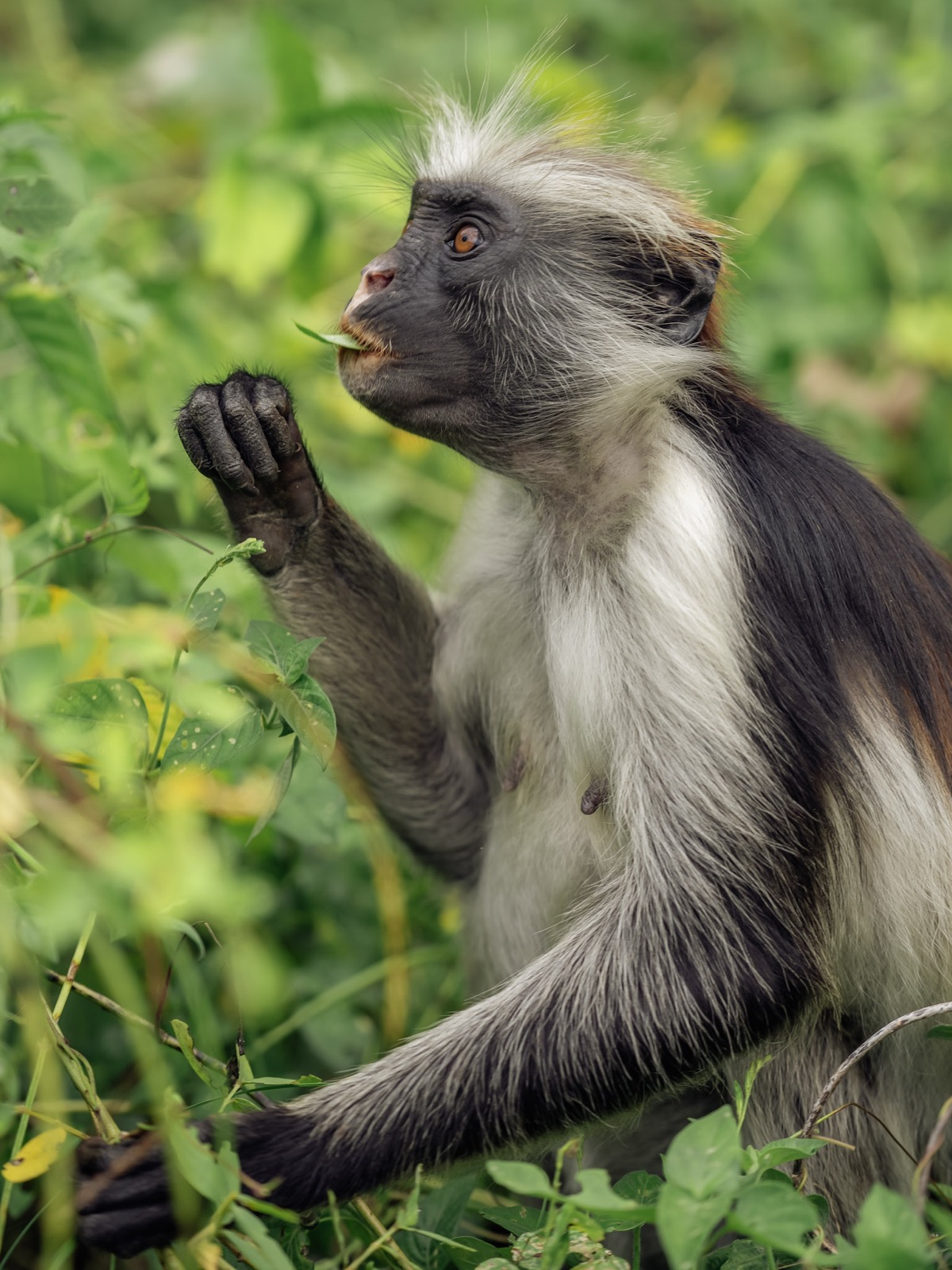
The route crosses several distinct climate zones in under a week — cultivated land and montane rainforest low down, giving way to heath, moorland, and eventually alpine desert and the arctic zone near the summit. Day 1 alone is worth slowing down for: it runs through dense rainforest where black-and-white colobus monkeys, orchids, and a wide range of tropical birds are a regular sighting. One Kilimanjaro birding account even notes a Hartlaub’s turaco nesting close to the standard first-day lunch stop — the kind of detail that never makes it into a route comparison table.
Here’s the honest trade-off: that same popularity is Machame’s biggest downside. In July and August specifically, Barranco and Barafu camps fill with tents from multiple operators on the same schedule, because everyone’s itinerary converges on the same nights. If a quiet trail matters more to you than route familiarity, Lemosho is the better call — it shares Machame’s back half but starts from a quieter western approach.
Some guests ask about pairing the climb with the Machame Village cultural tour near the gate — a community-led half-day that most operators can add before or after the trek. It’s a good way to spend a rest day in Moshi rather than sitting in a hotel room.
Day by day: the full Machame itinerary
This is the 7-day standard version — the one I’d tell most first-timers to book.
Day 1 — Machame Gate to Machame Camp Start: 1,800 m. Finish: 3,010 m. Roughly 4–6 hours of walking, depending on group pace, covering around 10–11 km through montane rainforest. This day feels deceptively easy — the terrain is gentle and your legs are fresh — which is exactly why guides watch your pace here. Walking fast on Day 1 because it feels effortless is a mistake I’ve heard guides complain about constantly; the altitude hasn’t started arguing back yet, but it will.
Day 2 — Machame Camp to Shira 2 Camp Start: 3,010 m. Finish: 3,840 m. The forest thins into heath and moorland, and the Shira Plateau opens up — genuinely wide, exposed high country with the first real views back toward Kibo’s western face.
Day 3 — Shira 2 to Lava Tower to Barranco Camp This is the day the whole route pivots on. You climb to Lava Tower at roughly 4,630 m for a few hours — then descend to sleep at Barranco Camp, 3,950 m. That’s a 680 m drop before bed, and it’s deliberate: the “climb high, sleep low” pattern gives your body a stimulus to start producing more red blood cells at altitude, then lets you recover overnight at a gentler elevation. Skipping this day, or compressing it, is where most of the difference between a 6-day and 7-day success rate comes from.
Day 4 — Barranco Camp to Karanga Camp Start: 3,950 m. Finish: 4,035 m. Short in distance, but it opens with the Great Barranco Wall — a roughly hour-long, hands-on scramble that looks intimidating from the camp below and feels manageable once you’re actually on it. No ropes, no technical gear; your guides position themselves at the exposed steps. It’s one of the more memorable hours on the entire mountain, by every account I’ve heard.
Day 5 — Karanga Camp to Barafu Camp Start: 4,035 m. Finish: 4,673 m. Deliberately short — this is a rest-and-prepare day. Gear gets sorted for summit night, an early dinner happens, and most people try (and mostly fail) to sleep for a few hours before the midnight wake-up call.
Day 6 — Summit night: Barafu Camp to Uhuru Peak to Mweka Camp The big one. Roughly 12–14 hours of trekking covering about 18.1 km, starting close to midnight from Barafu (4,673 m), reaching Stella Point on the crater rim, then Uhuru Peak at 5,895 m, before descending all the way to Mweka Camp at around 3,100 m. It is, by a wide margin, the longest and hardest single day of the climb — the elevation gain to the summit, then a long knee-jarring descent, in one push.
Day 7 — Mweka Camp to Mweka Gate Start: ~3,100 m. Finish: 1,640 m. About 9.3 km and roughly 4 hours back down through the rainforest to the exit gate, where certificates get handed out and tipping happens. It’s a straightforward, almost pleasant morning after the day before it.
The camp elevation profile at a glance:
| Night | Camp | Elevation |
|---|---|---|
| 1 | Machame Camp | 3,010 m |
| 2 | Shira 2 Camp | 3,840 m |
| 3 | Barranco Camp | 3,950 m |
| 4 | Karanga Camp | 4,035 m |
| 5 | Barafu Camp | 4,673 m |
| 6 | Mweka Camp | ~3,100 m |
| 7 | Exit at Mweka Gate | 1,640 m |
Read that table and one thing jumps out: the elevation gain from Barranco to Barafu (Nights 3 to 5) is gradual, then Night 6 is a single enormous round trip to 5,895 m and back down past Barranco’s own altitude. Nothing else in the itinerary compares to summit night in scale.
Who Machame doesn’t suit
Machame is a good default, not a universal one. A few honest exceptions, from what I hear back from guests and guides:
If you specifically want the option of a warm hut on a bad-weather night, Machame is the wrong route — every night is canvas, and Marangu is the only alternative with huts. If crowding genuinely bothers you more than route familiarity, the first two days on Machame in July or August will grate; Lemosho’s western start avoids this entirely for a similar cost. And if your real priority is the single highest possible success rate rather than a balance of cost, popularity, and odds, the Northern Circuit’s longer acclimatization arc beats Machame on paper, at the cost of two to three extra days and a higher price.
None of that makes Machame a bad choice — it’s still the route with the deepest bench of experienced operators and guides on the mountain, which counts for a lot when something goes wrong at 4,600 m. It just isn’t automatically correct for every climber, and any operator who doesn’t ask about your priorities before recommending it is skipping a step.
Camps and facilities on the Machame route
Every night on Machame is a tent night. There’s no version of this route with huts — that’s Marangu’s distinguishing feature, not Machame’s. What your operator actually sets up at each camp is: sleeping tents, sleeping mattresses, a dedicated dining tent, a kitchen tent, camping chairs, lanterns, cooking gas canisters, utensils, and a table. All of it is carried in by porters and struck down again the next morning — nothing is permanent at any Machame camp.
That “nothing permanent” detail matters more than it sounds. It means camp quality is entirely a function of your operator’s gear and crew discipline, not the route. A budget operator and a full-service operator can camp at the exact same GPS coordinates at Barafu and have a completely different night. Ask what’s actually included — tent-sharing policy, mattress thickness, whether there’s a private toilet tent — before you book, not after you’re cold.
The crew carrying all of this is larger than most first-timers picture. A typical Machame team includes a lead guide, one or two assistant guides, a cook, and a run of porters carrying tents, food, fuel, and your kit bags between camps — they move faster than the client group and have camp fully set up by the time you arrive each afternoon. Full crew structure and tipping guidance are in our Kilimanjaro planning guide.
One practical note worth knowing in advance: satellite communicator coverage can be patchy in the dense forest sections, especially on Day 1. Don’t count on checking in with home until you’re above the treeline.
Success rate and acclimatization: what the numbers actually mean
The honest number for the standard 7-day Machame itinerary is around 85%. Compress it to 6 days and it drops to roughly 73%, based on figures reported across several operators — one specific operator advertises a 90% success rate for its own trips, which may be true for that operator’s clients but shouldn’t be read as the route-wide average.
The mechanism behind that gap is the same “climb high, sleep low” pattern from Day 3: every extra night at altitude before the summit push is a night your body gets to produce more red blood cells and adjust its breathing rate. The 6-day version compresses two of these adjustment nights into one, which is exactly why its success rate sits meaningfully lower. If your operator offers an 8-day Machame with an added acclimatization day at Barafu, that extra day is one of the better-value additions on the entire mountain — it costs roughly one more day of park fees and porter wages, and statistically buys you real odds.
For the deeper mechanics of altitude sickness itself — AMS symptoms, Diamox, when a headache means “descend now” rather than “push through” — see our Kilimanjaro altitude sickness guide. For building the fitness base before you go, our Kilimanjaro training guide covers the 16-week plan and why endurance beats speed for this specific mountain.
Machame vs the other routes: an honest comparison
Machame is not the “best” route in every category, and I’d be doing you a disservice pretending otherwise. Against Lemosho, which shares Machame’s back half from Shira 2 onward, Machame is more crowded in its first two days and slightly cheaper; Lemosho buys a quieter start and a marginally better acclimatization profile for one extra day. Against the Northern Circuit, Machame simply has less time on the mountain — the Northern Circuit’s 9–10 days give it the highest documented success rate of any route, at the cost of a much longer trip. Against Marangu, the comparison is really about huts versus tents and short versus adequate acclimatization; Marangu’s 5–6 day version has a distinctly lower success rate, and Machame’s camping-only structure is the price of a stronger acclimatization arc.
On price, the gap is smaller than most climbers assume. One published open-group price list has 7-day Machame starting from USD 2,800, against USD 2,850 for 7-day Lemosho or Rongai, and USD 3,405 for the 9-day Northern Circuit — a few hundred dollars and a few extra days separate the entire route lineup, not thousands.
Worth knowing, even if it changes nothing about your booking: a cable car has reportedly been proposed for Kilimanjaro’s southern side, on the Machame route specifically. Nothing has been built, and I wouldn’t plan around it, but it’s a sign of how much foot traffic this one trail already carries.
The full side-by-side — all five main routes, costs, and a decision framework by climber profile — is in the routes guide linked at the top of this page.
What to pack specifically for Machame
Most of the general Kilimanjaro kit list applies here — see our full Kilimanjaro packing guide for the complete rundown. A few things matter more on Machame specifically, because of how this particular route is built:
- A genuinely warm sleeping bag. Because Machame is camping-only from Day 1, you’re relying on your bag’s rating every single night, not just on summit night. Check the actual temperature rating if you’re renting — don’t assume.
- A light rain shell for Day 1. The rainforest zone is the wettest section of the route and the one climbers most often underdress for, arriving expecting “just a warm-up day.”
- Trekking poles. Genuinely useful on the Barranco Wall scramble for balance on the way up, and close to essential on the long knee-jarring descent from Uhuru Peak to Mweka Camp on Day 6.
- A reliable head torch with spare batteries. Summit night starts near midnight and runs 12–14 hours; cold drains batteries faster than you’d expect.
- Layers that go on and come off fast. You’ll cross rainforest heat, moorland wind, and arctic cold within the same week — sometimes within the same day.
- Gaiters for the Barafu-to-Mweka descent. Day 6’s final stretch and Day 7 both cross loose scree and mud; gaiters keep grit out of your boots on the one day your feet are already exhausted.
None of this replaces the full kit list — sleeping bag temperature ratings, the complete 3-layer system, and exact porter weight limits are all one click away. Treat the list above as what to double-check specifically because of how Machame is built, not as a substitute for the whole thing.
For timing your climb against Kilimanjaro’s two dry-season windows, see the Kilimanjaro when to go guide. For how a Machame climb fits into a longer trip, see the 14-day Tanzania and Zanzibar itinerary, which covers the transfer and timing between the mountain and the coast.
Frequently asked questions
How many days does the Machame route take?
6 to 8 days, gate to gate. The 6-day version exists but I don't recommend it — its summit success rate is roughly 73%, against ~85% for the 7-day version. The 8-day version adds a rest day at Barafu Camp and pushes success rates higher still.
What is the Machame route's summit success rate?
Around 85% on the standard 7-day itinerary and roughly 73% on the compressed 6-day version, based on figures reported across multiple operators. One operator markets a 90% figure for its own trips specifically — treat single-operator numbers as a ceiling, not the average.
What camps and facilities does the Machame route have?
Six camps: Machame Camp (3,010 m), Shira 2 (3,840 m), Barranco (3,950 m), Karanga (4,035 m), Barafu (4,673 m), and Mweka (roughly 3,100 m) on the descent. Each camp is tents only — mattress, dining tent, kitchen tent, chairs, lanterns, gas canisters, and a table, all carried in and out by your crew.
Do you sleep in tents the whole way, or are there huts?
Tents, every night — 6 nights under canvas from Machame Gate to Mweka Camp. Machame is a camping-only route; Marangu is the only Kilimanjaro trail with dormitory huts. If you specifically want a bed, Machame is the wrong route.
How hard is the Barranco Wall scramble?
It's a roughly 1-hour, non-technical scramble on Day 4 — hands-on rock in places, no ropes or climbing gear needed, and your guides position themselves at the exposed steps to help. It looks worse in photos from below than it feels underfoot, but it is not a day to rush.
How long is summit night on Machame?
12 to 14 hours of trekking, covering about 18.1 km — Barafu Camp (4,673 m) to Uhuru Peak (5,895 m) and back down to Mweka Camp. You start around midnight so the final approach and sunrise line up near the crater rim.
Is Machame the right choice for a first Kilimanjaro attempt?
For most first-timers, yes — it's the most popular route for a reason: deep operator experience, a well-maintained trail, and a solid ~85% success rate on 7 days. The honest trade-off is crowding; if you'd rather have quieter early days, Lemosho is the better fit.
When is peak season on the Machame route?
June through September is the busiest window, according to climbers who've done the route in that period — good weather, but Barranco and Barafu camps fill up. If solitude matters more than guaranteed dry conditions, shoulder months are worth considering.