
Facts & prices checked: 2026-06-25
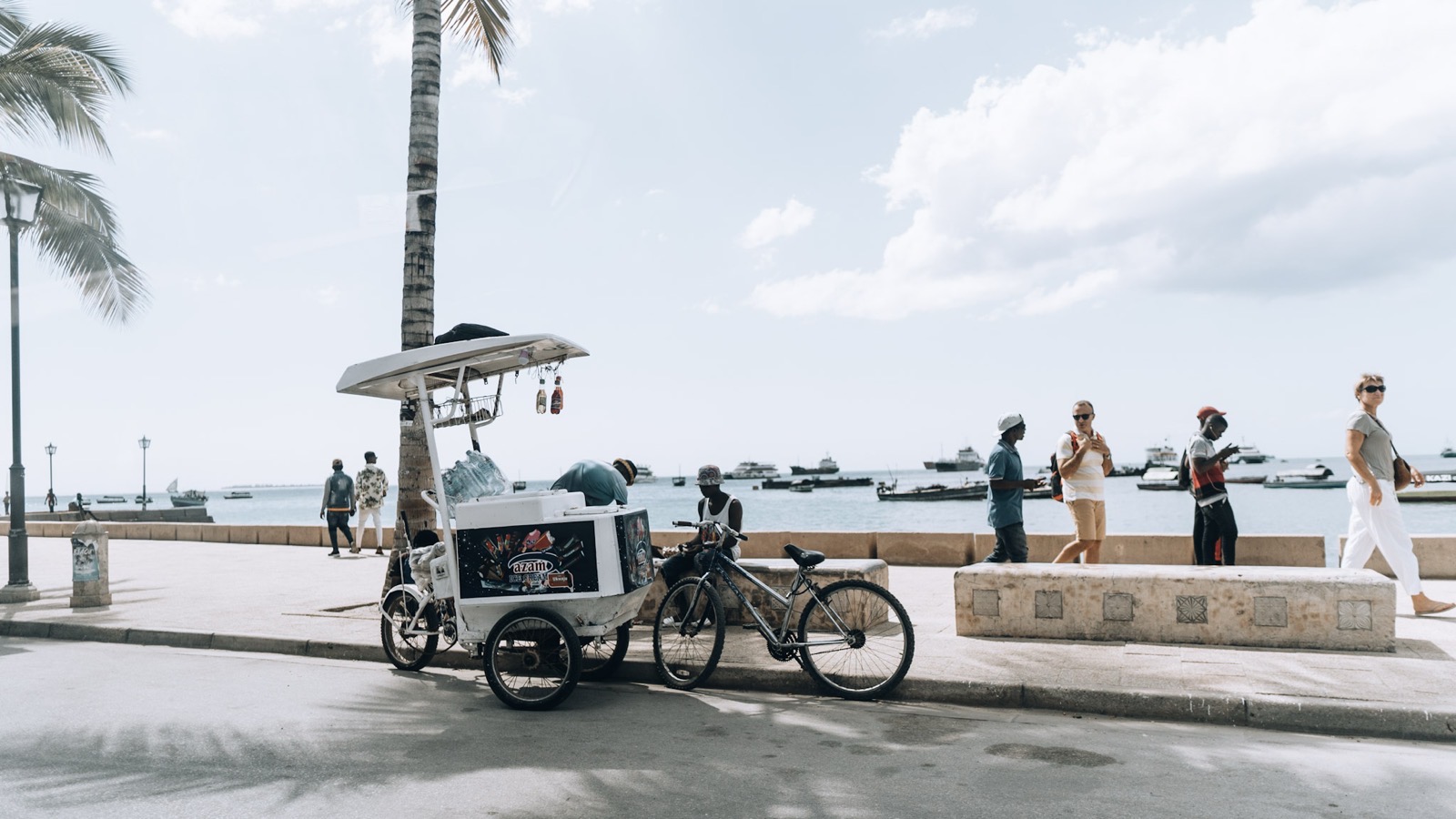
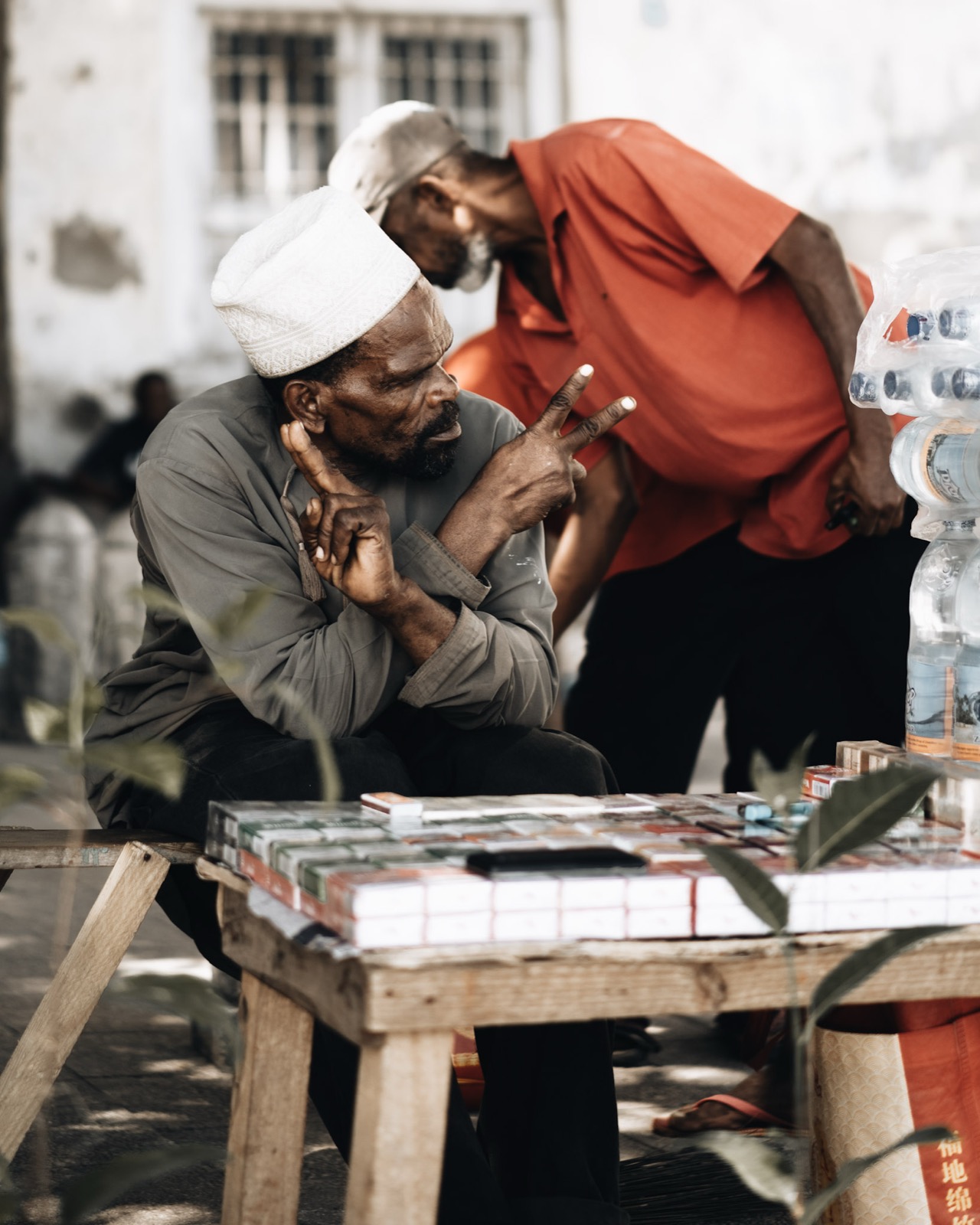
Tanzania’s food is not what most visitors expect. The safari camp menu is good — reliable, international, often excellent — but it represents a fraction of what the country actually eats. The real food culture is at the roadside nyama choma joint on a Saturday afternoon, the plastic-table restaurant where the only menu is what arrived from the market that morning, the street stall with chipsi mayai on the griddle and three men eating standing up at 11 PM.
I have been eating across Tanzania for years and the food that stays with me is never from a lodge.
Tanzania’s food culture
Tanzania’s cuisine reflects its history. The country sits at the crossroads of two entirely different food traditions: the East African inland staple culture (ugali, grilled meat, stewed greens, beans) and the Swahili coastal tradition that absorbed Arab, Indian, and Persian influences over centuries of Indian Ocean trade.
The coastal zones — Dar es Salaam, Bagamoyo, the Kilwa ruins, and most clearly Zanzibar — cook with spices, coconut milk, and techniques that arrived on Omani trading dhows. The inland regions — the Kilimanjaro foothills, the Western Highlands, the Rift Valley settlements — eat the food of the Bantu-speaking agricultural peoples who settled East Africa around 500–1000 AD: starchy staples, stewed pulses, slow-cooked meat.
Swahili cuisine is the fusion that emerged where these traditions met: African, Arab, Indian, and Persian influences layered into dishes that are neither entirely one thing nor another. Pilau rice — cooked with whole cardamom, cloves, cinnamon, and cumin — arrived via the Indian Ocean spice trade and became a Tanzanian institution. So did biryani, samosa, and the general habit of cooking rice with coconut milk on the coast.
Most food in Tanzania is halal in majority Muslim areas. Alcohol is widely available at tourist-facing establishments and non-Muslim restaurants; absent from local eateries in Muslim communities. On Zanzibar, where over 99% of the population is Muslim, this distinction matters more than on the mainland.
The single most useful thing I can tell you: in Tanzania, a local restaurant is often called a hoteli, not a hotel. A sign reading “Hoteli ya Chakula” means food establishment. This trips up visitors and means they walk past perfectly good local food assuming it is accommodation.
Ugali: the national staple
Ugali is not a dish. It is a food category. Every region of Tanzania has its version — maize flour on the coast and central plateau, cassava in the south, millet in the highlands — but the method is the same: water brought to a boil, flour added in stages while stirring continuously, cooked until the mixture pulls away from the pan and holds its shape. The result is a stiff, neutral-tasting mass that forms the base of almost every meal eaten by Tanzanians who are not eating rice.
You eat ugali with your right hand. Tear off a piece, shape it into a ball, make a small well with your thumb, and use it to scoop stew or vegetables. No utensils offered, none needed. The skill is in making the indentation cleanly without the ugali sticking to your fingers — something that takes practice.
Ugali itself is unflavoured and filling. The dish is whatever it comes with: a beef or goat stew (mchuzi wa nyama), stewed kidney beans, grilled fish, or sukuma wiki (stewed kale or collard greens with tomato and onion). The stew is where the flavour lives. A plate of ugali and beans costs less than USD 1 at most local restaurants.
If there is one national dish, the sources agree it is ugali — though most phrase this carefully. As one food guide notes, “if there is one” national dish of Tanzania, it is this. No official declaration exists, but there is no serious competitor.
Nyama choma: Tanzania’s social institution
Nyama choma means “grilled meat” in Swahili. The traditional preparation is slow-roasted over low coals covered in ash — not the high-heat flash grill of fast food, but a slow cook that takes time and produces meat that falls away from the bone without becoming dry. Goat is the traditional choice; beef is common; chicken is widely available. The freshness of the meat matters enormously.
The ritual matters as much as the food. You go to a nyama choma joint with people — family, friends, colleagues — and you order by weight. The meat arrives on a wooden chopping board, already cut into manageable pieces. You eat it with your hands. Alongside comes kachumbari (raw tomato and onion dressed with lime juice and sometimes chilli), sukuma wiki, ugali, and cold beer. The conversation is the point.
Saturday afternoon nyama choma is a Tanzanian institution. In Arusha, along the backstreet restaurants around Market Road, the smoke from the charcoal grills starts building from around lunchtime. By 2 PM, every table is taken. The cost: approximately USD 3–6 per person including the accompaniments.
Khan’s Barbecue on Sokoine Road in Arusha is the most consistently cited example: open-air charcoal grill, opens around 6 PM and is busy by 8 PM, USD 5–15 per person. Loud, smoke-filled, and not aimed at tourists. The crowd is genuinely mixed. That is what a nyama choma joint is supposed to be.
Rice dishes: pilau and biryani
Tanzania’s two landmark rice dishes both trace their heritage to the Indian Ocean spice trade — pilau through the Omani and Arab trading influence on the Swahili coast, biryani through the Mughal India–Oman–Zanzibar route that carried South Asian cooking techniques into East Africa from the 16th century onwards.
Pilau is spiced rice cooked with meat — whole cardamom, cloves, cumin, cinnamon, black pepper, and coriander go in at the start and cook through the rice. The result is fragrant rather than hot, the spices absorbed into every grain. Zanzibar pilau has a strong reputation (see the Zanzibar food guide for island specifics), but mainland pilau — available in market restaurants across Arusha, Dar es Salaam, and everywhere in between — is excellent and nearly always cheaper. At local restaurants in Zanzibar, a full meal including pilau costs USD 3–5. Mainland prices are similar or lower.
Biryani uses a different method: the rice and meat are cooked separately, then layered and finished together. Zanzibari biryani uses cloves, cardamom, cumin, rose water, and ghee — more perfumed and fragrant than Indian biryani. Dar es Salaam biryani (particularly in the Indian-influenced restaurants around the city centre) is some of the best on the East African coast. The distinction between pilau and biryani matters to Tanzanians; ordering either without knowing the difference will not cause offence, but knowing it shows you have been paying attention.
Both dishes appear at special occasions, family celebrations, and Friday lunches — and at local restaurants every day of the week. If you are eating from a menu and you see either, order it.
Street food: chipsi mayai, mishkaki, and samosa
Three dishes that appear everywhere and cost almost nothing.
Chipsi mayai — french fries beaten into an omelette, fried flat — is Tanzania’s most democratic food. Available from street stalls across the mainland for approximately USD 0.50–1.50. There is no establishment too informal to sell it, no hour too early or too late to find it. It arrives with kachumbari and chilli sauce. The best version has crispy exterior edges and a soft centre. Do not leave Tanzania without eating chipsi mayai. It is not sophisticated and that is exactly the point.
Mishkaki are marinated meat skewers grilled over charcoal — similar to Middle Eastern kebab but with a distinctly Tanzanian marinade of ginger, garlic, cumin, and chilli. Sold at roadside stalls and evening markets, mishkaki arrive with a spicy dipping sauce. Street food snacks like mishkaki and samosas cost approximately USD 0.50–3 per item. At Forodhani Gardens in Stone Town, the grilled seafood and meat skewer stalls are the reliable choice at night.
Samosa are fried pastry pockets filled with spiced meat or vegetables. Indian in origin, fully adopted by the Swahili coast — available at every market, in every town, from Dar es Salaam to Moshi to the most remote roadside stop in the southern highlands. In Stone Town, samosas cost approximately 7,000–14,000 TZS; mainland prices are lower.
Kachumbari appears alongside all of these: raw tomato, red onion, lime juice, optional chilli. It is not a dish, it is a condiment — the Tanzanian equivalent of a salsa. It is always there, always raw, always acidic, and it makes everything it touches better.
Swahili coastal cuisine
The coastal food tradition — from Dar es Salaam north through Bagamoyo, Pangani, and across to Zanzibar and Pemba — is built on coconut in three forms: fresh coconut water, grated flesh, and pressed coconut milk. Coconut milk goes into fish stews (mchuzi wa samaki), rice (wali wa nazi — coconut rice), bean dishes, and the base sauces of most coastal cooking. If you are eating inland Tanzania, coconut is absent. If you are eating coast Tanzania, it is in almost everything.
Wali wa nazi (coconut rice) is the coastal equivalent of plain rice — except it is not plain. The coconut milk gives it a slight sweetness and a richness that makes even a simple accompanying stew taste better.
Mchuzi wa samaki (fish in coconut stew) is the coastal fish dish. Fresh fish, coconut milk, tomato, onion, garlic, ginger, and turmeric. The fish varies by what is available — red snapper, kingfish, tuna on the open coast — but the method is consistent. In Dar es Salaam’s fish markets and coastal restaurants, this is the dish to order.
Baazi — coconut-spiced red kidney beans — is a coastal specialty found in the same culinary zone as the coconut fish stews, reflecting the same Indian Ocean trading influence.
Chapati are unleavened flatbreads that arrived with the Indian trading community and became universal on the coast. Eaten at breakfast with eggs, used to scoop stew, sold by street vendors everywhere. In Dar es Salaam, a chapati with curry costs almost nothing and is a better breakfast than whatever the hotel is offering.
For the Zanzibar-specific dishes — urojo, Zanzibar pizza, octopus in coconut milk, the Forodhani night market — the Zanzibar food guide covers the island’s food culture in full.
Drinks: from tangawizi to Kilimanjaro Lager
Tangawizi means ginger in Swahili, and ginger tea — chai ya tangawizi — is the most ubiquitous drink in Tanzania. Infused with cinnamon, cardamom, and cloves alongside the ginger, it is drunk at every hour from street stalls, in offices, after meals, before meals, and during rain. It is not subtle. The ginger is real, the cardamom hits the back of the throat, and a cup at a roadside stall costs almost nothing. Drink it everywhere.
Kahawa is the Swahili word for coffee. Tanzania grows coffee on the slopes of Kilimanjaro (Arabica) and in the Mbeya highlands (Arabica and Robusta) — some of it genuinely excellent. The traditional coastal version is kahawa chungu: bitter black spiced coffee, brewed in a clay pot and served in small cups from brass coffee urns. On the Swahili coast, this is what old men drink in the morning at the doors of their houses. In Arusha, there are proper sit-down coffee shops — the town has a developing coffee culture that reflects its position near the Kilimanjaro growing region.
Kilimanjaro Premium Lager and Safari Lager are Tanzania Breweries Limited’s two most popular local beers — the beers you will find at every nyama choma joint, beach bar, and hotel bar in the country. Both are mainstream lagers, cold, inexpensive by any measure. At a nyama choma joint in Arusha, a cold beer and a plate of grilled goat costs approximately USD 3–6 per person. At tourist restaurants, prices are higher.
Konyagi is a local clear spirit — smooth and sweet, described by one reviewer as easy to drink like soda. Very cheap; the spirit of the mainland. Not suitable for those who take their gin seriously, but an interesting cultural footnote.
Pombe — traditional homebrewed beer made from banana, millet, or sorghum — exists in rural areas, particularly in the highlands and around Lake Victoria. Tourists rarely encounter it. If someone offers it to you in a rural context, accepting is good manners.
Alcohol availability: widely available in tourist areas, safari camps, and non-Muslim establishments across Tanzania. In Muslim-majority areas — coastal towns, Zanzibar outside tourist hotels — alcohol is absent from local restaurants. Tanzania’s regulations include time-and-place restrictions on alcohol sales. No visitor running a normal tourist itinerary should encounter issues, but discretion is appropriate in local communities.
Where to eat on a Tanzania trip
Local hoteli restaurants are where you should be eating whenever possible. A sign reading “Hoteli” or “Hoteli ya Chakula” means a local food establishment — not a hotel. A standard meal of ugali and stew, or rice and beans, costs USD 1–3. Pilau with a drink costs USD 3–5 at most. You will eat at a shared table, order what is available that day, and eat more authentically than at any tourist-facing restaurant.
Arusha has the best restaurant variety on the mainland Tanzania safari circuit. The range runs from local chapati joints along Market Road to sit-down restaurants with international menus. For local food: nyama choma along the Market Road backstreets (USD 3–6 per person), and pilau at market-area eateries. Khan’s Barbecue on Sokoine Road is consistently cited by locals as the place for nyama choma, mishkaki, and chapati in the evening — the kind of open-air charcoal grill that fills up with Tanzanians, not tourists. Gluten-free options are widely available in Arusha according to multiple traveller reports — more so than in most mainland towns.
Dar es Salaam has the largest and most varied food scene in the country. Excellent Indian restaurants, fish markets, coastal Swahili restaurants, and everything in between. The city’s fish market is worth an early morning visit before the best catch is gone. Mishkaki, Zanzibar-style mix (urojo), samosas, and fresh seafood are the street food highlights according to multiple Dar es Salaam food tour operators.
Safari camps are typically good to excellent. The investment in the camp is in wildlife access and experience, not food — but the food is rarely bad. Vegetarian options are always available at camps on request; tell the operator when you book, not when you arrive. The camp menu will be international with some Tanzanian elements. It is comfortable and appropriate. It is not what Tanzania eats.
My most memorable Tanzania meal was not at a lodge. It was at a nyama choma joint in Arusha on a Saturday afternoon — a group of local mechanics celebrating something, sharing roasted goat and cold Kilimanjaro Beer over ugali and kachumbari that cost the equivalent of a few dollars. The goat had been alive that morning. The smoke from the charcoal was real. Nobody was performing for tourists. If you eat exclusively at safari camps, you will eat well — but you will miss that.
For the full Arusha food scene on the mainland safari circuit — specific restaurant recommendations, Khan’s Barbecue, and prices — the Arusha gateway guide covers the city in detail. For the Swahili coastal food tradition taken to its fullest expression, the deep dive on Zanzibar’s food scene covers urojo, Zanzibar pizza, octopus in coconut milk, and the Forodhani night market. For planning a Tanzania trip that includes the best food stops alongside the wildlife, the Northern Circuit safari guide covers how the routes connect.
→ Related guides: Zanzibar’s food scene · Arusha: Tanzania’s safari gateway · visa and eVisa rules · Northern Circuit safari
Frequently asked questions
What is the national dish of Tanzania?
Tanzania has no officially declared national dish, but ugali is the staple eaten by most Tanzanians daily — a stiff maize (or cassava, or millet) porridge eaten with the right hand and used to scoop stew, meat, or vegetables. Nyama choma (grilled meat over charcoal) comes closest to a cultural institution — it is less about the food and more about the ritual of sharing it. Pilau rice (spiced with cardamom, cumin, cloves, cinnamon) is also considered distinctly Tanzanian, with roots in the Indian Ocean spice trade.
What is ugali and how do you eat it?
Ugali is a stiff porridge made from maize flour (or cassava or millet depending on the region), cooked until it holds its shape. It is the staple of East Africa — eaten with almost every meal in Tanzania. You eat it with your right hand: tear off a small piece, shape it into a ball, make a small indentation with your thumb, and use it to scoop stew or vegetables. It is unflavoured and filling — all the flavour comes from whatever it accompanies. Eat at a local restaurant (called a hoteli in Swahili) and you will almost certainly encounter ugali.
What is nyama choma?
Literally 'grilled meat' in Swahili — goat, beef, or chicken slow-roasted over low charcoal. Tanzania's most social food: eaten at dedicated nyama choma joints with cold beer, kachumbari (raw tomato and onion salad with lime juice), sukuma wiki (stewed greens), and ugali. You order by weight, the meat arrives on a chopping board, and you eat with your hands. Saturday afternoons in any Tanzanian city or town mean nyama choma restaurants full of families and friends. Goat is the traditional meat and is typically the best.
What is chipsi mayai and where can I find it?
Chipsi mayai is a fried potato (chips/fries) omelette — french fries beaten into an egg, fried flat. It is Tanzania's most democratic street food: available at roadside stalls throughout the country for approximately USD 0.50–1.50, eaten for breakfast, lunch, dinner, or late at night. The best version has crispy edges, a soft centre, and arrives with kachumbari and hot sauce. Finding it in every town on the mainland should be a priority — it is the single dish that most consistently signals you are eating like a Tanzanian.
Can vegetarians eat well in Tanzania?
Yes, with some effort. Ugali, rice, and beans (wali na maharage) are inherently vegetarian. Ndizi (plantains) cooked with vegetables are widely available. The challenge is that meat stock is often used in vegetable stews without being mentioned. In safari camps and tourist restaurants, vegetarian options are always available on request. At local restaurants, explain clearly — 'bila nyama' (without meat) — or order dishes that are obviously vegetarian: chipsi, samosa, fresh fruit, or coconut rice (wali wa nazi). Zanzibar has better vegetarian variety due to the Indian restaurant tradition.
Is alcohol available in Tanzania?
Yes, widely available in tourist areas and non-Muslim establishments. Tanzania Breweries Limited produces Kilimanjaro Premium Lager and Safari Lager — the two most popular local beers. Konyagi is a local clear spirit. In Muslim-majority areas on the mainland, and across most of Zanzibar outside tourist hotels, alcohol availability is limited or absent in local restaurants and shops. In national park lodges and safari camps, alcohol is always available. Tanzania's policy includes time-and-place restrictions on alcohol sales — most visitors encounter no issues, but discretion in local areas is appropriate.